

Cleaning & Polishing Accessories

Pay in 3 interest-free payments on purchases from £20-£3000 with  . Learn more.
 Loading...
End of content
Error - No more pages to load
About Cleaning & Polishing Accessories
Cleaning and polishing accessories represent an essential category of attachments designed for rotary multi-tools and power tools, enabling tradespeople and DIY enthusiasts to restore, refinish, and maintain surfaces across a diverse range of materials. From removing stubborn rust and oxidation to achieving mirror-finish polishes on metal components, these specialised accessories transform standard rotary tools into precision finishing equipment. Whether refurbishing automotive parts, restoring antique metalwork, or preparing surfaces for protective coatings, the selection available at Tooled-Up.com delivers professional results across metalworking, restoration, and maintenance applications.
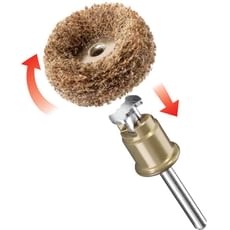
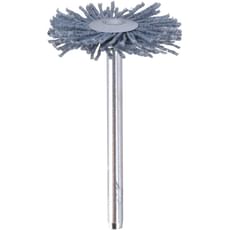
The category encompasses a comprehensive range of attachments including bristle brushes for gentle cleaning without surface damage, wire brushes manufactured from carbon steel or stainless steel for aggressive rust and paint removal, felt wheels and tips for fine polishing work, abrasive buffing wheels for intermediate surface preparation, and polishing compounds in various grades for achieving high-gloss finishes. Most accessories feature standard mandrel fittings compatible with popular rotary tools like Dremel multi-tools, with many incorporating the convenient EZ SpeedClic quick-change system that eliminates the need for spanners during accessory changes, significantly improving workflow efficiency on multi-stage finishing projects.
Quality cleaning and polishing accessories from trusted brands such as Dremel and BlueSpot offer exceptional versatility across multiple substrate materials including ferrous metals, stainless steel, aluminium, brass, copper, plastics, and even wood. Available in various grades, configurations, and abrasiveness levels, these accessories allow progressive work from aggressive material removal through to ultra-fine finishing, making them indispensable for metalworkers, jewellers, automotive restorers, engineering professionals, and maintenance technicians working to exacting surface finish standards.
Jargon Buster
- Bristle Brush
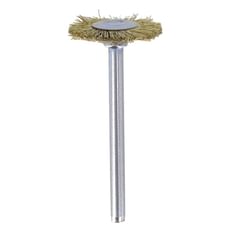
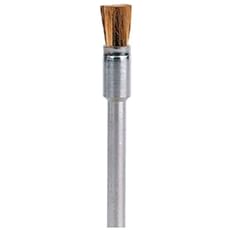
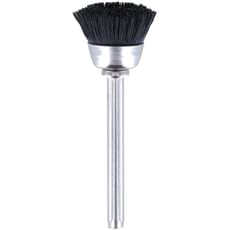
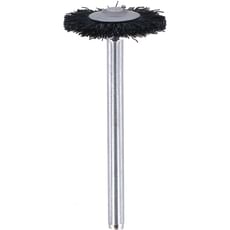
- A cleaning accessory constructed from densely packed nylon or natural bristles, ideal for general cleaning, removing debris, and light polishing without scratching delicate surfaces. Available in wheel and cup configurations for different access requirements.
- Wire Wheel/Cup Brush
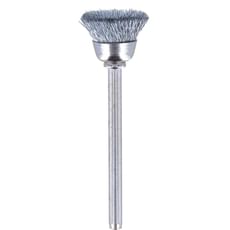
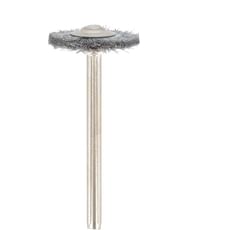
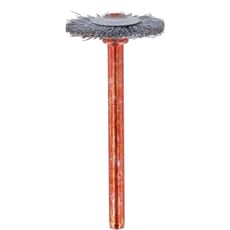
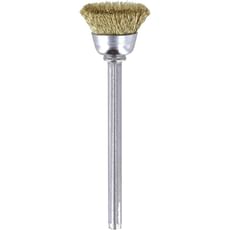
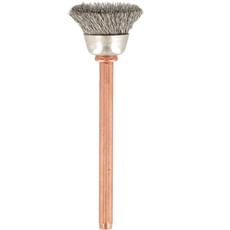
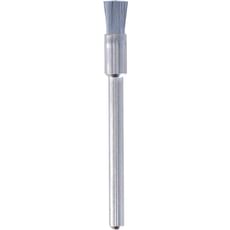
- Abrasive cleaning accessories featuring carbon steel or stainless steel wire bristles for aggressive rust removal, paint stripping, and surface preparation. Cup brushes provide flat surface cleaning whilst wheel brushes excel at accessing corners and recesses.
- Felt Polishing Wheel
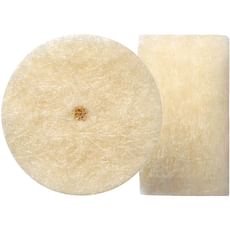
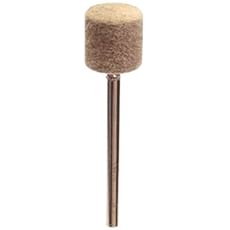
- Dense felt accessories used in conjunction with polishing compounds to achieve smooth, scratch-free finishes on metal surfaces. Available in various thicknesses and diameters for different applications and detail work requirements.
- EZ SpeedClic System
- Dremel's tool-free quick-change system featuring a button-release mandrel that allows instant accessory swaps without requiring spanners or additional tools, dramatically improving workflow efficiency during multi-stage polishing projects.
- Abrasive Buffing Wheel
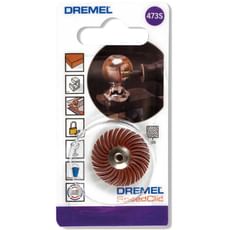
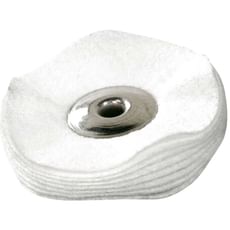
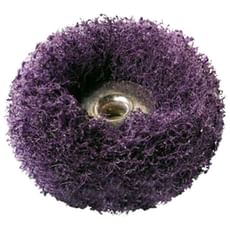
- Impregnated fabric wheels containing abrasive particles for surface smoothing and preparation before final polishing stages. Removes light scratches and creates a uniform surface texture ready for finishing compounds.
- Polishing Compound
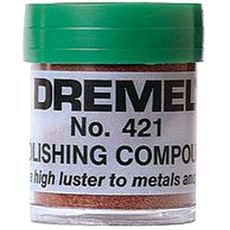
- Specialised abrasive paste applied to felt wheels or buffing accessories to enhance cutting and polishing action, available in various grades from coarse cutting compounds to ultra-fine finishing compounds for mirror-polish results.
Who Uses Cleaning & Polishing Accessories?
- Automotive Restorers and Detailers - polishing chrome trim, removing oxidation from aluminium components, restoring engine bay fittings, and preparing bodywork for protective coatings
- Jewellers and Metalworkers - achieving high-polish finishes on precious metals, preparing surfaces for plating or coating, and removing fabrication marks from bespoke pieces
- Engineering and Fabrication Professionals - deburring components, surface preparation before welding, finishing fabricated metalwork, and removing mill scale from steel stock
- Maintenance Engineers - cleaning equipment components, removing corrosion from machinery parts, preparing surfaces for reassembly, and maintaining production equipment
- Furniture Restorers and Antique Dealers - refurbishing metal hardware, cleaning brass fittings, restoring decorative metalwork, and preparing pieces for lacquering or waxing
- Model Makers and Hobbyists - fine detail polishing, removing mould lines from castings, achieving professional finishes on miniature components, and preparing surfaces for painting
- General Tradespeople - site preparation work, cleaning tools and equipment, maintaining power tool components, and preparing metalwork for decorative finishes
- DIY Enthusiasts - home restoration projects, upcycling metal furniture, general workshop maintenance tasks, and craft metalworking projects
How to Choose the Right Cleaning & Polishing Accessories
Material Compatibility: Consider the substrate material you'll be working with carefully. Carbon steel wire brushes excel at rust removal from ferrous metals but can contaminate stainless steel, causing future corrosion issues. Always use stainless steel wire brushes exclusively when working with stainless steel components. Bristle brushes suit softer metals and plastics where wire would cause damage, whilst felt wheels are ideal for final polishing stages on all metal types without surface contamination risks.
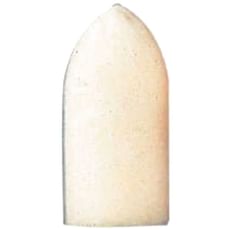
Accessory Configuration: Wheel-style accessories provide line contact ideal for edges, grooves, and detailed areas, whilst cup brushes offer flat surface contact perfect for larger, flatter workpieces. Pointed or tapered accessories access tight corners and intricate designs where standard wheels cannot reach. Match the accessory shape to your specific application geometry for optimal results and efficiency, particularly important when working on complex castings or fabrications.
Abrasiveness Level: Work progressively from coarser to finer accessories for best results. Start with wire brushes or coarse abrasive wheels for heavy cleaning and material removal, progress to medium-grade buffing wheels for smoothing and removing coarse scratches, and finish with fine felt wheels and polishing compound for mirror finishes. Skipping grades often results in visible scratches requiring additional remedial work, ultimately costing more time than following proper progression.
Mounting System: Check compatibility with your rotary tool before purchasing. Standard mandrel-mounted accessories fit most multi-tools but require spanners for changes, which can slow workflow considerably. The Dremel EZ SpeedClic system significantly speeds workflow when switching between multiple accessories during a single project, though it requires the compatible quick-change mandrel. For professional users completing multiple finishing stages daily, the time savings justify the system investment.
Operating Speed: Different accessories perform optimally at specific RPM ranges, making variable speed rotary tools advantageous. Wire brushes typically require higher speeds (15,000-30,000 RPM) for effective material removal without loading up, whilst felt polishing wheels work best at moderate speeds (10,000-15,000 RPM) to prevent burning compounds or generating excessive heat that can discolour workpieces. Consult manufacturer specifications and adjust your tool's variable speed accordingly for each accessory type.
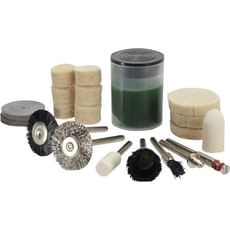
Quantity and Kit Options: For comprehensive projects requiring multiple finishing stages, complete cleaning and polishing kits like the BlueSpot 20 Piece set provide excellent value and ensure you have appropriate accessories for each stage from initial cleaning through to final polishing. Professional users working repeatedly with specific materials may prefer purchasing individual specialist accessories in bulk to maintain consistent results across multiple projects whilst reducing per-unit costs.
Popular Accessories
- Polishing Compounds - essential consumables in various grades (coarse, medium, fine, ultra-fine) for use with felt wheels to achieve professional mirror finishes
- Mandrels and Arbors - mounting shanks required for holding certain accessories, including EZ SpeedClic quick-change mandrels and standard screw mandrels
- Safety Glasses and Face Shields - critical PPE for protecting eyes and face from wire bristles, debris, and polishing compound spray during operation
- Dust Extraction Attachments - help capture airborne particles generated during grinding and polishing operations, particularly important when working with metals that produce harmful dust
- Work Clamps and Vices - secure workpieces safely whilst both hands operate the rotary tool, preventing dangerous workpiece movement during polishing
- Cutting and Grinding Wheels - complementary accessories for material removal and shaping before progressing to cleaning and polishing stages
- Protective Gloves - appropriate hand protection against sharp wire bristles and rotating accessories, though must be close-fitting to avoid entanglement risks
- Cleaning Solvents and Degreasers - prepare surfaces before polishing by removing oils and contaminants, and remove compound residues after finishing for inspection
Safety Information
Cleaning and polishing accessories rotate at high speeds and present specific safety considerations requiring careful attention. Always wear appropriate eye protection as wire bristles can break free during use and polishing compounds can spray considerable distances. Ensure workpieces are securely clamped using appropriate vices or clamps - never attempt to hold small items by hand whilst polishing, as tool grab can cause injuries. Check accessories for damage before fitting and discard any wire brushes with loose or missing bristles immediately, as these can cause serious injury if ejected at high speed.
Work in well-ventilated areas as polishing generates fine dust particles and compound vapours that can accumulate in enclosed workshops. Consider respiratory protection when working extensively with metal dust, particularly when polishing materials that may contain hazardous elements like cadmium plating or lead-based alloys. Consult COSHH guidelines when working with specialised polishing compounds in professional settings, and maintain appropriate extraction equipment where HSE regulations require.
Maintain firm control of your rotary tool and avoid excessive pressure which can cause accessories to grab or shatter, particularly with wire brushes on irregular surfaces. Allow accessories to reach full speed before contact with workpieces and keep them moving across the surface to prevent localised heat build-up which can damage both the accessory and workpiece. Never exceed the manufacturer's recommended maximum RPM rating marked on the accessory or packaging, as this can cause catastrophic failure.
Wire brushes pose particular risks during operation - the rotating wires can catch on loose clothing, gloves, or jewellery with serious consequences. Wear close-fitting clothing and remove rings, watches, and bracelets before operating wire brush accessories. Keep bystanders at a safe distance as wire fragments and debris can be ejected considerable distances from the work area, particularly when working at higher speeds on heavily corroded materials.
Frequently Asked Questions
What's the difference between carbon steel and stainless steel wire brushes?
Carbon steel wire brushes are more aggressive and cost-effective for general rust removal and heavy cleaning on ferrous metals, offering faster material removal rates. However, they can contaminate stainless steel surfaces by depositing ferrous particles, potentially causing corrosion spots. Stainless steel wire brushes must be used exclusively when working with stainless steel to prevent contamination. They're less aggressive but won't leave ferrous deposits that could rust and permanently stain the workpiece, essential for maintaining corrosion resistance on stainless components.
Can I use polishing accessories with any rotary multi-tool?
Most polishing accessories use standard shank sizes (typically 2.35mm or 3.2mm) compatible with Dremel and similar rotary multi-tools available from Tooled-Up. However, verify your tool's collet size and maximum RPM rating before purchasing, as some accessories require higher speeds than budget tools can deliver. The Dremel EZ SpeedClic system requires the specific quick-change mandrel but offers significant convenience for professionals. Always check accessory specifications match your tool's capabilities to ensure safe operation and optimal results.
How do I achieve a mirror finish on metal components?
Mirror finishes require patient progressive stages rather than rushing to final polishing. Start by removing scratches and oxidation with wire brushes or coarse abrasive wheels until the surface is uniformly clean, then progress through medium and fine abrasive buffing wheels to create a uniform scratch pattern. Apply polishing compound to felt wheels, working from coarser to finer grades at each stage. The final stage uses ultra-fine compound on clean felt at moderate speeds with light pressure. Proper progression between grades delivers professional results without visible scratches.
How long do felt polishing wheels typically last?
Longevity depends significantly on usage intensity, operating speed, pressure applied, and compound type used. With proper technique (moderate speeds around 10,000-15,000 RPM, light pressure, regular compound application), felt wheels can handle numerous polishing sessions across multiple projects. However, they're consumable items that wear with use and cannot be restored once worn. When felt becomes thin, glazed, or no longer holds compound effectively, replacement ensures continued quality results. Professional users often keep spare felt wheels in stock to avoid workflow interruption.
Are cleaning and polishing kits better value than individual accessories?
For users new to polishing work or those requiring versatility across multiple materials and finishing stages, comprehensive kits like the BlueSpot 20 Piece set offer excellent value and ensure you have appropriate accessories for each task without multiple purchases. They're ideal for varied workshop environments and occasional users who tackle diverse projects. However, professionals focusing on specific applications like automotive polishing or jewellery finishing may prefer purchasing their most-used accessories individually in larger quantities for better economy, consistency, and reduced downtime from running out of critical consumables.