
Clips, O Rings, Pins & Springs

Pay in 3 interest-free payments on purchases from £20-£3000 with  . Learn more.
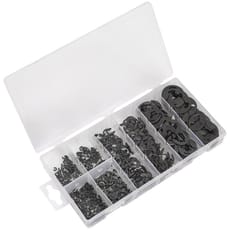
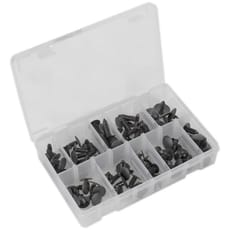
Loading...
End of content
Error - No more pages to load
About Clips, O Rings, Pins & Springs
Clips, O rings, pins and springs represent some of the most essential yet often overlooked components in professional engineering, automotive repair and maintenance work. These precision-manufactured fastening and sealing elements perform critical functions across countless applications—from securing assemblies and retaining bearings to preventing hydraulic leaks and providing mechanical tension. Despite their modest size, the failure of a single circlip or O ring can result in equipment downtime, fluid leaks or even catastrophic mechanical failure. Tradespeople working in automotive repair, plant maintenance, plumbing, hydraulics and general engineering rely on having immediate access to properly specified components that meet exacting tolerance and material requirements.
The category encompasses several distinct component types, each engineered for specific purposes. Circlips provide axial retention on shafts and within bores, preventing components from sliding along rotating or stationary assemblies. O rings create reliable seals in static and dynamic applications across hydraulic systems, pneumatic equipment, engine assemblies and plumbing installations. Roll pins offer precise component alignment and light-duty retention through their spring-loaded design, whilst split pins provide visible security for castellated nuts, clevis pins and critical fastenings that require regular inspection. Springs deliver controlled tension or compression forces in mechanisms ranging from valve assemblies to automotive suspension components, and trim clips provide efficient panel fastening solutions primarily in automotive applications.
Tooled-Up.com stocks quality components from trusted manufacturers including Timco alongside specialist fastening brands, ensuring professional tradespeople have access to properly certified parts manufactured to British Standards (BS) and European Norm (EN) specifications. Whether servicing hydraulic excavators on construction sites, rebuilding engines in automotive workshops, maintaining industrial machinery or carrying out precision plumbing repairs, having the correct specification, material grade and dimensional accuracy in these components is fundamental to achieving reliable, long-lasting results that meet professional standards.
Jargon Buster
- Circlips (Retaining Rings): Spring steel rings manufactured to fit into machined grooves on shafts (external type) or within bores (internal type) to provide axial retention of components such as bearings, gears or pulleys. Available in metric and imperial sizes with various end hole configurations for installation using dedicated circlip pliers.
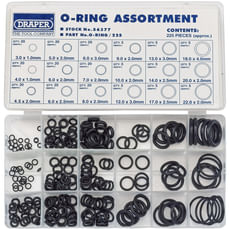
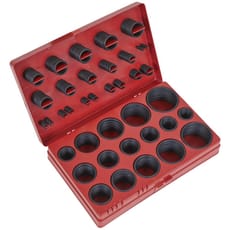
- O Rings: Circular cross-section elastomeric sealing rings typically manufactured from nitrile rubber (NBR), EPDM, silicone or Viton materials. Used extensively in static and dynamic sealing applications within hydraulic cylinders, pneumatic systems, tap assemblies and engine components. Specified by internal diameter (ID) and cross-section (CS) thickness, both measured in millimetres.
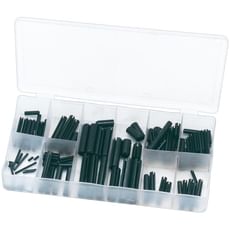
- Roll Pins (Spring Pins): Hollow cylindrical pins with a longitudinal slot running their entire length and chamfered leading edges. The spring tension created by their rolled construction allows them to compress during installation then expand within drilled holes, providing secure retention for component alignment and light to medium-duty applications.
- Split Pins (Cotter Pins): Semi-circular wire pins that pass through drilled holes in bolts, shafts or castellated nuts. After insertion, the two legs are bent apart to prevent the pin backing out, providing visible security particularly valued in automotive, agricultural and safety-critical applications requiring regular inspection.
- Compression Springs: Helical coil springs designed to resist compressive forces and return to their original free length when load is removed. Specified by wire diameter, outer diameter, free length and spring rate (the force required per millimetre of compression), with applications ranging from valve mechanisms to automotive suspension systems.
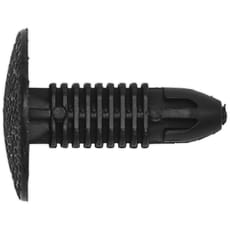
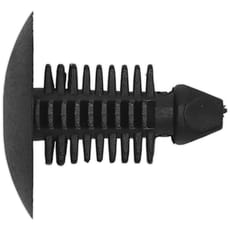
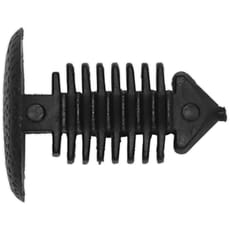
- Trim Clips: Specialised push-fit fasteners manufactured in plastic or metal for securing vehicle interior trim panels, exterior mouldings, undertray components and body panels. Available in numerous designs including Christmas tree, expanding and push-in types, often with vehicle manufacturer-specific specifications.
Who Uses Clips, O Rings, Pins & Springs?
- Motor Mechanics and Vehicle Technicians: Engine rebuilds, gearbox repairs, brake system servicing, suspension work and interior trim replacement
- Plant and Machinery Engineers: Hydraulic system maintenance, pneumatic equipment servicing, industrial machinery repair and component replacement
- Plumbers and Heating Engineers: Tap O ring replacement, valve assembly sealing, pump repairs and central heating system maintenance
- Agricultural Engineers: Tractor servicing, farm machinery maintenance, hydraulic implement repairs and seasonal equipment preparation
- Manufacturing and Production Facilities: Assembly line operations, preventative maintenance programmes, machine tool servicing and production equipment repair
- Maintenance Technicians: Multi-trade facility maintenance, equipment servicing and breakdown repair across commercial and industrial premises
- HGV and Commercial Vehicle Mechanics: Fleet maintenance, brake system overhauls, hydraulic tailgate repairs and cab mechanism servicing
- Marine Engineers: Boat engine maintenance, hydraulic steering systems, deck equipment and below-deck machinery servicing
- Bicycle Mechanics: Suspension fork servicing, hydraulic brake calliper maintenance and gear mechanism repairs
- DIY Enthusiasts and Hobbyists: Home repairs, classic vehicle restoration, general maintenance and small-scale engineering projects
How to Choose the Right Clips, O Rings, Pins & Springs
Accurate Dimensional Measurement: Precision matters critically with these components. Use digital callipers to measure existing parts accurately—for O rings you'll need both internal diameter and cross-section thickness, whilst circlips require exact shaft or bore diameter specifications. Even half a millimetre variance can result in components that won't fit, won't seal or won't retain properly. When replacing worn components, measure the groove or fitting rather than the damaged part which may have distorted.
Material Compatibility and Selection: Consider the operating environment, temperature range and fluid compatibility. Nitrile (NBR) O rings suit most general hydraulic and automotive applications with petroleum-based fluids, but high-temperature situations above 100°C require Viton or silicone materials. EPDM works better with water-based fluids and brake fluids. For circlips and pins, stainless steel offers superior corrosion resistance for marine, outdoor or corrosive environments, whilst carbon steel proves adequate and economical for dry, indoor industrial applications.
Application-Specific Requirements: Different component designs suit different purposes. Internal circlips retain bearings and components within housings, whilst external circlips secure items onto shafts. Split pins provide visible security that's easily inspected during maintenance checks—valuable for safety-critical fastenings on agricultural and construction equipment. Roll pins offer cleaner appearance but demand precisely sized holes. Consider whether your application involves vibration, thermal cycling, chemical exposure or hygiene requirements that might dictate material or design choices.
Standards and Quality Assurance: For critical applications in automotive, pressure systems, lifting equipment or machinery covered by insurance or certification requirements, ensure components meet relevant British Standards or industry specifications. Quality manufacturers provide materials certification and dimensional tolerances. The selection at Tooled-Up includes properly certified components suitable for professional applications where component failure could have safety or operational consequences.
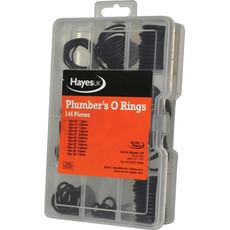
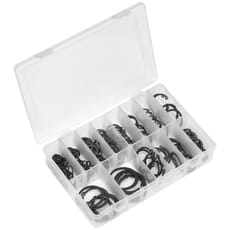
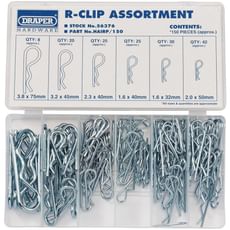
Quantity and Assortment Considerations: These components are frequently supplied in assorted kits covering common sizes or as bulk packs of single specifications. Workshop mechanics and maintenance technicians often benefit from comprehensive O ring assortment kits covering typical automotive and hydraulic sizes, providing immediate availability for varied repair work. Production environments or specialist applications may require bulk quantities of specific sizes. Consider your usage patterns—varied repair work suits assortments, whilst repeat maintenance tasks justify specific bulk purchasing.
Popular Accessories
- Circlip Pliers: Internal and external pattern pliers with interchangeable tips for safe installation and removal of retaining rings in various sizes
- O Ring Pick Sets: Precision hook and probe tools for removing O rings from grooves without scratching or damaging critical sealing surfaces
- Digital Callipers: Essential measuring instruments providing accuracy to 0.01mm for correctly identifying component dimensions and specifications
- Pin Punches and Drift Sets: Correctly sized punches for installing and removing roll pins without damaging component holes or pin surfaces
- Component Assortment Cases: Organised storage solutions from manufacturers like Stanley and Timco for keeping various sizes sorted and immediately accessible
- Assembly Lubricants and Greases: Specialist lubricants that facilitate O ring installation whilst providing initial lubrication and protecting against dry-start damage
- Thread Locking Compounds: Medium and high-strength threadlockers working alongside mechanical retention components to prevent loosening under vibration
- Spring Compressors: Safety equipment for controlled compression of coil springs in automotive suspension work and valve spring servicing
- Inspection Mirrors and Lighting: Essential for viewing circlip grooves, O ring seats and component locations in confined spaces during installation verification
Safety Information
Eye Protection is Mandatory: Always wear safety glasses conforming to EN166 standards when installing or removing circlips, split pins and springs. Circlips under tension can slip from pliers and become projectiles capable of causing serious eye injury. This risk increases significantly when working with corroded or damaged components that may fracture unexpectedly during removal. Never rely on prescription glasses alone—proper safety eyewear provides essential side protection.
Spring Handling Precautions: Compression springs store considerable energy proportional to their size and compression. Never position any part of your body in line with a compressed spring's potential release path. Use appropriate spring compressors designed for the application, particularly when working with vehicle suspension springs or valve springs which can cause severe crushing injuries or lacerations if released uncontrolled. Follow manufacturer's instructions and HSE guidance for mechanical energy hazards.
Correct Tool Usage: Use properly designed circlip pliers rather than improvising with screwdrivers, pliers or other unsuitable tools. Incorrect tools dramatically increase the risk of component failure, slippage and personal injury. Inspect circlip plier tips regularly for wear or damage—worn tips that don't locate securely in circlip holes are liable to slip under tension. Replace damaged or worn tools immediately.
Chemical and Material Safety: Some O ring materials, particularly certain synthetic rubbers, may cause skin sensitivity in susceptible individuals. When working with hydraulic systems, refer to COSHH data sheets for any fluids involved and use appropriate barrier creams or nitrile gloves. Ensure adequate ventilation when using threadlocking compounds or assembly lubricants, and avoid skin contact with uncured anaerobic adhesives.
Component Stress and Fatigue: Never exceed the design compression of springs or the expansion limits of circlips. Overstressing components can cause immediate failure or create latent damage resulting in premature failure during service. When reusing circlips (not recommended for critical applications), inspect carefully for deformation, cracking or loss of spring tension which indicate the component should be replaced rather than refitted.
Frequently Asked Questions
What's the difference between internal and external circlips and can I use the wrong type?
External circlips fit into grooves machined on the outside diameter of shafts, expanding outward to retain components like bearings or gears. Internal circlips fit into grooves inside bores or housings, compressing inward to secure components. These are not interchangeable—using the wrong type results in improper retention and potential component failure. You'll also need different circlip pliers for each type as they operate in opposite directions. Always verify which type your application requires by examining the groove location before purchasing replacements.
How do I accurately identify the correct O ring size for replacement?
O rings are specified by two critical dimensions: internal diameter (ID) and cross-section (CS) thickness, typically measured in millimetres in UK applications. Use digital callipers to measure an existing O ring's internal diameter and the thickness of the rubber cross-section. If the original O ring is damaged or missing, measure the groove dimensions—the O ring ID should closely match the groove diameter, and the cross-section should be approximately 1.5 times the groove depth to ensure proper compression and sealing. Many hydraulic and automotive applications follow standardised sizing such as AS568 or metric standards, which can help identify correct replacements.
Can circlips and split pins be safely reused or should they always be replaced?
Split pins should never be reused. The process of spreading the legs during initial installation work-hardens and weakens the material, and attempting to straighten and reuse them risks breakage and inadequate retention. Circlips can occasionally be reused if they're undamaged, uncorroded and retain full spring tension, but this practice isn't recommended for critical applications. Given their minimal cost relative to the consequences of failure, fitting new components represents the professional approach, particularly in automotive work, machinery applications or any safety-critical assembly where component failure could result in injury or significant equipment damage.
Why do O rings fail and what causes premature seal leakage?
O ring failure typically results from several common causes: material degradation due to age or heat exposure, chemical incompatibility between the elastomer and fluids contacted, physical damage during installation (particularly nicks or cuts from sharp edges), or improper sizing causing insufficient or excessive compression. Common failure signs include hardening, surface cracking, swelling or compression set (permanent deformation preventing the O ring returning to its original shape). Always ensure material compatibility—nitrile suits petroleum-based hydraulic oils, EPDM works better with water and glycol-based fluids, whilst Viton handles high temperatures and aggressive chemicals. Lightly lubricating O rings during installation and ensuring smooth, debris-free sealing surfaces significantly extends service life.
Are trim clip assortments universal or do I need vehicle-specific fasteners?
Trim clip design varies considerably between vehicle manufacturers, models and even model years, particularly for newer vehicles where proprietary designs are common. Whilst some basic push-fit designs offer reasonable universality across different makes, many applications require manufacturer-specific or even model-specific fasteners with particular head styles, shaft lengths or expanding mechanisms. If you're a mobile mechanic or workshop servicing multiple vehicle makes, a comprehensive assortment provides good coverage for common repairs and emergency situations. However, for planned work it's advisable to identify specific vehicle requirements beforehand to avoid broken clips during removal and frustrating delays waiting for correct replacements. Original fasteners removed carefully can often be reused if undamaged, unlike split pins and many other fastening components.