

Clothing Dryers
Pay in 3 interest-free payments on purchases from £30-2000 with  . Learn more.
 Loading...
End of content
Error - No more pages to load
About Clothing Dryers
Clothing dryers, encompassing washing lines, rotary dryers, and outdoor drying systems, provide an economical and environmentally-conscious solution for drying laundry without electricity costs. By harnessing natural airflow and sunlight, these practical household essentials eliminate the running costs associated with tumble dryers whilst delivering perfectly fresh, naturally-dried clothes, towels, and bedding. Whether you're equipping a family home with a traditional rotary dryer for the garden or installing a space-saving retractable line for a compact patio, selecting the right drying solution can transform laundry day efficiency whilst significantly reducing household energy bills.
Modern outdoor drying systems available from Tooled-Up.com come in various configurations to accommodate different properties and requirements. Rotary dryers feature multiple rotating arms that maximise drying capacity whilst occupying minimal ground space, typically offering between 30 and 60 metres of line capacity—ideal for suburban gardens and family households. Retractable lines and wall-mounted systems deliver flexible drying options for smaller outdoor areas, balconies, or courtyard spaces where permanent installations aren't practical. Quality outdoor drying products are manufactured from weather-resistant materials including galvanised steel, powder-coated aluminium, and UV-stabilised plastics, specifically engineered to withstand the demanding British climate year-round with minimal maintenance requirements.
For tradespeople involved in property development, renovation projects, or grounds maintenance work, understanding outdoor drying solutions proves valuable when advising homeowners or completing residential installations. These products represent a practical, sustainable alternative to energy-intensive appliances, and with proper installation using appropriate ground sockets and secure fixings, can deliver decades of reliable service. The growing emphasis on reducing household carbon footprints has renewed interest in traditional outdoor drying methods, making these products increasingly relevant across new-build developments and renovation projects alike.
Jargon Buster
- Rotary Dryer - A multi-armed washing line system that rotates around a central pole, maximising drying capacity whilst minimising ground footprint. Arms typically fold down when not required for convenient storage and garden clearance.
- Ground Socket - A metal sleeve permanently installed in the ground, allowing the rotary dryer pole to be inserted and removed as needed. Usually includes a protective cap to cover the socket when the dryer isn't positioned, maintaining a neat garden appearance.
- Line Capacity - The total length of washing line available for hanging laundry, measured in metres. A typical family household requires 30-50 metres of line capacity to accommodate regular washing loads efficiently.
- Galvanised Steel - Steel coated with a protective zinc layer to prevent rust and corrosion, essential for outdoor equipment exposed to rain, humidity, and temperature fluctuations typical of British weather conditions.
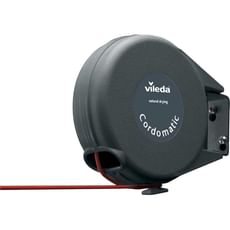
- Retractable Line - A space-saving washing line system that extends when needed and retracts into a compact housing unit when not in use, ideal for smaller gardens, balconies, or properties with limited outdoor space.
- UV-Stabilised - Materials specially treated to resist degradation from ultraviolet sunlight exposure, preventing brittleness, cracking, and discolouration over extended periods of outdoor use.
Who Uses Clothing Dryers?
Clothing dryers are utilised by a diverse range of users across residential and professional settings:
- Homeowners and Residents - Anyone with outdoor space seeking to reduce energy costs and dry laundry naturally
- Property Developers - Specifying outdoor drying solutions as standard amenities in residential developments
- Landlords and Letting Agents - Providing practical facilities for rental properties and improving tenant satisfaction
- Groundworkers and Landscapers - Installing ground sockets and positioning dryers as part of garden design and landscaping projects
- General Builders - Fitting outdoor drying facilities during home renovations, extensions, and new-build completions
- Property Maintenance Professionals - Repairing or replacing existing drying systems in residential and commercial properties
- Site Managers - Providing laundry drying facilities for site accommodation, welfare units, and temporary housing
- Caravan and Holiday Home Owners - Installing compact drying solutions for seasonal properties and leisure accommodation
- Retirement Housing Providers - Equipping communal garden areas with accessible drying facilities for residents
- Social Housing Managers - Maintaining outdoor drying facilities across housing estates and multi-occupancy developments
How to Choose the Right Clothing Dryers
Selecting the appropriate clothing dryer requires careful consideration of several practical factors:
Available Space: Measure your outdoor area accurately before purchasing. Rotary dryers require clearance when fully extended—typically a circular space of 2-3 metres diameter. Consider vertical clearance as well, ensuring adequate space beneath the lines when the dryer is raised to working height. Account for surrounding plants, fencing, or structures that might obstruct the rotating arms. Retractable lines suit narrow spaces, balconies, or small courtyards where rotary models would prove impractical.
Line Capacity Requirements: Calculate your household's typical washing load volume. A family of four generally requires 40-50 metres of line capacity for a full week's laundry, including bedding and towels. Rotary dryers typically offer 30-60 metres depending on the number of arms, whilst retractable lines provide 10-30 metres depending on the model and installation distance. Larger households or those washing bulky items regularly should prioritise higher capacity models.
Installation Method: Decide between permanent and removable installation options. Ground sockets allow rotary dryers to be removed when not needed, maintaining clear garden space for activities, entertaining, or lawn maintenance. Wall-mounted retractable lines require secure fixings into solid masonry or timber framing—check wall construction before purchasing. Consider ground conditions for rotary installations: heavy clay soil or loose sandy ground may require concrete foundations for adequate stability, particularly in exposed locations prone to high winds.
Material Quality and Durability: The Tooled-Up range includes models constructed from galvanised or powder-coated steel frames that resist corrosion, aluminium components offering lightweight durability, and UV-stabilised plastic parts. PVC-coated lines prove gentler on delicate fabrics than bare wire alternatives and resist fraying. Quality materials ensure longevity in the variable British climate, with premium models easily providing 10-15 years of service when properly maintained.
Height Adjustment Features: Many rotary dryers feature telescopic or raising mechanisms, allowing height adjustment for comfortable loading and raising clothes clear of pets or garden activity. This feature proves particularly valuable for users with mobility considerations or back problems, eliminating unnecessary bending and stretching during loading and unloading.
Operational Convenience: Consider day-to-day usability factors. Can the dryer be easily collapsed or folded for storage? Does it rotate smoothly on its central bearing? Are replacement parts readily available? Quality models from established manufacturers typically offer better long-term support, spare parts availability, and warranty coverage compared to budget alternatives.
Popular Accessories
- Ground Sockets - Metal sleeves for permanent installation, allowing removable dryer positioning with protective caps for safety
- Protective Covers - Weather-resistant covers protecting rotary dryers during winter months or extended periods of non-use
- Replacement Line Cord - PVC-coated or standard replacement washing line supplied by the metre for repairs
- Peg Bags - Convenient storage solutions for clothes pegs, often featuring hanging hooks for attachment to dryer frames
- Heavy-Duty Pegs - Wind-resistant clothes pegs designed to withstand breezy British conditions without releasing
- Concrete Mix - Quick-setting concrete for secure ground socket installation and foundation work
- Spike Supports - Additional ground anchors stabilising rotary dryers on softer ground or lawns
- Line Tighteners - Tension adjustment mechanisms maintaining taut washing lines and preventing sagging
- Spirit Levels - Essential tools ensuring vertical installation of rotary dryer poles for optimal operation
- Breeze Blocks - Temporary weighting for portable dryer models in windy conditions
Frequently Asked Questions
How deep should I install a ground socket for a rotary dryer?
Ground sockets should typically be installed 450-600mm deep in a concrete foundation approximately 300mm in diameter. This provides adequate stability for a fully-loaded dryer, especially in windy conditions common across the UK. Always check the manufacturer's specific installation instructions, as requirements vary by model, dryer size, and soil type. Clay soils generally provide better natural support than sandy or loose soils, which may require deeper installation or larger concrete footings.
Can I leave my rotary dryer up permanently throughout the year?
Whilst quality rotary dryers are engineered for year-round outdoor exposure, collapsing or removing them during winter months or extended periods of non-use will significantly extend their operational lifespan. This practice prevents unnecessary weathering from frost, snow, and winter storms, and reduces wind loading that can stress components, bearings, and foundations. If permanent installation is preferred, consider using a protective cover during winter months to shield the mechanism from the harshest conditions.
How much washing can a typical rotary dryer accommodate?
A rotary dryer with 40-50 metres of line capacity can typically accommodate 2-3 full washing machine loads simultaneously, depending on item types. Weight capacity is equally important—quality models can support 40-50kg of wet laundry when properly installed, equivalent to several loads of heavy items like towels, bedding, or work clothing. Avoid overloading beyond the manufacturer's stated capacity, as this can strain the rotating mechanism and potentially damage the central pole or ground socket.
What's the difference between 3-arm and 4-arm rotary dryers?
The number of arms determines the dryer's configuration and total line capacity. Four-arm models offer greater line length within the same diameter footprint, making them more space-efficient for larger households with substantial laundry requirements. Three-arm models provide adequate capacity for smaller households and may be better balanced when partially loaded. Four-arm designs typically offer 45-60 metres of line capacity compared to 30-40 metres for three-arm equivalents of similar diameter.
Do I need planning permission to install a rotary dryer in my garden?
Generally, planning permission is not required for installing a standard domestic rotary dryer, as it's considered permitted development under UK planning regulations. However, if you reside in a conservation area, listed building, or property with restrictive covenants, it's advisable to check with your local planning authority or property management company before installation. Some developments and leasehold properties have specific restrictions on external installations that could affect dryer placement.