

Cloths & Sponges
Pay in 3 interest-free payments on purchases from £30-2000 with  . Learn more.
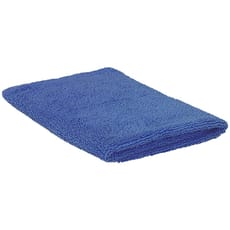
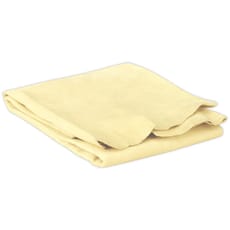
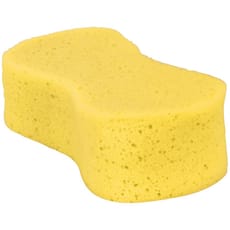
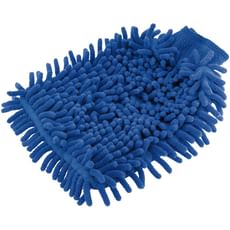
 Loading...
End of content
Error - No more pages to load
About Cloths & Sponges
Professional cleaning results depend on using the right materials for the job. Whether you're a vehicle technician maintaining workshop cleanliness, a professional valeter achieving showroom finishes, or a tradesperson keeping tools and equipment in pristine condition, specialist cloths and sponges deliver superior performance compared to household alternatives. This category encompasses everything from ultra-absorbent microfibre cleaning cloths and traditional genuine chamois leather to heavy-duty paper towel rolls and synthetic sponges designed for demanding professional environments.
The selection at Tooled-Up.com includes products from trusted manufacturers including Sealey, U-Care, Draper, Kärcher, and Everbuild—brands recognised across the UK for producing durable, professional-grade cleaning materials. High-quality microfibre cloths feature advanced split-fibre technology that lifts dirt without scratching delicate surfaces, whilst genuine chamois leather provides streak-free drying that's essential for automotive detailing. For workshop environments where oil and grease are common, industrial-strength paper towel rolls offer convenient disposable solutions without the hassle of laundering contaminated materials.
Investing in proper cleaning cloths and sponges isn't just about aesthetics—it's about protecting valuable surfaces from scratches, reducing cleaning time, and achieving consistently professional results. From microfibre wash mitts with chenille fibres that trap dirt particles to stockinette cloths for general workshop wiping, having the right material for each specific task prevents damage, improves efficiency, and ensures that paintwork, glass, polished metals, and equipment surfaces remain in excellent condition.
Jargon Buster
- Microfibre - Ultra-fine synthetic fibres typically made from polyester and polyamide, up to 100 times finer than human hair. The split fibres create millions of tiny hooks that trap dirt, dust, and moisture more effectively than conventional materials, enabling effective cleaning with minimal or no chemicals.
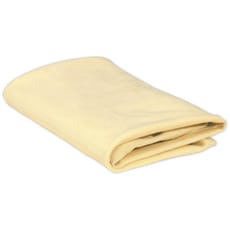
- Chamois Leather - Natural leather traditionally made from sheep or goat skin that's been oil-tanned to create an incredibly soft, absorbent material. Genuine chamois can hold up to 10 times its weight in water and provides streak-free drying, making it ideal for vehicle valeting and glass cleaning tasks.
- GSM (Grams per Square Metre) - A measurement of cloth density and quality. Higher GSM microfibre cloths (300-400 GSM) are thicker, more absorbent, and more durable, whilst lower GSM cloths (200-250 GSM) are thinner and better suited for glass cleaning and polishing applications.
- Stockinette - A tubular knitted fabric, often made from cotton or mixed fibres, that's highly absorbent and lint-free. Popular in workshops and garages for general cleaning and wiping tasks where you need a reliable, economical cleaning cloth that won't leave residue.
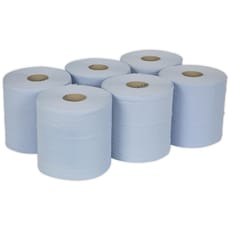
- 2-Ply Paper Towel - Industrial-strength paper towels consisting of two bonded layers for extra strength and absorbency. Essential for workshop environments where you need disposable cloths for oil, grease, and heavy-duty cleaning tasks without the hassle of laundering contaminated materials.
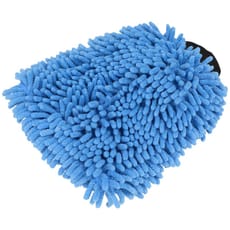
- Chenille Microfibre - Microfibre material with a distinctive shaggy, noodle-like texture that creates extra surface area for trapping dirt and holding water. Particularly effective for wash mitts and general cleaning where maximum dirt-lifting capability is required.
Who Uses Cloths & Sponges?
- Vehicle Technicians and Mechanics - for cleaning tools, wiping down engines, and maintaining workshop cleanliness standards
- Professional Valeters and Detailers - for washing, drying, and polishing vehicles to showroom condition without scratching paintwork
- Body Shop Technicians - for paint preparation, panel wiping, and ensuring dust-free finishing environments
- Fleet Maintenance Professionals - for keeping commercial vehicles clean, presentable, and maintaining company image
- Mobile Valeting Services - requiring portable, effective cleaning materials for on-site work at customer locations
- Workshop and Factory Maintenance Staff - for general cleaning, equipment maintenance, and housekeeping duties
- Plant and Machinery Operators - for cleaning cabs, windows, and equipment surfaces to maintain visibility and safety
- Building and Construction Tradespeople - for cleaning tools, wiping down surfaces, and maintaining site cleanliness
- DIY Enthusiasts and Home Mechanics - for vehicle maintenance, garage cleaning tasks, and home improvement projects
- Caravan and Motorhome Owners - for maintaining vehicle exteriors, interiors, and keeping leisure vehicles in top condition
How to Choose the Right Cloths & Sponges
Consider the Surface Type: Delicate surfaces like vehicle paintwork, glass, and polished metals require soft, non-abrasive materials to prevent scratching. Microfibre cloths and genuine chamois leather are ideal for these applications, whilst synthetic sponges and stockinette cloths work well for general workshop cleaning and less sensitive surfaces that can tolerate more robust treatment.
Match Material to Task: Different cleaning jobs demand different materials for optimal results. Microfibre wash mitts excel at vehicle washing with their dirt-trapping fibres, traditional sponges are perfect for general cleaning with soapy water, chamois leather provides streak-free drying on glass and paintwork, and heavy-duty paper towel rolls handle oil and grease in workshop environments. Having a variety of cleaning materials ensures you're always using the right tool for each specific job.
Assess Absorbency Requirements: For drying tasks, absorbency is paramount to prevent water spots and reduce drying time. Genuine chamois leather and high-GSM microfibre cloths offer superior water retention, making them invaluable for vehicle valeting. For general wiping and dusting, standard microfibre or stockinette provides adequate absorbency at lower cost, making them economical choices for everyday workshop use.
Evaluate Durability and Laundering: Microfibre cloths and chamois leather are reusable investments that, with proper care, last through hundreds of washes whilst maintaining their performance. Paper towels and disposable cloths suit tasks involving oils, solvents, or contaminants you don't want in your washing machine. Consider your workflow, cleaning frequency, and whether reusable or disposable options make more economic sense for your specific applications.
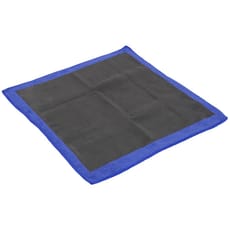
Check Size and Coverage: Larger cloths and wash mitts cover more surface area quickly, improving efficiency on big jobs like vehicle washing or workshop cleaning. Smaller cloths offer better control for detailed work, tight spaces, and intricate cleaning tasks. Specialist products like clay bar cloths provide purpose-designed surface preparation, whilst demister pads are sized specifically for windscreen clearing without bulk.
Brand Quality Matters: Established brands like Sealey, Draper, U-Care, and Kärcher have proven track records for producing cloths and sponges that maintain their performance through repeated use in professional environments. Products available from Tooled-Up.com meet the quality standards demanded by UK tradespeople. Cheaper alternatives may seem economical initially but often deteriorate quickly, lose absorbency, or potentially scratch surfaces, ultimately costing more in replacements and repairs.
Popular Accessories
- Car Shampoo and Cleaning Solutions - pH-neutral formulas designed to work effectively with microfibre and chamois materials without damaging fibres
- Wash Buckets and Grit Guards - prevent dirt recontamination when rinsing cloths and mitts, protecting surfaces from scratches
- Clay Bars - used with specialist clay bar cloths for paint decontamination and removing bonded surface contaminants
- Wax and Polish Products - applied and buffed with specific microfibre applicators and cloths for professional finishing
- Detailing Brushes - complement cloths for intricate cleaning work in badges, grilles, and tight spaces
- Pressure Washers - initial cleaning stage before hand washing with mitts and cloths removes loose dirt safely
- Bucket Caddies and Storage Solutions - organise cleaning materials for mobile work and keep products protected when not in use
- Glass Cleaners - paired with microfibre glass cloths for streak-free, crystal-clear results on windows and mirrors
- Workshop Roll Holders - wall-mounted dispensers for paper towel rolls provide convenient access in busy workshop environments
- Laundry Detergent - specialist cleaners for washing microfibre cloths without fabric softener that would clog fibres
Frequently Asked Questions
How do I care for microfibre cloths to maintain their effectiveness?
Wash microfibre cloths separately from other laundry using a mild detergent without fabric softener, which clogs the fibres and dramatically reduces absorbency. Use warm water not exceeding 60°C and avoid tumble drying on high heat settings. Never use bleach or fabric conditioners on microfibre materials. Air drying or low-heat tumble drying preserves the microfibre structure and split-fibre technology. Properly maintained microfibre cloths can last through 500+ washes whilst retaining their dirt-trapping and cleaning properties, making them excellent long-term investments.
What's the difference between genuine and synthetic chamois leather?
Genuine chamois leather is made from natural animal hide that's been specially oil-tanned, offering superior absorbency, durability, and a soft touch that won't scratch delicate surfaces. It can absorb up to 10 times its weight in water and lasts for years with proper care and conditioning. Synthetic chamois (often PVA-based) is more affordable and easier to maintain but generally less absorbent and durable than genuine leather. For professional valeting work and show-quality finishes, genuine chamois remains the gold standard preferred by experienced detailers across the UK.
Can I use the same cloth for washing and drying my vehicle?
No, you should always use separate cloths for washing and drying to prevent scratches and swirl marks. Washing mitts or cloths pick up dirt particles which, even after thorough rinsing, can remain trapped in fibres and scratch paintwork if used for the drying stage. Keep dedicated wash mitts for applying shampoo and agitating dirt, and use completely separate microfibre drying towels or chamois leather for drying. This prevents cross-contamination and ensures a professional, scratch-free finish that maintains paint condition.
Are microfibre cloths suitable for all cleaning tasks?
Whilst microfibre is incredibly versatile and effective for most applications, it's not ideal for every situation. Microfibre excels at dusting, polishing, glass cleaning, and general surface wiping without chemicals. However, for heavy workshop degreasing, solvent wiping, or disposing of contaminated materials, paper towels or disposable cloths are more practical and hygienic choices. Microfibre can also be damaged by harsh chemicals, excessive heat above 60°C, or sharp contaminants, so always match your cloth material to the specific task requirements and potential hazards involved.
How often should I replace cleaning cloths and sponges?
Quality microfibre cloths and genuine chamois leather can last several years with proper care and regular maintenance. Replace them when they become permanently stained, lose absorbency despite proper washing, develop tears or rough patches, or feel scratchy to the touch. Synthetic sponges should be replaced when they start to crumble, lose their shape, retain odours despite cleaning, or show signs of deterioration. Paper towel rolls and disposable cloths are single-use by nature. For professional use, inspect reusable cloths regularly before each job and retire any that might scratch surfaces or compromise cleaning quality.