
Cloths & Sponges

Pay in 3 interest-free payments on purchases from £20-£3000 with  . Learn more.

Loading...
End of content
Error - No more pages to load
About Cloths & Sponges
Professional cleaning cloths and sponges are indispensable tools for tradespeople, automotive specialists, and facilities maintenance professionals who require superior cleaning performance and reliable results. Whether preparing surfaces for painting, maintaining workshop equipment, carrying out detailed vehicle valeting, or ensuring spotless finishes on glass and polished surfaces, selecting the appropriate cleaning cloth makes the difference between an adequate job and truly professional standards. Modern cleaning materials have evolved significantly beyond traditional cotton rags, with advanced fabrics like microfibre, PVA chamois, and genuine chamois leather offering specialist properties tailored to specific applications and surface types.
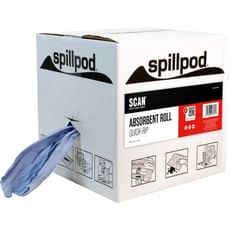
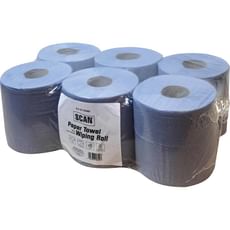
The selection available from Tooled-Up.com includes products from trusted brands such as Sealey, Karcher, Draper, Portwest, and Scan, each engineered for durability and consistent performance in demanding work environments. From ultra-absorbent PVA chamois cloths for automotive detailing to heavy-duty paper towel rolls for workshop cleaning, these products withstand frequent use whilst maintaining their effectiveness over time. Microfibre cleaning cloths deliver lint-free results perfect for glass, paintwork, and sensitive surfaces, whilst traditional chamois leather remains unmatched for achieving streak-free finishes on vehicles and windows. Professional-grade cleaning materials also include specialist options such as cooling towels for heat stress relief during physically demanding work and viscose towels for pet grooming applications.
Choosing the right cleaning cloth not only improves efficiency but also protects work surfaces and equipment from scratches, swirl marks, and damage. Professional-grade cloths are designed for reusability, offering excellent value for money whilst reducing waste on site. Whether working in construction, automotive repair, facilities management, or precision engineering, having appropriate cleaning materials readily available is essential for maintaining professional standards, ensuring optimal results, and building a reputation for quality workmanship.
Jargon Buster
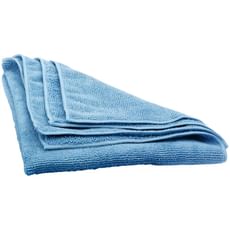
- Microfibre – Synthetic fabric composed of extremely fine fibres (typically polyester and polyamide) that create millions of tiny hooks to trap dirt, dust, and moisture effectively. Microfibre cloths clean efficiently without chemicals and leave no lint residue, making them ideal for glass, screens, polished surfaces, and automotive paintwork.
- PVA Chamois – Polyvinyl alcohol synthetic chamois offering exceptional absorbency, typically holding many times its own weight in water. These cloths resist mildew and bacteria, can be wrung out repeatedly, and provide consistent performance without the maintenance requirements of genuine leather chamois.
- GSM (Grams per Square Metre) – The measurement used to indicate the density and quality of cleaning cloths. Higher GSM values (300-400+) indicate thicker, more absorbent cloths suitable for heavy-duty applications and automotive detailing, whilst lower GSM cloths are lighter and better suited to delicate cleaning tasks.
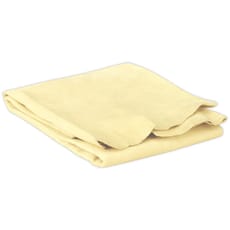
- Genuine Chamois Leather – Natural leather processed from sheep or goat skin that provides superior absorbency and a scratch-free finish. Traditional choice for automotive detailing and window cleaning, requiring proper maintenance including damp storage to prevent hardening and cracking.
- Viscose – A semi-synthetic fabric derived from wood pulp offering excellent absorbency and softness. Viscose towels are particularly effective for pet grooming and drying applications, as the material is gentle yet highly efficient at moisture removal.
- 2-Ply – Paper products constructed from two layers bonded together, providing increased strength, absorbency, and durability compared to single-ply alternatives. Essential for workshop environments where robust, disposable wiping materials are required for oils, solvents, and general cleaning.
Who Uses Cloths & Sponges?
- Automotive Technicians & Valeters – for vehicle cleaning, polishing, and detailing work requiring scratch-free finishes
- Painters & Decorators – for surface preparation, wiping down paintwork, and general workshop cleaning
- Facilities Maintenance Teams – for routine cleaning and maintenance across commercial and industrial premises
- Window Cleaners – for achieving streak-free results on glass and polished surfaces
- Construction Workers – for cleaning tools, equipment, and work surfaces on site
- Manufacturing & Engineering Professionals – for maintaining clean work areas and wiping down machinery
- Catering & Hospitality Staff – for kitchen cleaning, surface preparation, and hygiene maintenance
- Marine & Caravan Maintenance Specialists – for cleaning and maintaining vehicles in challenging environments
- DIY Enthusiasts – for home improvement projects, vehicle maintenance, and general household tasks
- Agricultural Workers – for equipment cleaning and maintenance in farming environments
How to Choose the Right Cloths & Sponges
Material Selection: Consider the surface you'll be cleaning and choose appropriate materials accordingly. Microfibre cloths are ideal for glass, screens, and polished surfaces where lint-free results are essential. Genuine chamois leather provides superior results for automotive detailing but requires proper maintenance. PVA chamois offers similar performance with easier care, whilst paper towel rolls suit disposable applications where hygiene is paramount or cross-contamination must be avoided.
Absorbency Requirements: Evaluate how much liquid your tasks involve. High-GSM microfibre and PVA chamois cloths offer exceptional water-holding capacity for drying vehicles or mopping up substantial spills. For general workshop cleaning, standard paper towel rolls provide adequate absorbency for most applications whilst remaining cost-effective for high-volume use throughout the working day.
Reusability vs Disposability: Reusable cloths like microfibre, genuine chamois, and PVA chamois offer long-term value and environmental benefits, withstanding hundreds of wash cycles when properly maintained. Disposable paper towels suit applications where cross-contamination is a concern or where laundering isn't practical, such as on construction sites or in workshops handling oils, solvents, and other chemicals.
Durability & Longevity: Professional-grade cloths from established brands like Sealey, Draper, and Karcher are engineered for demanding trade use. Check specifications for washing temperature tolerances, chemical resistance, and expected lifespan. Quality microfibre cloths should maintain their effectiveness through at least 300-500 wash cycles without deterioration in performance.
Size & Coverage: Larger cloths (typically 400mm x 400mm or greater) suit vehicle valeting and large surface areas, whilst smaller cloths work better for detailed cleaning and confined spaces. Consider purchasing multiple sizes for different applications rather than compromising with a single general-purpose option that may not excel at any specific task.
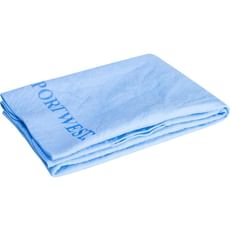
Specialist Features: Some cloths offer additional benefits such as cooling properties (useful for outdoor work in warm conditions), antibacterial treatments, or colour-coding systems for hygiene-critical environments. Portwest cooling towels, for example, provide heat stress relief during physically demanding work, whilst colour-coded microfibre systems help prevent cross-contamination in catering or healthcare settings where hygiene standards are paramount.
Popular Accessories
- Cleaning Chemicals & Detergents – surface cleaners, degreasers, and polish appropriate for your cloth type and intended surfaces
- Spray Bottles – for applying cleaning solutions evenly and economically across surfaces
- Buckets & Washing Containers – for soaking and rinsing reusable cloths during use
- Storage Bags & Containers – for keeping clean cloths organised and protecting them from contamination
- Protective Gloves – for handling cleaning chemicals and protecting hands during extended cleaning tasks
- Laundry Bags – mesh bags for washing microfibre cloths without contamination from other items
- Squeegees & Wipers – complementary tools for achieving professional finishes on glass and smooth surfaces
- Paper Towel Dispensers – wall-mounted or portable dispensers for workshop and site use
Frequently Asked Questions
How should I care for microfibre cleaning cloths to maintain their effectiveness?
Wash microfibre cloths separately from other laundry at temperatures up to 60°C without fabric softener, which clogs the fibres and reduces absorbency. Avoid bleach and high-heat drying as these damage the fibre structure. Air drying or tumble drying on low heat preserves performance. Never iron microfibre cloths. When properly maintained, quality microfibre cloths from Tooled-Up should remain effective through hundreds of wash cycles without significant performance deterioration.
What's the difference between genuine chamois leather and PVA chamois?
Genuine chamois leather offers traditional performance with excellent absorbency and a luxurious feel, but requires careful maintenance including storage whilst damp to prevent hardening and cracking. PVA chamois provides similar absorbency and scratch-free cleaning whilst being resistant to mildew, easier to maintain, and generally more affordable. Both are excellent choices for automotive work; selection depends on personal preference, budget, and maintenance convenience.
Can I use the same cloth for different cleaning tasks?
Whilst possible, it's best practice to dedicate specific cloths to particular tasks to prevent cross-contamination and maintain optimal performance. Use separate cloths for glass cleaning, bodywork polishing, and general workshop cleaning. In hygiene-critical environments, implement a colour-coding system to eliminate confusion. This approach extends cloth lifespan and ensures consistently professional results across all applications.
How many cleaning cloths should I keep in my workshop or van?
Professional tradespeople typically maintain a rotation of at least 6-12 microfibre cloths plus specialist items like chamois leather or cooling towels. This allows for continuous work whilst some cloths are being laundered. For construction sites or workshops, keep adequate paper towel supplies to handle unexpected spills and general cleaning throughout the working day without running short during critical tasks.
Are expensive professional cleaning cloths worth the investment compared to budget alternatives?
Professional-grade cloths from brands like Sealey, Draper, and Karcher offer superior durability, consistent performance, and longer lifespans that justify the higher initial cost. Budget cloths often deteriorate rapidly, lose absorbency after fewer washes, and may leave lint or scratches on sensitive surfaces. For tradespeople whose reputation depends on quality results, investing in proper cleaning materials is essential and proves more economical over time through reduced replacement costs.