

Clout Nails

Pay in 3 interest-free payments on purchases from £20-£3000 with  . Learn more.
 Loading...
End of content
Error - No more pages to load
About Clout Nails
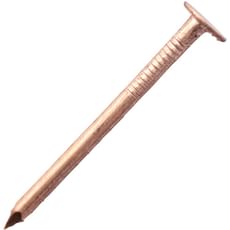
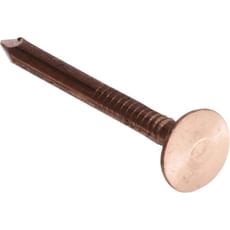
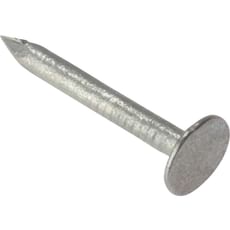
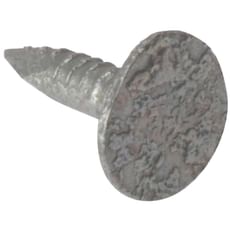
Clout nails are specialist short-shanked fasteners featuring distinctively wide, flat heads designed specifically for securing roofing felt, bitumen sheets, and flexible roofing membranes. The oversized head—typically 10-14mm in diameter—distributes load across a broader surface area, preventing the nail from pulling through softer materials whilst providing reliable holding power in roofing applications. This makes clout nails the preferred choice for roofing contractors, builders, and DIY enthusiasts working on sheds, garages, outbuildings, and other structures requiring weatherproof felt coverings. Unlike standard wire nails that can easily tear through delicate roofing membranes, the clout head design ensures secure fixing without compromising the integrity of the waterproof barrier.
Available in both galvanised steel and copper variants, clout nails offer different performance characteristics to suit varying budgets, environments, and project specifications. Galvanised clout nails provide excellent corrosion resistance for standard UK weather conditions through their protective zinc coating, making them ideal for typical garden sheds, garage roofs, and general roofing felt applications. Copper clout nails deliver superior longevity and natural oxidation resistance, developing a protective patina over time rather than rusting. This makes copper variants particularly valuable for coastal locations where salt air accelerates corrosion, premium installations requiring extended lifespan, or visible applications where aesthetic appearance matters.
The range at Tooled-Up.com includes professional-grade clout nails from trusted manufacturers including Forgefix and Timco, available in various shank lengths from 13mm to 40mm. Whether you're installing new roofing felt on a garden office, repairing an existing shed roof, or undertaking larger-scale commercial roofing projects, selecting the correct clout nail specification ensures weatherproof, long-lasting results. Proper nail selection—considering material type, shank length, and head size—directly impacts the durability and weather resistance of the entire roofing installation.
Jargon Buster
- Clout Head: The characteristic wide, flat head design measuring 10-14mm in diameter, engineered to prevent pull-through on flexible roofing materials by distributing fixing loads across a larger surface area compared to standard nail heads.
- Galvanised Finish: A protective zinc coating applied to steel nails through hot-dip or electro-galvanising processes. The zinc layer sacrifices itself to protect the underlying steel from rust and corrosion in outdoor weathering conditions.
- Copper Clout: Nails manufactured entirely from copper rather than coated steel, offering exceptional weather resistance and longevity. Copper naturally develops a protective greenish patina over time, preventing further oxidation without compromising structural strength.
- Shank Length: The measurement from beneath the nail head to the point tip. Clout nails typically feature shorter shanks (13-40mm) compared to standard wire nails, as they're designed for securing thinner roofing membranes to timber battens rather than heavy structural applications.
- Roofing Felt: Also known as bitumen felt or shed felt, this waterproof membrane is the primary material secured using clout nails. The large nail head prevents tearing damage to this relatively soft, flexible material during installation and throughout its service life.
- Wire Gauge: The thickness measurement of the nail shank, determining the fastener's strength and holding power. Thicker gauges provide greater pull-out resistance and structural integrity but require more force to drive home and carry higher risk of splitting thinner timber battens.
Who Uses Clout Nails?
Clout nails are essential fasteners for various trades and applications:
- Roofing contractors: Securing felt underlays, bitumen sheets, temporary weather protection, and roofing membranes on residential and commercial projects
- General builders: Installing waterproof membranes on extensions, garage conversions, outbuildings, and garden structures
- Carpenters and joiners: Fixing shed felts, weather-proofing timber constructions, and securing protective coverings on outdoor joinery
- Groundskeepers and estate managers: Maintaining garden buildings, park shelters, sports pavilions, and outdoor facility roofing
- Agricultural workers: Repairing barn roofs, stable blocks, farm outbuildings, and agricultural storage structures
- Property maintenance teams: Conducting routine repairs to flat roofs, felt-covered surfaces, and weather-damaged roofing
- DIY enthusiasts: Home improvement projects including shed construction, garden office installations, summerhouse roofing, and garage roof repairs
- Fencing contractors: Securing gravel boards, weather protection strips, and capping to fence structures and boundary installations
How to Choose the Right Clout Nails
Material Selection: Galvanised clout nails suit most standard applications, offering excellent value with reliable corrosion protection for typical UK weather conditions. They're ideal for garden sheds, garages, and outbuildings where cost-effectiveness matters. Choose copper clout nails for superior longevity, coastal locations exposed to salt air, premium installations requiring extended lifespan, or visible applications where aesthetic appearance is important. Copper won't streak or rust-stain adjacent materials as it ages, making it the professional choice for higher-specification projects.
Shank Length Calculation: Select nail length based on your substrate thickness and roofing felt depth. The shank should penetrate at least 20mm into the timber batten beneath the felt membrane for secure fixing. Common lengths include 13mm for thin applications, 19mm for standard shed felt, 25mm for typical installations, and 40mm for thicker membranes or deeper battens. Measure your roofing felt thickness and batten depth before purchasing—nails that are too short risk inadequate holding power and premature failure, whilst unnecessarily long nails waste money and may split thinner timber.
Head Size Considerations: Larger heads distribute pressure more effectively across delicate roofing materials, reducing the risk of tearing through soft bitumen felt. Standard clout nails feature 10-12mm heads suitable for most applications, whilst heavier-duty options with larger heads provide enhanced holding power for thicker membranes, high-exposure locations, or particularly soft materials prone to pull-through.
Quantity Requirements: Calculate coverage based on recommended spacing—typically fixing nails every 50-75mm along felt edges and at 150-200mm centres across the main field areas. Measure your roof area and calculate accordingly, then add 10-15% extra to account for bent nails, fixing errors, and future repairs. Tooled-Up stocks clout nails in various pack sizes to suit both small DIY projects and larger professional installations.
Brand Quality: Professional manufacturers like Forgefix and Timco produce clout nails to consistent specifications with quality control ensuring uniform head size, straight shanks, and reliable protective finishes. This consistency matters significantly when fixing hundreds of nails—poorly manufactured fasteners lead to timber splitting, nail bending, wasted time on site, and compromised weatherproofing performance.
Popular Accessories
- Roofing felt and bitumen sheets: The primary waterproof membrane material secured using clout nails
- Claw hammers: Essential driving tools from Stanley or Estwing for efficient nail installation
- Felt adhesive: Bitumen-based adhesive for sealing laps, edges, and creating weatherproof joints
- Roofing battens: Pressure-treated timber providing the fixing substrate for clout nails
- Nail bags and tool belts: Options from Snickers or DeWalt for keeping fasteners accessible whilst working at height
- Knee pads: Essential PPE from brands like Scruffs for comfortable roofing work on pitched surfaces
- Measuring tapes and chalk lines: Marking accurate fixing positions and maintaining straight courses during installation
- Tin snips or felt knives: Cutting roofing materials to size and trimming around obstructions
- Work gloves: Protecting hands from sharp nail points, rough timber battens, and bitumen materials
- Safety glasses: Eye protection against flying nail fragments and debris during hammering
Safety Information
Personal Protective Equipment: Always wear safety glasses or goggles when hammering clout nails to protect against flying metal fragments, nail tips, and timber splinters. Steel toe-capped boots prevent injury from dropped hammers, nail boxes, or falling materials. Work gloves reduce the risk of splinters from timber battens and cuts from sharp felt edges whilst improving grip in damp conditions. Knee pads provide essential protection and comfort during extended roofing work.
Working at Height: Roofing applications typically involve ladders, scaffolding, or direct roof access. Follow HSE guidance for working at height, ensuring ladders are properly secured at the correct angle, scaffolding is erected by competent persons with appropriate guardrails, and suitable fall protection measures are implemented. Never overreach when fixing nails—reposition your ladder or platform regularly to maintain safe working positions. Ensure someone knows you're working at height and check weather forecasts before starting.
Tool Safety: Maintain hammers in good condition with securely attached heads and undamaged handles. A loose hammer head poses serious injury risk, particularly when working above ground level. Store unused nails securely in closed containers to prevent puncture injuries and spillage hazards. Be mindful of protruding nail points in waste material, off-cuts, and removed felt—dispose of sharp materials carefully to prevent injury to yourself and others.
Weather Conditions: Avoid roofing work during high winds, rain, or icy conditions. Wet roof surfaces become dangerously slippery, and wind can destabilise both workers and loose materials. Plan roofing projects during suitable weather windows and have temporary weatherproofing materials available if conditions deteriorate unexpectedly. Cold weather makes bitumen felt brittle and prone to cracking, whilst hot weather makes it soft and prone to tearing—moderate temperatures produce best installation results.
Frequently Asked Questions
What's the difference between galvanised and copper clout nails?
Galvanised clout nails feature a protective zinc coating over a steel core, offering good corrosion resistance at an economical price point suitable for most standard roofing felt applications in typical UK weather conditions. Copper clout nails are manufactured entirely from solid copper, providing superior weather resistance, significantly longer lifespan, and no risk of rust staining on adjacent materials. Copper costs more initially but can outlast galvanised alternatives by many years, particularly in harsh coastal environments exposed to salt air or on premium roofing projects where longevity justifies the investment. Copper also maintains aesthetic appeal, developing an attractive patina rather than showing rust deterioration.
How many clout nails do I need for my shed roof?
Calculate requirements based on felt edges needing fixings every 50-75mm, and field areas requiring nails at approximately 150-200mm centres across the surface. As a rough guide, a standard 6×4ft shed roof typically requires 150-200 clout nails for secure installation. For greater accuracy, measure your total roof area and calculate based on the recommended spacing specified by your roofing felt manufacturer—check their technical data sheets for precise guidance. Always purchase 10-15% extra to account for bent nails during installation, fixing errors, and having spares available for future repairs or felt adjustments.
Can I use clout nails with a nail gun?
Traditional loose clout nails are designed for hand-driven application using a standard claw hammer. Whilst specialist roofing nailers exist for high-volume professional work, these pneumatic or gas-powered tools use specific collated strips of compatible fasteners rather than individual loose clout nails. For typical shed roofing and small-scale projects, hand nailing with a quality hammer remains the most practical and cost-effective method, offering better control over driving depth and preventing damage to brittle felt in cold weather conditions.
Will galvanised clout nails rust on my shed roof?
Quality galvanised clout nails from professional manufacturers like Forgefix and Timco provide reliable corrosion protection for standard UK weather conditions over many years of service. The sacrificial zinc coating protects the underlying steel from moisture and oxidation, though extreme long-term exposure to severe weather may gradually degrade the finish over decades. For typical garden sheds, garages, and outbuildings in normal environments, galvanised nails offer excellent durability and value. Upgrade to copper clout nails for coastal properties within a few miles of the sea, buildings near chemical exposure, or where maximum longevity is required for more permanent or high-value structures.
What size clout nails should I use for standard roofing felt?
For typical shed felt installed over 12-19mm timber battens, 25mm galvanised clout nails provide secure fixing with adequate penetration depth into the timber substrate. Thicker roofing membranes, heavy-duty bitumen sheets, or deeper battens may require 30-40mm lengths for sufficient holding power. The nail shank should penetrate at least 20mm into solid timber beneath the felt membrane for reliable long-term performance. When in doubt, measure your felt thickness, add 20-25mm for batten penetration, and select the nearest standard size available. Avoid excessively long nails that may split thinner battens or protrude beneath the roofing structure, creating sharp hazards inside the building.