
Clutch Tools

Pay in 3 interest-free payments on purchases from £20-£3000 with  . Learn more.

Loading...
End of content
Error - No more pages to load
About Clutch Tools
Clutch tools are specialised automotive equipment designed to make clutch installation, removal and maintenance significantly easier and more accurate. Whether you're working on cars, motorcycles or light commercial vehicles, having the right clutch tools is essential for proper alignment and safe installation. These precision-engineered tools eliminate the guesswork and physical strain involved in clutch work, helping mechanics achieve professional results whilst reducing the risk of costly mistakes or component damage.
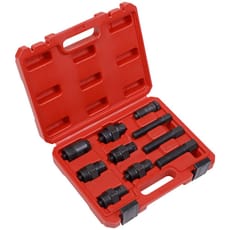
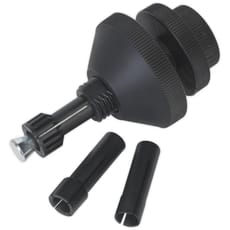
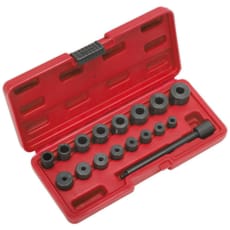
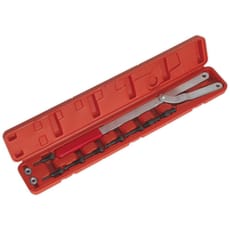
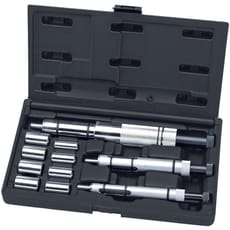
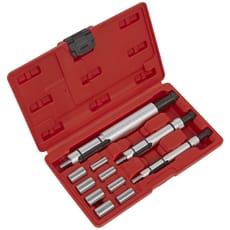
The selection at Tooled-Up.com includes universal clutch alignment kits, brake and clutch bleeding systems, flywheel pullers and specialist clutch servicing equipment from trusted brands like Sealey and Draper. Universal clutch alignment tool kits typically feature multiple mandrels and adaptors to suit various vehicle makes and models, making them invaluable for busy workshops that service different vehicle types. These comprehensive sets, available in 11-piece and 17-piece configurations, provide the versatility professional mechanics demand. More specialised tools, such as flywheel pullers for specific applications like Rover Verto clutches and self-adjusting clutch (SAC) tools, address specific tasks that would be extremely difficult or impossible without the correct equipment.
From the professional automotive technician requiring heavy-duty commercial-grade kits to the experienced DIY mechanic tackling clutch replacement at home, proper clutch tools ensure the clutch plate is centred correctly, the spigot bearing is aligned and the gearbox can be refitted smoothly. This not only saves considerable time but also prevents damage to the clutch plate, pressure plate and flywheel during installation. Pressure bleeding kits for hydraulic clutch systems further streamline clutch servicing by providing efficient, single-operator bleeding capability that eliminates air from the system more reliably than traditional pedal-pumping methods.
Jargon Buster
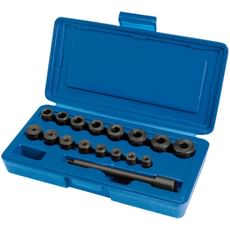
- Clutch Alignment Tool: A mandrel-type tool that passes through the clutch plate centre and locates in the spigot bearing, ensuring the clutch disc is perfectly centred on the flywheel before the pressure plate is bolted down. This allows the gearbox input shaft to pass through during refitting.
- Spigot Bearing: A small bearing or bush located in the centre of the flywheel or crankshaft that supports the end of the gearbox input shaft. Correct alignment with this bearing is crucial for successful clutch installation and smooth gearbox operation.
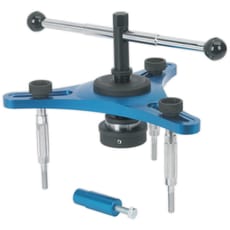
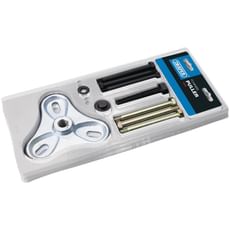
- Flywheel Puller: A specialist tool designed to remove flywheels from the crankshaft, typically featuring threaded bolts that apply even pressure to extract the flywheel without causing damage to the component or surrounding areas. Different designs suit various vehicle applications.
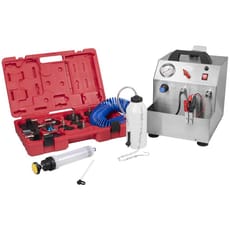
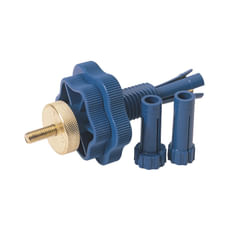
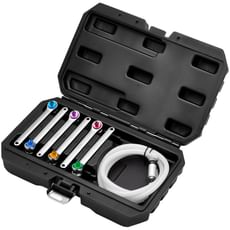
- Pressure Bleeder: A device used to bleed hydraulic clutch systems by applying controlled pressure to the fluid reservoir, forcing air bubbles out of the system more efficiently than traditional manual bleeding methods. Essential for maintaining clutch hydraulic systems.
- Universal Kit: A comprehensive set containing multiple adaptors, mandrels and accessories designed to work across a wide range of vehicle makes, models and engine sizes, offering versatility for professional workshops serving diverse customer bases.
- Self-Adjusting Clutch (SAC) Tool: Specialist equipment designed specifically for working with self-adjusting clutch mechanisms, which require specific procedures and tools to prevent damage during installation or removal. Increasingly necessary for modern vehicle servicing.
Who Uses Clutch Tools?
- Professional Motor Mechanics: Automotive technicians working in independent garages and franchised dealerships who regularly perform clutch replacements and servicing across various vehicle types.
- Mobile Mechanics: Travelling technicians who need portable, versatile clutch tool kits that work across multiple vehicle makes and models whilst fitting in their mobile workshop setups.
- Motorcycle Mechanics: Specialists who work on motorcycle clutches and require specific flywheel pullers and alignment tools suited to bike applications, including the 10-piece motorcycle flywheel puller sets available from Tooled-Up.
- Fleet Maintenance Technicians: Professionals responsible for maintaining commercial vehicle fleets, including vans and light commercial vehicles that require regular clutch servicing as part of preventative maintenance schedules.
- Agricultural and Plant Engineers: Technicians who service tractors, agricultural machinery and construction equipment where clutch maintenance is routine and heavy-duty tools are essential.
- Serious DIY Mechanics: Experienced home mechanics with the skills and confidence to tackle clutch replacement jobs, investing in proper tools to ensure professional-quality results and avoid expensive mistakes.
- Classic Car Restorers: Enthusiasts working on vintage and classic vehicles who need reliable clutch tools for restoration projects where specialist knowledge and proper equipment are paramount.
How to Choose the Right Clutch Tools
When selecting clutch tools, first consider the range of vehicles you'll be working on. Universal clutch alignment kits with 17 pieces offer maximum versatility for busy workshops serving diverse customers, whilst smaller 11-piece sets may suffice for mechanics specialising in specific vehicle types or occasional users. Check that the kit includes mandrels covering the diameter range you'll encounter most frequently – precision-manufactured steel bushes with chemically blackened finishes provide the accuracy and durability required for repeated professional use.
Build quality is paramount for tools that must withstand significant force and repeated use. Professional-grade kits from manufacturers like Sealey and Draper feature hardened steel components that resist wear and bending, ensuring accurate alignment every time. Consider whether you need a commercial-grade clutch alignment tool kit if you're running a high-volume workshop – these feature enhanced durability and comprehensive mandrel selections designed for demanding professional environments.
Think about specialist requirements for your typical workload. If you regularly service modern vehicles with self-adjusting clutches, you'll need dedicated SAC clutch tools to prevent damage during installation. Motorcycle workshops should invest in specialist 10-piece flywheel puller sets designed for bike applications. Vehicle-specific tools, such as flywheel pullers for Rover Group vehicles with Verto or diaphragm clutches, may be necessary for particular applications you encounter frequently. Don't forget about hydraulic system servicing – brake and clutch pressure bleeding kits are essential for workshops that handle complete clutch system maintenance.
The quality of the storage case matters more than you might think. A well-organised case with clearly marked positions for each component helps you quickly identify the right tool and spot missing pieces. This is particularly important in busy workshop environments where tools move between bays. Look for robust cases that protect precision components from damage and keep everything organised between jobs.
Finally, consider your budget versus usage frequency. If you're performing clutch work weekly, investing in a comprehensive professional kit pays for itself quickly through time saved and reduced comebacks. Occasional users might start with a basic universal alignment tool and add specialist items as needed, building up their toolkit gradually as different applications arise.
Popular Accessories
- Hydraulic Jacks and Transmission Jacks: Essential for safely supporting vehicles and heavy gearboxes during clutch removal and installation work.
- Axle Stands: Critical safety equipment for securely supporting vehicles at working height during clutch replacement – never rely on jacks alone.
- Socket Sets and Spanners: Quality hand tools from brands like Bahco and Wera for removing gearbox and clutch assembly bolts to access the clutch mechanism.
- Torque Wrenches: Necessary for correctly tightening clutch pressure plate and flywheel bolts to manufacturer specifications, preventing component failure.
- Brake and Clutch Fluid: Fresh hydraulic fluid for bleeding and topping up clutch hydraulic systems after servicing work.
- Parts Trays and Organisers: Keep small bolts, washers and components organised during clutch work to prevent loss and ensure correct reassembly.
- Work Lights and Inspection Lamps: Essential for illuminating the clutch bell housing area and ensuring proper alignment visibility during installation.
- Mechanic's Gloves: Protective gloves to prevent cuts from sharp edges around the clutch and gearbox area whilst maintaining dexterity.
- Copper Grease: High-temperature lubricant for spline shafts and release bearing surfaces to ensure smooth clutch operation and prevent seizure.
Safety Information
Clutch work involves several significant safety considerations that must not be overlooked. Always ensure vehicles are properly supported on rated axle stands – never rely solely on jacks when working beneath vehicles. The gearbox and clutch assembly are extremely heavy components; use proper lifting equipment and seek assistance when removing or installing these parts to prevent serious back injury or crushing accidents.
When using flywheel pullers, ensure the tool is correctly seated and threaded before applying force. Incorrect use can result in the tool slipping under pressure, potentially causing injury or damage to components. Always wear appropriate PPE including safety glasses, as debris and metal particles can be released during clutch work, particularly when cleaning friction surfaces or working beneath vehicles.
Be aware that clutch friction material may contain hazardous substances. Never use compressed air to clean clutch components, as this can release harmful dust particles into the air. Instead, use appropriate cleaning methods in accordance with HSE guidance and COSHH regulations. When bleeding hydraulic clutch systems, brake fluid is corrosive and can damage paintwork and harm eyes – handle with care and use gloves and eye protection at all times.
Ensure your workspace has adequate ventilation, particularly when working with cleaning solvents and hydraulic fluids. Follow all manufacturer instructions for specialist tools, particularly self-adjusting clutch tools which can release stored energy if not used correctly. Take regular breaks when working in awkward positions beneath vehicles to prevent muscle strain and maintain concentration throughout the task.
Frequently Asked Questions
Do I really need a clutch alignment tool or can I improvise?
Whilst some mechanics attempt to use old input shafts or makeshift mandrels, a proper clutch alignment tool is essential for professional results. The correct tool ensures perfect centring of the clutch plate with the spigot bearing, preventing damage during gearbox installation and ensuring smooth clutch operation. The time saved and frustration avoided make alignment tools worthwhile even for occasional use – attempting to align a clutch plate by feel whilst supporting a heavy gearbox is neither safe nor reliable.
What's the difference between a universal clutch kit and a vehicle-specific tool?
Universal kits include multiple mandrels and adaptors to suit various vehicle clutch sizes and spigot bearing types, making them ideal for workshops servicing different makes and models. A 17-piece kit provides maximum versatility across cars and light commercial vehicles. Vehicle-specific tools are designed for particular applications, such as the Rover Verto clutch or certain motorcycle applications, and may be necessary for unusual fitments or specialist work. For most mechanics, a comprehensive universal kit provides the best value and versatility.
Can I use the same tools for motorcycle and car clutches?
Whilst some principles are similar, motorcycles often require specialist tools, particularly for flywheel removal. Motorcycle flywheel puller sets feature different thread patterns and sizes suited to bike applications. If you work on both cars and motorcycles, consider investing in dedicated kits for each, such as the 10-piece motorcycle flywheel puller set for bike work and a universal alignment kit for cars, or ensure your universal kit explicitly covers motorcycle applications.
How do I know which size clutch alignment mandrel to use?
Quality clutch alignment kits include mandrels marked with their diameter or accompanied by a size chart in the storage case. You'll need to check your vehicle's specifications in the workshop manual or measure the clutch plate centre hole and spigot bearing diameter. Most comprehensive kits include stepped mandrels that accommodate multiple sizes, but it's crucial to ensure the mandrel fits snugly in both the clutch plate and locates correctly in the spigot bearing without excessive play that would compromise alignment accuracy.
Are pressure bleeders better than traditional clutch bleeding methods?
Pressure bleeding systems offer several advantages over traditional pedal-pumping methods. They provide consistent pressure, work single-handedly without an assistant, and more effectively remove air bubbles from hydraulic clutch systems. For professional workshops, the time saved and improved reliability make pressure bleeders an excellent investment that pays for itself quickly. However, traditional bleeding methods still work effectively if performed correctly and patiently, making them viable for occasional users who cannot justify the investment in a pressure bleeding kit.