

Coach Bolts
Pay in 3 interest-free payments on purchases from £30-2000 with  . Learn more.
 Loading...
End of content
Error - No more pages to load
About Coach Bolts
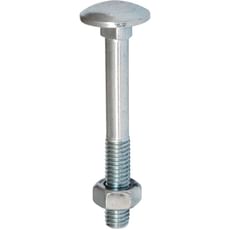
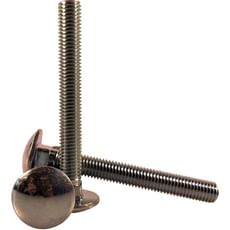
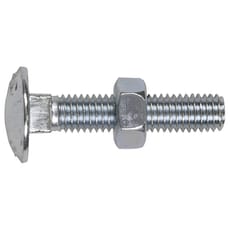
Coach bolts, also known as carriage bolts, are specialised heavy-duty fasteners featuring a distinctive domed head and a square section beneath that prevents rotation during installation. This unique design makes them indispensable for timber-to-timber and timber-to-metal connections where a smooth finish and secure fixing are paramount. The mushroom-shaped head sits flush or slightly proud of the material surface, whilst the square shoulder section bites into the timber, eliminating the need to hold the bolt head during tightening—a significant advantage when working with thick sections or in confined spaces.
The selection available at Tooled-Up.com includes coach bolts from respected manufacturers such as Timco, Sealey, and Sirius, offering both stainless steel and zinc plated finishes to suit various applications and budgets. Whether you're constructing external decking structures, installing agricultural fencing, or assembling heavy-duty furniture, these fasteners provide exceptional holding power and durability. Most products are manufactured to DIN 603 standards, ensuring dimensional accuracy and consistent quality across different brands.
Coach bolts excel in outdoor construction, joinery, and structural timber work where conventional bolts would require two-sided access or where a neat, tamper-resistant finish is required. The rounded head design prevents snagging on clothing or equipment, making them particularly suitable for public spaces, playground equipment, and agricultural settings. Available in various diameters and lengths, coach bolts are typically supplied complete with matching nuts for convenient installation.
Jargon Buster
- DIN 603 - The German industrial standard specification governing coach bolt dimensions, tolerances, and material grades, ensuring compatibility and reliable performance across different manufacturers.
- Square Shoulder - The squared section of shank immediately beneath the domed head that grips into timber or softer materials, preventing bolt rotation during nut tightening and eliminating the need for dual-sided access.
- Mushroom Head - The characteristic rounded, dome-shaped head providing a smooth, flush finish that's tamper-resistant and reduces snagging hazards in high-traffic areas or agricultural environments.
- Zinc Plated - An electroplated protective coating applied to steel fasteners, offering moderate corrosion resistance suitable for interior applications and covered outdoor installations where direct weather exposure is limited.
- Stainless Steel (A2/A4) - Corrosion-resistant steel grades for exposed outdoor applications. A2 grade provides excellent general weather resistance, whilst A4 offers superior protection in coastal or chemically aggressive environments.
- Thread Length - The threaded portion of the bolt shank, typically covering only part of the total length on coach bolts, with the remainder being smooth shank for optimal shear strength in structural applications.
Who Uses Coach Bolts?
Coach bolts are essential fasteners for numerous trades and applications, including:
- Carpenters and joiners - structural timber connections, heavy-duty furniture assembly, workshop joinery, and bespoke timber constructions
- Fencing contractors - securing posts, rails, panels, and gates in domestic, commercial, and agricultural fencing installations
- Decking specialists - fastening structural joists, posts, and framework where weather resistance and long-term durability are critical
- Landscapers - constructing pergolas, arbours, garden structures, retaining walls, and decorative outdoor features
- Agricultural workers - maintaining gates, stables, barns, livestock pens, and field equipment requiring robust timber fixings
- Groundsworkers - installing play equipment, outdoor furniture, signage posts, and recreational structures in public spaces
- Property maintenance teams - general repairs, renovations, and installations requiring dependable timber-to-timber or timber-to-metal connections
- DIY enthusiasts - building garden furniture, sheds, gates, raised beds, and home improvement projects requiring professional-grade fixings
- Shopfitters - securing fixtures, displays, and fittings where aesthetic finish and tamper resistance are important considerations
How to Choose the Right Coach Bolts
Material and Finish: Select stainless steel coach bolts for external applications, coastal locations, or environments with high moisture exposure. Products from Timco and Sirius in stainless steel offer excellent longevity without rust staining. Zinc plated alternatives, including those from Sealey, provide cost-effective corrosion protection for covered outdoor use, interior applications, or temporary structures.
Size and Length: Measure the combined thickness of materials being joined and add sufficient length to accommodate the nut, washer (recommended), and a minimum 10-15mm protrusion beyond the nut when fully tightened. Insufficient protrusion compromises thread engagement and fixing strength, whilst excessive length may interfere with adjacent components or create snagging hazards.
Diameter Selection: Larger diameter bolts provide increased shear and tensile strength for structural applications carrying significant loads. Consider the forces involved—wind loading on fencing, foot traffic on decking structures, or weight bearing in furniture assemblies. Always ensure your chosen diameter meets or exceeds the engineering requirements for your specific application.
DIN 603 Compliance: Tooled-Up stocks DIN 603 certified coach bolts from manufacturers including Sealey, guaranteeing dimensional accuracy, material consistency, and reliable performance. This standardisation ensures compatibility with nuts, washers, and tooling whilst providing confidence in load-bearing capacities.
Quantity and Packaging: Coach bolts are typically supplied with matching nuts included for convenience. Calculate requirements carefully, accounting for recommended fixing spacing—generally 400-600mm centres for structural timber work. Consider purchasing additional quantities for larger projects to ensure batch consistency.
Popular Accessories
- Flat washers - distribute loads evenly, prevent nut embedment in softer timbers, and facilitate easier future removal when maintenance is required
- Socket sets and spanners - quality tools from Bahco, Wera, or Knipex ensure proper tightening torque without damaging fixings
- Auger bits and wood drill bits - creating accurate pilot holes and clearance holes to prevent timber splitting during installation
- Cordless impact drivers - Makita, DeWalt, or Milwaukee models speed up installation when fitting multiple coach bolts on larger projects
- Ratchet sets - efficient tightening in confined spaces or repetitive installations where speed matters
- Measuring and marking tools - ensuring accurate spacing, alignment, and positioning of fixings for professional results
- Timber treatment products - protecting drilled holes and cut ends from moisture ingress, particularly important in external applications
- Spirit levels and squares - maintaining accurate alignment during assembly for structural integrity and aesthetic finish
Safety Information
Always wear appropriate personal protective equipment when installing coach bolts, including safety glasses to protect against wood splinters, metal fragments, and drilling debris. Ensure timber components are adequately secured during drilling and bolt installation to prevent movement, rotation, or kickback that could cause injury.
Pre-drill clearance holes to the correct diameter—the square shoulder section requires a hole approximately 1-2mm larger than the bolt diameter on the head side to seat properly without splitting the timber. The nut-side clearance should match the bolt diameter precisely, allowing the square shoulder to grip effectively as the bolt is driven through. Always test on scrap material first, particularly with hardwoods or brittle timbers prone to splitting.
Avoid over-tightening, which can crush timber fibres, reduce holding power, and potentially shear the bolt threads or shank. Tighten nuts firmly until resistance increases significantly, then stop—excessive force provides no additional benefit and may compromise the fixing. For structural applications subject to Building Regulations, always follow relevant HSE guidance, BS/EN standards, and manufacturer recommendations regarding loading, spacing, and edge distances.
When working at height during decking or fencing installations, ensure scaffolding or access equipment complies with current working-at-height regulations. Store fixings securely to prevent tripping hazards on site, and dispose of packaging materials appropriately to maintain safe working conditions.
Frequently Asked Questions
What's the difference between coach bolts and standard hexagonal head bolts?
Coach bolts feature a rounded mushroom head and square shoulder section that bites into timber to prevent rotation during tightening from one side only. Standard hexagonal head bolts require holding with a spanner on both the head and nut simultaneously. Coach bolts are specifically engineered for timber applications where single-sided access is practical or where a smooth, flush finish is preferable.
Should I use washers with coach bolts?
Whilst coach bolts will function without washers, using a flat washer under the nut is strongly recommended, especially with softer timbers like pine or cedar. Washers distribute loads over a larger surface area, prevent nuts from embedding into the material during tightening or under load, and facilitate easier removal during future maintenance. For structural applications and external installations, washers are considered essential best practice.
Can coach bolts be used for metal-to-metal connections?
Coach bolts are primarily designed for timber applications where the square shoulder can bite into softer material to provide the anti-rotation feature. For metal-to-metal fixing, standard hexagonal head bolts are more appropriate as they provide better purchase on hard surfaces and don't rely on material deformation for their gripping action.
What size pilot hole should I drill for coach bolts?
For the head side where the mushroom head will sit, drill a clearance hole approximately 1-2mm larger than the bolt diameter to allow the square shoulder to seat without splitting the timber. The nut-side hole should match the bolt diameter exactly, enabling the square shoulder to grip as the bolt is driven through. Hole depth should equal the combined material thickness. Always test on scrap material first to verify hole sizing, particularly with hardwoods or reclaimed timber.
Are stainless steel coach bolts worth the additional cost compared to zinc plated alternatives?
For external applications, exposed locations, or coastal environments, stainless steel coach bolts provide significantly superior corrosion resistance and longevity, typically outlasting zinc plated equivalents by many years. Whilst zinc plated options from brands like Timco are adequate for covered locations or interior use, the modest additional investment in stainless steel prevents unsightly rust staining, maintains structural integrity indefinitely, and eliminates premature failure in demanding outdoor conditions. For decking, fencing, or agricultural applications, stainless steel represents excellent long-term value.