

Coach Screws
Pay in 3 interest-free payments on purchases from £30-2000 with  . Learn more.
 Loading...
End of content
Error - No more pages to load
About Coach Screws
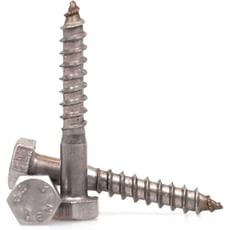
Coach screws are heavy-duty hexagonal-headed fasteners engineered for applications demanding exceptional holding power in timber and masonry. Also known as lag screws, these robust fixings feature a six-sided head that accepts a spanner or socket, allowing for superior torque application compared to traditional wood screws. The combination of coarse threading and a partially unthreaded shank makes coach screws indispensable for structural carpentry, decking installations, timber framing, and heavy construction work where standard fixings simply cannot deliver the required strength.
Distinguished by their substantial diameter and length options, coach screws are manufactured from high-grade materials including zinc-plated steel and corrosion-resistant stainless steel grades. The threaded portion grips firmly into timber or wall plugs, whilst the smooth shank section allows materials to be drawn tightly together without thread interference. Tooled-Up.com stocks quality coach screws from trusted manufacturers including Sirius, with A2 304 stainless steel options delivering outstanding durability for both interior projects and exterior applications where weather resistance is essential.
Whether you're securing joists to masonry walls, constructing garden pergolas, installing heavy shelving, or undertaking timber-to-timber connections in building work, coach screws provide the robust, reliable fixing your project demands. Their versatility across construction, landscaping, and renovation applications makes them a workshop essential for professionals and serious DIY enthusiasts alike.
Jargon Buster
- A2 304 Stainless Steel – A corrosion-resistant austenitic steel grade containing approximately 18% chromium and 8% nickel, offering excellent resistance to rust and suitable for both internal and external applications. Sometimes referred to as 18/8 stainless steel.
- Hexagon Head – The six-sided head design requiring a spanner or socket for installation, providing significantly greater torque transfer compared to screwdriver-operated fasteners and reducing the risk of head damage during tightening.
- Pilot Hole – A pre-drilled guide hole that prevents timber splitting, reduces installation effort, and ensures accurate screw placement. Typically sized at 60-70% of the coach screw's core diameter for optimal holding power.
- Shank – The smooth, unthreaded portion between the head and threaded section, which allows the screw to pull materials firmly together without the threads interfering with the clamping action.
- Thread Diameter – The measurement across the threaded portion of the screw, typically ranging from 6mm to 12mm for standard applications, with larger diameters specified for heavier structural loads.
- Gauge – A numerical sizing system indicating the shaft diameter, where higher gauge numbers represent larger diameters. Common in traditional imperial sizing but increasingly replaced by metric measurements in the UK.
Who Uses Coach Screws?
- Carpenters and Joiners – structural timber connections, heavy-duty framework, and load-bearing joints
- Builders and General Contractors – securing timber to masonry, concrete, and steel substrates in construction projects
- Decking Specialists – fixing joists to supports, installing structural decking components and balustrades
- Roofers – securing rafters, purlins, and heavy roofing timbers in both new builds and renovation work
- Shopfitters and Retail Contractors – installing heavy shelving systems, display units, and commercial fixtures requiring robust fixings
- Fencing Contractors – assembling fence posts, gates, and structural garden features with long-lasting connections
- Landscape Gardeners – constructing pergolas, raised beds, timber retaining walls, and outdoor structures
- Maintenance Engineers – repair and installation work across commercial, industrial, and residential premises
- DIY Enthusiasts – home improvement projects requiring professional-grade, heavy-duty fixings
- Timber Frame Builders – structural connections in post-and-beam construction and oak framing
How to Choose the Right Coach Screws
Material Selection: For exterior applications, damp environments, or coastal locations, specify stainless steel coach screws such as A2 304 grade to prevent corrosion and ensure longevity. For interior, dry conditions, zinc-plated steel options offer an economical alternative with adequate protection. Consider A4 316 grade stainless steel for marine environments or where chloride exposure is a concern.
Length and Diameter: Select a length that penetrates at least 50mm into the substrate material for adequate holding power – deeper penetration increases load capacity. The diameter should be proportionate to the anticipated load, with heavier applications requiring larger gauge screws. As a rule of thumb, the threaded portion should extend at least halfway into the receiving material for optimal grip.
Thread Pattern: Coarse threads provide superior grip in softwoods and most timber applications, whilst finer threads may be preferable for hardwoods. The thread pattern significantly affects holding power and installation effort, so ensure it matches your specific material requirements.
Head Configuration: Verify you have the correct spanner or socket size before purchasing. Standard hexagonal heads are most common, but dimensions vary with screw size. Consider using washers to distribute load across the timber surface and prevent the head from pulling through under high loads.
Quantity Planning: Calculate requirements carefully, accounting for spacing recommendations typically between 300-600mm centres depending on load calculations and relevant building regulations. Always purchase a few extra for contingencies.
Popular Accessories
- Washers – stainless steel or zinc-plated washers distribute load evenly and prevent heads pulling through timber under stress
- Socket Sets and Spanners – quality tools from brands like Bahco, Wera, or Stanley for secure, efficient installation
- Ratchet Spanners – speed up repetitive installations whilst maintaining proper torque control
- Drill Bits – HSS or brad point bits sized appropriately for creating accurate pilot holes
- Wall Plugs – Fischer or Rawlplug fixings when securing coach screws into masonry, brick, or concrete
- Spirit Levels – ensuring accurate alignment during structural installations
- Wood Preservative – protecting exposed timber in exterior applications from rot and moisture damage
- Torque Wrenches – for applications requiring specific tightening specifications or structural certification
- Countersink Bits – allowing coach screw heads to sit flush with or below the timber surface
Safety Information
Eye Protection: Always wear safety glasses or goggles when drilling pilot holes or driving coach screws. Wood chips, metal fragments, and flying debris can cause serious eye injuries, particularly when working overhead or with power tools.
Pilot Holes are Essential: Never attempt to drive coach screws without pre-drilling appropriate pilot holes. This prevents timber splitting, reduces the risk of screw shearing or bending, and minimises physical strain during installation. The pilot hole should be approximately 60-70% of the screw's core diameter.
Tool Selection: Use properly sized spanners or sockets that fit the hexagon head precisely. Ill-fitting tools can slip under torque, potentially causing hand injuries, knuckle damage, or rounding the fastener head. Quality tools from reputable brands reduce these risks significantly.
Structural Compliance: When using coach screws for structural or load-bearing applications, ensure your installation complies with relevant Building Regulations and HSE guidelines. Consult a structural engineer for critical applications if you're uncertain about specifications, spacing, or load calculations.
Material Compatibility: Verify that the coach screw material is compatible with your substrate and won't cause galvanic corrosion when dissimilar metals are in contact. This is particularly important in exterior, marine, or damp environments where electrolytic corrosion can rapidly weaken connections.
Frequently Asked Questions
Q: Do I always need to drill a pilot hole for coach screws?
A: Yes, pilot holes are essential for all coach screw installations. The hole should be slightly smaller than the thread diameter – typically 60-70% of the screw's core diameter. This prevents timber splitting, significantly reduces installation effort, and maintains optimal holding power. Attempting to drive coach screws without pilot holes risks wood damage and screw failure.
Q: What's the difference between A2 and A4 stainless steel coach screws?
A: A2 304 stainless steel offers excellent corrosion resistance for most interior and general exterior applications in the UK climate. A4 316 stainless steel contains molybdenum, providing enhanced resistance to chlorides and acidic environments. Choose A4 grade for marine installations, coastal locations, or anywhere with high salt exposure or chemical contact.
Q: Can coach screws be used in masonry or brick walls?
A: Yes, but you must first drill a hole and insert a suitable wall plug matched to the coach screw's outer thread diameter. Brands like Fischer or Rawlplug offer reliable options. For heavy-duty masonry applications or high loads, resin anchors or through-bolts may provide superior holding power. Always check the plug's load rating matches your application.
Q: How much weight can a single coach screw hold?
A: Load capacity depends on numerous factors including screw size, timber species, grain direction, installation quality, and loading type (shear or withdrawal). As a general guide, a 10mm x 100mm coach screw properly installed in structural timber can typically support 200-400kg in shear loading. However, always consult load tables and Building Regulations for structural applications, and engage a structural engineer for critical installations.
Q: Should I use washers with coach screws?
A: Washers are highly recommended for most applications, particularly when fixing softer timbers or where high loads are anticipated. They distribute the clamping force across a larger area, preventing the hexagonal head from pulling through or crushing the timber surface. Match the washer material to your coach screw – stainless steel washers with stainless screws, zinc-plated with zinc-plated screws.