

Coal Shovels
Pay in 3 interest-free payments on purchases from £30-2000 with  . Learn more.
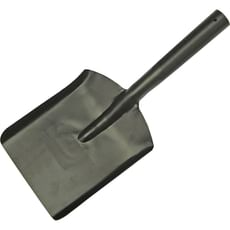
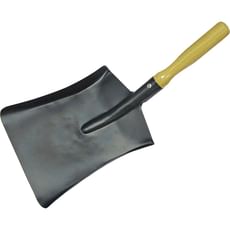


 Loading...
End of content
Error - No more pages to load
About Coal Shovels
Coal shovels are purpose-built tools designed specifically for handling coal, ash, and solid fuel materials in domestic and commercial heating applications. Unlike standard garden or construction shovels, coal shovels feature distinctive deep-sided blade designs with generous capacity and reinforced construction to withstand the demanding task of moving heavy loads of coal, coke, or solid fuel. The characteristic high sides, typically 75-100mm deep, prevent spillage during transfer and make these tools indispensable for anyone maintaining traditional fireplaces, coal-fired boilers, or solid fuel heating systems.
Tooled-Up.com stocks a carefully selected range of coal shovels from trusted manufacturers including Faithfull and Sealey, offering both one-piece steel construction models and traditional wooden handle variants. These robust tools are built to last, featuring deep-drawn steel blades that resist bending and warping even under repeated heavy use. Whether transferring coal from outdoor bunkers to scuttles or loading fuel directly into heating appliances, a quality coal shovel makes the task significantly easier and more efficient whilst reducing spillage.
Modern coal shovels combine traditional functionality with improved ergonomics and durability. Available in sizes ranging from compact 150mm models ideal for smaller domestic fireplaces to larger 230mm variants suited to heavier-duty applications, these tools remain essential equipment for homeowners with solid fuel heating systems, facilities managers maintaining historic buildings, and anyone who relies on coal or solid fuel for warmth.
Jargon Buster
- One-Piece Construction: A coal shovel pressed or formed from a single piece of steel, eliminating joints and welds for superior strength and durability, particularly suited to heavy-duty applications where handle failure could be problematic.
- Deep-Sided Blade: The characteristic high edges of a coal shovel blade, typically 75-100mm deep, which prevents coal from sliding off during transfer and increases the volume that can be carried in a single scoop, reducing the number of trips required.
- Pressed Steel: Sheet steel that has been shaped using industrial presses to form the shovel's deep profile, creating a rigid structure without the need for folding or welding that might weaken over time under repeated loading.
- Powder-Coated Finish: A protective coating applied electrostatically to steel components and cured under heat, providing excellent resistance to rust, scratches, and the corrosive effects of coal dust and moisture.
- Coal Scuttle: A container, usually metal or plastic, used for storing and carrying coal from outdoor bunkers to indoor fireplaces or stoves, typically filled using a coal shovel and kept beside the hearth for convenient refuelling.
- Riveted Handle: A traditional fixing method where a wooden handle is secured to the steel blade using multiple rivets, providing a strong mechanical connection that's easily repairable if needed and preferred for its comfortable grip.
Who Uses Coal Shovels?
Coal shovels serve a diverse range of users across domestic and professional settings:
- Homeowners with coal fires, solid fuel stoves, or traditional range cookers like Agas and Rayburns
- Facilities Managers responsible for maintaining solid fuel heating systems in historic buildings, churches, and heritage properties
- Groundskeepers and Estate Workers managing heating systems on larger properties and country estates
- Heating Engineers specialising in solid fuel systems and boiler maintenance
- Caretakers and Janitors in schools, community centres, and public buildings with traditional heating
- Industrial Sites operating coal-fired boilers or using coal in manufacturing processes
- Allotment Holders and Gardeners who use coal ash as a soil amendment or path material
- Heritage and Museum Staff maintaining period heating systems in authentic working condition
- Pub and Restaurant Owners with traditional coal fires as atmospheric features
- Holiday Cottage Owners managing properties with solid fuel heating systems
How to Choose the Right Coal Shovels
Construction Type: One-piece steel shovels offer maximum durability with no joints to fail, making them ideal for heavy commercial use or demanding domestic applications. The Faithfull and Sealey one-piece models available from Tooled-Up provide excellent longevity. Wooden-handled models provide a traditional feel, comfortable grip, and good insulation from cold metal, preferred by many for domestic fireside use.
Blade Size and Capacity: Consider both the distance you'll be carrying coal and your physical capability. Standard 230mm models offer excellent capacity for most domestic applications, whilst compact 150mm variants suit smaller fireplaces or situations where space is limited. Larger blades carry more per trip but require more strength to lift when fully loaded. For elderly users or longer carrying distances, a moderate capacity shovel proves more practical.
Handle Style: Wooden handles provide superior grip comfort and remain cooler to the touch in cold weather, whilst one-piece steel construction eliminates the potential weak point where handle meets blade. If you'll be using the shovel frequently or in damp conditions, consider how the handle material will perform over time.
Material Quality: Look for pressed or stamped steel construction rather than thin gauge sheet metal. The Faithfull and Sealey models in the Tooled-Up range use appropriate steel thicknesses that resist bending whilst remaining light enough for comfortable use. Check for smooth edges and quality finishing, particularly on powder-coated models which offer enhanced rust resistance.
Intended Use: If you'll be handling both coal and ash removal, ensure the shovel has sufficient heat resistance. Powder-coated finishes provide excellent durability for regular coal handling. For purely coal transfer from outdoor bunkers, surface finish is less critical than structural strength and blade capacity.
Popular Accessories
- Coal Scuttles and Hods: Essential storage containers for keeping coal supply conveniently near your fireplace or stove
- Fireside Companion Sets: Matching tool sets including poker, brush, and tongs to complement your coal shovel
- Ash Buckets and Pans: Dedicated galvanised metal containers for safely collecting and disposing of cooled ash
- Fire Gloves: Heat-resistant gloves for handling hot tools and adjusting burning logs safely
- Coal Bunkers: Outdoor storage solutions to keep fuel dry, secure, and accessible in all weathers
- Hearth Brushes: Stiff bristle brushes for sweeping up coal dust and keeping the fireplace area tidy
- Galvanised Buckets: Multi-purpose containers suitable for coal, ash, and general fireplace maintenance tasks
- Kindling and Fire Lighters: Essential supplies for starting and maintaining efficient coal fires
- Fire Guards and Screens: Safety equipment to protect against sparks and maintain safe distances
Safety Information
Ash Handling Safety: Always ensure ashes are completely cold before handling with a coal shovel. Even ash that appears cold can contain hot embers that pose a serious fire risk. Allow at least 24 hours cooling time and use a dedicated metal ash container. Never dispose of warm ash in plastic bins or near combustible materials.
Manual Handling: Coal is heavy, and it's easy to overload a shovel beyond comfortable lifting capacity. Fill the shovel to a manageable level, bend your knees when lifting rather than straining your back, and make multiple trips rather than risking injury. This is particularly important when carrying loaded shovels up steps or across uneven surfaces.
Storage and Maintenance: Store your coal shovel in a dry location to prevent rust formation, particularly on models without protective coatings. Keep the shovel away from areas where children might access it, as the steel edges can be sharp. Wooden handles should be checked periodically for splinters or damage, and treated with linseed oil to maintain condition.
Protective Equipment: Consider wearing work gloves when handling coal to keep hands clean and protect against splinters from wooden handles. Coal dust can be messy, so old clothing or an apron is advisable for larger fuel handling tasks.
Frequently Asked Questions
What's the difference between a coal shovel and a regular shovel?
Coal shovels feature much deeper sides (typically 75-100mm high) compared to standard shovels, preventing coal from sliding off during transfer. They're also shorter-handled for use in confined indoor spaces around fireplaces and constructed from lighter gauge steel since they don't need to penetrate soil. The blade shape is optimised for scooping loose material rather than digging, with generous capacity to minimise the number of trips needed when refuelling.
Can I use a coal shovel for removing ash from my fire?
Yes, coal shovels work well for ash removal once the ash has completely cooled. However, always ensure ashes are fully extinguished and cold before handling—wait at least 24 hours after the fire has gone out. For warm or hot ash, use a dedicated metal ash pan and allow proper cooling time, as even seemingly cold ash can contain hot embers that pose a fire risk if transferred to combustible containers.
How do I maintain my coal shovel?
Keep your coal shovel dry when not in use to prevent rust formation, particularly on unpainted steel areas. Wipe off coal dust regularly with a dry cloth and store in a dry location. For wooden handles, occasionally treat with linseed oil to prevent drying and splitting. If rust appears on steel components, remove with wire wool or fine sandpaper and consider applying a light oil coating for protection. Powder-coated models require minimal maintenance but should still be kept dry.
Are one-piece steel shovels better than wooden-handled versions?
Both designs have distinct merits. One-piece steel construction, like the Faithfull pressed steel model, offers superior durability with no handle joint to fail, making them ideal for heavy-duty use or damp conditions. Wooden-handled models provide better grip comfort, traditional aesthetics, and insulation from cold metal, which many users prefer for domestic fireside use. Choose based on your usage intensity, storage conditions, and personal preference.
What size coal shovel should I buy?
For domestic fireplace use, a standard coal shovel with a blade width of approximately 230mm offers the best balance of capacity and manoeuvrability. Compact 150mm models suit smaller fireplaces, limited storage spaces, or situations where lighter loads are preferable. Larger commercial models suit situations where you're moving coal in bulk. Consider your physical capability, the distance you'll carry loaded shovels, and the size of your coal scuttle or bunker when choosing capacity.