

Cold Chisels

Pay in 3 interest-free payments on purchases from £20-£3000 with  . Learn more.

 Loading...
End of content
Error - No more pages to load
About Cold Chisels
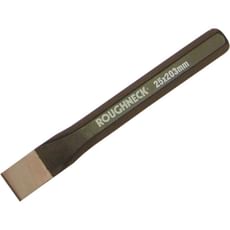
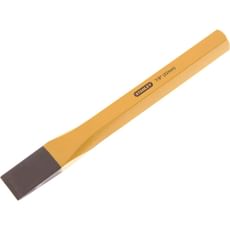
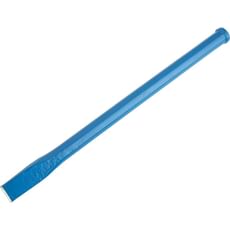
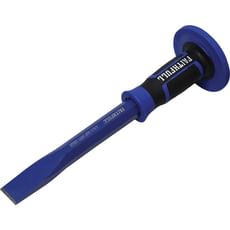
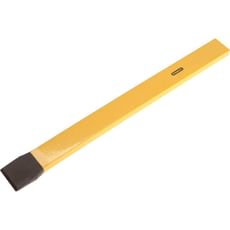
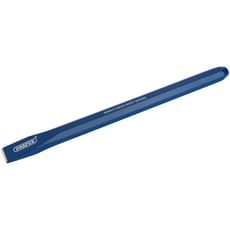
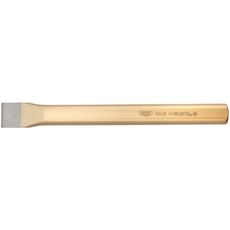
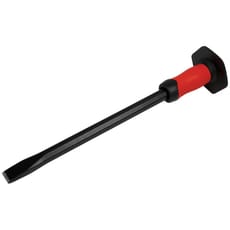
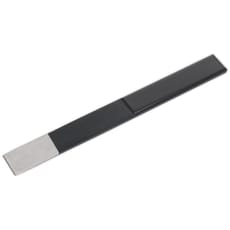
Cold chisels are fundamental hand tools engineered for cutting and shaping metal at ambient temperature, distinguishing them from hot chisels used in forge work. Constructed from hardened and tempered steel, these robust tools feature a bevelled cutting edge and a striking head designed to withstand repeated hammer blows without deforming. Whether removing seized fixings, cutting metal stock, chipping away corrosion, or shaping metalwork on site, a quality cold chisel remains an essential tool for both professional tradespeople and serious DIY enthusiasts.
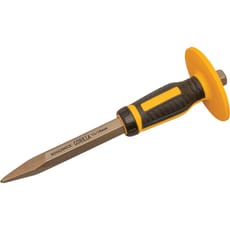
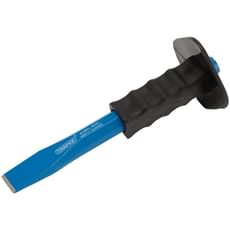
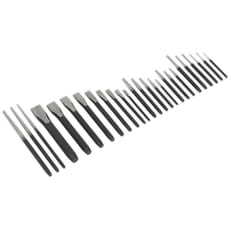
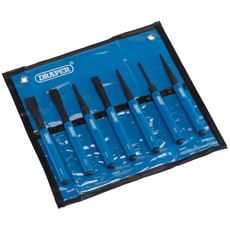
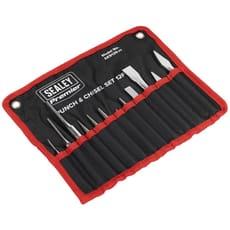
The selection at Tooled-Up.com includes individual cold chisels in various sizes and profiles, alongside comprehensive cold chisel and punch sets from trusted manufacturers including Draper, Sealey, Roughneck, Stanley, Faithfull, and Siegen. Available options range from flat chisels for general cutting applications to specialist plugging chisels for masonry work, with many featuring octagonal shanks that prevent rolling and provide improved grip. Professional-grade models incorporate hand guards or ergonomic grips for enhanced safety and comfort during prolonged use, whilst premium options offer superior heat treatment for extended cutting edge durability in demanding trade environments.
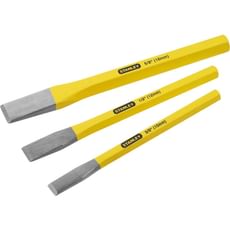
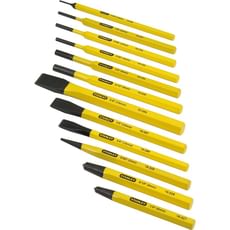
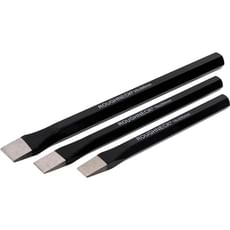
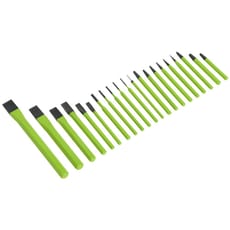
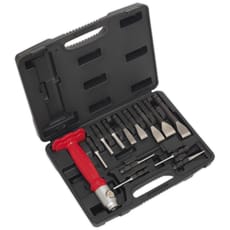
Cold chisels are available as individual pieces or in comprehensive sets ranging from 4 to 12 pieces, catering to everyone from occasional DIY users to professional engineers and mechanics who rely on these tools daily. Multi-piece sets typically combine cold chisels of varying widths with complementary punches, centre punches, and specialist profiles, providing excellent value and versatility for workshop and site applications alike. Chrome vanadium steel construction with chemically blackened finishes ensures corrosion resistance and longevity across the range.
Jargon Buster
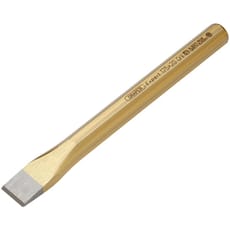
- Octagonal Shank: An eight-sided shaft profile that prevents the chisel from rolling when placed on a workbench and provides superior grip surface. This design is preferred by professional tradespeople for improved control and convenience during extended use.
- Mushroomed Head: A potentially dangerous condition where the striking end spreads outward from repeated hammer impacts, creating sharp metal fragments that can break off during use. Mushroomed heads should be ground back regularly to a safe, flat profile to prevent injury.
- Cutting Edge Angle: The bevelled angle at the cutting end, typically ground to approximately 60 degrees for cold chisels used on metalwork. This angle provides the optimal balance between sharpness for cutting and durability to resist edge deformation.
- Heat Treatment: A controlled manufacturing process where the chisel is heated and cooled to harden the steel, particularly at the cutting edge. Properly heat-treated chisels maintain their sharpness longer and resist deformation during heavy-duty applications.
- Plugging Chisel: A narrow, tapered cold chisel specifically designed for cutting channels in masonry and brickwork, commonly used by electricians for running cable conduits and by builders for chasing out walls.
- Chrome Vanadium Steel: A high-quality alloy steel that combines chromium and vanadium for enhanced strength, toughness and wear resistance. This material specification is standard across professional-grade cold chisels for superior performance and longevity.
Who Uses Cold Chisels?
- General Engineers – cutting, shaping and removing metal components in fabrication and repair work
- Motor Mechanics – removing seized bolts, rivets, and corroded fixings during vehicle maintenance and restoration
- Electricians – cutting cable channels in masonry using plugging chisels for conduit installation
- Plumbers – accessing pipework by removing metal fixings, brackets and stubborn fittings
- Welders and Fabricators – preparing metalwork, removing excess material and cleaning welds
- Maintenance Fitters – general metalwork and machinery repair in industrial and commercial settings
- Agricultural Engineers – repairing farm machinery and equipment in workshop environments
- Construction Workers – cutting and shaping metal fixings, brackets and reinforcement on site
- Body Shop Technicians – removing panels, trim and seized fixings during vehicle repairs
- DIY Enthusiasts – home metalwork projects, restoration work and general maintenance tasks
How to Choose the Right Cold Chisels
Individual Tool or Set: Consider whether you need a specific chisel size for a particular job or a comprehensive set. Multi-piece sets from manufacturers like Draper and Sealey offer excellent value and ensure you have the correct width for various applications, whilst individual chisels allow you to replace worn tools or add specialist profiles to your existing collection. Sets typically include 4 to 12 pieces combining various chisel widths with complementary punches.
Shank Design: Octagonal shanks are strongly recommended for professional use as they won't roll off workbenches and provide superior grip control. Round shank chisels are more economical but less convenient for frequent use. Look for chisels with substantial shaft diameters – typically 10-16mm – for durability under heavy striking and reduced vibration transmission.
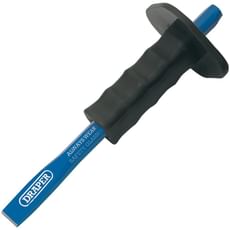
Hand Protection Features: For regular use, models with integrated hand guards or rubberised grips significantly improve safety and comfort. The guard protects against glancing hammer blows whilst ergonomic grips reduce vibration transmission to the hand and improve control during precision work. This feature is particularly valuable for tradespeople using cold chisels throughout the working day.
Material Quality and Heat Treatment: Professional-grade chisels feature superior heat treatment for harder, longer-lasting cutting edges that maintain sharpness through demanding applications. Look for chisels marked as drop-forged or manufactured from hardened and tempered chrome vanadium steel. Tooled-Up stocks premium options from brands like Draper Expert and Faithfull that withstand daily site work, whilst budget ranges suit occasional DIY use.
Width Selection: Cold chisels typically range from 6mm to 25mm width. Narrow profiles (6-12mm) excel at detailed work and cutting in confined spaces, whilst wider chisels (18-25mm) remove material more quickly for heavier applications. A set with 3-4 different widths covers most general engineering and metalwork tasks effectively.
Compliance and Standards: Quality cold chisels should meet relevant BS EN ISO standards for hand tools, ensuring appropriate material specifications, heat treatment processes and manufacturing quality for safe, reliable performance. Check product specifications for standards compliance when selecting professional-grade tools.
Popular Accessories
- Club Hammers and Ball Pein Hammers – the correct striking tools for cold chisel work, available in various weights from 1lb to 4lb
- Safety Goggles and Face Shields – essential eye protection against flying metal fragments and debris
- Work Gloves – protective gloves from brands like Portwest and Scruffs to protect hands during metalwork
- Bench Vices – secure workpieces whilst chiselling for improved accuracy, safety and control
- Punch Sets – centre punches, pin punches and drift punches complement cold chisel applications
- Metal Files and Rasps – for smoothing and refining cut edges after chiselling operations
- Bench Grinders – for maintaining sharp cutting edges and removing mushroomed striking heads
- Engineer's Marking Tools – scribers and markers for accurate work marking before cutting
- Tool Storage Solutions – keep your chisels organised with Stanley FatMax, DeWalt TSTAK or Milwaukee PACKOUT storage systems
- Cutting Fluid – lubricants to reduce friction and improve cutting performance on harder metals
Safety Information
Eye Protection is Mandatory: Always wear safety goggles or a full face shield when using cold chisels. Flying metal fragments and chips pose a serious risk of eye injury. This is a requirement under HSE guidelines for metalworking operations and should be observed without exception.
Inspect Before Use: Check cold chisels for mushroomed heads before each use. Grind back any deformed striking surfaces using a bench grinder to prevent dangerous metal fragments breaking off during striking. Similarly, inspect cutting edges for chips, cracks or excessive wear that could cause unpredictable tool failure or workpiece damage.
Proper Striking Technique: Use an appropriately sized hammer – typically a club hammer or ball pein hammer of 1-2lb weight for general cold chisel work. Strike squarely on the chisel head, maintaining focus on the cutting point rather than your hand. Position your body to avoid injury if the chisel slips or the workpiece moves unexpectedly.
Secure the Workpiece: Always clamp or secure the material you're cutting in a bench vice or with appropriate fixings. Never hold small pieces by hand whilst chiselling, as this significantly increases the risk of injury from slippage or glancing blows.
Work Area Considerations: Ensure adequate lighting and maintain a clear workspace free from trip hazards. Keep other workers at a safe distance from flying debris, and on construction sites, barrier off the work area if necessary. Wear appropriate footwear to protect against dropped tools.
Hand Protection: Use chisels with integrated hand guards where possible, and consider wearing protective gloves. However, ensure gloves don't compromise grip or dexterity, as maintaining firm control of the chisel is essential for safe operation.
Frequently Asked Questions
What's the difference between a cold chisel and a bolster chisel?
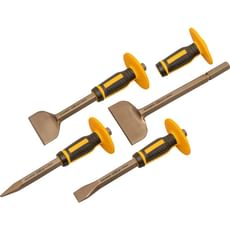
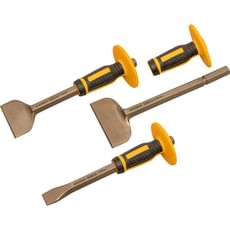
Cold chisels are designed for cutting metal and feature a narrow profile with a cutting edge typically 6-25mm wide, manufactured from hardened steel. Bolster chisels (also called brick or flooring chisels) have much wider blades – often 75-100mm – and are specifically designed for cutting bricks, blocks, paving slabs and lifting floorboards. The two tools aren't interchangeable due to their different metallurgy, edge angles and intended applications.
How do I sharpen a cold chisel properly?
Use a bench grinder to restore the cutting edge, maintaining the original angle of approximately 60 degrees. Grind evenly across the edge, moving the chisel from side to side to prevent localised heating in one spot. Dip the chisel in water frequently to prevent overheating, which can destroy the heat treatment and soften the steel, ruining the tool's performance. Always wear eye protection when grinding, and ensure the tool rest is properly adjusted.
Can I use a cold chisel on masonry or concrete?
Whilst plugging chisels (a narrow type of cold chisel) are designed for cutting channels in brick and soft masonry, standard cold chisels aren't ideal for concrete work. Their metallurgy is optimised for cutting metal rather than masonry. For concrete and hard masonry applications, use purpose-made masonry chisels with carbide tips and wider cutting angles, which are specifically engineered for these harder materials.
Why does my cold chisel keep mushrooming at the striking end?
Mushrooming occurs naturally through repeated hammer impacts that compress and spread the metal at the striking head. This is normal wear for frequently used chisels. Regular users should periodically grind back the mushroomed material using a bench grinder to maintain a safe, flat striking surface. This is essential maintenance – mushroomed heads can shatter under impact and cause serious injury from flying metal fragments.
What size cold chisel do I need for general workshop use?
A 12-19mm (½ to ¾ inch) flat cold chisel handles most general metalwork applications in a typical workshop or garage environment. However, a 4 or 5-piece set offering sizes from 6mm to 25mm provides better versatility for different tasks and represents excellent value for money. Multi-piece sets from brands like Draper and Sealey available at Tooled-Up.com cover the full range of common applications whilst including useful complementary punches for marking and pin removal work.