

Cold Store Gloves

Pay in 3 interest-free payments on purchases from £20-£3000 with  . Learn more.
 Loading...
End of content
Error - No more pages to load
About Cold Store Gloves
Cold store gloves are specialist thermal work gloves engineered to protect hands in extremely cold environments, from commercial freezers and refrigerated warehouses to outdoor winter work sites. These essential pieces of personal protective equipment combine multiple layers of advanced insulating materials with durable, water-resistant outer shells to create an effective barrier against sub-zero temperatures. Whether you're handling frozen goods at -25°C or working in deep freeze facilities reaching -40°C, properly rated cold store gloves prevent frostbite, cold-related injuries, and the loss of manual dexterity that occurs when hands become dangerously cold during prolonged exposure.
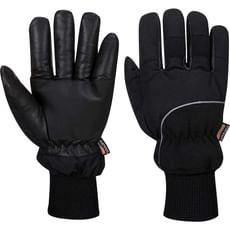
Modern cold store gloves have evolved considerably beyond basic padded mittens to become sophisticated PPE that balances maximum thermal protection with the grip performance and flexibility needed for productive work. The cold store gloves available from Tooled-Up.com feature advanced materials such as Insulatex linings, breathable waterproof membranes, and textured grip surfaces that maintain handling ability even when working with frozen, slippery products. Leading manufacturers like Portwest design these gloves with reinforced palms for durability, extended cuffs to seal out cold air at the wrist, and pre-curved ergonomic shapes that reduce hand fatigue during long shifts in freezing conditions.
For warehouse operatives, food distribution workers, and tradespeople working in cold storage facilities, selecting appropriate hand protection isn't merely about comfort—it's a legal requirement under HSE regulations. Employers must provide suitable PPE for cold environments based on proper risk assessments, and cold store gloves certified to EN 511 standards represent an essential component of this protection. Quality cold store gloves help workers maintain productivity and manual dexterity whilst safeguarding against cold stress, reduced circulation, and repetitive strain injuries associated with handling frozen goods in sub-zero temperatures.
Jargon Buster
- EN 511 Standard – The European safety standard specifically for protective gloves against cold. Performance is assessed across three criteria: convective cold resistance, contact cold resistance, and water penetration, with each rated from 0-4. A typical marking might read "EN 511: 3 2 1" indicating good convective protection, moderate contact cold protection, and basic water resistance.
- Thermal Insulation Rating – A measurement indicating the lowest temperature at which gloves provide effective protection, typically expressed as an operating temperature such as -30°C or -40°C. High-quality cold store gloves maintain flexibility and thermal protection at their rated temperature, though selecting gloves rated 10 degrees lower than your working environment provides a recommended safety margin.
- Insulatex Lining – A proprietary thermal insulation material commonly found in cold store gloves that provides excellent warmth whilst maintaining a relatively thin profile. This allows for better finger dexterity and manual handling ability compared to traditional bulky insulation materials, making it ideal for warehouse picking and detailed tasks.
- Breathable Waterproof Membrane – A technical fabric layer that prevents external moisture penetration whilst allowing perspiration vapour to escape from inside the glove. This prevents dangerous moisture build-up that would conduct cold directly to skin and compromise thermal protection in cold store environments where condensation is common.
- Grip Enhancement – Textured palm coatings or patterns that significantly improve handling ability when working with cold, slippery, or frozen products. Common grip technologies include PVC dot patterns, crinkle latex finishes, and nitrile coatings that maintain their flexibility and friction properties even at sub-zero temperatures.
- Extended Cuff – A longer glove wrist section, typically elasticated or featuring drawstring closures, that can be tucked inside coat sleeves to create an effective seal. This prevents cold air infiltrating at the wrist and warm air escaping from around the hand, maintaining thermal protection during prolonged cold exposure.
Who Uses Cold Store Gloves?
- Cold Store Operatives – warehouse workers in refrigerated and frozen food facilities handling stock at temperatures between -18°C and -40°C throughout their shifts
- Food Distribution Workers – logistics staff loading and unloading frozen goods from refrigerated vehicles and managing stock rotation in cold storage areas
- Supermarket and Retail Staff – employees regularly accessing walk-in freezers and cold rooms for stock replenishment, sometimes making dozens of brief entries daily
- Butchers and Meat Processing Workers – professionals working in temperature-controlled cutting rooms and cold storage areas handling fresh and frozen meat products
- Cold Store Engineers and Maintenance Staff – technicians servicing refrigeration equipment, repairing racking, and performing maintenance tasks in freezing environments
- Fishery and Seafood Workers – staff handling fresh and frozen fish products in processing plants, markets, and cold storage facilities
- Pharmaceutical and Laboratory Workers – operatives in temperature-controlled storage facilities managing medical supplies, vaccines, and temperature-sensitive materials
- Ice Rink and Leisure Facility Staff – maintenance teams working on ice surfaces and in freezer areas at skating rinks and cold storage zones
- Outdoor Winter Workers – groundworkers, landscapers, and construction tradespeople working in harsh winter conditions requiring thermal hand protection
- Agricultural and Farming Workers – farm staff managing livestock, operating machinery, and handling equipment during cold weather periods
How to Choose the Right Cold Store Gloves
Temperature Rating and Environment: Consider the coldest temperature you'll regularly encounter and select gloves rated at least 10 degrees lower for a safety margin. Standard cold stores operating at -18°C to -25°C require gloves rated to -30°C or -40°C, whilst deep freeze facilities demand specialist extreme cold ratings. Remember that the temperature rating should match your longest continuous exposure period, not brief visits.
Dexterity versus Thermal Protection: Balance warmth against manual dexterity requirements for your specific tasks. If your work involves detailed picking, handling small items, or operating controls and equipment, opt for gloves with pre-curved ergonomic designs and moderate insulation that maintains finger flexibility. For heavy lifting, pallet handling, and bulk goods movement, prioritise maximum thermal protection over fine motor control. Many cold store workers benefit from having two pairs—lighter gloves for detailed work and heavily insulated options for extended cold exposure.
Grip Performance and Material Handling: Look for textured palms and fingers if you're handling smooth frozen packages, operating machinery controls, or working with slippery products. Enhanced grip technologies such as PVC dot patterns, latex crinkle finishes, and nitrile coatings significantly improve handling security on cold surfaces compared to smooth glove materials. The Portwest range at Tooled-Up.com typically features advanced grip pads specifically designed for cold store conditions.
Water Resistance and Moisture Protection: In environments with condensation, ice melt, or where frozen products contact warm hands causing surface moisture, water-resistant or waterproof gloves are essential. Breathable waterproof membranes prevent dampness penetrating to your hands whilst allowing perspiration to escape, maintaining thermal protection throughout your shift. Damp gloves conduct cold rapidly and can cause dangerous cold injuries.
Fit, Cuff Length and Closure: Proper fit is critical—gloves that are too tight restrict blood circulation and increase susceptibility to cold injury, whilst loose gloves compromise grip safety and allow cold air infiltration. Extended cuffs that overlap with jacket sleeves prevent cold air entering at the wrist. Elasticated knitted cuffs or drawstring closures create a secure seal, particularly valuable in extreme cold environments where heat loss through gaps significantly reduces hand protection.
Compliance and EN Standards: Ensure gloves meet EN 511 standards for cold protection and that their specific performance rating (the three-digit code) matches your workplace risk assessment requirements. Employers have legal obligations under HSE regulations to provide appropriate PPE, and workers should verify their gloves are suitable for the assessed risks in their specific cold store environment.
Duration of Use and Shift Patterns: Brief visits to cold stores lasting only minutes may require moderately insulated gloves, whilst prolonged shifts of several hours demand maximum thermal protection with high EN 511 ratings. Consider your typical exposure pattern—if you move frequently between ambient and cold areas, look for gloves that perform well across temperature transitions without causing excessive perspiration in warmer zones.
Popular Accessories
- Thermal Work Jackets – insulated workwear from Portwest, DeWalt, and Scruffs specifically designed for cold storage environments, maintaining core body temperature
- Cold Store Thermal Socks – specialist insulated socks providing essential foot protection in freezing conditions, often featuring moisture-wicking properties
- Balaclava and Face Protection – thermal head coverings protecting exposed facial areas when working in extreme cold below -30°C
- Safety Boots with Thermal Lining – insulated footwear meeting both safety toe protection standards and cold environment requirements
- Thermal Base Layers – underlayers that work with cold store gloves by maintaining core body temperature and improving circulation to extremities
- Glove Liners – thin inner gloves adding extra insulation layer and providing light protection when removed for brief detailed tasks
- Hand Warmers – disposable or rechargeable heat packs for additional warmth during break periods, helping restore hand temperature between cold exposure
- Hi-Vis Cold Weather Vests and Gilets – maintaining visibility requirements whilst providing additional torso warmth without restricting arm movement
- Thermal Trousers and Salopettes – lower body insulation for workers spending extended periods in cold store environments
- Cold Store Aprons – additional front protection for workers handling frozen goods against their body
Safety Information
Cold store gloves are classified as Category II or III Personal Protective Equipment under UK regulations, depending on the severity and duration of cold exposure in your workplace. Employers have a legal duty under the Personal Protective Equipment at Work Regulations 1992 to provide suitable gloves for employees working in cold environments, conduct thorough risk assessments identifying cold hazards, and ensure workers receive proper training on correct glove selection, usage, and maintenance procedures.
Always inspect cold store gloves before each use for signs of damage, wear, compressed insulation, or moisture penetration that could compromise thermal protection. Pay particular attention to fingertips, palm areas, and seams where wear typically occurs first. Damaged gloves should be replaced immediately as even small tears or worn patches can significantly reduce insulation effectiveness and create cold spots that expose hands to dangerous temperatures, potentially causing frostbite or cold-related injuries within minutes in extreme environments.
Be aware that prolonged exposure to extreme cold can cause frostbite and cold injuries even when wearing appropriate gloves, particularly if circulation is compromised. Follow your workplace's rotation schedules and take regular warm-up breaks in heated areas. If you experience numbness, tingling, white or waxy-looking skin, loss of sensation, or pain in your hands, remove yourself from the cold environment immediately. Warm hands gradually using body heat or lukewarm water—never use hot water or direct heat sources—and seek medical attention if symptoms persist or worsen.
Cold store gloves must fit properly without being too tight, as restricted circulation significantly increases susceptibility to cold injury by reducing blood flow to fingers. The HSE recommends ensuring adequate circulation whilst maintaining secure grip and preventing gloves slipping during work. Never wear damp or wet gloves in cold environments—moisture conducts cold approximately 25 times faster than dry materials and can cause rapid temperature-related injuries. If gloves become damp from condensation or external moisture, change to dry gloves immediately and allow wet gloves to dry completely before reuse.
Store cold store gloves in a dry, warm location between uses and ensure they dry thoroughly if they become damp during shifts. Proper maintenance and storage extend glove service life and ensure consistent thermal performance throughout their working life. Replace gloves when insulation becomes permanently compressed, materials show significant wear, or waterproof properties deteriorate, as these factors dramatically reduce protective capability even if gloves appear superficially intact.
Frequently Asked Questions
What temperature rating do I need for standard cold store work?
Most commercial cold stores and freezers operate between -18°C and -25°C for frozen food storage. For these standard environments, gloves rated to -30°C or -40°C provide adequate protection with the recommended safety margin. Deep freeze facilities operating below -30°C, such as pharmaceutical storage or specialist frozen goods warehouses, require gloves with extreme cold ratings of -50°C or lower. Always check your workplace temperature monitoring records and select gloves rated at least 10 degrees lower than your coldest recorded temperature.
Can I wash cold store gloves, and how should I maintain them?
Maintenance depends on the manufacturer's specifications, which should be checked before cleaning. Many cold store gloves can be hand-washed using mild detergent and lukewarm water, then air-dried away from direct heat sources. However, machine washing may damage insulation layers, compress thermal materials, or compromise waterproof membranes. Brands like Portwest typically provide specific care labels with cleaning instructions designed to maintain thermal performance and extend glove life. Never use fabric softeners as these can affect water-resistant coatings and grip surfaces.
How long do cold store gloves typically last?
Service life varies considerably based on usage intensity, working conditions, and maintenance quality. With proper care and storage, quality cold store gloves typically last 6-12 months of regular daily use in standard cold store environments. Workers handling abrasive frozen goods or rough packaging may experience shorter lifespans due to accelerated palm wear. Inspect gloves regularly for worn areas, particularly on palms, fingertips, and between fingers, and replace them when insulation becomes noticeably compressed, outer materials show significant wear, or waterproof properties deteriorate.
Why do my hands still get cold even when wearing cold store gloves?
Several factors can reduce glove effectiveness despite wearing appropriate PPE. Gloves that are too tight restrict blood circulation, dramatically reducing your hands' ability to maintain warmth. Dampness from condensation or perspiration conducts cold directly to skin. Low core body temperature reduces blood flow to extremities, making hands cold regardless of glove quality. The gloves' temperature rating may be insufficient for your actual working environment or exposure duration. Ensure proper fit allowing circulation, keep gloves completely dry, wear appropriate thermal body clothing to maintain core temperature, take regular warm-up breaks, and consider higher-rated gloves if problems persist despite these measures.
Do I need different gloves for different cold store tasks?
Many cold store workers benefit significantly from having two types of gloves matched to different task requirements. Heavily insulated gloves with maximum thermal protection are essential for prolonged exposure such as extended picking sessions, deep cleaning, or maintenance work lasting hours. Lighter, more dexterous gloves with moderate insulation suit brief detailed work requiring fine motor control, such as operating scanners, writing documentation, or handling small items. This dual-glove approach balances safety with productivity across varying task requirements throughout shifts, though both glove types should meet minimum EN 511 standards appropriate for your workplace temperatures.