

Collated Nails
Pay in 3 interest-free payments on purchases from £30-2000 with  . Learn more.
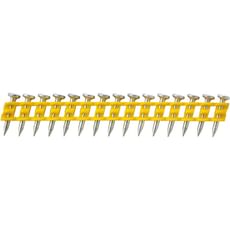
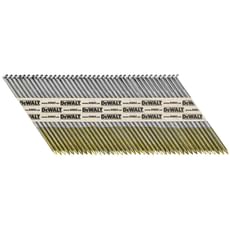
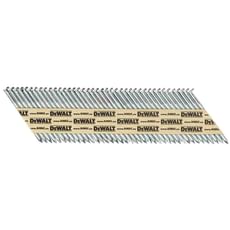
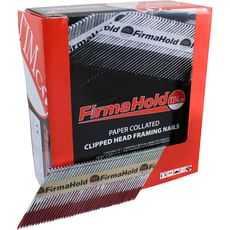
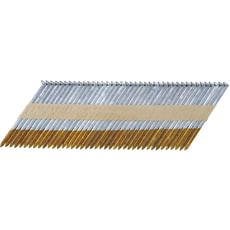
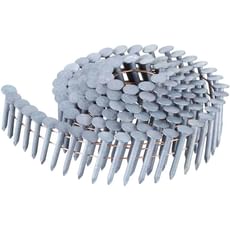
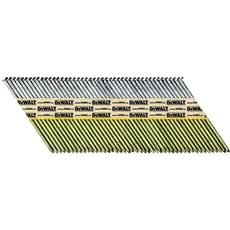
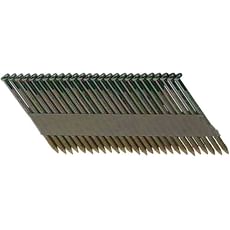
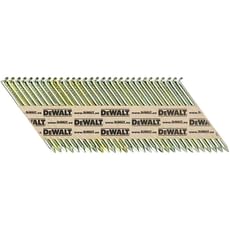
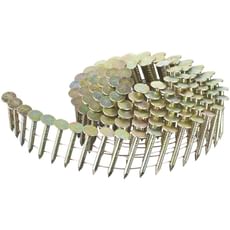
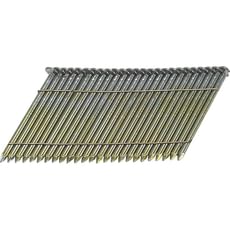
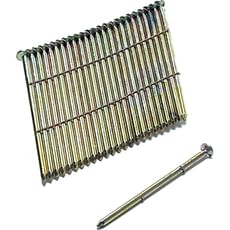
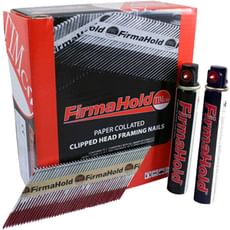
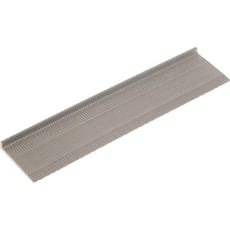
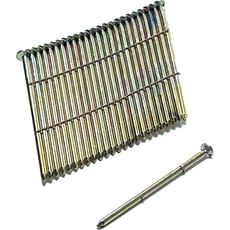
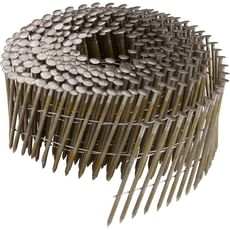

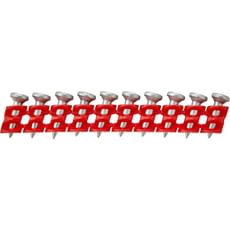
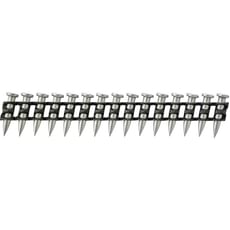
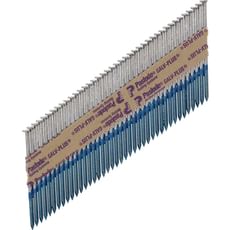
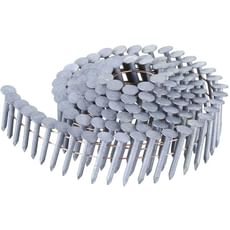
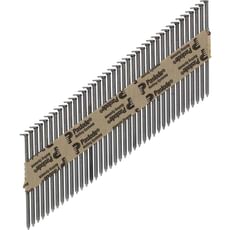
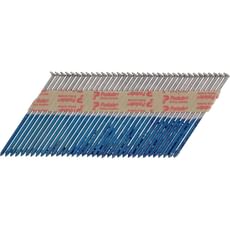
Paslode IM360CI Hot Dipped Galvanised Ring Shank Collated Nails and Gas
available
 Loading...
End of content
Error - No more pages to load
About Collated Nails
Collated nails are pre-assembled strips or coils of nails engineered specifically for use with nailers and nail guns, delivering a fast and efficient alternative to traditional hammer-driven fixings. Each nail is held together in sequence by plastic, paper or wire collation, allowing rapid-fire fastening that dramatically increases productivity on site. Available in various angles, lengths and finishes, collated nails are essential consumables for professional tradespeople who demand speed, consistency and reliability in their fixing applications. Tooled-Up.com stocks an extensive selection from leading manufacturers including DeWalt, Paslode, Firmahold, Bosch Professional, Makita and Stanley Bostitch.
The range covers virtually every fastening requirement, from first fix framing and roofing to flooring and concrete applications. Different collation angles – typically 21°, 28°, 34° or coil format – are designed to work with specific nail gun models from leading brands. The nail finish is equally important, with options including bright steel for interior work, galvanised for moderate weather protection, hot-dipped galvanised for maximum corrosion resistance, and stainless steel for demanding exterior or marine environments. Modern collated nails feature various shank designs to suit different applications, with smooth shank nails providing clean penetration and ring shank nails offering superior holding power through their ridged profile.
Whether you're fixing joists, installing roofing felt, laying tongue-and-groove flooring, fastening into concrete or securing formwork, there's a specifically designed collated nail to match your nail gun and application requirements. The comprehensive selection at Tooled-Up includes specialist concrete nails for gas nailers, structural framing nails in multiple lengths, galvanised roofing coils and precision-engineered nails for flooring applications.
Jargon Buster
- Collation Angle: The degree at which nails are held together in the strip or coil, typically 21°, 28° or 34°. Your nail gun is designed for a specific collation angle, so matching the correct nails to your tool is essential for proper function and safety.
- Ring Shank: A nail profile featuring circular ridges along the shaft that grip into timber fibres, providing significantly higher withdrawal resistance than smooth shank nails – ideal for structural applications and exterior work.
- Hot-Dipped Galvanised (HDG): A superior corrosion-resistant coating applied by immersing nails in molten zinc, offering the best protection for exterior applications and harsh environments – far more durable than standard electroplated galvanised finishes.
- Clipped Head vs Full Round Head: Clipped head nails have a D-shaped head allowing closer nail placement and more nails per strip, whilst full round head nails provide maximum surface contact and are often required by building regulations for structural applications.
- Stick Nails vs Coil Nails: Stick nails are held in straight strips (typically 20-40 nails per stick) for use in straight magazine nailers, whilst coil nails are assembled in a continuous coil (up to 300+ nails) for coil nailers, offering higher capacity but requiring a bulkier tool.
- First Fix vs Second Fix: First fix nails are longer, heavier gauge fasteners (typically 50-90mm) used for structural framing work, whilst second fix nails are finer and shorter, designed for trim, architrave and finishing applications where appearance matters.
Who Uses Collated Nails?
- Carpenters and Chippies: For framing, stud work, floor joist installation and general construction fastening
- Roofers: Securing roofing felt, battens and shingles with galvanised or stainless steel coil nails
- Flooring Specialists: Installing tongue-and-groove flooring, hardwood and engineered wood floors
- Fencers and Decking Installers: Fastening rails, posts and decking boards with corrosion-resistant nails
- Formwork Contractors: Quick assembly and dismantling of concrete formwork on construction sites
- Timber Frame Builders: Structural assembly of timber frame buildings requiring high-volume fastening
- Maintenance Teams: General repair and construction work across facilities and estates
- Pallet Manufacturers: High-speed production line assembly using industrial nail guns
- Shopfitters and Retail Contractors: Installing display units, frameworks and temporary structures
How to Choose the Right Collated Nails
Match Your Nail Gun: The most critical factor is ensuring compatibility with your specific nail gun model. Check your tool's manual for the correct collation angle (21°, 28°, 34° or coil), nail length range, gauge specification and head type. Leading brands like DeWalt, Paslode, Bosch Professional and Makita each have specific requirements, and using incorrect nails can cause jamming, misfiring or even tool damage.
Select the Right Finish: Bright steel nails are the most economical choice for interior work where moisture isn't a concern. Galvanised nails provide moderate corrosion protection for semi-exposed applications. Hot-dipped galvanised (HDG) nails offer superior rust resistance for exterior work, whilst stainless steel nails are the premium choice for coastal environments, treated timber or anywhere maximum durability is required.
Consider Shank Type: Smooth shank nails penetrate cleanly and are suitable for non-structural applications or where easy removal might be needed. Ring shank nails provide up to 40% greater withdrawal resistance and should be specified for structural framing, decking and any application where the fixing will be under stress or exposed to movement.
Length and Gauge: Nail length should be approximately three times the thickness of the material you're fixing – for example, use 75mm nails for 25mm timber. Heavier gauge (lower number) nails provide stronger fixings but require more powerful nail guns. Check local building regulations for specific requirements on structural applications.
Head Configuration: Full round head nails offer maximum holding power and are often specified by building regulations for structural work. Clipped head (D-head) nails allow more nails per strip and tighter nail spacing, increasing productivity, but check whether they're acceptable for your specific application under Building Regulations.
Popular Accessories
- Nailer Lubricating Oil: Essential maintenance product to keep your nail gun firing smoothly and prevent premature wear
- Replacement Batteries: Spare power packs for cordless nailers from DeWalt, Makita, Milwaukee and other major brands
- Safety Glasses and Hearing Protection: Critical PPE when operating nail guns on site
- Tool Bags and Holsters: Convenient carrying solutions for nail guns and collated nail boxes
- Air Hoses and Fittings: For pneumatic nail guns requiring compressed air supply
- Fuel Cells: Gas cartridges for gas-powered nailers like Paslode and other cordless gas models
- Depth Adjustment Tools: For precise control over nail sinking depth
- Cleaning Kits: Brushes and tools for maintaining your nailer and preventing jams
Safety Information
Collated nails are designed for use in powered nail guns which are classified as cartridge-operated or power-actuated tools under HSE guidance. Always wear appropriate PPE including safety glasses to protect against flying debris and hearing protection due to the noise generated. Ensure your nail gun's safety mechanism is functioning correctly – never bypass or disable safety features. Keep hands and body parts clear of the firing area, and never point a nail gun at yourself or others, even when unloaded.
Only use collated nails that match your specific nail gun model and are in good condition – damaged or corroded nails can cause dangerous misfires or tool jams. Store nails in a dry environment to prevent rust and deterioration of the collation material. When working at height, secure your nail gun with a lanyard to prevent drops. Be aware that some applications, particularly fixing into concrete or masonry, may require specific training and competence under construction site safety regulations. Always follow the manufacturer's instructions for both your nail gun and the collated nails you're using.
Frequently Asked Questions
Can I use any brand of collated nails in my nail gun?
Not necessarily. Whilst many nails are compatible across brands if they share the same collation angle and specifications, it's always best to check your nail gun's manual. Manufacturers like DeWalt, Paslode and Firmahold design their nails to specific tolerances, and using non-compatible nails can cause jamming, misfiring or damage to your tool. The collation angle (21°, 28°, 34°), nail gauge, length range and head type must all match your gun's specifications.
What's the difference between galvanised and hot-dipped galvanised nails?
Standard galvanised (electroplated) nails have a thin zinc coating suitable for interior use or areas with minimal moisture exposure. Hot-dipped galvanised (HDG) nails are immersed in molten zinc, creating a much thicker, more durable coating that provides superior corrosion protection for exterior applications. For decking, fencing or any work exposed to the elements, HDG or stainless steel nails are the better choice despite the higher cost.
How many nails come in a typical box or pack?
This varies considerably by nail type and manufacturer. Stick nails typically come in boxes of 1,000 to 3,000 nails (multiple sticks per box), whilst coil nails are often packaged in boxes of 7,200 to 9,000 nails. The exact quantity depends on nail length and gauge – shorter, lighter nails will have higher quantities per box. Always check the product specification to ensure you're ordering sufficient quantity for your project.
Do ring shank nails work out more expensive than smooth shank?
Ring shank nails typically cost 10-20% more than equivalent smooth shank nails, but this premium is usually worthwhile for structural applications or anywhere withdrawal resistance is important. The superior holding power means you may actually need fewer fixings or be able to use slightly shorter nails, potentially offsetting the cost difference. For non-structural interior work, smooth shank nails are perfectly adequate and more economical.
Can collated nails be used in treated timber?
Yes, but you must select the appropriate nail finish. Modern timber treatments contain chemicals that accelerate corrosion of standard steel nails. For pressure-treated timber, use either hot-dipped galvanised or stainless steel nails to prevent premature rust and staining. Standard galvanised nails may corrode relatively quickly in treated timber. Always check the timber manufacturer's recommendations and relevant Building Regulations for specific fastening requirements.