

Collated Screws
Pay in 3 interest-free payments on purchases from £30-2000 with  . Learn more.
 Loading...
End of content
Error - No more pages to load
About Collated Screws
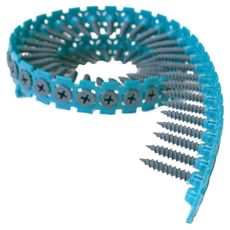
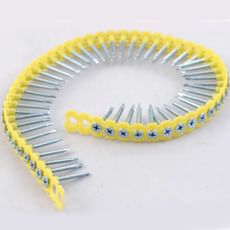
Collated screws are fasteners connected together in strips or magazines, specifically engineered for use with automated screwdriving tools and collated screw guns. Unlike traditional loose screws that require manual handling and positioning for each fixing, collated screws are fed automatically into the tool, dramatically increasing installation speed and efficiency on site. This makes them an essential choice for tradespeople and contractors working on large-scale projects where time and productivity are critical factors. The collation system typically uses plastic strips or wire to hold the screws together in precise alignment, allowing them to be loaded into compatible screw gun magazines for rapid, consistent fastening.
Common applications for collated screws include drywall installation, flooring work, decking, and general construction tasks where repetitive screwdriving is required. Tooled-Up.com stocks collated flooring screws, drywall screws, and compatible attachments from trusted brands like DeWalt, Makita, and Timco, ensuring professional tradespeople have access to the right fastening solutions for demanding projects. These screws are available in various lengths, gauges, and head types to suit different materials and substrates, from plasterboard on metal studs to tongue-and-groove flooring on timber joists.
Investing in collated screws and the appropriate collated screwdriver system can significantly reduce installation time compared to traditional methods—often by as much as 50-70%. This productivity gain not only helps complete jobs faster but also reduces fatigue from repetitive manual screwdriving, making them particularly valuable for larger commercial projects and high-volume residential work. For flooring contractors covering extensive areas or drywall installers working on new builds, the time savings quickly offset the premium cost of collated screws over loose equivalents.
Jargon Buster
- Collation: The method by which screws are connected together in a strip or magazine, typically using plastic strips or wire. This allows for automatic feeding into compatible screw guns and prevents screws from tangling or jamming during use.
- Magazine Capacity: The number of collated screws that can be loaded into a screw gun attachment at one time, typically ranging from 50 to 100+ screws depending on the system. Higher capacity means fewer reloading interruptions during work.
- Auto-Feed Mechanism: The system within a collated screw gun that automatically advances the next screw into position after each fastener is driven, eliminating the need for manual reloading between screws and maintaining consistent workflow.
- Screw Gauge: The diameter of the screw shaft, commonly measured in metric (mm) or imperial (gauge numbers). Collated screws are available in various gauges to suit different applications and material thicknesses—typical drywall screws are 3.5-4.2mm diameter.
- Self-Drilling Point: A specially designed screw tip that can pierce through materials without requiring a pilot hole, particularly useful for metal studs and sheet materials. This feature further increases installation speed on appropriate substrates.
- Robertson Drive: A square-socket drive system (also known as No. 2 Square) commonly used on flooring screws. This drive type provides excellent torque transfer and reduces cam-out compared to Phillips or Pozi drives.
Who Uses Collated Screws?
Collated screws are essential for a wide range of trades and applications:
- Drywall Installers and Plasterers: For rapid fixing of plasterboard to timber or metal studs on walls and ceilings, particularly in new build residential and commercial projects
- Flooring Contractors: Installing chipboard, plywood, or tongue-and-groove timber flooring efficiently across large areas, with consistent depth control to prevent squeaking
- Carpenters and Joiners (Chippies): General construction work requiring high-volume fastening on site, from first-fix structural work to second-fix boarding
- Shopfitters: Commercial fit-out work with tight deadlines and extensive boarding requirements in retail units, offices, and hospitality venues
- House Builders and General Contractors: New build construction where speed and consistency are paramount, helping meet demanding project schedules
- Decking Specialists: Installing composite or timber decking boards with uniform, professional results and reduced installation time on large domestic and commercial decking projects
- Renovation Contractors: Refurbishment projects involving extensive wall and ceiling work, particularly when working to tight timescales in occupied properties
- Maintenance Teams: Facilities management requiring efficient repairs and installations across commercial, education, and healthcare environments
How to Choose the Right Collated Screws
Application and Material: Different screw types are designed for specific tasks. Drywall screws feature a bugle head and fine thread for plasterboard installation, preventing paper tearing whilst sitting flush with the board surface. Flooring screws have coarser threads and greater shank strength for structural applications, often with reverse threads beneath the head to eliminate squeaking. Ensure the screw type matches your intended use—using drywall screws for flooring could result in inadequate holding power and potential failure under load.
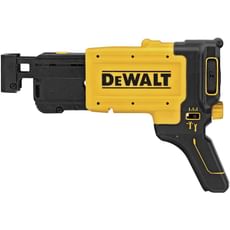
Compatibility with Your Tool: Collated screws must be compatible with your screw gun system. The range at Tooled-Up includes options for DeWalt, Makita, and other leading manufacturers, but these brands may use different collation systems. Verify that the strips will fit your specific tool model, whether you're using a dedicated collated screw gun or an attachment like the DeWalt DCF6202. Check whether your attachment accepts the magazine length and collation style of the screws you're considering.
Screw Length and Gauge: Choose a length appropriate for your material thickness—as a general rule, screws should penetrate at least 25mm into the substrate material for secure fixing. For drywall on timber studs, 25-38mm screws are typical, while flooring applications often require 45-60mm lengths depending on board thickness. The gauge (diameter) should provide adequate strength without risking material splitting—4.2mm is common for flooring work, while 3.5mm suits drywall applications.
Thread Type: Fine threads work best for metal studs and harder materials, providing greater thread engagement and pull-out resistance. Coarse threads provide superior grip in softwoods and sheet materials. Self-drilling points can eliminate the need for pre-drilling in thinner materials, saving additional time on metal stud installations.
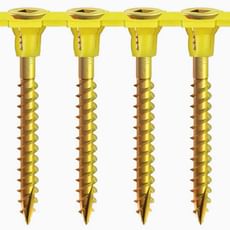
Head Configuration: Bugle heads are essential for drywall work as they sink flush without breaking the paper surface. Countersunk heads with ribs (common on flooring screws) prevent overdriving and provide a secure, squeak-free fixing. Robertson (square) drive heads offer excellent torque transfer and reduced cam-out compared to Phillips or Pozi drives.
Corrosion Resistance: For external applications or moisture-prone areas like bathrooms, choose screws with appropriate coating or treatment. Standard black phosphate coating suits interior work, while zinc-plated or specially coated screws offer better protection in demanding environments. For decking and external cladding, specify exterior-grade collated screws with enhanced corrosion resistance.
Quantity and Budget: Collated screws are typically sold in boxes containing multiple strips. Calculate your project requirements to avoid shortages or excessive waste—a typical new build house might require 5,000+ screws for flooring and drywall combined. While collated screws carry a premium over loose screws (typically 20-40% more per fastener), the labour savings on larger jobs quickly offset the additional material cost.
Popular Accessories
- Collated Screw Gun Attachments: Such as the DeWalt DCF6202, which converts standard drill drivers into auto-feed screwdrivers compatible with 18v XR systems
- Dedicated Collated Screw Guns: Purpose-built tools from Makita and DeWalt offering optimal balance and control for high-volume fastening with ergonomic design
- Screw Gun Belts and Holsters: For convenient tool carrying during extended working periods, keeping your hands free for material handling
- Replacement Magazines: Spare or additional magazines for quick reloading without downtime, allowing one magazine to be loaded whilst working with another
- Impact Driver Bits: PH2 Phillips, PZ2 Pozi, and Robertson No. 2 bits designed for repetitive use with enhanced durability and anti-cam-out features
- Magnetic Bit Holders: Extending reach and providing additional screw retention, particularly useful for ceiling work and awkward positions
- Depth Adjustment Accessories: Ensuring consistent screw depth for professional finishes in drywall and preventing overdriving in flooring applications
- Tool Batteries and Chargers: Extra power packs from Makita, DeWalt, or Milwaukee to maintain productivity throughout the working day without charging interruptions
- Knee Pads and Work Gloves: Personal protection during extended flooring or wall installation work, reducing fatigue and preventing injury
- Drywall Sanding Tools: For finishing plasterboard joints after screw installation, completing the professional installation process
Frequently Asked Questions
Can I use collated screws with any drill driver?
Not directly. You'll need either a dedicated collated screw gun or a compatible attachment like the DeWalt DCF6202 that converts your existing drill driver into an auto-feed system. These attachments are brand-specific and typically require 18v cordless drill drivers with sufficient torque, so ensure compatibility with your tool before purchasing. The attachment connects to your drill's chuck and houses the screw magazine with an automatic feeding mechanism.
Are collated screws more expensive than buying loose screws?
Yes, collated screws typically cost 20-40% more per screw than their loose equivalents due to the additional manufacturing process of collation. However, the significant increase in installation speed—often reducing driving time by half or more—means labour savings quickly outweigh the additional material cost on medium to large projects. For a professional tradesperson, the time saved can translate to completing an additional job per week, making the investment highly cost-effective.
What's the difference between drywall and flooring collated screws?
Drywall screws have a bugle-shaped head that sits flush without tearing the paper face of plasterboard, with fine threads (typically 3.5-4mm diameter) optimised for gripping board materials and metal or timber studs. Flooring screws feature coarser threads for superior holding power in timber, a stronger shank (often 4.2mm) to resist snapping under load, and often include a countersinking feature with reverse threads beneath the head to prevent squeaking in flooring applications. Using the wrong type can compromise fixing strength and performance.
How many screws are typically in a collated strip?
This varies by manufacturer and system, but most collated strips contain between 1,000 and 2,500 screws per box, organised in smaller strips of 50-100 screws each that load into the magazine. The strip length must match your screw gun magazine capacity—check your tool specifications before ordering. Brands like Timco, DeWalt, and Makita each have their own collation systems with specific strip configurations.
Can collated screws be used for outdoor decking projects?
Yes, provided you select screws with appropriate corrosion resistance for external applications. Standard black phosphate screws are unsuitable for outdoor use as they will rust rapidly when exposed to moisture. Choose zinc-plated, stainless steel, or specially coated collated screws rated for exterior applications. Timco and other manufacturers offer weather-resistant options specifically designed for decking and external construction work that comply with UK building regulations for exterior fixings.
Do I need different collated screws for metal studs versus timber studs?
Yes, metal stud applications require self-drilling collated screws with a sharp point designed to pierce through steel without pre-drilling. These typically have finer threads for better engagement with metal. Timber stud screws have a standard point and coarser threads optimised for wood fibres. Using timber screws on metal studs will result in poor penetration and potential stripping, whilst metal stud screws work in timber but are unnecessarily expensive for that application.