
Collets & Chucks

Pay in 3 interest-free payments on purchases from £20-£3000 with  . Learn more.
Loading...
End of content
Error - No more pages to load
About Collets & Chucks
Collets and chucks are precision-engineered tool-holding accessories that secure drill bits, router bits, grinding stones, cutting wheels, and other rotary attachments firmly in place during operation. These small but critical components act as the interface between power tools and their working attachments, ensuring accurate, professional results whilst preventing dangerous slippage. Whether you're working with a rotary multi-tool, router, or drill, selecting the correct collet or chuck is essential for both safety and performance. Collets provide exceptional concentricity and grip for precision applications, whilst chucks—particularly keyless designs—offer versatility and speed when changing between different accessories.
Tooled-Up.com stocks genuine replacement collets and chucks from industry-leading manufacturers including Dremel and Makita. The range includes mandrels for mounting cutting discs and polishing wheels, precision collet sets for intricate detail work, and heavy-duty router collets designed for professional woodworking applications. Collets are manufactured to accommodate specific shank diameters—commonly 3.2mm for rotary tools and 1/4" or 1/2" for routers—whilst multi-chucks like the Dremel 4486 provide versatility across multiple accessory sizes. Quick-change systems such as Dremel's EZ SpeedClic mandrels eliminate the need for spanners during projects, enabling tool-free accessory changes in seconds.
Understanding which tool-holding solution suits your application is crucial for achieving optimal results. Router collets deliver the concentricity required for clean edge profiling and joinery work, making them indispensable for cabinet makers and joiners. Mandrels enable the use of flexible accessories like felt polishing wheels and cut-off discs on rotary tools, perfect for model making, metal fabrication, and jewellery work. For DIY enthusiasts and tradespeople who frequently switch between drilling, grinding, and cutting operations, keyless chucks offer the convenience of hand-tightening without requiring separate chuck keys.
Jargon Buster
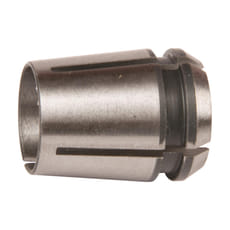
- Collet: A precision split sleeve with a tapered external surface that contracts uniformly around a tool shank when tightened, providing excellent grip and concentricity. Essential for routers and rotary tools where accuracy is paramount.
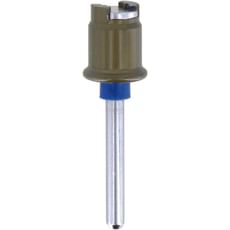
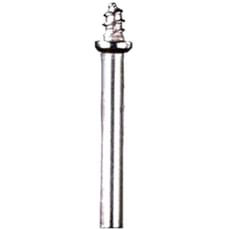
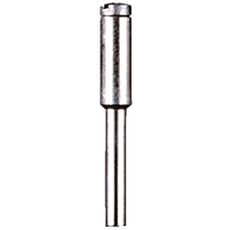
- Mandrel: A shaft or arbor designed to hold cutting discs, sanding drums, or polishing wheels. Mandrels screw into rotary tools and feature a small screw or spindle to secure the accessory firmly during operation.
- Shank Diameter: The measurement of the smooth cylindrical shaft on drill bits, router bits, or accessories that fits into the collet or chuck. Common sizes include 3.2mm for rotary tools and imperial measurements like 1/4" and 1/2" for routers.
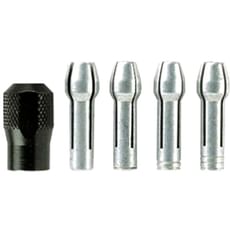
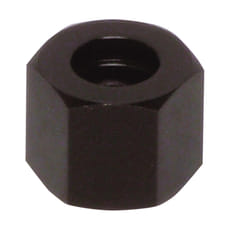
- Collet Nut: The threaded component that screws onto the tool spindle to compress the collet around the bit shank. Must be tightened to the manufacturer's specified torque for safe operation and optimal grip.
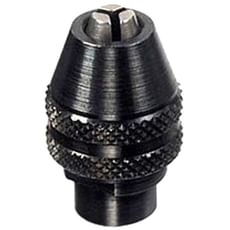
- Keyless Chuck: A chuck design allowing hand-tightening and loosening without requiring a separate chuck key, enabling faster accessory changes on site and in workshop environments.
- EZ SpeedClic System: Dremel's quick-change mandrel system that allows tool-free accessory changes in seconds, eliminating the need for spanners or collet changes during multi-stage projects.
Who Uses Collets & Chucks?
Collets and chucks are essential accessories for a wide range of trades and applications, including:
- Woodworkers and Cabinet Makers: Using router collets for edge profiling, joinery work, and decorative routing applications
- Joiners and Carpenters: Relying on precision collets for routing hinges, locks, and architectural details in timber installations
- Model Makers and Craftspeople: Requiring small collets and mandrels for intricate engraving, carving, and detail work on miniature projects
- Metal Fabricators: Using mandrels for grinding, cutting, deburring, and finishing metal components and fabrications
- Jewellery Makers: Depending on micro-collets for precision drilling, engraving, and polishing precious metals and stones
- Maintenance Engineers: Keeping spare collets and chucks for equipment servicing, repair work, and plant maintenance applications
- DIY Enthusiasts: Home improvers tackling projects from furniture restoration and craft making to property renovation work
- Shopfitters and Installers: Using routers with appropriate collets for on-site customisation and fitting work in retail and commercial environments
How to Choose the Right Collets & Chucks
Tool Compatibility: Always verify that the collet or chuck is designed specifically for your tool model. Makita router collets, for example, are engineered to precise tolerances for specific router models including the RP1801, RP2301, and 3612 series. Using incompatible components compromises both safety and performance, potentially causing dangerous slippage during operation.
Shank Size Requirements: Identify which shank diameters you work with most frequently. If you predominantly use 1/4" router bits but occasionally require 1/2" capacity for heavier profiling work, ensure you have the appropriate collet for each size. The Dremel 4485 5-piece collet set covers the most common sizes for rotary tool accessories, from fine 0.8mm shanks through to 3.2mm standard sizes.
Application Type: For precision routing and professional woodworking, standard collets provide superior grip and concentricity essential for clean cuts and accurate joinery. For varied DIY work requiring frequent accessory changes, consider keyless chucks or quick-change systems like the Dremel SC402 EZ SpeedClic mandrel that eliminate tool-changing downtime between operations.
Genuine Manufacturer Parts: Whilst aftermarket collets may appear economical, genuine parts from manufacturers like Makita and Dremel are manufactured to exacting standards, ensuring proper fit, balance, and longevity. This is particularly important for high-speed routing applications where vibration and runout directly affect finish quality and tool life.
Condition and Replacement: Collets wear over time, developing grooves or losing their spring tension. Replace collets showing visible wear, as worn collets can allow bits to slip during operation—a serious safety hazard. Professional tradespeople should keep spare collets on hand, especially for site work where downtime impacts productivity and project deadlines.
Popular Accessories
Complement your collets and chucks with these related accessories available from Tooled-Up:
- Router Bits: TCT and HSS router bits in various profiles for edge treatments, joinery, and decorative routing work
- Rotary Tool Accessories: Cutting discs, grinding stones, sanding drums, and polishing wheels for Dremel and compatible rotary multi-tools
- Collet Spanners: Dedicated wrenches for tightening collet nuts to the correct torque without damaging components
- Router Bushes: Template guides that work in conjunction with collets for precise pattern routing and template work
- Drill Bits: HSS, brad point, and carbide-tipped bits with appropriate shank sizes matching your chuck capacity
- Cutting and Grinding Discs: Abrasive accessories designed for use with mandrels on rotary tools for metalwork and fabrication
- Tool Storage Solutions: Organised cases from Makita MakPac, DeWalt TSTAK, and Milwaukee PACKOUT systems to protect collets and accessories
Safety Information
Always disconnect power before changing collets, chucks, or accessories. Remove the plug from the 240v mains socket or remove the battery pack to eliminate any risk of accidental starting during accessory changes.
Ensure proper tightening: Collet nuts must be securely tightened according to the manufacturer's specifications, but avoid over-tightening which can damage the collet or make removal difficult. Use the correct spanner or wrench provided with your tool.
Check shank insertion depth: Insert router bits and accessories to the recommended depth—typically with at least three-quarters of the shank length gripped by the collet. Never grip accessories by the flute or cutting edge, as this can cause dangerous breakage during operation.
Inspect before use: Examine collets for cracks, wear grooves, or damage before each use. Check that accessories are appropriate for the tool's maximum RPM rating. Operating damaged collets or using incorrectly rated accessories can result in dangerous projectiles being ejected at high speed.
Wear appropriate PPE: Always use safety glasses or goggles when operating rotary tools and routers. Consider hearing protection for extended use, and ensure adequate dust extraction or respiratory protection when required under HSE guidance and COSHH regulations.
Frequently Asked Questions
What's the difference between a collet and a chuck?
A collet is a precision split sleeve that contracts around a specific shank size when tightened, providing excellent concentricity and grip—ideal for routers and applications requiring accuracy. A chuck, typically with three jaws, can accommodate a range of shank sizes and often features keyless operation for quick changes, making it versatile for drill/driver and multi-purpose applications.
How do I know which collet size I need?
Check the shank diameter of your router bits or accessories, which is usually marked on the product or packaging. Common router bit shanks are 1/4" (6.35mm) and 1/2" (12.7mm), whilst Dremel and rotary tool accessories typically use 3.2mm or smaller shanks. You'll need a collet that matches each shank size you use—collets are not interchangeable between different shank diameters.
Can I use any brand of collet with my router?
No—collets are precision-engineered for specific tool models and aren't interchangeable between brands or even between different models from the same manufacturer. Always use collets specified for your exact router model, such as Makita collets designed for the RP1801, RP2301, and 3612 router series.
How often should I replace my collets?
Replace collets when you notice visible wear grooves from bit shanks, reduced spring tension, difficulty achieving secure tightening, or any cracks or damage. Professional users should inspect collets regularly and replace them annually or sooner with heavy use. Worn collets compromise both safety and work quality, potentially allowing bits to slip during operation.
What is a mandrel used for?
A mandrel is a shaft accessory that holds cutting discs, sanding drums, polishing wheels, or grinding stones on rotary tools like Dremel multi-tools. The accessory mounts onto the mandrel shaft and is secured with a small screw or by friction fit, allowing you to use flexible accessories that can't be gripped directly by a collet. Mandrel packs like the Dremel 401 and 402 are essential for metalwork, polishing, and detail finishing applications.