

Collets
Pay in 3 interest-free payments on purchases from £30-2000 with  . Learn more.
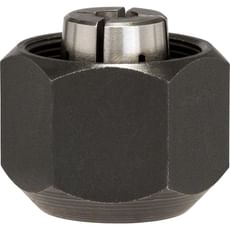
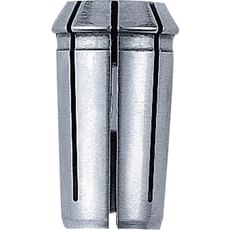
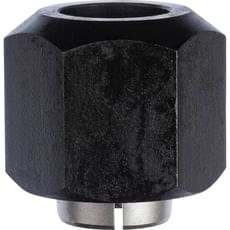
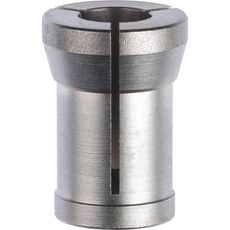
 Loading...
End of content
Error - No more pages to load
About Collets
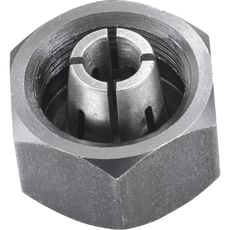
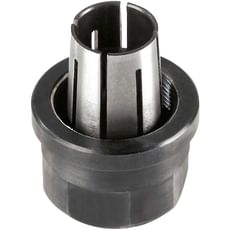
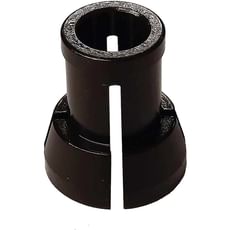
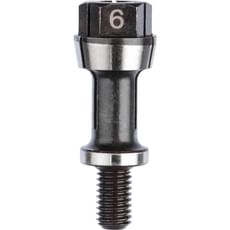
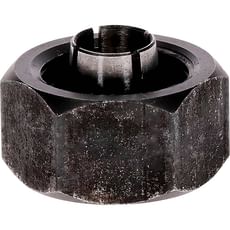
Collets are precision-engineered clamping devices that secure router bits, burrs, and rotary cutting tools in routers, trim routers, and straight grinders. These tapered, slotted sleeves compress evenly around the tool shank when tightened with a collet nut, ensuring the bit runs concentrically without wobble or vibration. This precision is critical for achieving clean cuts, preventing tool damage, and maintaining safe operation during routing, profiling, and grinding tasks. Available in standard sizes including 1/4" (6.35mm), 8mm, and 1/2" (12.7mm), collets must match both your router model and the shank diameter of your cutting tools.
The selection at Tooled-Up.com includes genuine manufacturer collets from professional brands such as Bosch Professional, DeWalt, Makita, Festool, and Trend. These are engineered to exact tolerances for specific router models, from compact 18v cordless trim routers like the Bosch ADVANCEDTRIMROUTER 18V-8 to heavy-duty plunge routers such as the DeWalt DW625 and Makita RP0900. Model-specific compatibility is essential – a collet designed for a Bosch GGS series straight grinder won't fit a DeWalt router, and even within the same brand, different model ranges often require dedicated collets.
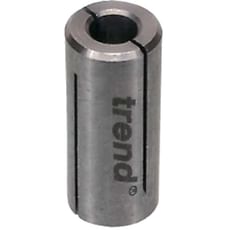
Collets are essential replacement components that wear over time through normal use. Debris buildup, scoring from repeated bit changes, and metal fatigue can all reduce gripping power and introduce runout. Replacing worn collets restores precision, prevents dangerous bit slippage during operation, and extends the working life of your routing equipment. Tooled-Up also stocks collet reduction sleeves, which allow smaller shank bits to be used in larger collets – for example, fitting a 1/4" shank bit into a 1/2" collet – expanding the versatility of your router without purchasing additional equipment.
Jargon Buster
- Collet: A tapered, slotted cylindrical sleeve that compresses uniformly around a tool shank when tightened, providing a secure, centred grip in the router or grinder spindle.
- Shank Diameter: The diameter of the smooth cylindrical portion of a router bit that fits into the collet. Common UK sizes include 1/4" (6.35mm), 8mm, and 1/2" (12.7mm).
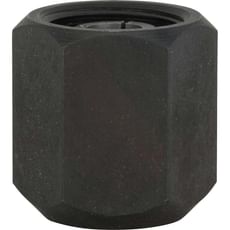
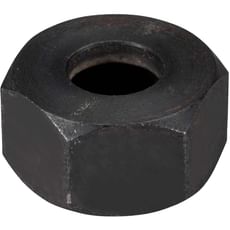
- Collet Nut: The threaded nut that screws onto the spindle and compresses the collet around the bit shank as it's tightened, creating the clamping force.
- Reduction Sleeve: An adapter collet that fits inside a larger collet, allowing smaller diameter shanks to be used – for instance, using a 1/4" bit in a 1/2" collet assembly.
- Runout: The amount of wobble or deviation from true centre when a bit rotates. Worn or damaged collets increase runout, resulting in poor cut quality and potential safety hazards.
- Taper Angle: The conical angle of the collet that matches the router's spindle taper, ensuring proper seating, alignment, and even load distribution during operation.
Who Uses Collets?
Collets are essential replacement components for a wide range of trades and users:
- Joiners and cabinetmakers who depend on routers for mortising, edge profiling, groove cutting, and template work
- Kitchen and bathroom fitters cutting worktop joints, trimming laminate edges, and scribing units to walls
- Shopfitters creating rebates, decorative profiles, and precision joinery in retail and commercial installations
- Carpenters and general builders using routers for door hanging, architrave work, hinge recesses, and site carpentry
- Woodworking hobbyists and DIY enthusiasts maintaining their routing equipment for furniture making and home improvement projects
- Sign makers using trim routers and engraving tools for detailed lettering and decorative work
- Workshop and maintenance technicians keeping professional routing equipment in optimal working condition
- Furniture makers and restoration specialists requiring precision tooling for fine joinery and reproduction work
How to Choose the Right Collets
Model Compatibility: Always match the collet to your specific router model number. Collets are not universally interchangeable – a collet for a Bosch POF series router won't fit a Makita RP0900 or DeWalt DW625. Check your router's model plate and consult the manufacturer's specifications or your user manual to identify the correct replacement part number.
Shank Size: Determine which shank diameter you need based on your router bit collection. In the UK, 1/4" (6.35mm) collets are standard for lighter trim routers and smaller profile bits, while 1/2" (12.7mm) collets are preferred for heavy-duty routing with larger panel-raising cutters and mortising bits. Some European routers use 8mm collets. Never force a metric bit into an imperial collet or vice versa – the fractional size difference can compromise safety.
Genuine vs Pattern Parts: Manufacturer-genuine collets from brands like Bosch, DeWalt, Makita, and Festool ensure precise machining tolerances, proper taper angles, and correct material hardness. Pattern alternatives may offer cost savings but can introduce runout, wear prematurely, or fail to grip adequately. For professional use where accuracy and safety are paramount, genuine replacement collets are recommended.
Condition Assessment: Replace collets showing visible wear, scoring on internal surfaces, deformation of the slots, or discolouration from overheating. Warning signs include difficulty removing bits, visible gaps when the collet is installed, increased vibration during use, poor cut quality, or burn marks on bit shanks. Regular inspection is part of good preventative maintenance.
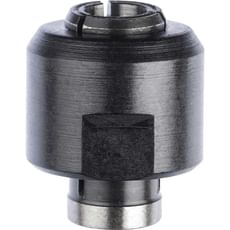
Complete Assemblies: Some replacement collets come with matching locking nuts, which should also be replaced if worn, cross-threaded, or damaged. Ensure you order the complete assembly if your existing nut shows signs of damage or doesn't tighten properly.
Popular Accessories
- Router Bits: Build a comprehensive collection including straight cutters, bearing-guided trimmers, profile bits, dovetail cutters, and panel-raising bits
- Collet Extension Rods: Extend reach for shallow routing applications and improve clearance when working with guide bushes
- Router Spanners: Dedicated wrenches designed to fit collet nuts without damaging components or marring the spindle
- Cleaning Brushes and Solvents: Remove resin, pitch, and dust buildup from collet slots to maintain optimal gripping power
- Router Baseplates: Replacement or aftermarket bases for improved accuracy, dust extraction, and versatility
- Guide Bushes: Template guides for pattern routing, hinge recessing, and precision joinery work
- Router Tables: Dedicated workstations that transform handheld routers into stationary machines for improved precision
- Bit Storage Cases: Organised storage solutions that protect router bits and keep shanks clean and free from corrosion
Safety Information
Proper collet maintenance is essential for safe router operation. Always disconnect the 240v power supply or remove the battery pack before changing bits or collets. Never use damaged, worn, or incorrect collets, as this can lead to bit ejection during operation – a potentially fatal safety hazard. Ensure the bit shank is fully inserted into the collet with at least three-quarters of the shank length gripped, and never bottom out the bit against the base of the collet bore, which can prevent proper compression.
Tighten collet nuts firmly using the appropriate spanners, typically requiring two spanners – one to hold the spindle and one to tighten the nut. Avoid over-tightening, which can damage the collet, distort the taper, or strip the spindle threads. Clean collets regularly using a wire brush and solvent to remove pitch, resin, and wood dust that can prevent proper compression and introduce runout.
When routing, always wear appropriate PPE including impact-resistant safety glasses, hearing protection, and dust masks when working indoors. Ensure workpieces are securely clamped or held in a router table, never hand-held during operation. Follow HSE guidelines for woodworking machinery, maintain proper guarding, and consult your router manufacturer's specific safety instructions. Never use a router with a damaged or missing collet, and inspect before each use in professional environments.
Frequently Asked Questions
How often should I replace my router collet?
Replace collets when you notice decreased gripping power, visible wear or scoring on internal surfaces, difficulty removing bits, or increased runout causing poor cut quality. Professional users in high-volume joinery workshops should inspect collets monthly and replace annually or sooner if wear is evident. DIY users should inspect collets before major projects and replace every few years depending on usage frequency.
Can I use a 1/4" bit in a 1/2" collet with a reduction sleeve?
Yes, reduction sleeves available from Tooled-Up allow smaller shank bits to be used safely in larger collets. However, for regular use of 1/4" bits, a dedicated 1/4" collet provides better accuracy, rigidity, and reduced runout. Reduction sleeves are ideal for occasional use or when working with mixed bit collections where changing collets frequently would be impractical.
Why won't my router bit stay tight in the collet?
This typically indicates a worn collet with enlarged or deformed slots, debris preventing proper compression, a damaged collet nut, or using the wrong size collet. Clean the collet thoroughly with a wire brush and white spirit, inspect for visible damage or cracks, and replace if worn. Also ensure you're using the correct collet for your bit's shank diameter – metric and imperial sizes are not interchangeable even when they appear similar.
Are collets interchangeable between different router brands?
No, collets are manufacturer-specific and often model-specific within the same brand. A Makita collet won't fit a Bosch router, and a collet for a DeWalt DW624 won't fit a DW625 despite both being DeWalt models. Always verify compatibility with your exact router model number stamped on the machine before purchasing a replacement collet.
What's the difference between a collet and a drill chuck?
Collets provide significantly higher precision and concentricity than adjustable drill chucks, making them essential for routing where runout must be minimal for clean cuts. Collets are designed for specific shank sizes and compress evenly around the entire circumference with a tapered grip, whereas drill chucks have adjustable jaws suited to drilling applications where some runout is acceptable and versatility across sizes is more important than absolute precision.