

Combination Spanners
Pay in 3 interest-free payments on purchases from £30-2000 with  . Learn more.
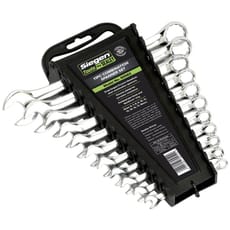
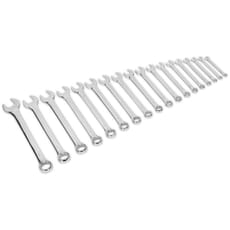
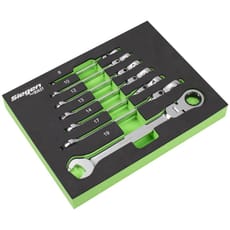
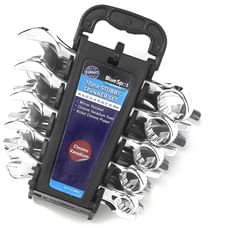
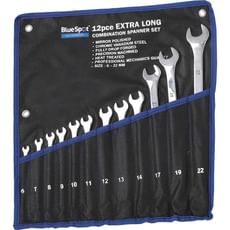
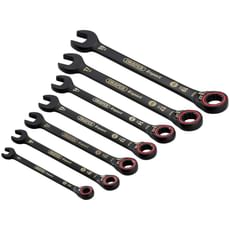
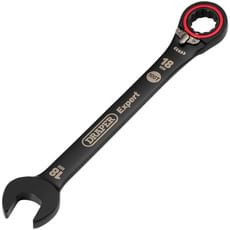
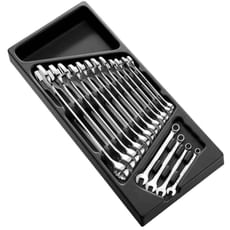
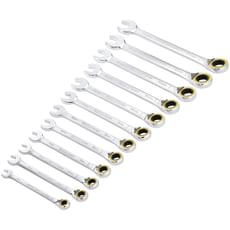
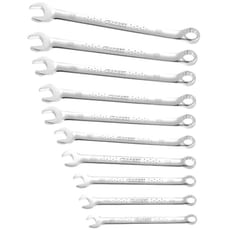
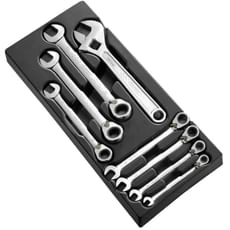
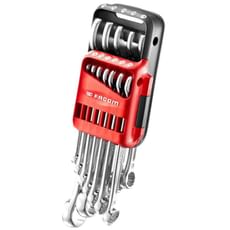
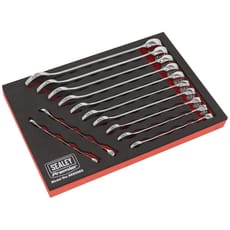
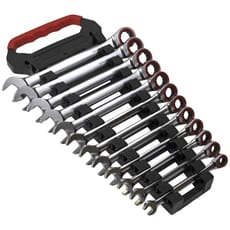
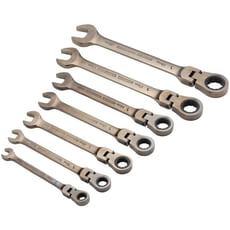
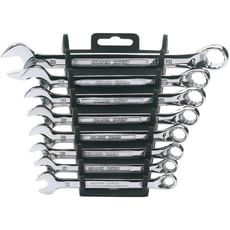
 Loading...
End of content
Error - No more pages to load
About Combination Spanners
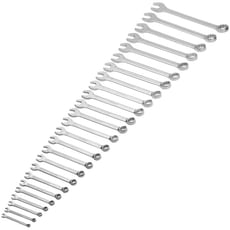
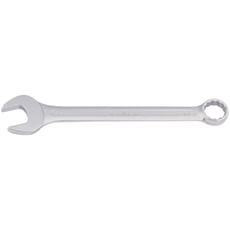
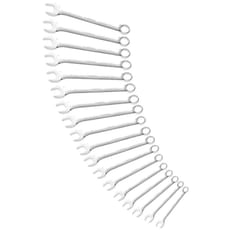
Combination spanners are fundamental hand tools that feature a ring spanner on one end and an open-ended spanner on the other, both sized to fit the same nut or bolt. This dual-purpose design makes them incredibly versatile, allowing tradespeople and DIY enthusiasts to tackle a wide range of fastening tasks with a single tool. The ring end provides a secure grip and even distribution of force, ideal for loosening tight fixings or applying final torque, whilst the open end offers quick access in confined spaces or for rapid spinning on longer threads.
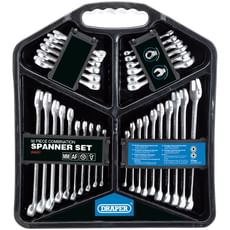
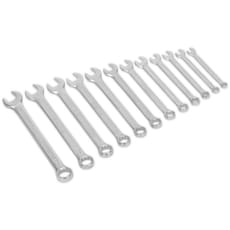
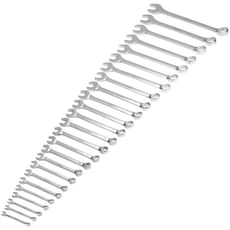
The selection at Tooled-Up.com includes individual pieces and complete sets from trusted brands including Bahco, Draper, BlueSpot, and Bosch Professional. Whether you need metric or imperial sizing, standard length or extra-long reach, traditional fixed-head designs or modern ratchet mechanisms, quality options are available to suit professional and DIY requirements. Sets typically range from compact 6-piece collections perfect for basic maintenance work through to comprehensive 25-piece sets that cover virtually every standard fixing size you're likely to encounter.
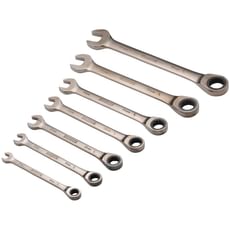
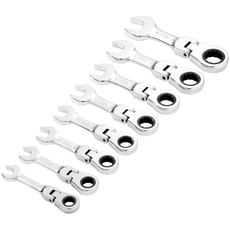
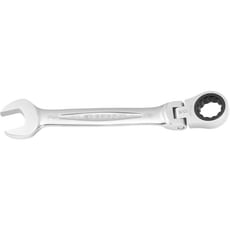
Modern innovations have enhanced the traditional combination spanner design significantly. Ratchet combination spanners eliminate the need to remove and reposition the tool with each turn, dramatically speeding up work in repetitive tasks. Flexible head ratchet spanners offer additional versatility with articulating heads that can reach awkward angles, whilst extra-long variants provide the leverage needed for seized fixings or the reach required in deep recesses. Chrome vanadium steel construction ensures durability and corrosion resistance for years of reliable service across demanding professional applications.
Jargon Buster
- Ring End
- The closed circular end of a combination spanner that completely surrounds the nut or bolt head, providing maximum contact and grip. This end is less likely to slip and damage fixings, making it ideal for applying high torque.
- Open End
- The U-shaped jaw at the opposite end of the spanner, angled typically at 15 degrees to the handle. This design allows quick positioning and removal, particularly useful when thread length prevents using a ring spanner.
- Ratchet Mechanism
- A one-way drive system integrated into the ring end that allows the spanner to tighten or loosen without removing it from the fixing. This significantly speeds up work and reduces hand fatigue on repetitive tasks.
- Chrome Vanadium (Cr-V)
- A high-strength steel alloy commonly used in quality spanners. The chrome content provides corrosion resistance and a polished finish, whilst vanadium increases toughness and wear resistance.
- Midget Spanners
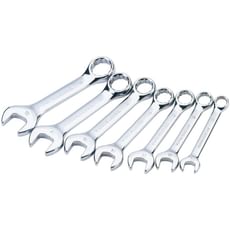
- Compact combination spanners with shorter handles and smaller head profiles, designed specifically for working in tight spaces or on precision equipment where standard-sized tools cannot fit.
- Flexible Head
- An articulating ring end that pivots through various angles, allowing access to fixings at awkward positions without needing multiple different spanner configurations.
Who Uses Combination Spanners?
Combination spanners are fundamental tools across virtually every trade and industry:
- Motor Mechanics and Vehicle Technicians – Essential for all automotive repair and maintenance work, from routine servicing to engine rebuilds
- Plant and Machinery Fitters – Critical for assembling, maintaining and repairing industrial equipment and production machinery
- Plumbers and Heating Engineers – Required for pipework connections, radiator valves, boiler components and compression fittings
- Electricians – Useful for cable gland assembly, busbar connections and electrical panel installation
- Agricultural Engineers – Indispensable for farm machinery maintenance and repair work in outdoor environments
- Bicycle Mechanics – Smaller sizes perfect for cycle maintenance and assembly
- HVAC Technicians – Necessary for ductwork, ventilation systems and air conditioning unit installation
- Maintenance Engineers – Used across all sectors for equipment servicing and facility upkeep
- DIY Enthusiasts – Fundamental for home maintenance, furniture assembly, automotive work and general repairs
How to Choose the Right Combination Spanners
Set vs Individual Spanners: For tradespeople and serious DIYers, a comprehensive set offers better value and ensures you have the right size for most jobs. Popular configurations include 8-piece, 12-piece and complete 25-piece sets covering all common metric or imperial sizes. Individual spanners suit those needing to replace a lost tool or requiring specialist sizes.
Measurement System: UK and European machinery typically uses metric fasteners (measured in millimetres), whilst older equipment and some imported goods may use imperial (AF – Across Flats) sizes. Professional mechanics often require both systems. Common metric sizes range from 6mm to 32mm, with 8mm to 19mm being most frequently used.
Standard vs Ratchet Design: Traditional fixed combination spanners are reliable, affordable and require no maintenance. Ratchet combination spanners cost more but dramatically increase productivity on repetitive fastening tasks, particularly valuable for professional tradespeople working to tight deadlines. The ratchet mechanism eliminates constant repositioning, reducing hand fatigue significantly.
Handle Length: Standard length spanners balance leverage with manoeuvrability. Extra-long variants provide additional torque for seized fixings and better reach into deep recesses but sacrifice accessibility in confined spaces. Midget spanners offer reduced length and head profiles for precision work in tight locations.
Material Quality: Chrome vanadium steel represents the professional standard, offering excellent strength, durability and corrosion resistance. Budget alternatives may use lower-grade materials that can round off under high torque or wear more quickly. Quality spanners from brands like Bahco, Draper and Bosch Professional feature precisely machined jaws that fit fixings accurately, reducing rounding and damage.
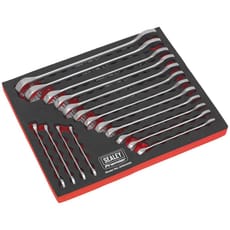
Special Features: Flexible head ratchet spanners provide articulation for awkward angles. Some designs incorporate colour-coded handles for size identification, whilst others feature size markings both on the handle and jaws for easy selection. Storage cases or tool rolls keep sets organised and protected.
Popular Accessories
- Spanner Organisers and Tool Rolls – Keep sets organised, protected and easily transportable between jobs
- Socket Sets – Complementary fastening tools offering deeper reach and additional drive options
- Adjustable Spanners – Variable jaw opening for non-standard sizes and emergency situations
- Torque Wrenches – Precision tightening to manufacturer specifications for critical fastenings
- Penetrating Fluid – Essential for releasing seized or corroded fixings before applying spanners
- Tool Storage Systems – Stanley FatMax, DeWalt TSTAK and Milwaukee PACKOUT systems for organised workshop or van storage
- Engineer's Files – For cleaning up damaged bolt heads or removing burrs
- Magnetic Parts Trays – Prevents losing nuts, bolts and washers during disassembly
Safety Information
Whilst combination spanners are relatively safe tools, proper use prevents injury and damage:
Pull, Don't Push: Where possible, pull the spanner handle towards you rather than pushing away. This provides better control and reduces injury risk if the spanner slips or the fixing suddenly releases. If you must push, use an open palm rather than a clenched fist to prevent knuckle injuries.
Correct Size Selection: Always use the correctly-sized spanner for the fastening. Oversized spanners damage fixings and are more likely to slip, potentially causing injury. Using spanners as makeshift hammers or with pipe extensions ("cheater bars") can cause tool failure and is dangerous practice.
Inspect Before Use: Check spanners regularly for signs of wear, damage or cracking, particularly around the ring end and jaw areas. Damaged tools should be withdrawn from service immediately. Keep jaws clean and free from oil or grease that could cause slippage.
Electrical Safety: When working near live electrical components, use insulated tools where appropriate. Standard chrome-plated spanners conduct electricity and present electrocution risks. Follow HSE guidance and isolate electrical systems before work wherever possible.
Frequently Asked Questions
What's the difference between metric and AF spanners?
Metric spanners are sized in millimetres and fit fasteners measured across flats in the metric system (6mm, 8mm, 10mm, etc.). AF (Across Flats) or imperial spanners use fractional inches (1/4", 5/16", 3/8", etc.). UK and European equipment predominantly uses metric, whilst older machinery and some imports may require AF sizes. The two systems are not interchangeable – using the wrong system damages fixings.
Are ratchet combination spanners worth the extra cost?
For professional tradespeople undertaking repetitive fastening work, ratchet combination spanners significantly increase productivity and reduce hand fatigue. The mechanism allows continuous tightening or loosening without removing the tool from the fixing. Browse the ratchet spanner selection at Tooled-Up.com to compare options from Bahco, Bosch Professional and BlueSpot. Whilst they cost more than traditional spanners and require occasional maintenance, the time savings quickly justify the investment for regular users. DIY enthusiasts with occasional use may find standard spanners adequate.
How do I maintain my combination spanners?
Wipe spanners clean after use, particularly if exposed to oil, grease or moisture. Store in a dry environment to prevent corrosion – tool rolls or organised storage systems work well. For ratchet spanners, occasionally apply a drop of light machine oil to the mechanism. Avoid exposing tools to extreme temperatures or harsh chemicals. Quality chrome vanadium spanners from brands like Bahco require minimal maintenance but inspection for wear or damage should be routine.
Can I use combination spanners on rounded or damaged fixings?
Combination spanners work best on fixings in good condition. The ring end provides the best grip on slightly rounded heads, but severely damaged fixings may require specialist tools like bolt extractors or locking grip pliers. Using incorrect-sized spanners causes rounding, so ensure proper fit before applying force. For seized fixings, apply penetrating fluid and allow time to work before attempting removal.
What sizes should I include in a basic toolkit?
For general DIY and household maintenance, an 8-piece to 12-piece metric set covering 8mm to 19mm handles most common tasks. Professional tradespeople benefit from more comprehensive 14-piece or 25-piece sets available from Tooled-Up. The most frequently used sizes are typically 10mm, 13mm, 17mm and 19mm. Consider your specific work – automotive mechanics might prioritise different sizes compared to appliance repair technicians.