

Combination Squares
Pay in 3 interest-free payments on purchases from £30-2000 with  . Learn more.

 Loading...
End of content
Error - No more pages to load
About Combination Squares
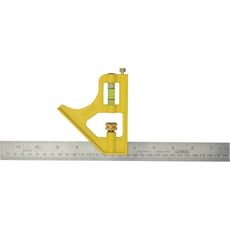
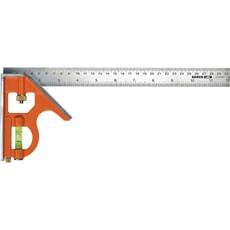
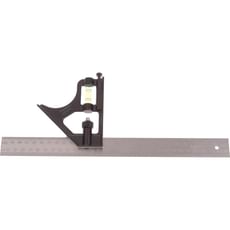
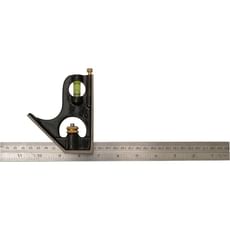
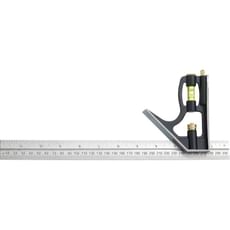
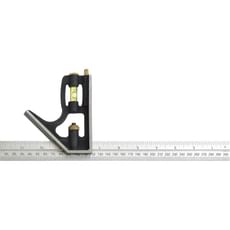
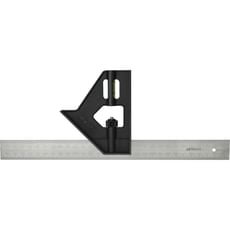
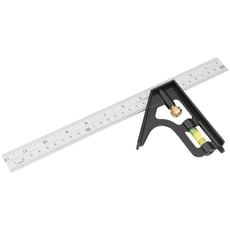
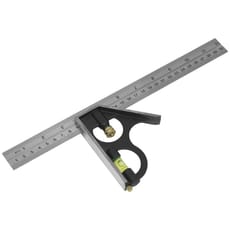
A combination square is an indispensable precision tool that brings together multiple measuring and marking functions in one robust, portable instrument. At its core, this versatile tool comprises a graduated steel blade—typically available in 150mm or 300mm lengths—paired with a sliding head that locks securely at any position along the ruler. The head features precision-ground reference faces at both 90 degrees and 45 degrees, enabling tradespeople to check right angles, mark perfect mitres, measure depths, gauge heights, and verify levels with exceptional accuracy. This multi-functional capability makes the combination square one of the most frequently reached-for tools in carpentry, metalwork, and general construction.
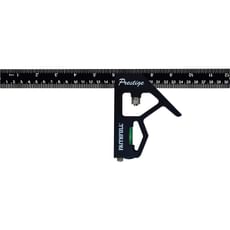
Modern combination squares have evolved significantly from their simple predecessors. Premium models available at Tooled-Up.com now feature hardened stainless steel blades with deeply etched metric graduations that remain legible through years of site use, whilst the heads are manufactured from cast iron or aluminium with precision-ground faces to guarantee true readings. Many professional-grade versions incorporate additional features such as an integrated spirit level vial for checking horizontal and vertical surfaces, a replaceable scribe pin for marking metal and timber, and ergonomic lock mechanisms that secure the head firmly against the blade even during demanding applications.
Whether you're a joiner checking the squareness of cabinet carcasses, a fabricator scribing cutting lines on steel plate, or a general builder verifying corner angles throughout a construction project, a quality combination square delivers the reliability and precision essential for professional results. The Tooled-Up range includes trusted brands such as Bahco, Stanley, Faithfull, Fisher, and Draper, offering everything from budget-friendly entry-level models suitable for apprentices and DIY enthusiasts through to premium prestige ranges that meet the exacting standards of specialist craftspeople and engineering workshops.
Jargon Buster
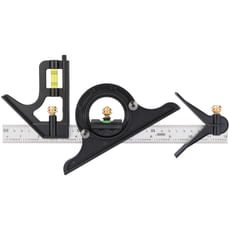
- Blade/Rule: The graduated steel ruler component that slides through the stock. Features metric measurements (and sometimes imperial) etched or printed along its length, typically ranging from 150mm to 300mm for standard models, though specialist engineering versions may extend to 600mm.
- Stock/Head: The main body component that slides and locks onto the blade. Houses the precision-ground 90-degree and 45-degree reference edges, often incorporates a spirit level vial, and typically includes storage for the scribe pin.
- Scribe: A hardened steel pin stored within the head, used for marking or scribing precise lines on metal, timber, plastic, and other materials. Can be removed and replaced when the point becomes worn through regular use.
- Spirit Level Vial: A small bubble level integrated into the head, allowing quick verification that surfaces are level or plumb without requiring a separate spirit level tool—particularly useful when working alone or in confined spaces.
- Lock Nut/Thumbscrew: The tightening mechanism that secures the head firmly at any position along the blade, ensuring it remains absolutely stationary during measuring, marking, or checking operations. Quality models feature knurled brass or steel thumbscrews for reliable grip even with gloved hands.
- Precision Ground Faces: The reference surfaces on the stock that have been machined to exact 90-degree and 45-degree angles through precision grinding processes. These faces are critical for accurate square and mitre checks, and any damage or wear to these surfaces compromises the tool's entire function.
Who Uses Combination Squares?
Combination squares are essential precision tools across numerous trades and applications:
- Carpenters and Joiners: Checking timber squareness, marking cutting lines, setting circular saw guides, verifying mitres on skirting and architrave, and ensuring cabinet carcasses are true and square throughout assembly.
- Metalworkers and Fabricators: Scribing precise layout lines on steel, aluminium, and brass, checking weld joint preparation, verifying right angles on fabricated structures, and setting up machining operations on mills and lathes.
- Plumbers: Ensuring pipework installations are square and level, marking accurate cutting points on copper and plastic pipe, checking alignment of mounting brackets, and verifying the squareness of sanitary ware installations.
- Electricians: Setting out electrical back boxes and consumer units at precise angles, checking the squareness of mounting surfaces, marking conduit cutting points, and ensuring trunking installations remain true.
- Bricklayers and Stonemasons: Verifying corner angles on masonry structures, checking the squareness of door and window openings, ensuring coursing remains true, and marking cutting lines on natural stone and manufactured blocks.
- Cabinet Makers and Furniture Makers: Essential for precision joinery work, checking carcass squareness during glue-up, marking dovetails and box joints, setting out hinge positions, and verifying mitre joints on face frames.
- General Builders: Daily checks throughout construction projects for maintaining square and level structures, from foundation setting out through to final fix carpentry and finishing trades.
- DIY Enthusiasts: Home improvement projects, flat-pack furniture assembly, picture hanging, building garden structures, and general workshop activities requiring accurate measurement and marking.
- Engineering and Technical Workshops: Quality control inspections, precision layout operations on engineering drawings, checking machined components, and setting up tooling on manufacturing equipment.
How to Choose the Right Combination Squares
Blade Length: The most common sizes are 150mm (6") and 300mm (12"). A 150mm square suits general carpentry, working in tight spaces, detailed joinery, and most DIY applications. A 300mm model proves invaluable for larger timber sections, sheet materials like plywood and MDF, site carpentry, and steelwork fabrication. Many professional tradespeople maintain both sizes in their toolkit for maximum versatility across different job requirements.
Material Quality and Construction: Premium models feature stainless steel blades that resist corrosion in damp site conditions—particularly important given British weather—and maintain their etched graduations indefinitely. Cast iron heads offer excellent durability, weight for stability, and resistance to accidental drops, whilst aluminium versions reduce overall weight for easier carrying in tool belts and bags. Budget models typically use chrome-plated carbon steel, which provides adequate performance for occasional use but proves more susceptible to rust when exposed to moisture.
Accuracy Grade and Precision: Professional-grade combination squares from ranges such as Bahco Prestige, Stanley FatMax, and Faithfull Prestige offer guaranteed accuracy typically within 0.1mm over 100mm, with precision-ground reference faces machined to exacting tolerances. These prove essential for fine joinery, furniture making, metalwork fabrication, and any application where tight tolerances are critical. Standard-grade models suit general carpentry, construction work, and DIY projects where tolerances are less demanding.
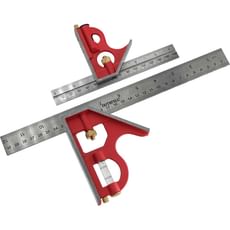
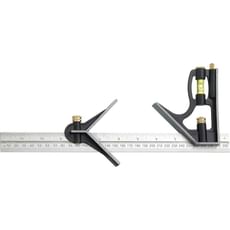
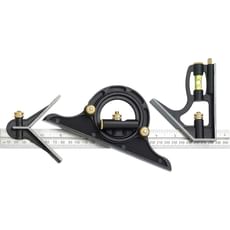
Features and Functions: Consider whether you need an integrated spirit level vial—extremely useful for multi-purpose site work and eliminating the need to carry separate tools. A scribe holder adds significant value for metalwork and precision marking. Some models offer removable heads that work with multiple blade lengths, providing excellent versatility. Fisher's heavy-duty range features particularly robust construction suited to demanding construction site conditions, whilst two-piece sets provide both 150mm and 300mm blades with interchangeable heads, offering outstanding value and flexibility.
Brand Reputation and Support: Established manufacturers like Bahco, Stanley, Faithfull, and Fisher have decades of experience producing reliable measuring tools backed by solid warranties. Their replacement parts availability—particularly replacement scribes and thumbscrews—and responsive customer support prove invaluable for professional tradespeople who depend on their tools daily for earning their living.
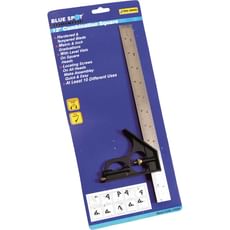
Budget Considerations: Entry-level combination squares from brands like BlueSpot, Draper, and Sealey start around £10-15 and suit DIY users, hobbyists, and apprentices building their first toolkit. Mid-range professional tools (£20-40) from Faithfull and Fisher offer excellent durability, good accuracy, and reliable performance for regular trade use. Premium models (£40+) from Bahco's specialist ranges and Faithfull Prestige series provide ultimate accuracy, exceptional longevity, superior corrosion resistance, and are built to withstand decades of heavy professional use.
Popular Accessories
- Centre Finders/Centre Squares: Companion tools that quickly locate the centre point of circular or cylindrical workpieces—invaluable for woodturning, metalwork on lathes, and finding centres on pipes and dowels.
- Replacement Scribes: Keep spare hardened steel scribes available as they inevitably wear down with regular use on hard materials like steel plate and aluminium extrusions, maintaining marking precision over the tool's lifetime.
- Marking Knives: Work alongside combination squares for scoring precise cut lines in timber. The knife blade registers perfectly against the square's blade edge, creating finer, more accurate lines than pencils for critical joinery work.
- Carpenters' Pencils: Flat pencils that won't roll off work surfaces or benches and provide clear, visible marking lines when used against the square's blade—essential for site carpentry and general construction marking.
- Engineers' Squares: Complement your combination square with a fixed square for dedicated 90-degree checking applications where the adjustable feature isn't required and maximum rigidity is preferred.
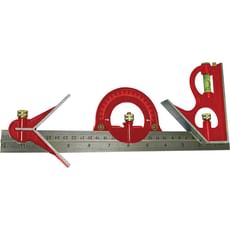
- Protractors and Angle Finders: For measuring and marking angles beyond the 45-degree and 90-degree capabilities of combination squares—particularly useful for roof carpentry, stairbuilding, and complex joinery.
- Sliding Bevels: Adjustable angle tools that work alongside combination squares for transferring and replicating any angle, especially useful for matching existing mitres and bevels during renovation work.
- Storage Cases and Tool Rolls: Protect precision measuring tools from damage during transport and storage, keep them clean and rust-free between jobs, and prevent the accuracy-critical reference faces from being knocked or damaged.
- Cleaning and Maintenance Products: Light engineering oil, rust prevention spray (particularly important for site tools exposed to British weather), and lint-free cleaning cloths help maintain accuracy and significantly extend tool life.
Frequently Asked Questions
How do I check if my combination square is still accurate?
Place the square against a known straight edge—such as a precision machined ruler or a factory edge of quality plywood or MDF—and draw a fine line along the 90-degree face using a sharp pencil or marking knife. Flip the square over and align it with the same line from the opposite direction. If the blade aligns perfectly with your drawn line, the square remains true. Any visible gap indicates the head has been damaged or knocked out of square, and the tool should be replaced, as most combination squares cannot be successfully recalibrated once the precision-ground faces are compromised.
What's the difference between a combination square and a try square?
A try square has a fixed blade set permanently at 90 degrees to the stock, making it excellent for dedicated squareness checking and offering maximum rigidity for this specific function. However, a combination square's sliding blade provides adjustable depth gauging, height measurement from surfaces, 45-degree mitre checking, and can be used as an independent ruler when the head is removed. The combination square delivers far greater versatility for the money, whilst the try square may offer slightly better rigidity and repeatability for specific dedicated squaring tasks in workshop environments.
Can I use a combination square for both metalwork and woodwork?
Absolutely. Quality combination squares work excellently across multiple materials and disciplines. The scribe is specifically designed for marking metal surfaces where pencils won't leave visible lines, whilst the blade edge works perfectly for pencil marking on timber. Many metalworkers and fabricators prefer stainless steel models as they demonstrate superior resistance to the cutting oils, coolants, and general moisture common in machine shops and fabrication workshops, whilst remaining equally effective for carpentry applications.
How should I maintain my combination square?
Keep the blade clean and apply a light coating of engineering oil to prevent rust, especially after exposure to the damp site conditions typical throughout British weather. Regularly clean sawdust, metal filings, and general debris from the groove in the head using a stiff brush or compressed air. Never use the square as a makeshift hammer, pry bar, or scraper, as impacts and lateral stress can knock the head out of square or damage the precision-ground faces. Store in a dry location, preferably in a dedicated tool roll or case to protect the critical reference edges from accidental damage. Periodically check accuracy using the straight-edge method described above.
Are more expensive combination squares worth the investment?
For professional tradespeople who use measuring tools daily, premium models absolutely justify their higher cost. Quality squares from manufacturers like Bahco and Faithfull Prestige offer guaranteed accuracy to tight tolerances, superior corrosion resistance for longevity in site conditions, clearer graduations that remain legible throughout the tool's life, and significantly longer service life through superior materials and construction. A premium combination square can easily last several decades with proper care and maintenance, making the initial investment worthwhile when calculated over its working life. For occasional DIY use and home improvement projects, a mid-range model from Faithfull, Fisher, or Draper offers good value and adequate accuracy for most applications without the premium price tag.