

Compass Saws

Pay in 3 interest-free payments on purchases from £20-£3000 with  . Learn more.
 Loading...
End of content
Error - No more pages to load
About Compass Saws
Compass saws are versatile hand tools designed for making curved cuts, intricate shapes, and interior openings in wood, plastic, and soft materials. Distinguished by their narrow, tapered blades and distinctive pointed tips, these saws excel at tasks requiring precision manoeuvring in confined spaces. Unlike frame-bound alternatives such as coping saws or fret saws, compass saws offer unrestricted cutting freedom, making them particularly valuable for creating interior cutouts, curved profiles, and detailed work in the centre of larger boards where framed saws cannot reach.
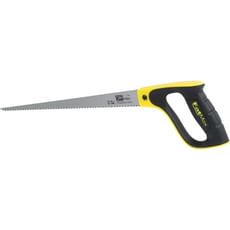
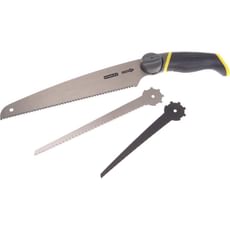
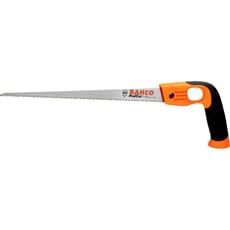
The defining characteristic of a compass saw is its sharpened point, which enables tradespeople to plunge the blade directly into materials without requiring a pilot hole—particularly useful when cutting openings in plasterboard, laminates, or thin wooden panels. The selection at Tooled-Up.com includes professional-grade compass saws from trusted brands including Bahco and Stanley, with models ranging from traditional single-purpose designs like the Bahco ProfCut Compass Saw to versatile multi-purpose systems such as the Stanley 3-in-1 Hand Saw. These tools bridge the gap between the delicate precision of fret saws and the rapid material removal of jigsaws, combining aggressive cutting action with surprising control.
Modern compass saws feature hardpoint teeth for long-lasting sharpness, low-friction coatings for smoother cutting, and ergonomic handles designed for extended use. The absence of a rigid frame means you can work at any angle and access confined spaces that would be impossible with other cutting tools, making them an invaluable addition to any tradesperson's toolkit for both site work and workshop projects. Whether you're cutting sink apertures in kitchen worktops, creating decorative profiles in joinery, or making access holes for cable routing, a quality compass saw delivers reliable performance across numerous applications.
Jargon Buster
- TPI (Teeth Per Inch): The number of teeth along one inch of the blade. Lower TPI values (6-8) provide faster, coarser cuts for rough work, whilst higher TPI counts (10-12) deliver finer, smoother cuts for detailed joinery. Most compass saws feature 9 TPI for balanced performance across various materials.
- Keyhole Saw: An alternative name for compass saws, particularly in American terminology, referring to their historical use in cutting keyholes and small apertures in doors and furniture. The terms are often used interchangeably in the UK trade.
- Plunge Cut: The technique of piercing directly into material using the pointed tip of the saw, eliminating the need for pre-drilled starter holes—especially useful for cutting openings in plasterboard, worktops, or thin panels without edge access.
- Hardpoint Teeth: Heat-treated teeth that maintain sharpness significantly longer than traditional teeth but cannot be resharpened. When cutting performance deteriorates, the blade requires replacement rather than sharpening, which is standard for modern professional compass saws.
- Blade Taper: The narrowing of the blade from handle to tip, which reduces friction during cutting and allows tighter radius curves to be cut without the blade binding or jamming in the kerf. This design feature is essential for effective curved cutting.
- XT-Toothing: A specialised tooth geometry found on premium models like Bahco compass saws, designed to provide faster cutting with improved precision and reduced effort, particularly beneficial for professional tradespeople using the tool daily.
Who Uses Compass Saws?
Compass saws are essential tools across numerous trades and applications:
- Carpenters and Joiners: Creating curved profiles, cutting decorative mouldings, and making interior cutouts in wooden components for bespoke furniture and architectural joinery
- Kitchen Fitters: Cutting sink and hob apertures in worktops, particularly for quick on-site adjustments where jigsaw access is restricted
- Shopfitters: Installing display fixtures and creating custom cutouts in display boards, panelling, and retail environments
- Electricians: Cutting access holes in wooden joists, panels, and boxing for cable routing and back box installation
- Plumbers: Making pipe access holes through wooden floors, panels, and boxing where power tools cannot reach or where quieter working is required
- Set Designers and Theatrical Carpenters: Creating intricate set pieces and decorative profiles in stage construction with precise curved cuts
- DIY Enthusiasts: Home improvement projects requiring curved cuts or interior openings without investing in power tools
- Restoration Specialists: Working on period properties where traditional hand tool methods are preferred or mandated for conservation work
- Model Makers and Craftspeople: Cutting curves and patterns in thicker materials than craft knives can handle whilst maintaining precision
How to Choose the Right Compass Saws
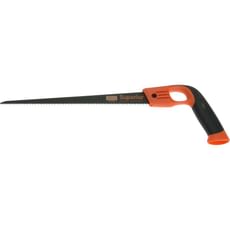
Blade Length and Design: Standard compass saws feature blades between 250-350mm long. The Bahco Compass Hand Saw offers a 300mm blade suitable for most applications. Longer blades suit deeper materials and faster cutting, whilst providing better reach for interior cutouts. Consider blade thickness as well—thicker blades like those on Bahco ProfCut models provide exceptional stability for straight cutting.
Teeth Per Inch (TPI): Match the TPI to your material and finish requirements. For rough carpentry and rapid stock removal in softwood, choose 6-8 TPI. For cleaner cuts in furniture-grade timber, plastic laminates, or worktops, opt for 9-12 TPI. The Bahco Professional Compass Saw with 9 TPI offers excellent versatility across plywood, laminates, and plastics. Many professional tradespeople keep multiple blades or saws available for different applications.
Handle Design and Comfort: Comfort matters during extended use. Bahco's ergonomic handles provide excellent grip and reduce hand fatigue during repetitive cutting tasks. The Stanley FatMax Compass Saw features enhanced grip designs for secure handling in demanding site conditions. Some models like the Stanley 3-in-1 offer interchangeable handles that accept multiple blade types, providing exceptional versatility for tradespeople carrying minimal toolkits.
Material Compatibility: Ensure your chosen saw suits your primary materials. Models specifically designed for wood and plastic feature tooth geometry optimised for these materials, providing cleaner cuts with less effort. Universal saws offer broader capability but may not excel in specialist applications requiring fine finishes.
Brand Quality and Durability: Professional brands like Bahco and Stanley available from Tooled-Up offer superior blade steel that maintains sharpness longer and resists bending during demanding use. Hardpoint teeth on premium models stay sharper throughout their working life. Low-friction coatings reduce binding and rust, extending blade longevity. For site work demanding durability in harsh conditions, the Stanley FatMax range provides enhanced robustness.
Multi-Purpose vs Dedicated Systems: Dedicated compass saws offer optimised performance for specific tasks, whilst multi-purpose systems like the Stanley 3-in-1 allow blade changes for different applications, potentially reducing the number of tools you need to carry to site.
Popular Accessories
- Replacement Blades: Keep spare blades on hand for different materials and TPI requirements, particularly if you've chosen a multi-purpose handle system like the Stanley 3-in-1
- Blade Guards and Storage: Protective covers for safe storage and transport, preventing injury and protecting hardpoint cutting edges from damage
- Marking and Layout Tools: Pencils, chalk lines, scribers, and compasses for accurately marking cutting lines—especially important for curved work where precision matters
- Combination Squares: Layout tools for creating accurate curves, radii, and ensuring perpendicular cuts before sawing commences
- Workbenches and Clamps: Secure workholding prevents material movement during cutting, improving accuracy and safety—essential when making plunge cuts
- Finishing Tools: Sandpaper, files, and rasps for smoothing cut edges after compass saw work, particularly on curves requiring neat finishes
- Tool Storage Solutions: Organised storage systems from Stanley FatMax and other brands to protect your saws during transport between jobs
- Safety Glasses: Essential eye protection from sawdust and debris during all cutting operations
Safety Information
Whilst compass saws are relatively safe hand tools, proper practices ensure injury-free operation:
Personal Protective Equipment: Always wear safety glasses to protect against flying sawdust and debris. Work gloves can protect your non-cutting hand when steadying materials, though ensure they don't compromise grip on the saw handle. For extended cutting sessions generating significant dust, consider respiratory protection in accordance with HSE guidance.
Secure Workpieces: Always clamp or firmly secure materials before cutting. Hand-held workpieces can slip, causing the blade to bind or the saw to jump, potentially resulting in injury. Use proper workbenches or sawhorses to position work at comfortable heights, reducing strain and improving control.
Sharp Point Awareness: The pointed tip that makes compass saws versatile also creates a puncture hazard. Always store saws with blade guards fitted, and be mindful of the tip when withdrawing the saw from completed cuts. When carrying the tool on site, ensure the point faces downward and away from your body.
Controlled Cutting Technique: Use steady, controlled strokes rather than forcing the blade. Excessive pressure can cause the blade to bend, bind, or break. Let the hardpoint teeth do the work, particularly when making plunge cuts in hard materials. Start plunge cuts at approximately 30-45 degrees, gradually lowering to horizontal once penetration is achieved.
Body Position and Clearance: Keep your free hand and body clear of the cutting line. Never position yourself where the saw might contact you if it slips or breaks through the material unexpectedly. Maintain stable footing, especially when working on ladders or awkward positions.
Blade Condition Inspection: Inspect blades before use for damage, bent teeth, or excessive wear. Damaged blades cut unpredictably and should be replaced immediately. Blunt hardpoint blades require excessive force and increase accident risk—replace them rather than persevering with poor performance.
Frequently Asked Questions
What's the difference between a compass saw and a jab saw?
Whilst both feature pointed tips for plunge cutting, compass saws have longer, finer blades designed for cleaner, more controlled cuts in wood and plastic. Jab saws typically have shorter, more aggressive teeth optimised specifically for plasterboard and drywall, producing coarser cuts. Compass saws offer greater versatility for curved work and detailed carpentry beyond simple drywall applications.
Can I cut curves as tight as a coping saw with a compass saw?
Compass saws cannot match the extremely tight radii achievable with coping saws due to their wider, tapered blades. However, they cut considerably faster and can work anywhere on a board without frame restrictions. For moderate curves and situations requiring interior cutouts where a coping saw frame won't reach, compass saws prove more practical despite producing slightly coarser finishes.
How do I start a plunge cut with a compass saw?
Position the pointed tip at your desired starting point, holding the saw at approximately 30-45 degrees to the material surface. Apply firm, controlled pressure whilst using short, gentle strokes to work the point through. Once the blade penetrates sufficiently (usually 25-50mm), gradually lower the saw to horizontal and continue with normal cutting strokes. Practice on scrap material to develop confidence with this technique before attempting finished work.
Do compass saw blades need sharpening or replacing?
Most modern compass saws like those from Bahco and Stanley feature hardpoint teeth that stay sharper longer than traditional teeth but cannot be resharpened. When cutting performance deteriorates—typically indicated by increased effort, burning, or rough cuts—replace the entire blade. Models with replaceable blades like the Stanley 3-in-1 make this economical. Traditional non-hardpoint blades can be professionally sharpened, though replacement often proves more cost-effective for busy tradespeople.
Which TPI should I choose for kitchen worktop cutouts?
For laminate or solid wood worktops, choose 9-12 TPI for cleaner edges requiring less finishing work. The finer teeth reduce chipping on laminate surfaces. The Bahco Professional Compass Saw with 9 TPI offers excellent results for this application. However, if speed matters more than finish quality—perhaps for areas that will be concealed by sinks or hobs—8 TPI offers a good balance. Always cut from the decorative face where possible to minimise visible tear-out on the finished surface.