

Concrete Drill Bits

Pay in 3 interest-free payments on purchases from £20-£3000 with  . Learn more.
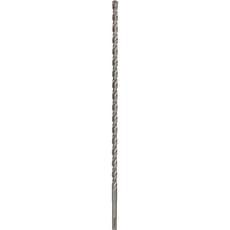
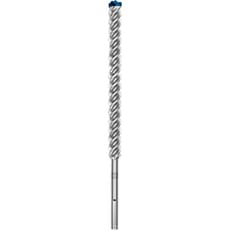
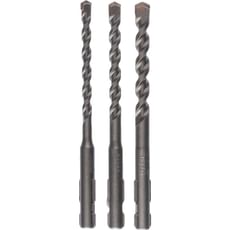
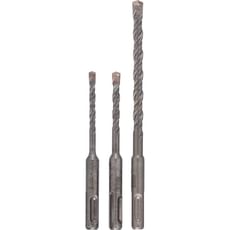
Bosch EXPERT SDS MAX 8X Concrete 4 Cutter Carbide Head SDS Max Drill Bit
in stock
 Loading...
End of content
Error - No more pages to load
About Concrete Drill Bits
Concrete drill bits are precision-engineered drilling accessories designed to create clean, accurate holes through concrete, masonry, brick, stone, and other dense building materials. Unlike standard drill bits for wood or metal, these specialised tools feature hardened tungsten carbide tips that withstand the extreme forces and abrasion encountered when drilling through tough substrates. Whether you're installing wall fixings in solid walls, running cables through breeze block, or mounting heavy equipment to concrete foundations, having the right concrete drill bit transforms a difficult task into a straightforward operation.
The selection available from Tooled-Up.com includes concrete drill bits suitable for both occasional DIY projects and demanding professional site work. From individual bits for specific applications to comprehensive multi-piece sets offering excellent value, the range features quality products from trusted manufacturers including Bosch Professional, Bosch Home and Garden, and Milwaukee. These bits accommodate different drilling systems—standard straight shanks for regular drills with hammer mode, SDS Plus for light to medium-duty rotary hammers, and SDS Max for heavy-duty drilling applications.
Modern concrete drill bits incorporate advanced engineering features that significantly improve performance and longevity. Four-cutter carbide heads drill faster and last longer than traditional two-cutter designs, whilst optimised flute geometries efficiently remove dust to prevent binding and overheating. Professional-grade bits are engineered to deliver thousands of holes before requiring replacement, making them a worthwhile investment for tradespeople who depend on reliable equipment. Whether you're drilling pilot holes for fixings, creating channels for conduit, or preparing anchor points in reinforced concrete, quality concrete drill bits improve productivity and deliver consistently professional results.
Jargon Buster
- SDS Plus and SDS Max - Specialised shank systems enabling quick, tool-free bit changes and superior power transfer in rotary hammer drills. SDS Plus is the standard for general construction work with bits up to 25mm diameter, whilst SDS Max handles heavy-duty drilling in thick concrete with larger diameter bits.
- Carbide Tip - The extremely hard cutting edge brazed onto the drill bit end, typically manufactured from tungsten carbide. This material maintains its sharpness far longer than standard steel when drilling abrasive masonry materials, remaining effective for thousands of holes.
- Four-Cutter Head - An advanced drill bit design featuring four cutting edges instead of the traditional two, significantly increasing drilling speed and improving bit longevity by distributing wear across more cutting surfaces. This technology is featured in premium ranges like the Bosch Expert series.
- Flute - The spiral groove running along the drill bit length that channels dust and debris out of the hole as you drill, preventing the bit from binding and overheating whilst maintaining optimal cutting performance.
- Percussive Drilling - A drilling technique combining rotation with rapid hammering action, essential for effectively penetrating concrete and masonry. Standard drills provide basic hammer mode, whilst rotary hammers deliver much more powerful percussive action for demanding applications.
- Activeteq Centring Tip - A precision-ground tip design that prevents the bit from wandering when starting holes, ensuring accurate positioning and consistent hole diameter throughout the drilling depth.
Who Uses Concrete Drill Bits?
Concrete drill bits are essential tools for a wide range of trades and applications, including:
- Builders and General Contractors - for fixing timber frames, installing wall plates, and securing structural elements to concrete and blockwork
- Electricians (Sparkies) - for drilling holes to mount consumer units, run conduit, and install socket back boxes in solid walls
- Plumbers and Heating Engineers - for penetrating walls to run pipework and fixing radiator brackets to masonry
- Carpenters and Joiners (Chippies) - for fixing door frames, staircases, and fitted furniture to concrete or brick walls
- Maintenance Engineers and Facilities Managers - for general repairs, installations, and modifications in commercial and industrial buildings
- Shopfitters and Retail Installation Teams - for mounting shelving, display units, and fixtures to solid walls in commercial premises
- HVAC Engineers - for drilling penetrations for ventilation ducting and mounting air conditioning units
- Demolition and Refurbishment Contractors - for creating access points and preparing structures for modification
- DIY Enthusiasts and Homeowners - for hanging pictures, installing shelving, mounting TVs, and general home improvement projects requiring drilling into masonry
How to Choose the Right Concrete Drill Bits
Shank Type and Compatibility: First, identify your drilling equipment. Standard masonry bits with straight shanks fit regular drills with hammer mode, whilst SDS Plus bits require an SDS Plus chuck (most common for light to medium-duty work). SDS Max bits are designed for heavy-duty rotary hammers and large-diameter drilling. Always match the bit shank to your drilling equipment for safe, effective operation.
Diameter and Depth Requirements: Consider the hole size needed for your application. Common diameters range from 3mm for small fixings up to 25mm or larger for anchor bolts and substantial fixings. Check that the working length exceeds the depth you need to drill, allowing extra length for the chuck and any variations. For deep holes, specialist long-reach bits are available.
Quality and Construction: Professional-grade bits from manufacturers like Bosch Professional and Milwaukee feature superior carbide quality and more robust construction than budget alternatives. If you're drilling regularly or working with particularly hard concrete, investing in premium bits with four-cutter heads and reinforced shanks delivers better performance and longer service life. The Bosch Expert SDS MAX 8X range, for example, offers exceptional durability for demanding applications. For occasional DIY use, mid-range options may prove more cost-effective.
Application Type: Consider what you're drilling into and what for. Standard concrete drill bits handle most brick and blockwork well, but reinforced concrete may require specialist bits designed to cope with hitting steel reinforcement. If you're drilling for chemical anchors or precise fixings, accuracy and hole quality become more critical than pure drilling speed.
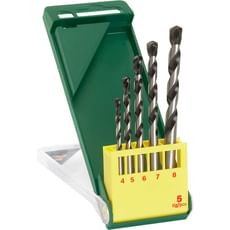
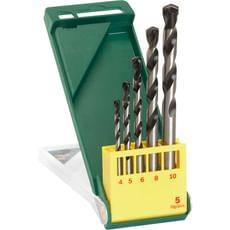
Set vs Individual Bits: Multi-piece sets like the Bosch 5 Piece Concrete Drill Bit Set offer excellent value if you need a range of common sizes and provide convenient storage. For specific applications or replacing worn bits, purchasing individual sizes allows you to select exactly what you need. Many tradespeople maintain a comprehensive set supplemented by spare bits in frequently used sizes.
Popular Accessories
- SDS Plus and SDS Max Chucks - conversion chucks allowing different drill bit types to be used across drilling systems
- Drill Bit Cases and Storage - protective cases from Bosch and Milwaukee to organise and safeguard your drill bit collection
- Depth Stops and Guides - attachments ensuring consistent drilling depth for precise fixing installation
- Dust Extraction Attachments - systems that capture dust at source, improving visibility and meeting HSE requirements for silica dust control
- Masonry Fixings and Anchors - including products from Fischer and Rawlplug designed to work with specific drill bit sizes
- Wall and Cable Detectors - essential safety equipment to locate hidden pipes, cables, and reinforcement before drilling
- Rotary Hammer Drills - from Makita, DeWalt, Milwaukee, and Bosch to power your concrete drill bits effectively
- Safety Goggles and Dust Masks - essential PPE for protecting against flying debris and harmful silica dust when drilling masonry
- Drill Bit Sharpening Tools - equipment to restore carbide tips and extend bit service life
Safety Information
Drilling concrete and masonry creates specific safety hazards that require proper precautions. Always wear appropriate eye protection to guard against flying debris and concrete particles. Respiratory protection is essential, as drilling concrete generates silica dust which poses serious long-term health risks when inhaled. The HSE provides clear guidance under COSHH regulations regarding dust control measures, including the use of dust extraction equipment or water suppression where practicable.
Before drilling any wall, always use a cable and pipe detector to identify hidden electrical cables, water pipes, and gas lines. Striking these services can result in serious injury, flooding, or fire. When drilling overhead, wear a dust mask or respirator and consider using dust extraction to prevent material falling into your eyes and airways. Ensure your drilling equipment is properly earthed (240v tools should have adequate earth protection) and suitable for the environment, particularly in damp conditions.
Secure your workpiece properly and maintain a stable stance whilst drilling. Rotary hammers and percussion drills generate significant vibration and torque, particularly if the bit binds in the hole. Be aware of HAVS (Hand-Arm Vibration Syndrome) risks from prolonged use of percussion drilling equipment. Take regular breaks and follow manufacturer guidance on vibration exposure limits. Never force a drill bit or continue using one that's damaged, as breakage can cause injury and make extraction difficult.
Frequently Asked Questions
What's the difference between a masonry bit and an SDS concrete drill bit?
Standard masonry bits have a straight or hex shank and are designed for use in regular drills with hammer mode, suitable for light to medium drilling in brick and soft concrete. SDS Plus and SDS Max bits have a specialised shank system that fits dedicated rotary hammer drills, providing much more effective hammering action for faster, easier drilling in hard concrete and heavy-duty applications. SDS systems also allow tool-free bit changes and deliver superior power transfer.
Can I use concrete drill bits in a normal drill without hammer function?
Whilst technically possible, it's highly ineffective and not recommended. Concrete and masonry require the percussive hammering action to break up the material as the bit rotates. Without this, you'll simply wear out the carbide tip through friction with minimal progress. Always use a drill with hammer mode for standard masonry bits, or a rotary hammer for SDS bits.
How do I know when a concrete drill bit needs replacing?
Signs that a concrete drill bit is worn include significantly slower drilling speed, increased effort required, excessive heat generation, and visible damage to the carbide tip such as chipping or rounding. If you notice the bit wandering rather than drilling straight, or producing rough, oversized holes, it's time for a replacement. Professional tradespeople often replace bits before complete failure to maintain productivity and hole quality.
Why does my drill bit keep getting stuck in concrete?
Binding typically occurs when drilling too fast without allowing dust to clear, when the bit encounters steel reinforcement, or when using a worn bit that's creating excessive friction. Withdraw the bit periodically whilst drilling to clear debris, use the correct drilling speed for your equipment, and ensure you're applying steady pressure rather than forcing the bit. If you hit reinforcement, withdraw and try drilling at a slightly different location if possible.
What size concrete drill bit do I need for different wall fixings?
This depends on the specific fixing you're using. Brown plugs (size 5-6) typically require 5-6mm bits, red plugs (size 6-8) need 6-8mm bits, whilst blue plugs (size 10-12) require 10-12mm bits. Frame fixings and more substantial anchors may need larger diameters. Always check the manufacturer's recommendations on the fixing packaging, as using the wrong drill size will compromise holding strength and may violate installation guidelines.