

Concrete Nippers
Pay in 3 interest-free payments on purchases from £30-2000 with  . Learn more.
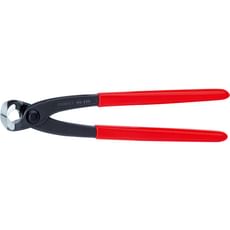
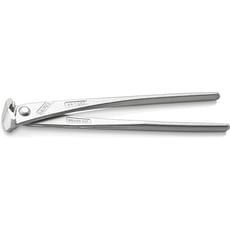
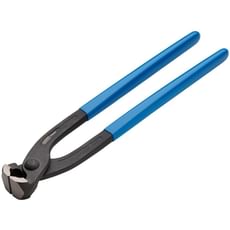
 Loading...
End of content
Error - No more pages to load
About Concrete Nippers
Concrete nippers, also known as concreters nippers or wire end cutting nippers, are specialised hand tools designed for cutting through tough materials encountered in concrete work and masonry projects. These robust tools feature hardened cutting jaws and extended handles that provide the mechanical advantage needed to cleanly cut through steel tie wire, reinforcement mesh, and concrete formwork materials. Whether you're working with formwork ties on a commercial construction site or tackling a home renovation project, concrete nippers deliver the cutting power and precision that standard pliers simply cannot match.
The selection available from Tooled-Up.com includes premium options from trusted brands like Knipex and Draper, each engineered to withstand the demanding conditions of construction and masonry work. These tools typically feature high-leverage designs that multiply your hand strength, allowing you to make clean cuts through hardened materials with reduced effort. The cutting edges are induction-hardened to maintain their sharpness even when repeatedly cutting through abrasive materials like steel wire and rebar ties. From standard wire end cutting nippers to high-leverage models designed for the toughest applications, the range caters to both professional tradespeople and serious DIY enthusiasts who demand tools that can handle the rigours of concrete and masonry work day after day.
Jargon Buster
- High-Leverage Design: A handle and jaw configuration that maximises cutting force through mechanical advantage, allowing you to cut through harder materials with less hand pressure. High-leverage nippers typically feature longer handles positioned further from the cutting jaws.
- Induction-Hardened Cutting Edges: A heat treatment process that hardens the cutting surfaces to approximately 60 HRC (Rockwell Hardness Scale), enabling the tool to cut through tough steel wire and maintain its edge over extended use.
- Tie Wire: The steel wire used to bind reinforcement bars (rebar) together in concrete formwork. Concrete nippers are specifically designed to cut through this hardened wire cleanly and repeatedly.
- Wire End Cutting: A jaw design where the cutting edges are positioned at the very tip of the tool, allowing you to cut flush against surfaces and access tight spaces within formwork and reinforcement structures.
- Compound Action: A joint mechanism that provides additional leverage through a compound pivot system, further multiplying your hand strength for cutting through particularly tough materials.
- DIN ISO 9242: The German industrial standard that specifies the requirements for concreters nippers, ensuring consistent quality, performance, and safety across manufactured tools.
Who Uses Concrete Nippers?
- Concreters and concrete contractors working with formwork and reinforcement on commercial and residential projects
- Bricklayers and stonemasons requiring precise cutting of tie wire and mesh materials
- Steel fixers who specialise in positioning and securing reinforcement bars
- General builders undertaking groundwork and foundation projects
- Shopfitters and joiners who occasionally work with concrete and masonry fixings
- Demolition contractors removing old reinforcement and formwork materials
- DIY enthusiasts tackling home improvement projects involving concrete patios, foundations, or structural repairs
- Groundworkers preparing sites and installing concrete foundations
- Maintenance engineers working on industrial facilities with concrete structures
How to Choose the Right Concrete Nippers
When selecting concrete nippers, consider the leverage and cutting capacity required for your typical applications. High-leverage models like the Knipex 99 14 are ideal for heavy-duty site work where you're cutting thick tie wire and hardened materials throughout the day, whilst standard leverage models may suffice for lighter, occasional use. Professional concreters typically prefer 250mm models for maximum cutting power, whilst 200mm versions offer better manoeuvrability in confined spaces.
The jaw design is crucial to your work efficiency. Wire end cutting nippers allow you to cut flush against formwork and in tight spaces, making them invaluable for detailed concrete work. Consider whether you need this precision or if a standard cutting jaw will meet your requirements. Tools manufactured to DIN ISO 9242 specifications ensure consistent quality and performance across different brands.
Handle comfort and grip become increasingly important during extended use. Look for models with cushioned or ergonomically shaped handles, particularly if you'll be making repetitive cuts throughout the day. Professional-grade tools from manufacturers like Knipex often feature PVC-dipped or moulded grips that reduce hand fatigue and provide secure hold even when working with cold or wet materials.
Consider the overall build quality and durability of the tool. Forged steel construction and properly hardened cutting edges ensure longevity on demanding job sites. Tools with phosphate finishes offer enhanced corrosion protection, essential for work in damp conditions. Whilst budget options may seem attractive initially, professional tradespeople typically find that investing in brands like Knipex or Draper Expert provides better long-term value through superior durability and performance.
Popular Accessories
- Tool belts and pouches from brands like Stanley and Snickers for convenient access to your nippers whilst working on site
- Safety glasses and face shields conforming to EN 166 standards to protect against wire fragments during cutting
- Work gloves with reinforced palms for comfortable, secure grip during extended use
- Tool lanyards to prevent drops when working at height on formwork and scaffolding
- Complementary hand tools including rebar tying tools, pliers, and wire twisters from Knipex and Bahco
- Tool storage systems such as Stanley FatMax, DeWalt TSTAK, or Milwaukee PACKOUT for organising your hand tools
- Sharpening stones or files for maintaining cutting edge performance over time
- Machine oil for lubricating joint mechanisms and preventing rust
Safety Information
Always wear appropriate eye protection when using concrete nippers, as cutting tie wire and reinforcement materials can produce sharp fragments that may fly towards your face. Safety glasses conforming to EN 166 standards are essential PPE for this work. Consider using face shields for additional protection when making numerous cuts throughout the day.
Wear protective gloves to shield your hands from sharp wire ends and to improve grip, particularly when working with cold or wet materials. However, ensure gloves fit properly and don't compromise your control of the tool. Work gloves with reinforced palms provide the best balance of protection and dexterity.
Inspect your concrete nippers regularly for damage or wear to the cutting edges and joints. Damaged tools may slip during use, potentially causing injury or producing an incomplete cut that leaves dangerous sharp edges on the workpiece. Check that the joint mechanism operates smoothly and that handles remain securely attached.
Use concrete nippers only for their intended purpose—cutting tie wire, mesh, and similar materials within the tool's specified capacity. Attempting to cut materials that are too thick or hard can damage the tool and cause it to fail unexpectedly. Never use nippers as hammers or pry bars, as this can compromise the cutting edge alignment.
When working on construction sites, always follow relevant HSE guidelines and your employer's safety protocols regarding hand tool use and personal protective equipment. Ensure adequate lighting when working with formwork to clearly see cutting lines and avoid accidental cuts to fingers.
Frequently Asked Questions
What's the difference between concrete nippers and standard cutting pliers?
Concrete nippers are specifically designed with hardened cutting edges and high-leverage handles to cut through the tough steel tie wire and reinforcement materials used in concrete work. Standard cutting pliers lack the hardness and leverage needed for these materials and will quickly become damaged if used for concrete work. The cutting edges on concrete nippers are typically induction-hardened to around 60 HRC, significantly harder than standard pliers, and the handles are longer to provide greater mechanical advantage.
Can I use concrete nippers to cut rebar?
Whilst concrete nippers excel at cutting tie wire and mesh, they're not designed for cutting through solid rebar. For cutting reinforcement bars, you'll need dedicated rebar cutters or an angle grinder with appropriate cutting discs. Using concrete nippers on rebar can damage the cutting edges and compromise the tool's performance. Always match your tool to the material thickness and hardness specified by the manufacturer.
How do I maintain my concrete nippers?
Keep the cutting edges clean and free from concrete residue by wiping them after use. Periodically apply a light machine oil to the joint mechanism to ensure smooth operation and prevent rust. Store your nippers in a dry location or tool case to prevent corrosion. If the cutting edges become dull, they can be resharpened using a fine file, though professional sharpening services are recommended for maintaining the correct edge geometry on premium tools like Knipex models. Tools with phosphate finishes require less maintenance but still benefit from regular cleaning.
Are high-leverage concrete nippers worth the extra cost?
For professional concreters and tradespeople who regularly work with formwork and reinforcement, high-leverage models like the Knipex 99 14 are definitely worthwhile. They significantly reduce hand fatigue during repetitive cutting and provide the power needed to cut through hardened tie wire cleanly. For occasional DIY use, a standard leverage model may be sufficient, though you'll need to apply more hand pressure for each cut. Consider how frequently you'll use the tool when making your investment decision.
What size concrete nippers should I buy?
Most concrete nippers range from 200mm to 250mm in length. The 250mm models provide maximum leverage and are preferred by professional tradespeople for heavy-duty site work. Smaller 200mm nippers offer better manoeuvrability in confined spaces and may be more suitable for lighter work or situations where you need to work in tight areas within formwork. Browse the options at Tooled-Up.com to compare different sizes and leverage ratings, and consider the typical working conditions you'll encounter when choosing your size.