

Cone & Stepped Drill Bits
Pay in 3 interest-free payments on purchases from £30-2000 with  . Learn more.


 Loading...
End of content
Error - No more pages to load
About Cone & Stepped Drill Bits
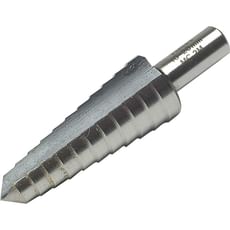
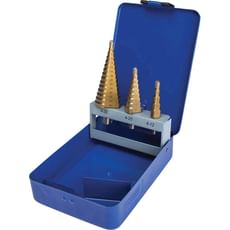
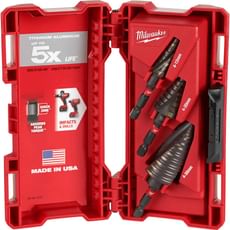
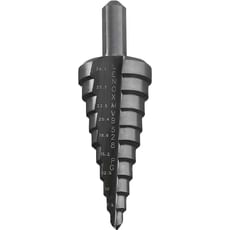
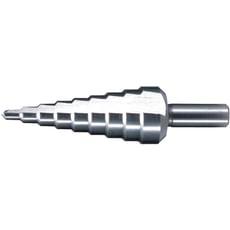
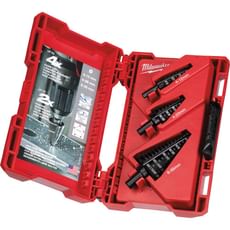
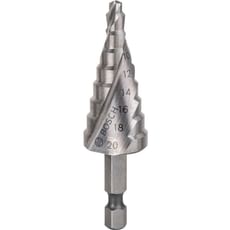
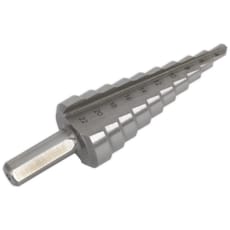
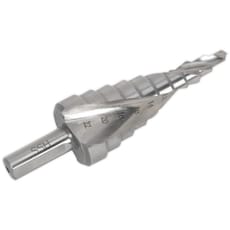
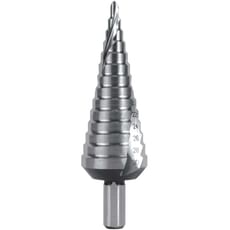
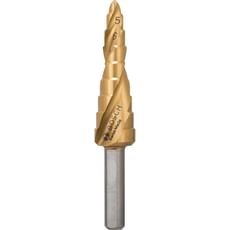
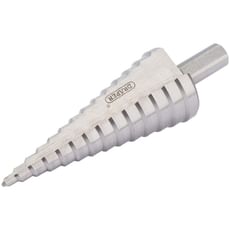
Cone and stepped drill bits are specialist cutting tools that allow tradespeople to drill multiple hole sizes using a single bit, eliminating the need for constant bit changes on site. Featuring a distinctive pyramid or conical design with graduated cutting edges at different diameters, these versatile tools excel at drilling and enlarging holes in thin materials including sheet metal, plastic, aluminium, copper and electrical enclosures. The stepped configuration enables progressive hole enlargement, delivering clean, burr-free results that would otherwise require multiple conventional twist drills. Electricians drilling cable entry points, HVAC engineers working with ductwork, and metal fabricators creating precise mounting holes all benefit from the efficiency and accuracy these bits provide.
The selection at Tooled-Up.com includes over 45 products from industry-leading manufacturers such as Bosch Professional, Milwaukee, Makita, Sealey and Faithfull. Available as individual bits in various size ranges or convenient multi-piece sets, many feature advanced coatings like titanium nitride (TiN) or aluminium titanium nitride (AlTiN) that significantly extend tool life whilst reducing friction and heat build-up during cutting. High-speed steel (HSS) construction provides the hardness necessary for cutting through demanding materials, whilst hex shank designs ensure secure grip in both cordless drills and impact drivers without slippage.
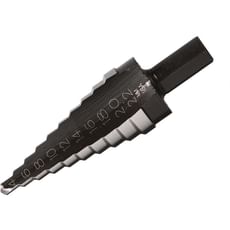
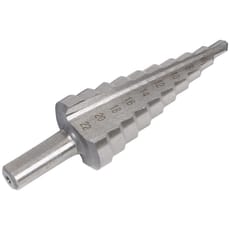
Most stepped bits feature self-centring tip designs that eliminate the need for pilot holes in typical applications, with step increments ranging from 2mm to 4mm depending on the model. This design versatility allows a single bit to create holes from as small as 4mm up to 32mm or larger, making these tools exceptionally cost-effective for busy tradespeople. Whether you're creating mounting points in ventilation systems, drilling through electrical panels, or enlarging existing holes in metal fabrication work, stepped drill bits deliver the precision and efficiency that modern site work demands.
Jargon Buster
- HSS (High-Speed Steel): A hardened steel alloy specifically formulated to withstand the high temperatures generated during drilling operations. HSS stepped bits maintain their cutting edge even when working at speed through sheet metal and similar materials, providing consistent performance throughout their working life.
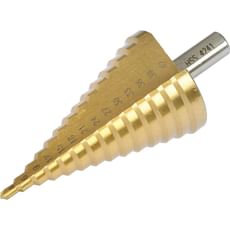
- TiN Coating (Titanium Nitride): A distinctive gold-coloured surface treatment that increases bit hardness by up to three times compared to uncoated HSS. This coating reduces friction during cutting, prevents material adhesion, and significantly extends tool life, making it ideal for professional tradespeople who drill regularly.
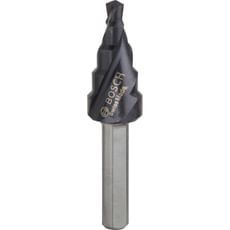
- AlTiN Coating (Aluminium Titanium Nitride): An advanced dark grey or bronze coating offering superior heat resistance and hardness compared to standard TiN. Particularly effective when drilling harder materials or stainless steel, AlTiN-coated bits are the choice for demanding professional applications where maximum durability is essential.
- Step Increment: The diameter difference between each graduated level on the bit, typically available in 2mm, 3mm or 4mm increments. Smaller increments provide more size options but require more steps to reach larger diameters, whilst larger increments work faster with fewer intermediate sizes.
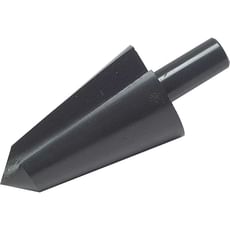
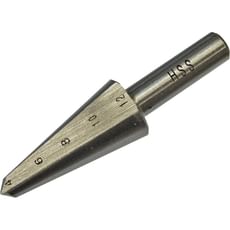
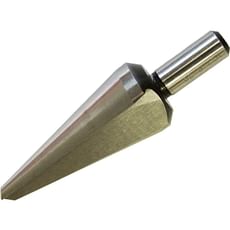
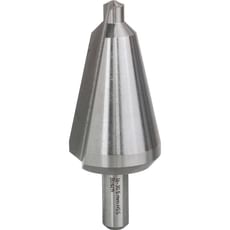
- Cone Cutter: A smoothly tapered conical bit without distinct stepped platforms, primarily used for enlarging existing holes, deburring, chamfering applications, or creating tapered openings rather than specific diameter holes.
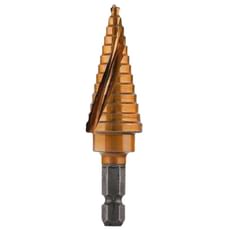
- Hex Shank: A six-sided shaft design (typically ¼" or ?") that prevents rotation and slippage within drill chucks, particularly when using cordless drills and impact drivers. Compatible with quick-change bit holders for rapid tool changes on site.
Who Uses Cone & Stepped Drill Bits?
- Electricians and Electrical Engineers: Creating cable entry points in consumer units, distribution boards, junction boxes and electrical enclosures
- Plumbers and Heating Engineers: Drilling holes for pipework, radiator valves, mounting brackets and equipment installation in sheet metal
- HVAC and Air Conditioning Installers: Making ductwork connections, mounting holes and access points in ventilation systems
- Metal Fabricators and Sheet Metal Workers: Precision hole drilling and progressive enlargement in steel, aluminium, copper and brass sheet
- Automotive Technicians and Vehicle Modifiers: Custom installations, bodywork modifications, electrical system upgrades and accessory mounting
- Shop Fitters and Signage Installers: Creating mounting points in various thin materials including plastics, composite panels and metal framework
- Maintenance Engineers and Facilities Managers: Versatile hole drilling across multiple applications, equipment modifications and repair work
- General Builders and Contractors: Site work requiring clean, accurate holes in sheet materials and electrical installation support
- DIY Enthusiasts: Home improvement projects, workshop fabrication and any application requiring professional-quality holes in thin materials
How to Choose the Right Cone & Stepped Drill Bits
Material Construction and Coating: Standard HSS bits suit occasional use and softer materials like aluminium and plastic, whilst titanium-coated options from manufacturers like Bosch Professional and Milwaukee offer significantly extended lifespan for professional tradespeople. TiN coating provides good value for regular use, whilst AlTiN coating delivers maximum durability when drilling harder materials including stainless steel. The coating investment typically pays for itself through extended tool life and improved cutting performance.
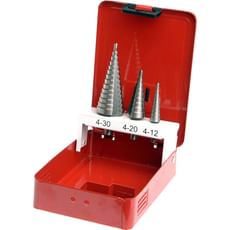
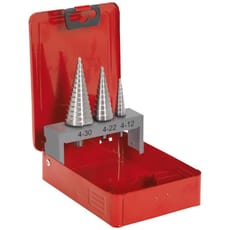
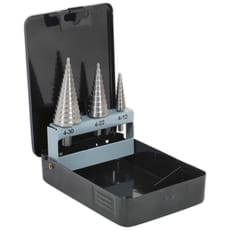
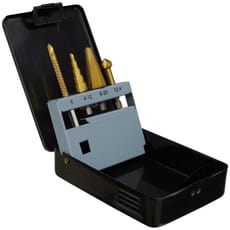
Size Range Requirements: Consider the hole diameters you commonly encounter. Popular three-piece sets typically cover 4-12mm, 6-20mm and 10-32mm ranges, providing comprehensive coverage for most trades applications. If you regularly work with specific sizes, individual bits from brands like Sealey or Faithfull may prove more economical than sets containing unused sizes. Electricians often prefer smaller ranges for cable entries, whilst HVAC engineers may require larger diameter capabilities.
Step Increments and Precision: Smaller step increments (2mm) provide more sizing options and finer control, ideal when precise hole dimensions matter for gaskets, grommets or specific component mounting. Larger increments (4mm) work faster but offer fewer intermediate sizes. Match the increment size to your typical precision requirements and the materials you commonly work with.
Shank Compatibility: Hex shanks are now industry standard and work perfectly with modern cordless drills and impact drivers from Makita, Milwaukee, DeWalt and Bosch. Ensure compatibility with your existing equipment, particularly quick-change systems and bit holders. The hex design prevents slippage under load, essential when drilling harder materials or using impact drivers.
Material Thickness Capability: Most stepped bits perform optimally in materials up to 3-4mm thick, typical of sheet metal, electrical enclosures and ductwork. Always check manufacturer specifications if you regularly work with thicker materials or need to drill through multiple layers. Using bits beyond their designed thickness capability leads to premature wear and poor hole quality.
Single Bits versus Sets: Three-piece sets from Blue Spot, Draper or Bosch offer excellent value and cover the most common requirements, typically costing £30-60 depending on coating and quality. Professional tradespeople drilling hundreds of holes weekly should invest in premium coated sets for durability. DIY users or those requiring occasional use may find individual bits from the Faithfull or Halls ranges more economical.
Popular Accessories
- Cutting Fluid and Lubricants: Extend bit life and improve cutting performance, particularly essential when drilling stainless steel, harder alloys or working extensively in any metal
- Centre Punches and Automatic Punches: Create accurate starting points on unmarked materials, preventing bit wander and ensuring precise hole positioning
- Quick-Change Bit Holders: Enable rapid bit changes and work seamlessly with hex shank stepped bits, saving valuable time on busy sites
- Cordless Drill/Drivers: Essential power source, with 18V models from Makita, Milwaukee, DeWalt or Bosch providing optimal performance and torque for larger holes
- Deburring Tools and Countersink Bits: Remove sharp edges and burrs from freshly drilled holes for safe, professional results and proper component seating
- Digital Callipers and Measuring Tools: Ensure accurate hole sizing and verification, particularly important when precise dimensions matter for mechanical or electrical installations
- Safety Glasses and Work Gloves: Essential PPE when drilling metal, which produces hot swarf, sharp edges and potential eye hazards
- Storage Cases and Tool Rolls: Protect bits from damage during transport and keep sets organised on site, preventing loss and extending tool life
Safety Information
Personal Protective Equipment: Always wear safety glasses or a full face shield when drilling metal, as hot metal swarf and fragments can cause serious eye injuries. Work gloves protect against sharp edges, hot materials and rotating components, whilst ear protection is advisable when using impact drivers or working in enclosed spaces. Ensure loose clothing, jewellery and ties are secured to prevent entanglement.
Secure Workpieces Properly: Always clamp or securely fix sheet material before drilling. Stepped bits can grab suddenly when breaking through material, potentially spinning loose workpieces dangerously. Never hold work by hand whilst drilling, regardless of material thickness. Use appropriate clamps, vices or magnetic drill stands to ensure complete workpiece stability throughout the drilling operation.
Speed Settings and Technique: Use moderate drill speeds (typically 500-1000 RPM for most applications) to prevent overheating and premature bit wear. Excessive speed generates heat that can damage coatings, temper cutting edges and cause work-hardening in materials like stainless steel. Allow the bit to cut at its own pace without forcing, applying steady pressure rather than excessive force. Consult HSE guidance on safe operation of portable power tools for comprehensive safety information.
Material and Environmental Considerations: Ensure your work area is clear of flammable materials when drilling metal, as friction inevitably produces sparks. Always verify what lies behind the material you're drilling before commencing work – check for electrical cables, gas pipes, water services or structural components. Use cable detectors and consult building plans where available to prevent dangerous strikes.
Bit Condition and Maintenance: Inspect bits before each use for damage, wear, coating deterioration or bent tips. Damaged bits can shatter under load, bind dangerously or produce rough holes with sharp edges. Replace worn bits promptly rather than forcing them to continue cutting. Clean bits after use, apply light oil to prevent corrosion, and store in protective cases to maintain cutting edge quality.
Frequently Asked Questions
What's the difference between cone cutters and stepped drill bits?
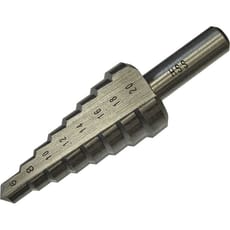
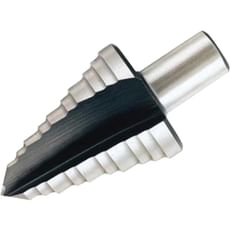
Stepped drill bits feature distinct flat platforms at each diameter increment, allowing you to drill precise, specific hole sizes with clear visual reference. Cone cutters have a smooth conical profile without defined steps, making them ideal for deburring, chamfering, enlarging existing holes or creating tapered openings rather than specific diameters. For most trades applications requiring accurate hole sizes, stepped bits offer greater versatility and precision.
Can I use stepped drill bits in a cordless impact driver?
Yes, hex shank stepped bits work excellently in impact drivers, particularly when drilling harder materials like stainless steel where the percussive action can actually improve cutting performance and reduce binding. However, use lower speed settings and ensure your impact driver has adequate torque (typically 150Nm or greater for larger holes). The combination works particularly well with 18V models from Milwaukee, Makita or DeWalt.
Why do my stepped bits keep breaking or wearing quickly?
Premature failure usually results from excessive speed, insufficient lubrication, or attempting to drill materials that are too thick or hard for the bit's design. Most stepped bits are designed for sheet materials up to 3-4mm thick. Ensure you're using appropriate cutting fluid, moderate speeds (not maximum RPM), and allowing the bit to cut rather than forcing it through material. Also verify you're not drilling work-hardened stainless steel or materials beyond the bit's specification.
Do I need different bits for stainless steel versus mild steel?
Whilst standard HSS bits can drill both materials, coated bits (TiN or AlTiN) significantly improve performance in stainless steel, which work-hardens during cutting and generates more heat. Use slower speeds, apply steady pressure without forcing, and always use cutting fluid when working with stainless. Premium ranges from Bosch Professional and Milwaukee offer specialist coatings specifically formulated for stainless steel applications, providing worthwhile performance improvements for regular use.
How do I know which step size I've drilled to?
Each step on quality bits is clearly marked with its diameter in millimetres. Simply drill until your desired size marking sits flush with the material surface. For precision work where exact dimensions matter, use the bit to create a slightly undersized hole, then verify with digital callipers before enlarging to the final dimension. This technique prevents oversizing holes that cannot be corrected, particularly important for mounting holes with specific tolerance requirements.