

Connector Nuts

Pay in 3 interest-free payments on purchases from £20-£3000 with  . Learn more.
 Loading...
End of content
Error - No more pages to load
About Connector Nuts
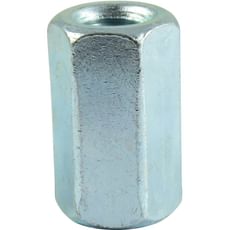
Connector nuts, also known as barrel nuts or coupling nuts, are specialist fastening components designed to join two male-threaded bolts, screws, or threaded rods together in a straight line. Unlike standard hex nuts that close at one end, these cylindrical or hexagonal fasteners feature internal threads running through their entire length, creating a secure in-line connection between separate threaded components. Available predominantly in bright zinc plated finishes, connector nuts deliver excellent corrosion resistance for both indoor applications and many outdoor projects across construction, furniture assembly, metalwork, and general engineering.
The range at Tooled-Up.com features hex connector nuts from trusted manufacturers including TIMCO and SIRIUS, ensuring professional-grade quality that meets the demands of tradespeople and serious DIY enthusiasts alike. These fasteners prove particularly valuable in situations where standard nuts would be impractical or impossible to use, such as joining threaded rod sections for extended lengths, creating knock-down furniture with concealed fixings, or assembling metal frameworks where clean, in-line connections are essential. The bright zinc plating not only protects against rust and oxidation but also provides a clean, professional appearance suitable for visible fixings.
Whether you're assembling flat-pack furniture, constructing bespoke cabinetry, installing retail displays, or joining metal frameworks on site, connector nuts provide a robust and reliable solution. Their internal threading allows for precise adjustment and alignment during installation, whilst the hex design enables easy fitting using standard spanners or socket sets, ensuring efficient work without specialist tools. The versatility and strength of these fasteners make them an indispensable component in any comprehensive fastener collection for professional and home workshop applications.
Jargon Buster
- Connector Nut (Barrel Nut/Coupling Nut) - A fastener with internal threads running through its entire length, designed to connect two externally threaded components together, creating a secure in-line joint without requiring access to both ends simultaneously.
- Bright Zinc Plated (BZP) - A protective surface finish applied through electroplating that provides corrosion resistance and a shiny, silver appearance. Suitable for most indoor applications and many outdoor uses where exposure to moisture is intermittent rather than constant.
- Hex (Hexagonal) - A six-sided design that allows the nut to be turned using standard spanners, socket sets, or adjustable wrenches, providing superior grip and torque application compared to round designs and preventing the frustrating spinning that can occur with other fastener types.
- Thread Size - The diameter measurement of the internal thread, typically expressed in metric sizing (M6, M8, M10, etc.) in the UK. This must match exactly with the bolt or threaded rod being connected - mismatched threads will damage components and create unsafe joints.
- AF (Across Flats) - The distance measured across the flat sides of a hex nut, determining which spanner or socket size is required for installation and removal. Common AF sizes for connector nuts include 10mm, 13mm, and 17mm.
- Thread Pitch - The distance between adjacent thread peaks, measured in millimetres for metric fasteners. Standard (coarse) pitch is most common for general applications, whilst fine pitch threads provide greater precision for specialist engineering uses.
Who Uses Connector Nuts?
Connector nuts are versatile fasteners used across numerous trades and applications:
- Carpenters and Joiners - For furniture construction, cabinet assembly, and creating knock-down fittings that can be easily dismantled and reassembled without damaging the fixings.
- Shopfitters and Retail Installers - When installing retail displays, shelving systems, point-of-sale fixtures, and modular units requiring secure in-line threaded connections with a professional finish.
- Metal Fabricators and Welders - For joining threaded rod sections in framework construction, balustrades, handrails, and structural assemblies where clean, aligned connections are essential.
- Construction Site Workers - In temporary works, scaffolding accessories, forming adjustable support systems, and creating bespoke fixing solutions for challenging installations.
- Furniture Makers and Bespoke Manufacturers - Creating professional-quality furniture with concealed fixings, secure joints, and the ability to disassemble for transport or modification.
- Maintenance Engineers and Facilities Managers - For repairs, modifications, and installations where standard bolting isn't practical, accessible, or where extended threaded lengths are required.
- Mechanical Engineers - In machinery assembly, jig construction, and creating adjustable components requiring precise thread engagement and alignment.
- DIY Enthusiasts and Home Improvers - Workshop projects, garden structures, custom furniture builds, and home improvements requiring reliable threaded connections with a professional finish.
How to Choose the Right Connector Nuts
Thread Size and Pitch: Ensure the internal thread matches your bolts or threaded rod exactly. Metric sizing (M6, M8, M10, M12, etc.) is standard throughout UK construction and engineering. Always verify both diameter and pitch - forcing mismatched threads will damage the fastener, weaken the joint, and potentially create safety hazards. When working with mixed fastener collections, a thread gauge proves invaluable for accurate identification.
Material and Finish: Bright zinc plated connector nuts available from Tooled-Up offer good corrosion resistance for most indoor applications and many outdoor uses. For marine environments, coastal locations, or areas with high moisture exposure and chemical contact, consider stainless steel alternatives for superior long-term rust protection. The bright zinc finish also provides an attractive, professional appearance for visible fixings.
Length Requirements: Connector nuts are manufactured in various lengths to accommodate different applications and thread engagement needs. Longer nuts provide more thread engagement and stronger connections, ideal for structural applications or high-stress joints. Shorter versions suit space-restricted installations where clearance is limited. As a general rule, aim for thread engagement equal to at least one times the bolt diameter, or 1.5 times for critical structural applications.
Hex Size (AF): Consider tool accessibility when choosing hex size. Ensure you have adequate clearance for spanners or sockets and appropriate tools for installation and future maintenance. Standard hex sizes align with common spanner sets, allowing efficient work without specialist equipment.
Load Requirements: For structural applications, load-bearing joints, or high-stress connections, ensure the connector nut's material grade, length, and size are appropriate for expected loads. When in doubt, consult load tables or technical specifications from manufacturers like TIMCO or SIRIUS, or seek advice from structural engineers for critical applications.
Application Environment: Indoor furniture assembly has different requirements than outdoor metalwork or site installations. Factor in temperature extremes, moisture exposure, chemical contact, vibration, and whether the fixing will be visible or concealed. Protected outdoor locations may suit bright zinc plated finishes, whilst exposed positions demand higher corrosion resistance.
Popular Accessories
To complete your fastening project effectively, consider these complementary products:
- Threaded Rod - Essential for creating the male threads that connector nuts join together, available in various lengths, diameters, and material grades to suit different applications.
- Washers - Flat washers distribute load across surfaces, whilst spring washers prevent loosening under vibration. Both protect work surfaces and improve joint integrity.
- Standard Hex Nuts - For securing the ends of threaded rod assemblies, preventing connector nut rotation, and creating lock-nut arrangements for permanent installations.
- Socket Sets and Spanners - Professional-quality tools from brands like Bahco, Wera, or Stanley enable efficient installation with the correct torque application.
- Thread-Locking Compound - Products like Loctite prevent nuts from loosening due to vibration in mechanical assemblies whilst still allowing disassembly when required.
- Bolt Cutters or Hacksaw - For cutting threaded rod to required lengths on site, ensuring precise fitting without wastage.
- Thread Gauges - Useful for identifying thread sizes and pitch accurately when working with mixed fastener collections or existing installations.
- Adjustable Wrenches - Versatile tools for working with various hex sizes, particularly useful when standard spanner sizes aren't immediately available.
- Cutting Oil or Lubricant - Eases installation, prevents thread damage, and reduces the risk of seizing, particularly with longer connector nuts or tighter tolerances.
Frequently Asked Questions
Q: What's the difference between a connector nut and a standard hex nut?
A: A standard hex nut has internal threads that close at one end and is designed to secure onto a single bolt or threaded component. A connector nut (also called a coupling nut or barrel nut) has internal threads running through its entire length, allowing it to join two separate bolts or threaded rods together end-to-end, creating a secure in-line connection. This makes connector nuts essential for extending threaded rod lengths or creating knock-down assemblies.
Q: Can I use connector nuts in outdoor applications?
A: Yes, bright zinc plated connector nuts offer reasonable corrosion resistance for many outdoor applications, particularly in sheltered locations or where exposure to moisture is intermittent. However, for coastal areas, marine environments, agricultural settings with chemical exposure, or where constant moisture contact occurs, stainless steel connector nuts provide superior long-term durability and rust protection. Always consider the specific environmental conditions of your installation.
Q: How much thread engagement do I need for a secure connection?
A: As a general rule, aim for thread engagement equal to at least one times the diameter of the bolt for steel fasteners in standard applications. For example, an M10 bolt should engage at least 10mm of thread within the connector nut. For critical structural applications, high-stress joints, or safety-critical installations, increase this to 1.5 times the diameter for an added safety margin. Longer connector nuts are available specifically for applications requiring maximum thread engagement.
Q: Will connector nuts work with both metric and imperial threads?
A: No, you must match the thread system exactly - metric connector nuts only work with metric bolts, and imperial with imperial threads. UK construction and engineering predominantly uses metric sizing (M6, M8, M10, etc.), so ensure compatibility before purchasing. Forcing incompatible threads will damage both components, create a weak and potentially dangerous connection, and may result in complete fastener failure under load.
Q: How do I prevent connector nuts from loosening over time due to vibration?
A: Several methods can prevent loosening effectively: use a standard hex nut on one or both ends as a lock nut (tightened against the connector nut), apply thread-locking compound such as Loctite (choose removable or permanent grade depending on requirements), use spring washers to maintain tension, or for permanent installations, slightly deform one or two threads after assembly. The appropriate method depends on whether you need the joint to remain adjustable for maintenance or be permanently fixed. For applications subject to constant vibration, combining multiple methods provides the most reliable security.