

Containers

Pay in 3 interest-free payments on purchases from £20-£3000 with  . Learn more.
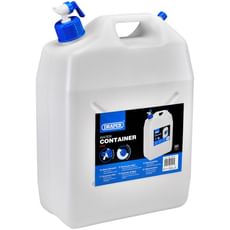
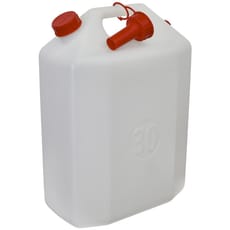
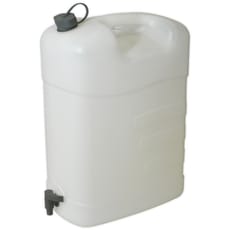
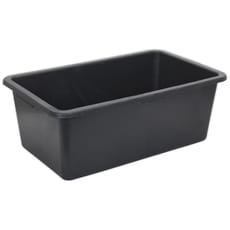
 Loading...
End of content
Error - No more pages to load
About Containers
Professional containers are essential equipment for tradespeople, site workers, and DIY enthusiasts who need reliable storage and transportation solutions for liquids and materials. Whether you're working on a remote construction site, managing a landscaping project, or tackling weekend home improvements, having the right containers ensures you can safely store and transport water, cleaning solutions, or other necessary materials wherever the job takes you.
The range available at Tooled-Up.com includes heavy-duty water containers designed to withstand the rigours of professional use on building sites, workshops, and outdoor environments. These robust storage solutions are manufactured by trusted brands including Sealey and Draper, offering capacities suitable for everything from small domestic tasks to large-scale commercial projects. Built from durable, food-grade materials, these containers feature secure lids, comfortable carrying handles, and tap fittings for convenient dispensing.
Modern professional containers combine practical functionality with thoughtful design features such as wide-mouth openings for easy filling and cleaning, graduated volume markers for accurate measurement, and stackable profiles for efficient storage when not in use. Whether you need a compact water container for mobile work or a larger capacity storage container for workshop organisation, investing in quality containers from established manufacturers ensures longevity and reliable performance in demanding work environments.
Jargon Buster
- Food-Grade Plastic: Containers manufactured from materials approved for contact with drinking water and food products, typically made from high-density polyethylene (HDPE) that won't leach chemicals or impart taste.
- Capacity Rating: The maximum volume a container can safely hold, usually measured in litres. Common sizes range from 5 litres for portable use up to 25 litres or more for site-based applications.
- Tap Fitting: A dispensing mechanism fitted to containers that allows controlled pouring without having to lift or tilt the entire unit, particularly useful for larger capacity containers.
- UV Stabilisation: A treatment applied to plastic containers to prevent degradation and brittleness when exposed to prolonged sunlight, essential for outdoor storage and use.
- Stackable Design: Containers engineered with interlocking features or stable profiles that allow multiple units to be safely stored on top of each other, saving valuable workshop or vehicle space.
- Wide-Mouth Opening: A larger diameter access point that facilitates easy filling, cleaning, and the addition of ice or other materials, while still maintaining a secure seal.
Who Uses Containers?
Professional containers are indispensable tools across numerous trades and applications:
- Builders and Construction Workers: For storing drinking water on remote sites without mains supply, mixing solutions, and cleaning equipment
- Landscapers and Groundskeepers: Essential for watering plants, mixing fertilisers, and transporting water to areas without tap access
- Plasterers and Decorators: For clean water supplies when working in properties with disconnected services or on new builds
- Mobile Catering and Event Staff: Food-grade containers for safe water storage at outdoor events and temporary locations
- Camping and Outdoor Enthusiasts: Reliable water storage for extended trips and remote locations
- Vehicle Maintenance Professionals: For storing cleaning fluids, coolant, and water for workshop use
- Emergency Preparedness Coordinators: Essential backup water storage for homes and businesses
- Caravan and Motorhome Owners: Supplementary water storage for extended touring
- Allotment Holders and Gardeners: For transporting water to plots without direct supply
How to Choose the Right Containers
Capacity Requirements: Assess your typical usage to determine the right size. Smaller 5-10 litre containers offer excellent portability for mobile tradespeople, while 15-25 litre options suit site-based work where capacity is more important than weight when full. Consider having multiple smaller containers rather than one large unit if you need to transport them regularly.
Material Quality: Look for containers manufactured from heavy-duty, food-grade HDPE plastic that resists cracking, splitting, and degradation. UV-stabilised materials are essential if the container will be stored outdoors. Check wall thickness indicators - professional-grade containers feature reinforced construction in high-stress areas.
Dispensing Options: Containers with integrated tap fittings eliminate the need to lift and pour, reducing spillage and physical strain. Ensure taps are positioned low enough to dispense the maximum volume and feature leak-proof sealing. Some containers offer screw-cap access only, which may be preferable for transportation to prevent accidental leakage.
Portability Features: Comfortable, reinforced carrying handles are essential, particularly for larger capacities. Moulded handles that allow a secure grip even when wearing work gloves are preferable to thin wire handles. Consider containers with both top and side handles for different carrying positions.
Storage and Transport: If vehicle or workshop space is limited, stackable designs maximise efficiency. Check the footprint dimensions to ensure containers fit in your van racking system or storage area. Transparent or semi-transparent materials allow you to monitor remaining contents at a glance.
Brand Reputation: Established manufacturers like Sealey and Draper, both stocked at Tooled-Up.com, offer proven reliability and often provide replacement parts such as taps and caps. Professional-grade containers represent better value over time compared to budget alternatives that may crack or leak after limited use.
Popular Accessories
- Replacement Taps and Caps: Spare dispensing taps and secure lids to maintain container functionality over years of use
- Container Stands: Elevated platforms that position containers at convenient dispensing height and improve tap clearance
- Carrying Straps: Additional support for transporting heavy containers over longer distances
- Funnels and Filters: For clean, efficient filling and to prevent debris entering the container
- Cleaning Brushes: Long-handled brushes designed to reach inside containers for thorough cleaning
- Storage Racks: Wall-mounted or floor-standing systems for organised container storage in workshops and vans
- Identification Labels: Clearly mark contents to maintain organisation and ensure appropriate use
- Sterilising Tablets: For maintaining hygiene in water containers, particularly important for drinking water storage
Safety Information
Material Compatibility: Only store materials appropriate for the container type. Food-grade containers are suitable for drinking water and food products, but should not be used for chemicals, fuels, or non-food liquids. Never reuse containers that have held chemicals for water storage, as contamination can occur even after cleaning.
Weight Considerations: Water weighs approximately 1kg per litre, meaning a 25-litre container weighs over 25kg when full. Always assess whether you can safely lift and carry the filled container, and use proper manual handling techniques as recommended by the HSE. Consider filling containers in situ rather than transporting them full when possible.
Hygiene Practices: Regularly clean containers with appropriate food-safe cleaning solutions, particularly if used for drinking water. Empty, rinse, and dry containers between uses to prevent bacterial growth. Follow COSHH guidelines if containers are used for any chemical storage applications.
Secure Transport: When transporting containers in vehicles, ensure they are properly secured to prevent movement during transit. Verify caps and taps are tightly closed to avoid spillage. Store containers away from direct heat sources and ensure adequate ventilation.
Frequently Asked Questions
Can I use water containers for storing other liquids?
Food-grade water containers should only be used for potable water and food-safe liquids. Never store chemicals, fuels, or non-food substances in containers designed for drinking water, as this can cause dangerous contamination that persists even after cleaning. If you need to store different materials, purchase separate, appropriately rated containers and clearly label them.
How do I clean and maintain my water container?
Regular cleaning prevents bacterial growth and unpleasant odours. Empty the container completely, then rinse with warm water. For thorough cleaning, use a solution of warm water with a small amount of washing-up liquid, shake vigorously, and use a long-handled brush to scrub the interior. Rinse multiple times with clean water until no soap residue remains. Allow to air dry completely with the lid off before storage. For containers used for drinking water, periodic sterilisation with food-safe sterilising tablets is recommended.
What size container do I need for site work?
For mobile tradespeople working alone, 10-15 litre containers offer the best balance between capacity and portability. For static site use with multiple workers, 20-25 litre containers provide sufficient capacity to last a full working day. Many professionals keep both sizes - larger containers for the main site supply and smaller ones for working in different areas of the property.
Are these containers suitable for long-term water storage?
Quality food-grade containers from manufacturers like Sealey and Draper are suitable for water storage, but water should be rotated regularly rather than stored indefinitely. For emergency preparedness, replace stored water every 6-12 months. Store containers in cool, dark locations away from direct sunlight to prevent algae growth and material degradation. UV-stabilised containers are better suited to outdoor storage.
Will containers crack in cold weather?
Professional-grade containers manufactured from heavy-duty HDPE plastic are designed to withstand typical UK winter conditions. However, avoid filling containers to maximum capacity if freezing temperatures are expected, as water expands when frozen and may damage the container. If possible, store containers in frost-free locations during winter months when not in regular use.