

Continuity & Circuit Testers
Pay in 3 interest-free payments on purchases from £30-2000 with  . Learn more.
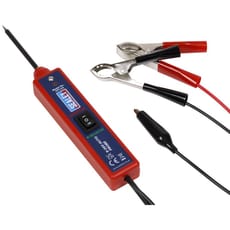
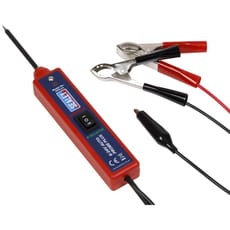
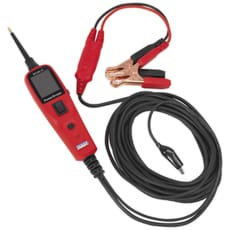
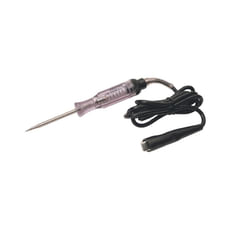
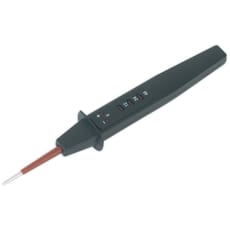
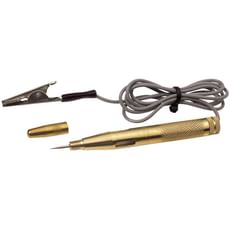
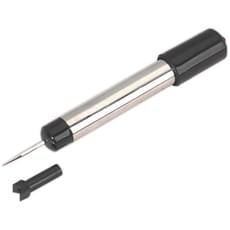
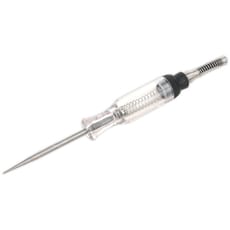
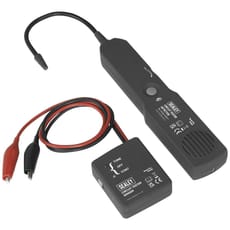
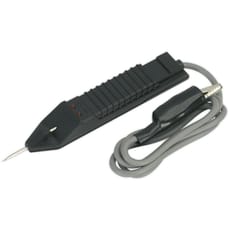
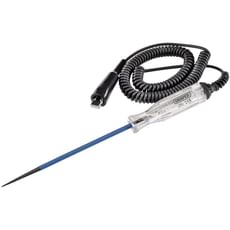
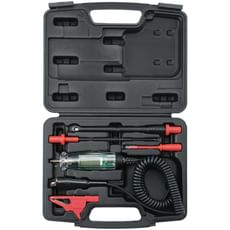
 Loading...
End of content
Error - No more pages to load
About Continuity & Circuit Testers
Continuity and circuit testers are indispensable diagnostic tools for anyone working with automotive or low-voltage electrical systems. These compact, handheld devices enable rapid identification of live circuits, continuity testing, location of wiring breaks, and verification of proper earth connections. Whether troubleshooting a faulty automotive lighting circuit, tracing wiring faults in a caravan, or checking fuses and switches in agricultural machinery, a reliable circuit tester delivers instant visual or audible feedback to help diagnose electrical issues efficiently and safely.
The range available at Tooled-Up.com includes basic automotive test probes through to advanced digital circuit testers with extended voltage capabilities. Most automotive circuit testers operate within the 6-24V DC range, making them ideal for cars, vans, motorcycles, light commercial vehicles, and HGVs. For those requiring greater versatility, digital automotive circuit testers capable of handling 6-48V systems are available, complete with LCD displays providing precise voltage readings. Leading brands like Sealey and Draper dominate this category, offering everything from simple single-function test probes to comprehensive circuit tester kits with multiple accessories and organised storage cases.
These tools are engineered for practical workshop and roadside use, featuring robust construction, ergonomic handles, and bright LED indicators or audible buzzers for easy fault detection even in poor lighting conditions. Many models incorporate the tester into a screwdriver-style format, combining testing and minor adjustment capabilities in one convenient tool. Heavy-duty cable with earth crocodile clips, insulated contact points to prevent accidental shorting, and impact-resistant housings ensure these testers withstand the demands of professional automotive environments.
Jargon Buster
- Continuity Testing – The process of checking whether an electrical circuit is complete and capable of carrying current. A continuity tester confirms that current can flow from one point to another without interruption, essential for identifying breaks in wiring or faulty connections in automotive harnesses.
- Live Circuit Testing – Testing electrical circuits whilst power is applied to identify which wires are carrying current. Circuit testers illuminate or sound when they detect voltage, allowing you to trace live wires safely without stripping insulation.
- Auto Probe – A type of circuit tester specifically designed for automotive electrical systems, typically featuring a sharp probe tip for piercing wire insulation and a vehicle earth clip for completing the test circuit. Popular for quick diagnostics without cable damage.
- Voltage Range – The span of electrical voltages a circuit tester can safely detect and measure, commonly 6-12V for basic automotive testers, 6-24V for commercial vehicles, or 6-48V for versatile digital models suitable for diverse applications.
- Earth/Ground Testing – Verification that a component or circuit is properly connected to the vehicle chassis or electrical earth, crucial for correct electrical system operation and safety in automotive applications.
- Polarity Testing – Determining which wire or terminal is positive and which is negative in a DC circuit, important for correct installation of automotive components, accessories, and aftermarket electrical equipment.
Who Uses Continuity & Circuit Testers?
- Auto Electricians – Diagnosing electrical faults in vehicles, from simple bulb failures to complex wiring problems in modern automotive systems
- Mobile Mechanics – Roadside diagnostics and electrical troubleshooting on cars, vans, and commercial vehicles
- MOT Testers – Checking lighting circuits and electrical components during vehicle inspections and annual testing
- Fleet Maintenance Engineers – Regular electrical system checks across company vehicle fleets, ensuring reliability and minimising downtime
- Agricultural Mechanics – Testing electrical systems on tractors, farm machinery, and utility vehicles with both 12V and 24V systems
- Motorcycle Mechanics – Diagnosing electrical issues on bikes, quads, scooters, and small engine vehicles
- Caravan and Motorhome Technicians – Testing both 12V DC automotive circuits and leisure vehicle electrical systems including lighting and charging circuits
- Plant and HGV Mechanics – Working with larger 24V electrical systems on commercial vehicles, construction machinery, and heavy goods vehicles
- Classic Car Restorers – Diagnosing and repairing electrical systems in older vehicles during restoration projects
- DIY Enthusiasts – Home vehicle maintenance, electrical repairs, and automotive troubleshooting
How to Choose the Right Continuity & Circuit Testers
Voltage Range: Consider the electrical systems you'll be working with regularly. A standard 6-12V tester suits most passenger cars and light vehicles, whilst 6-24V models are essential for commercial vehicles, HGVs, buses, and agricultural machinery. Digital testers offering 6-48V capability provide maximum versatility for diverse automotive, marine, and industrial applications.
Display Type: Basic circuit testers use LED lights or incandescent bulbs to indicate live circuits – simple, reliable, and ideal for quick go/no-go checks. Digital models with LCD displays provide actual voltage readings, offering more detailed diagnostic information and greater precision when measuring voltage drops, comparing circuit performance, or diagnosing charging system faults.
Indication Method: LED indicators are most common and work well in normal conditions, but audible buzzers are invaluable when working in confined spaces, under dashboards, or in engine bays where you can't easily see the tester. Some advanced models from Sealey and Draper offer both visual and audible feedback for maximum convenience across all working conditions.
Probe Design: Sharp-tipped probes can pierce wire insulation for testing without stripping cables – useful for accessing circuits in tight harnesses but requiring care to avoid unnecessary damage. Screwdriver-style circuit testers combine testing with fastener adjustment capabilities, offering two-in-one functionality. Consider ergonomics and grip comfort if you'll be using the tester frequently throughout the working day.
Cable Length: Heavy-duty cable length matters for practical use. Shorter cables suit confined spaces and mobile work, whilst longer cables (typically 1.5 metres) provide better reach when testing across vehicle systems or working on larger commercial vehicles and plant machinery.
Build Quality: Look for robust construction with impact-resistant housings, secure earth clips with strong springs, and insulated contact points to prevent accidental shorting. Professional-grade tools from established brands typically offer better durability for workshop environments compared to budget alternatives, with replaceable components and longer service life.
Kit Contents: Tooled-Up stocks circuit tester kits that include multiple probes, earth leads, extension accessories, and organised storage cases. These represent excellent value for professional users who need comprehensive diagnostic capabilities, whilst single testers suit occasional users, mobile mechanics, or as backup tools in the van or toolbox.
Popular Accessories
- Multimeters – For more detailed electrical measurements including resistance, amperage, capacitance, and AC voltage testing beyond basic circuit testing capabilities
- Test Lead Sets – Replacement probes, crocodile clips, and extension leads for circuit testers to extend service life and versatility
- Wire Strippers – Essential for accessing wiring during electrical diagnostics, repairs, and making permanent connections
- Crimping Tools – For making secure electrical connections when repairing identified faults in automotive wiring harnesses
- Electrical Tape – Insulating repairs, sealing pierce points, and making temporary connections during diagnostic work
- Fuse Assortments – Replacement automotive fuses in common amperages for immediate repairs once faults are identified
- Wire Connectors – Scotchlok connectors, bullet terminals, spade connectors, and ring terminals for professional electrical repairs
- Cable Ties – Securing repaired wiring harnesses and keeping cables organised in engine bays and under-dash installations
- Contact Cleaner – For cleaning electrical connections identified as corroded or suffering from poor contact resistance
- Heat Shrink Tubing – Professional insulation for permanent repairs and weatherproofing electrical connections
Safety Information
Whilst automotive circuit testers are designed for low-voltage DC systems and are generally safe to use, always observe proper safety precautions. Never use automotive circuit testers on mains 240v AC electrical systems – they are not rated for this purpose and doing so presents a serious electrocution risk. Always use appropriate voltage-rated testing equipment for household or industrial AC electrical work, and consult a qualified electrician if uncertain.
When testing automotive circuits, ensure the vehicle ignition is in the appropriate position for the circuit being tested, and be aware that some vehicle systems can produce unexpected voltage spikes, particularly in ignition circuits and alternator systems. Always connect the earth clip securely to a good vehicle earth point – preferably bare metal on the chassis or engine block – before probing circuits to ensure accurate readings and safe operation.
Take care when using sharp-tipped probes to pierce insulation. Avoid damaging cables unnecessarily and ensure any pierce points are properly sealed with electrical tape or heat shrink afterwards to prevent moisture ingress, corrosion, or potential short circuits. Work in well-lit conditions where possible, and when working under bonnets, beneath vehicles, or in confined spaces, ensure adequate ventilation and that the vehicle is properly supported on axle stands – never rely solely on jacks.
Keep circuit testers clean and dry, storing them in protective cases when not in use. Inspect them regularly for damaged probes, frayed leads, cracked housings, or weak earth clips that could compromise safety or accuracy. Replace damaged components immediately and never attempt to use defective testing equipment. Follow HSE guidance for working with electrical systems and wear appropriate PPE including insulated gloves when working on vehicle electrical systems.
Frequently Asked Questions
What's the difference between a circuit tester and a multimeter?
A circuit tester is a simple go/no-go diagnostic tool that indicates whether voltage is present in a circuit, using an LED or buzzer for quick identification. A multimeter provides actual numerical measurements of voltage, current, resistance, and often other parameters, offering more detailed information but requiring more interpretation and setup time. For basic automotive electrical fault-finding – checking if circuits are live, verifying earth connections, testing bulbs – a circuit tester is often faster and more convenient for everyday diagnostics. Multimeters are better for precise measurements, voltage drop testing, resistance checks, and complex diagnostics. Many professional auto electricians carry both types for different situations.
Can I use a 12V circuit tester on a 24V vehicle system?
No, you must use a circuit tester rated for the voltage of the system you're testing. Using a 12V-rated tester on a 24V system may damage the tester's internal components, could give false or no readings, and potentially presents a safety risk. Commercial vehicles, buses, some agricultural machinery, HGVs, and larger plant equipment typically use 24V electrical systems, so always select a tester rated for at least 6-24V or higher for these applications. Check the tester's specifications before use and select the appropriate tool for your application.
Why does my circuit tester have a sharp pointed tip?
The sharp probe tip allows you to pierce through wire insulation to make contact with the conductor inside without having to strip the cable or disconnect terminals. This is particularly useful when testing in tight spaces, checking multiple points along a wiring harness, or when you need quick diagnostics without disturbing existing connections. However, always seal any pierce points with electrical tape or heat shrink tubing afterwards to prevent moisture ingress, corrosion, and potential short circuits. Some technicians prefer blunt-tipped testers to avoid accidental damage to wiring.
Do I need a digital circuit tester or is a basic LED version sufficient?
For most routine automotive electrical diagnostics – checking if circuits are live, testing bulbs and fuses, verifying earth connections, tracing wiring – a basic LED circuit tester is perfectly adequate and often quicker to use with instant visual indication. Digital models are beneficial when you need to know exact voltage values, diagnose voltage drop issues across connections, work with a wider range of electrical systems, or require precise measurements for charging system diagnostics. Professional auto electricians often carry both types: a basic LED tester for quick checks and a digital model for detailed diagnostics.
How do I test for continuity in a wire?
To test continuity, the circuit must be de-energised (power disconnected). Connect one end of your continuity tester to one end of the wire and the other end to the opposite end of the same wire. If the circuit is complete and the wire is intact with no breaks, the tester will light up or sound. If there's a break anywhere in the wire, no indication will occur. Note that basic circuit testers designed only for live voltage detection may not have a dedicated continuity function with an internal battery – check your tester's specifications or use a multimeter set to continuity mode for this type of testing. Always disconnect power and discharge any capacitors before continuity testing.