

Contractors Spades

Pay in 3 interest-free payments on purchases from £20-£3000 with  . Learn more.

 Loading...
End of content
Error - No more pages to load
About Contractors Spades
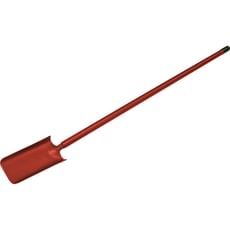
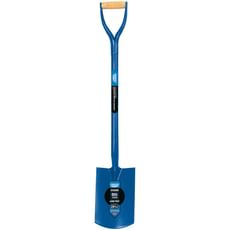
Contractors spades are heavy-duty digging tools engineered specifically for professional tradespeople who demand reliable, robust equipment capable of withstanding the rigours of daily site work. Unlike standard garden spades, these professional-grade tools feature reinforced construction, premium materials, and specialist blade designs to tackle demanding tasks including trenching, fencing, cable laying, and groundwork preparation. Built to perform consistently across various soil conditions—from heavy clay to rocky terrain—contractors spades are essential equipment for landscapers, groundworkers, and utility contractors throughout the UK.
The selection available at Tooled-Up.com includes specialist variants such as fencing spades with narrow blades for post hole digging, trenching spades for excavating cable and pipe runs, rabbiting spades for working in confined spaces, and insulated models for safe working near underground utilities. Each type features specific design characteristics that optimise performance for particular applications, with considerations including blade width, shaft length, handle type, and material construction. Quality contractors spades from trusted brands like Bulldog, Faithfull, Spear and Jackson, Roughneck, Draper, and Sealey combine durable steel construction with ergonomic design features such as treaded steps for comfortable foot pressure, D-grips or T-handles for improved leverage, and corrosion-resistant finishes that extend tool life even in harsh working conditions.
Investing in the right contractors spade not only improves productivity but also reduces operator fatigue during extended periods of manual excavation work, making it a critical purchase for any professional working in groundwork, utilities, or construction sectors.
Jargon Buster
- Treaded Blade: A reinforced step or platform welded to the top of the spade blade that provides a comfortable, secure surface for applying foot pressure when driving the blade into the ground, reducing fatigue and improving control during extended digging operations.
- All-Steel Construction: Spades manufactured with both the blade and shaft forged from a single piece of steel or permanently welded together, offering superior strength and durability compared to wooden-handled alternatives—particularly important for heavy-duty contractors' work where tool failure can halt productivity.
- Rabbiting Spade: A specialist spade featuring a smaller, rounded blade designed for working in confined spaces such as between fence posts, around foundations, or in narrow trenches where standard full-sized spades cannot be manoeuvred effectively.
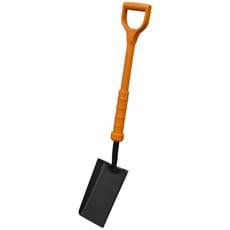
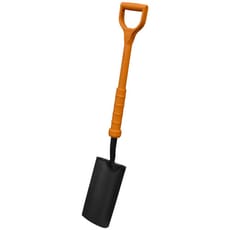
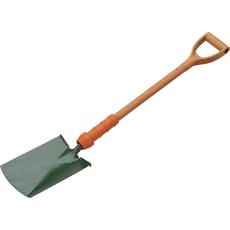
- Insulated Spade: A spade specifically designed for safe working near buried cables and electrical services, featuring non-conductive handles and often colour-coded grips to indicate its insulated status—essential for compliance with HSE guidelines when excavating near utilities. Manufactured to BS8020 standards.
- Fencing Spade: A narrow-bladed spade, typically 100-150mm wide, designed specifically for digging post holes and working between fence lines where a standard spade blade would be too wide to operate efficiently.
- Root Breaker: A specialised spade design featuring a serrated or toothed blade edge that cuts through roots, compacted soil, and tough ground conditions more effectively than standard flat-edged blades.
Who Uses Contractors Spades?
Contractors spades are essential tools for a wide range of professional trades and organisations across the UK construction and groundwork sectors:
- Groundworkers and Excavation Contractors: For foundation digging, drainage work, and site preparation
- Landscapers and Garden Contractors: For borders, planting, terracing, and general groundwork
- Fencing Contractors: For post hole digging and fence line preparation
- Electricians and Cable Layers: For trenching and burying electrical services
- Utility Companies: For excavation work around water, gas, and electrical infrastructure
- Local Authority Maintenance Teams: For highways, parks, and public space maintenance
- Builders and General Contractors: For site clearance and groundwork preparation
- Agricultural Contractors: For drainage, fencing, and land maintenance work
- Hire Companies: Stocking durable equipment for rental to various trades
How to Choose the Right Contractors Spades
Blade Type and Width: Consider whether you need a standard digging spade (typically 190-200mm wide), a narrow fencing spade (100-150mm), a trenching spade for cable runs, or a specialist rabbiting spade for confined spaces. The blade shape directly affects the tool's suitability for different excavation tasks.
Construction Material: All-steel construction offers maximum durability and is essential for heavy-duty professional use, whilst carbon steel blades provide excellent ground penetration and edge retention. Look for treaded blade designs that provide a secure platform for foot pressure during extended digging operations.
Handle Length and Type: Long-handled spades (typically 1150-1250mm overall length) provide greater leverage for breaking ground and are preferred for general digging, whilst shorter handles offer better control in confined spaces. D-grip handles suit most applications, though some contractors prefer T-handles or YD-grips for specific working styles.
Insulation Requirements: If you work near buried electrical cables or utilities, insulated spades are essential for safety and HSE compliance. These feature non-conductive handles—often fibreglass—and shafts designed to protect operators from electrical hazards during excavation work. Look for models manufactured to BS8020 standards with individual testing certificates.
Brand Reputation: Established manufacturers like Bulldog, Spear and Jackson, Faithfull, Roughneck, Draper, and Sealey have proven track records for producing reliable contractors tools that withstand professional use. Consider warranty coverage and brand reputation when making your selection.
Specific Applications: Match the spade design to your primary tasks—root breakers for overgrown areas, drain spades for narrow drainage channels, grafting spades for transplanting, or cable-laying spades for utility work. Specialist tools improve efficiency and reduce operator fatigue.
Popular Accessories
Enhance your contractors spade setup with these complementary products available from Tooled-Up:
- Replacement Handles and Shafts: Spare components for maintaining your spades in working order
- Pickaxes and Mattocks: For breaking hard ground before spade work
- Post Hole Diggers: Complementary tools for fencing contractors
- Wheelbarrows and Dumpers: For removing excavated material efficiently
- Work Gloves: Heavy-duty hand protection from brands like Portwest and Scruffs
- Tool Sharpening Equipment: Files and sharpening stones to maintain blade edges
- Protective Footwear: Steel toe-capped safety boots essential for manual excavation work
- Hi-Vis Workwear: For safe working on construction sites and roadside locations
- Cable Locators: Electronic detection equipment for identifying buried services before digging
- Tool Storage Solutions: Van racking and secure storage systems to protect your equipment
Safety Information
Underground Services: Always check for buried cables, gas pipes, and water mains before commencing any excavation work. Use cable locators and refer to utility company records. When working near known services, use insulated spades and follow HSE guidance for safe digging practices near utilities.
Manual Handling: Spade work is physically demanding and can lead to back injuries if proper lifting and digging techniques aren't followed. Keep your back straight, bend your knees, and use leg muscles rather than back muscles when lifting. Take regular breaks during extended digging sessions to prevent fatigue and strain injuries.
Personal Protective Equipment: Wear appropriate PPE including safety boots with steel toe caps and penetration-resistant soles, heavy-duty work gloves to prevent blisters and protect hands, and hi-visibility clothing when working on construction sites or near roadways. Eye protection may be necessary when working in rocky conditions.
Tool Maintenance: Keep blade edges sharp to reduce the effort required for ground penetration. Inspect handles and shafts regularly for cracks, splits, or damage that could cause failure during use. Clean and dry spades after use to prevent corrosion, and store in dry conditions.
Trench Safety: When digging trenches deeper than 1.2 metres, appropriate shoring, battering, or trench boxes must be used to prevent collapse. Never work in unsupported deep excavations—trench collapse is a significant cause of workplace fatalities in the UK construction industry.
Frequently Asked Questions
What's the difference between a contractors spade and a garden spade?
Contractors spades are built to professional standards with reinforced all-steel construction, treaded blades, and heavier-gauge materials designed to withstand daily commercial use in demanding conditions. Garden spades are typically lighter with wooden handles and thinner blades suitable for domestic use but not robust enough for continuous professional work. Contractors spades also come in specialist variants like trenching, fencing, and insulated models not commonly found in garden tool ranges.
Do I need an insulated spade for working near electricity cables?
Yes, if you're working near buried electrical services, an insulated spade is essential for safety and HSE compliance. These spades feature non-conductive handles—typically fibreglass—and shafts that provide protection against electrical shock if you accidentally strike a live cable. They're particularly important for utility contractors, electricians, and anyone regularly excavating in areas where underground electrical services are present. Standard metal spades conduct electricity and pose serious electrocution risks near damaged cables. Look for models manufactured to BS8020 standards.
What length handle should I choose for my contractors spade?
Handle length depends on your height and the type of work you're doing. Long handles (1150-1250mm overall length) provide better leverage for general digging and are suitable for most users of average height working in open areas. Shorter handles offer more control in confined spaces like between fence posts or in narrow trenches. As a general rule, when standing the spade upright, the handle should reach somewhere between your hip and lower chest for comfortable operation.
How do I maintain my contractors spade to extend its working life?
Clean soil and debris from the blade after each use, and dry thoroughly to prevent rust formation. Periodically sharpen the blade edge with a file to maintain efficient ground penetration—a sharp spade requires less effort and reduces operator fatigue. Store in dry conditions and apply a light coating of oil to metal surfaces if storing for extended periods. Inspect handles and welds regularly for damage, and address any issues promptly before they lead to failure during use.
Are all-steel spades better than those with wooden handles?
For professional contractors work, all-steel construction offers significant advantages in terms of durability, strength, and longevity. Steel shafts won't split, crack, or break like wooden handles can under heavy use, and the permanently welded or forged construction eliminates the blade-to-handle joint that's often the weak point in wooden-handled tools. Whilst all-steel spades may be slightly heavier and conduct cold in winter conditions, their superior reliability makes them the preferred choice for daily professional use on construction sites and groundwork projects.