

Copper Hammers

Pay in 3 interest-free payments on purchases from £20-£3000 with  . Learn more.

 Loading...
End of content
Error - No more pages to load
About Copper Hammers
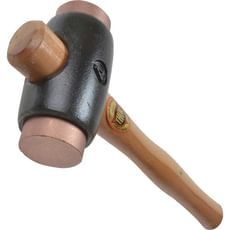
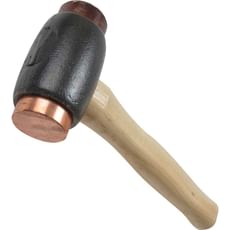
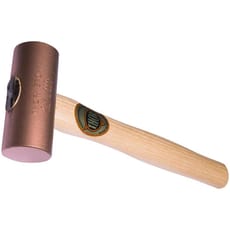
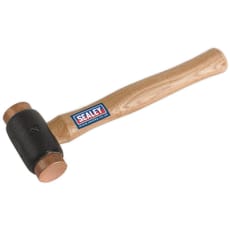
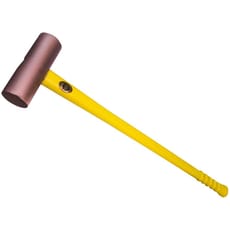
Copper hammers are specialised striking tools designed to deliver controlled force without damaging delicate surfaces or materials. Unlike conventional steel hammers, copper hammers feature heads made from solid copper or copper faces that provide a softer, non-sparking strike. This makes them invaluable for applications where marring, scratching or deforming the workpiece would compromise the job quality or functionality. The natural properties of copper allow these hammers to absorb impact energy whilst still delivering sufficient force for assembly, adjustment and fitting tasks across numerous trades.
The selection available at Tooled-Up.com includes both solid copper head designs and combination hammers featuring copper paired with hide or other soft materials. These professional-grade tools from trusted manufacturers like Thor and Sealey are built to withstand the demands of daily workshop and site work. Whether you're working with engineering components, fitting delicate machinery parts, or assembling precision equipment, a quality copper hammer prevents the surface damage that steel hammers can inflict whilst maintaining the durability and balance that professional tradespeople demand.
Copper hammers are particularly valued in environments where spark generation poses a safety hazard, as copper is a non-ferrous metal that won't create sparks when striking other surfaces. This characteristic, combined with their controlled striking force, makes them essential tools for automotive work, engineering workshops, metalworking operations and maintenance applications where both safety and precision are paramount.
Jargon Buster
- Copper Face: A striking surface made from solid copper, designed to be softer than the material being struck to prevent damage, marring or deformation of the workpiece.
- Hide Face: A striking surface made from compressed rawhide leather, offering an even softer impact than copper for extremely delicate assembly work and fine adjustments.
- Non-Sparking: The property of certain tools, including copper hammers, that prevents spark generation during use, making them safer in potentially explosive or flammable atmospheres.
- Non-Marring: Tools designed to strike surfaces without leaving marks, scratches or indentations that would compromise appearance or functionality.
- Mushrooming: The deformation of a hammer face over time through repeated use, which requires regular maintenance or face replacement to maintain effectiveness.
- Electrolytic Copper: High-purity copper produced through an electrolytic refining process, providing superior consistency and performance for hammer faces.
Who Uses Copper Hammers?
Copper hammers are essential tools for a diverse range of trades and professionals:
- Automotive Technicians - For fitting bearings, adjusting bodywork panels and assembling engine components without causing surface damage
- Engineers and Fitters - Assembling machinery, adjusting precision equipment and fitting components where steel hammers would cause unacceptable damage
- Metalworkers and Fabricators - Forming and shaping soft metals, fitting joints and adjusting fabricated components
- Woodworkers and Joiners - Assembling furniture, fitting joints and adjusting components without marring finished surfaces
- Maintenance Engineers - Equipment adjustment, component fitting and machinery maintenance across industrial facilities
- Jewellers and Watchmakers - Precision work on delicate metals and assemblies requiring controlled, non-marking strikes
- Sheet Metal Workers - Forming operations and panel adjustment where steel hammers would dent or damage the material
- DIY Enthusiasts - Home mechanics, hobbyists and anyone working on projects requiring careful, controlled striking without surface damage
How to Choose the Right Copper Hammers
Selecting the appropriate copper hammer depends on several key factors related to your specific applications:
Head Weight: Copper hammers typically range from 225g (8oz) to 900g (2lb) or more. Lighter hammers suit precision assembly and delicate adjustment work, whilst heavier models provide greater striking force for stubborn components and larger assemblies. Consider the typical materials and components you work with when selecting head weight.
Face Configuration: Decide whether you need a pure copper hammer with two copper faces, or a combination hammer featuring copper on one side and hide, nylon or rubber on the other. Combination hammers like the Thor Copper/Hide Hammer offer greater versatility, allowing you to select the appropriate striking face for different tasks without changing tools.
Handle Material: Professional copper hammers feature handles made from ash, hickory or fibreglass. Traditional wooden handles provide excellent shock absorption and feel, whilst modern fibreglass handles offer superior durability and resistance to splitting or loosening. Consider your working environment and personal preference when choosing handle materials.
Handle Length: Shorter handles provide greater control for precision work, whilst longer handles deliver increased striking force and reach. Most copper hammers feature medium-length handles around 300-350mm, balancing control with striking power for general workshop applications.
Build Quality: Professional-grade copper hammers from manufacturers like Thor and Sealey feature properly secured heads, well-shaped handles and quality copper that maintains its shape through extended use. Look for features such as malleable iron head construction and pure electrolytic copper faces for enhanced durability and performance.
Popular Accessories
- Replacement Copper Faces - Extend tool life by replacing worn or mushroomed striking surfaces rather than purchasing complete new hammers
- Tool Belts and Pouches - Keep your copper hammer readily accessible during assembly and fitting work
- Soft-Faced Hammer Sets - Complement your copper hammer with nylon, rubber and plastic-faced alternatives for complete striking versatility
- Bench Vices and Clamps - Secure workpieces properly whilst using copper hammers for assembly and adjustment tasks
- Dead Blow Hammers - For applications requiring minimal rebound and maximum energy transfer
- Tool Storage Solutions - Protect your hammers during transport and storage with dedicated tool boxes, bags and organisers from Stanley FatMax, DeWalt TSTAK or Milwaukee PACKOUT systems
- Marking and Measuring Tools - Ensure accurate component positioning before striking with quality measuring equipment
Safety Information
Whilst copper hammers are inherently safer than steel alternatives in many applications, proper safety practices remain essential:
Eye Protection: Always wear appropriate safety glasses or goggles when using any striking tool. Even soft-faced hammers can dislodge particles or cause fragments to fly from workpieces. This aligns with HSE guidance on personal protective equipment for striking tools.
Face Inspection: Regularly examine copper faces for mushrooming, deformation or damage. Worn or damaged faces should be replaced or dressed to maintain safe, effective operation and prevent fragments breaking away during use.
Secure Workpieces: Ensure components are properly supported and secured before striking. Unstable workpieces can shift unexpectedly, causing the hammer to glance off and potentially strike your hand or other body parts.
Correct Striking Technique: Use controlled, deliberate strikes rather than excessive force. The softer copper material works most effectively with properly directed, moderate force rather than heavy, uncontrolled blows which can damage both tool and workpiece.
Handle Condition: Inspect wooden handles regularly for splits, cracks or loosening. A loose hammer head poses serious injury risks. Replace damaged handles immediately or tighten loose heads according to manufacturer guidance.
Frequently Asked Questions
Why use a copper hammer instead of a steel hammer?
Copper hammers are softer than steel, preventing damage to delicate surfaces, finished components and soft metals. They're non-sparking for safety in potentially explosive environments, and they won't mar surfaces like steel hammers would. They're essential for assembly work, bearing fitting and adjusting components where surface integrity must be maintained.
Do copper hammer faces need replacing?
Yes, copper faces will gradually mushroom and deform with regular use. When faces become significantly flattened or deformed, they should be replaced or dressed to restore effectiveness. Many models from Tooled-Up.com feature replaceable copper faces, making maintenance economical and extending tool life considerably.
Can I use a copper hammer for all applications where I need a soft blow?
Copper hammers are excellent for many applications, but extremely delicate work may require even softer materials like hide, nylon or rubber faces. Consider combination hammers with multiple face options, or maintain a selection of soft-faced hammers for complete versatility across different materials and applications.
Are copper hammers suitable for woodworking?
Yes, copper hammers are valuable for woodworking applications requiring assembly and adjustment without marring finished surfaces. They're particularly useful for fitting joints, adjusting components and furniture assembly. However, traditional wooden or plastic mallets may be preferred for some joinery applications.
How do I maintain my copper hammer?
Keep copper faces clean and free from embedded particles. Regularly inspect the head security and handle condition. Wooden handles benefit from occasional light oiling. Dress or replace mushroomed copper faces to maintain striking effectiveness. Store in a dry environment to prevent handle deterioration and keep striking faces protected from damage.