

Cordless Biscuit Jointers
Pay in 3 interest-free payments on purchases from £30-2000 with  . Learn more.
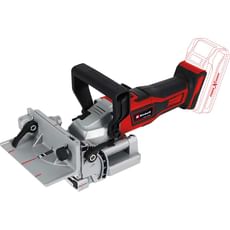
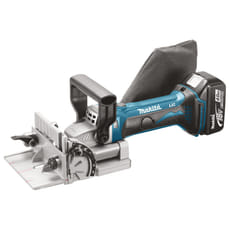
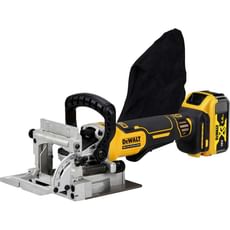
 Loading...
End of content
Error - No more pages to load
About Cordless Biscuit Jointers
Cordless biscuit jointers represent a significant advancement in woodworking technology, combining the precision of traditional plate joinery with battery-powered portability. These specialist power tools cut accurate crescent-shaped slots into timber, allowing compressed beech biscuits to create strong, invisible joints for furniture making, kitchen installations, cabinet construction, and general joinery applications. The cordless format eliminates trailing cables and dependence on mains power, making these tools invaluable for site work, installations in occupied properties, and workshops where mobility matters.
Modern cordless biscuit jointers at Tooled-Up.com utilise lithium-ion battery platforms from leading manufacturers including DeWalt, Makita, and Einhell. These systems integrate seamlessly with existing 18V tool collections, meaning batteries and chargers can be shared across multiple tools. Professional-grade models feature brushless motor technology for extended runtime and power efficiency, adjustable depth settings for standard biscuit sizes (0, 10, and 20), tilting fences for angled joints, and dust extraction ports for cleaner working environments. Whether you're a professional joiner tackling complex installations or a dedicated DIY enthusiast building home projects, these tools deliver workshop-quality results without the constraints of a power lead.
The compact, ergonomic design of today's cordless biscuit jointers ensures excellent manoeuvrability whilst maintaining the precision required for repeatable joinery work. Features such as anti-slip grips, registration marks, rack and pinion height adjustment, and quick-adjust depth mechanisms make plate joinery accessible for applications ranging from edge-to-edge panel joining to mitred cabinet assembly. With dust extraction compatibility, accurate fences, and positive depth stops, these battery-powered tools bring professional joinery techniques to any location.
Jargon Buster
- Biscuit Sizes (0, 10, 20) – Standardised compressed beech wafers used in plate joinery. Size 0 measures approximately 47mm long, size 10 is 53mm, and size 20 is 56mm. The depth adjustment on your jointer controls which size slot is cut.
- Brushless Motor – An efficient motor design without carbon brushes that reduces friction, extends runtime per battery charge, requires minimal maintenance, and typically outlasts traditional brushed motors significantly.
- Fence Angle Adjustment – The ability to tilt the guide fence to various angles (typically 0-90 degrees) allowing you to cut biscuit slots for mitred joints, angled assemblies, and bevelled edges.
- Li-ion Battery Platform – Lithium-ion battery systems shared across multiple tools from the same manufacturer (such as DeWalt 18V XR or Makita LXT), allowing one battery to power various cordless tools in your collection.
- Plunge Depth – The distance the blade cuts into the workpiece, controlled by adjustable stops to create the correct slot depth for your chosen biscuit size. Precise depth control ensures proper joint strength and alignment.
- Registration Marks – Alignment indicators on the tool's base plate that help you position the jointer accurately on your workpiece, ensuring perfectly matched slots on mating components.
Who Uses Cordless Biscuit Jointers?
- Joiners and Carpenters – Essential for furniture assembly, door hanging, and architectural joinery work where strong, invisible joints are required
- Kitchen Fitters – Vital for joining worktops, assembling carcasses, and creating seamless connections in fitted kitchen installations
- Cabinet Makers – Used extensively for case construction, face frame assembly, and edge-to-edge panel joining in bespoke furniture production
- Shopfitters – Ideal for on-site assembly of display units, retail counters, and fitted commercial joinery where mains power may be limited or unavailable
- Furniture Restorers – Employed for structural repairs and period furniture reconstruction requiring traditional joinery techniques with modern precision
- DIY Enthusiasts – Perfect for home woodworking projects including bookcases, wardrobes, tables, and general furniture making
- Flooring Specialists – Occasionally used for joining solid timber flooring sections and creating expansion joints in wooden floor installations
How to Choose the Right Cordless Biscuit Jointers
Battery Platform Compatibility: The most important consideration is whether the tool fits within your existing battery ecosystem. If you already own DeWalt 18V XR, Makita LXT, or Einhell Power X-Change tools, choosing a biscuit jointer from the same range maximises your investment by sharing batteries and chargers across your toolkit, eliminating the need for additional battery systems.
Motor Technology: Brushless motors, as found in professional-grade models like the DeWalt DCW682, offer superior efficiency, longer runtime, and extended tool life compared to brushed alternatives. Whilst they command a premium price, professional tradespeople will appreciate the reduced maintenance requirements and consistent power delivery throughout the battery charge cycle.
Fence Adjustability: Quality models feature both height-adjustable and angle-adjustable fences, allowing you to position slots precisely and cut at various angles for mitred joints. Look for fences with clear scales, positive stops at common angles (0°, 45°, 90°), and rack and pinion adjustment mechanisms for repeatable accuracy across multiple components.
Depth Settings and Accuracy: Ensure the tool offers clearly marked depth stops for all standard biscuit sizes. Six or seven position depth stops provide greater versatility than basic three-position models, whilst fine adjustment features allow precision tuning for specific applications. The depth adjustment mechanism should operate smoothly with positive detents that lock securely.
Build Quality and Ergonomics: Professional-grade models feature die-cast metal components, robust base plates, and comfortable grips suitable for extended use. The tool should feel balanced in hand, with controls positioned for easy one-handed adjustment. Anti-slide grippers and guiding notches aid accuracy, whilst a dust port that accommodates standard 35mm extraction hoses ensures cleaner working conditions.
Professional vs DIY Grade: Brands like DeWalt and Makita represent professional specification with superior components, brushless technology, and comprehensive warranty support, ideal for tradespeople using the tool daily. The selection at Tooled-Up includes excellent value options from Einhell for occasional users and DIY enthusiasts who need reliable performance without professional-tier pricing.
Popular Accessories
- Biscuit Assortments – Compressed beech biscuits in sizes 0, 10, and 20, typically sold in boxes of 100-1000. Keep a selection of all sizes for different joint applications and material thicknesses
- Spare Batteries and Chargers – Additional power packs ensure uninterrupted workflow on site, whilst rapid chargers minimise downtime between charges. Consider higher capacity (5.0Ah or above) batteries for extended runtime
- TCT Replacement Blades – Tungsten carbide tipped blades maintain cutting performance; keep a spare for when the original dulls after extensive use through abrasive materials like MDF or melamine-faced boards
- Dust Extraction Hose and Adaptors – Connect your jointer to a workshop vacuum or dedicated extractor for cleaner working and reduced airborne dust exposure, essential for HSE compliance in professional environments
- Worktop Jigs and Guide Systems – Specialist jigs ensure perfectly aligned slots when joining kitchen worktops and large panels, eliminating marking out errors and guaranteeing flush, gap-free joints
- Carry Cases – Purpose-designed storage cases protect your investment during transport and keep the tool, batteries, charger, and accessories organised in one location
Safety Information
Personal Protective Equipment: Always wear safety glasses or a face shield when operating a biscuit jointer, as the high-speed blade can eject wood chips and dust. Hearing protection is advisable during extended use, and a dust mask or respirator (FFP2 or FFP3 rated) should be worn when dust extraction isn't available, as fine wood dust presents respiratory hazards recognised by HSE guidance.
Tool Operation: Never operate the tool with damaged components or a worn blade, as this increases kickback risk and reduces cutting accuracy. Always ensure the workpiece is securely clamped or held firmly against a stable surface before cutting. Keep both hands clear of the cutting path, and wait for the blade to stop completely before setting the tool down. Remove the battery when changing blades or making adjustments to prevent accidental activation.
Work Environment: Maintain good lighting and a clean, organised workspace free from trip hazards. Wood dust is combustible, so ensure adequate ventilation and connect to dust extraction where possible. Follow COSHH guidelines when working with treated timber, MDF, or materials that may contain harmful substances when cut.
Battery Safety: Only use batteries and chargers specified by the manufacturer. Store lithium-ion batteries in a cool, dry location away from flammable materials. Inspect batteries for damage before use, and never attempt to modify or repair damaged battery packs.
Frequently Asked Questions
Can I use my existing 18V batteries with a cordless biscuit jointer?
Yes, if you choose a model from the same battery platform. DeWalt's DCW682 works with all 18V XR batteries, the Makita DPJ180 uses LXT batteries, and the Einhell TE-BJ 18 Li operates on the Power X-Change system. This interchangeability makes cordless jointers an excellent addition to an existing tool collection without requiring separate battery investments.
What's the difference between a biscuit jointer and a domino joiner?
Biscuit jointers cut crescent-shaped slots for compressed beech biscuits, whilst domino joiners (like the Festool Domino) cut rectangular mortises for loose tenons. Biscuit joints excel at alignment and are adequate for most furniture and cabinetry applications, whereas domino joints provide superior structural strength for frame construction. Biscuit jointers are considerably more affordable and use inexpensive consumables.
How many biscuits can I cut on a single battery charge?
This depends on battery capacity (Ah rating), timber hardness, and depth of cut. A typical 4.0Ah or 5.0Ah battery should provide 100-200 cuts in softwood or sheet materials. Hardwoods and deeper plunge depths will reduce this figure. Professional users often keep a spare battery on charge to maintain productivity throughout the working day.
Do I need a specific blade for different materials?
The standard tungsten carbide tipped (TCT) blade supplied with your biscuit jointer handles solid timber, plywood, MDF, and chipboard effectively. The blade will gradually dull with use, particularly when cutting abrasive materials like MDF or melamine-faced boards. Replace the blade when cuts become rough or require excessive pressure, as a sharp blade ensures clean slots and reduces motor strain.
Can I join boards at angles other than 90 degrees?
Yes, most cordless biscuit jointers feature an adjustable fence that tilts to various angles, typically from 0° to 90°. This allows you to cut slots for mitred corners, angled assemblies, and bevelled joints. Check the tool's specifications for the exact angle range, and look for models with positive stops at common angles like 45° for repeatable accuracy when cutting multiple matching components.