

Cordless Die Grinders

Pay in 3 interest-free payments on purchases from £20-£3000 with  . Learn more.
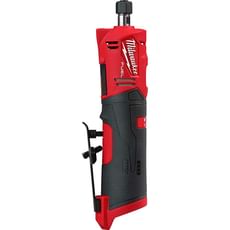
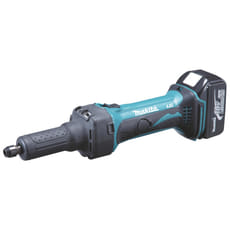
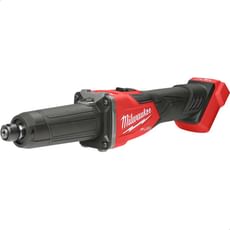
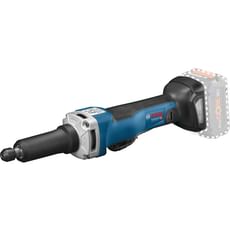
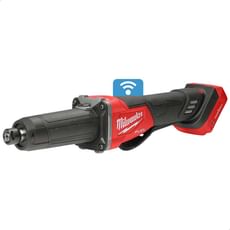
 Loading...
End of content
Error - No more pages to load
About Cordless Die Grinders
Cordless die grinders are compact, high-speed rotary power tools engineered for precision grinding, polishing, deburring, and surface preparation in confined spaces where larger equipment cannot reach. These handheld tools deliver rotational speeds typically between 20,000-28,000 RPM to mounted points, carbide burrs, and small grinding wheels, making them essential for detailed metalworking, automotive repairs, fabrication, and fine finishing applications. The cordless format eliminates the tethering constraints of pneumatic hoses and mains leads, delivering genuine portability without compromising on performance.
Modern cordless die grinders available from Tooled-Up.com feature advanced brushless motor technology that rivals traditional air-powered models whilst offering the convenience of battery operation. Leading manufacturers including Milwaukee, Bosch Professional, DeWalt, and Makita produce robust 18V and 12V models that integrate seamlessly with their existing battery platforms, allowing tradespeople to maximise their cordless system investments. Available in straight and angled configurations, these tools cater to different working positions and access requirements, with professional-grade models offering variable speed control, electronic motor protection, and ergonomic designs for extended use.
The transition from pneumatic to battery-powered die grinders has transformed on-site metalworking and finishing tasks. Without the requirement for air compressors, regulators, and lengthy hoses, today's cordless models deliver exceptional manoeuvrability whilst maintaining the precision control demanded by delicate grinding operations. Whether smoothing welds, preparing surfaces for painting, removing rust in awkward locations, or polishing intricate components, a quality cordless die grinder provides the finesse and accessibility that larger angle grinders simply cannot match in tight quarters.
Jargon Buster
- Brushless Motor
- Advanced motor technology that eliminates carbon brushes, resulting in extended tool life, improved power efficiency, reduced maintenance requirements, and up to 50% more runtime per battery charge compared to traditional brushed motors. Virtually all professional-grade cordless die grinders now feature brushless technology.
- Collet Size
- The diameter of the shaft sleeve that accepts grinding accessories, typically 6mm or 1/4" (6.35mm) on die grinders. Some professional models include multiple collets to accommodate different accessory shank sizes, whilst premium versions may accept up to 8mm diameter accessories for heavier-duty applications.
- No-Load Speed (RPM)
- The maximum rotational speed the tool achieves without a load applied, measured in revolutions per minute. Cordless die grinders typically operate between 20,000-28,000 RPM for effective material removal, with some models offering speeds up to 30,000 RPM for specialist applications.
- Variable Speed Control
- A feature allowing users to adjust the tool's rotation speed to suit different materials and accessories. Essential for preventing damage to delicate components, achieving optimal finishes, and maintaining control across various grinding, polishing, and deburring tasks.
- Paddle Switch vs Trigger
- Two control mechanisms found on die grinders: paddle switches mount on the tool body for comfortable grip control and easy one-handed operation, whilst trigger designs resemble conventional power tools. Paddle switches are particularly popular for precision work as they allow natural hand positioning.
- Battery Voltage (12V/18V)
- Indicates the power supply system and broadly correlates with tool performance. 18V models deliver greater power and torque for demanding metalworking applications, whilst 12V versions provide superior manoeuvrability in extremely tight spaces with adequate performance for lighter grinding and finishing tasks.
Who Uses Cordless Die Grinders?
Cordless die grinders serve a diverse range of professionals and applications across multiple industries:
- Automotive Technicians – Essential for exhaust repair, bodywork preparation, rust removal, weld cleaning, and accessing confined engine bay areas where larger tools cannot reach
- Fabricators and Welders – Ideal for weld seam cleaning, deburring sharp edges, chamfering, precision grinding on metal assemblies, and preparing joints for welding
- Metal Workers and Engineers – Used for fine surface finishing, removing casting imperfections, preparing components for assembly, and precision grinding on machined parts
- Maintenance Engineers – Perfect for on-site repairs, cleaning threads, removing corrosion, general maintenance work in industrial settings, and equipment refurbishment
- Mould Makers and Tool Makers – Precision grinding and polishing of intricate components, detailed finishing work on dies and moulds, and surface preparation
- Agricultural and Plant Engineers – Repairing farm machinery, removing rust and corrosion, preparing surfaces for welding, and maintaining heavy equipment in field conditions
- Plumbers and Heating Engineers – Deburring pipework, removing corrosion, preparing joints, and accessing confined spaces in boiler cupboards and behind radiators
- Restoration Specialists – Removing paint, rust, and corrosion from vintage vehicles, machinery, metalwork, and heritage engineering projects
- DIY Enthusiasts – Home workshop users tackling automotive projects, metal fabrication, restoration work, and detailed finishing tasks
How to Choose the Right Cordless Die Grinders
Selecting the appropriate cordless die grinder depends on several key factors that align with your specific applications and working environment:
Power Platform and Voltage: If you already own cordless tools, choosing a die grinder that shares the same battery system delivers significant economic benefits and operational convenience. The Tooled-Up range includes 18V models from Milwaukee, Bosch Professional, DeWalt, and Makita that offer robust power for demanding metalworking applications, whilst 12V options provide excellent portability for lighter-duty grinding and finishing work. Consider whether maximum power matters more than compactness for your typical tasks.
Configuration Type: Straight die grinders offer superior access in very confined spaces and provide better control for precision work, making them ideal for detailed grinding and polishing. Angled models (typically 90° or variable angle) suit different working positions and can prove more comfortable for extended use in certain applications. Professional fabricators and automotive technicians often invest in both configurations for maximum versatility across different job requirements.
Speed Control: Variable speed functionality is essential for working with different materials and accessories effectively. Lower speeds suit polishing, delicate grinding, and working with softer materials, whilst maximum RPM tackles aggressive material removal on ferrous metals. Electronic speed control maintains consistent performance under load, preventing the tool from stalling during demanding operations.
Motor Technology: Brushless motors represent current best practice in cordless die grinders, offering significantly improved runtime, power efficiency, and tool longevity. Whilst slightly more expensive initially, they reduce long-term costs through eliminated maintenance requirements and reduced battery consumption. All major professional models at Tooled-Up.com now feature brushless technology as standard.
Ergonomics and Weight: Since die grinders are precision tools frequently used in awkward positions and overhead applications, comfort matters considerably. Rubberised grips, balanced weight distribution, and intuitive switch placement reduce operator fatigue during extended use. Consider the tool's overall length and body diameter, particularly if you regularly work in tight engine bays, underneath vehicles, or behind machinery.
Professional vs DIY Grade: Professional models from Milwaukee Fuel, Bosch Professional, DeWalt XR, and Makita LXT justify their premium pricing through superior build quality, extended warranties, consistent performance under demanding site conditions, and better parts availability. DIY-grade options suffice for occasional home workshop use but may lack the durability and runtime for daily professional application.
Popular Accessories
Maximise your cordless die grinder's versatility with these essential accessories available at Tooled-Up.com:
- Mounted Points and Grinding Stones – Available in various shapes (cylindrical, conical, spherical, tree-shaped) and grits for different grinding and finishing operations on ferrous and non-ferrous metals
- Carbide Burrs – Aggressive cutting accessories for rapid material removal, deburring, shaping, porting work, and weld preparation on steel, stainless steel, aluminium, and cast iron
- Sanding Drums and Sleeves – For surface preparation and finishing work on curved surfaces, internal profiles, and contoured components, available in various grits
- Polishing Accessories – Felt bobs, cotton buffs, polishing mops, and compounds for achieving mirror finishes on stainless steel, aluminium, brass, and other metal surfaces
- Collet Sets – Additional collets in various sizes to accommodate different accessory shaft diameters, expanding compatibility with your existing grinding accessories
- High-Capacity Batteries – Extended runtime batteries (4.0Ah, 5.0Ah, 6.0Ah, or higher) for prolonged use between charges during demanding fabrication and metalworking tasks
- Protective Cases – Purpose-designed storage solutions that protect your investment, keep accessories organised, and facilitate transportation between job sites
- Wire Brushes and Wheels – For rust removal, paint stripping, surface cleaning, and preparing metal surfaces for welding or coating applications
- Diamond-Coated Accessories – Specialist grinding points for working with hardened steel, ceramics, glass, and other exceptionally hard materials
Safety Information
Safe operation of cordless die grinders requires attention to several important factors to protect both the operator and surrounding personnel:
Personal Protective Equipment: Always wear appropriate safety glasses or face shields to protect against flying debris, sparks, and grinding dust. Hearing protection is advisable during extended use due to high operational speeds generating significant noise levels. Wear suitable gloves that provide protection against sharp edges and hot surfaces whilst maintaining adequate dexterity for precision control. Ensure clothing is close-fitting to avoid entanglement with rotating accessories. When grinding metal, leather sleeves or welding gauntlets protect against sparks and hot grinding debris.
Accessory Safety: Only use grinding accessories rated for speeds exceeding your tool's maximum RPM to prevent catastrophic accessory failure. Inspect all mounted points, burrs, and grinding wheels before use for cracks, chips, or damage. Ensure accessories are properly secured in the collet and that the collet nut is tightened correctly using appropriate spanners. Never exceed the manufacturer's recommended maximum accessory dimensions for your specific die grinder model.
Working Environment: Be aware that grinding metal produces sparks that can ignite flammable materials, including fuel vapours, solvents, and combustible dust. Clear your working area of petrol, thinners, aerosols, and other flammable substances before commencing grinding operations. Ensure adequate ventilation when grinding, as metal dust and particles can be harmful if inhaled, particularly when working with stainless steel, galvanised materials, or coated metals. Consider using dust extraction equipment where appropriate, particularly in enclosed spaces or workshops.
Tool Handling: Maintain a secure grip and allow the tool to reach full operational speed before contacting the workpiece to prevent snatching or kickback. Never force the accessory through the material – let the tool do the work at its optimal speed. Keep hands, clothing, and other objects clear of rotating accessories at all times. Switch off and allow the accessory to stop completely before setting the tool down or changing accessories. Never attempt to stop a rotating accessory by hand or by pressing it against any surface.
HSE Compliance: Professional users should be aware of Control of Vibration at Work Regulations 2005 and Control of Substances Hazardous to Health (COSHH) requirements when using die grinders regularly. Monitor exposure times, implement appropriate control measures on site, and maintain records of vibration exposure for operators using die grinders for extended periods. Consider job rotation and rest breaks to minimise cumulative vibration exposure.
Frequently Asked Questions
What's the difference between a die grinder and an angle grinder?
Die grinders are smaller, lighter precision tools designed for detailed work in confined spaces, typically accepting 6mm shank accessories and rotating at higher speeds (20,000-28,000 RPM) with smaller grinding points. Angle grinders are larger, more powerful tools for heavy-duty material removal using larger discs (usually 115mm-230mm) at lower speeds (around 10,000-12,000 RPM). Think of die grinders as precision instruments for intricate metalworking, weld cleaning, and finishing tasks, whilst angle grinders handle aggressive cutting, heavy grinding, and rapid stock removal.
Can I use pneumatic die grinder accessories with cordless models?
Yes, in most cases there is complete compatibility. Providing the accessory shaft diameter matches your collet size (typically 6mm or 1/4") and the accessory's maximum rated RPM exceeds your cordless tool's speed, pneumatic accessories work perfectly well with battery-powered die grinders. This compatibility means you can transition from air to battery power whilst continuing to use your existing collection of mounted points, carbide burrs, and grinding accessories, making the switch more economical.
How long does a battery last when using a cordless die grinder?
Runtime varies considerably depending on battery capacity, workload intensity, ambient temperature, and whether the tool features brushless motor technology. As a general guide, a 4.0Ah or 5.0Ah battery on an 18V brushless die grinder typically provides 20-40 minutes of continuous use under moderate load. Light polishing and finishing work extends runtime significantly, whilst aggressive grinding on hardened steel or continuous heavy use reduces it substantially. Professional users often keep multiple batteries in rotation to maintain productivity throughout the working day without downtime.
Do I need a 12V or 18V cordless die grinder?
Your choice depends primarily on application demands and workspace constraints. 18V models offer greater power and torque for demanding metalworking, extended runtime, better performance under sustained load, and faster material removal – making them ideal for professional fabrication, automotive bodywork, and heavy-duty grinding applications. 12V versions excel in extremely tight spaces where their compact dimensions prove advantageous, such as working behind dashboards, in cramped engine bays, or underneath low-clearance machinery, and provide adequate power for lighter grinding, polishing, and finishing tasks. If you primarily work in confined areas with moderate grinding requirements, 12V suffices; for daily professional metalworking, 18V is preferable.
What maintenance do cordless die grinders require?
Cordless die grinders, particularly brushless models, require minimal maintenance compared to pneumatic equivalents. Regularly clean air vents using compressed air to prevent dust accumulation affecting motor cooling and performance. Periodically remove and clean the collet to ensure proper accessory retention and prevent seizing. Inspect the tool body for damage, cracks, or worn grips after heavy use. Check battery contacts for cleanliness and corrosion. Store batteries at partial charge (40-60%) if not using the tool for extended periods to maximise battery lifespan. Unlike pneumatic models, cordless die grinders require no lubrication, air line maintenance, or moisture trap servicing, making them considerably more convenient for site work and mobile operations.