

Cordless Paddle Mixers
Pay in 3 interest-free payments on purchases from £30-2000 with  . Learn more.
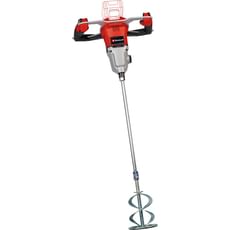
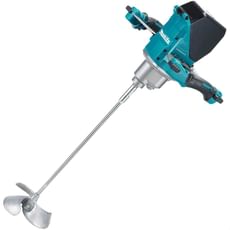
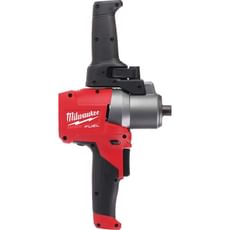
Einhell Professional TP-MX 18-2 Li BL 18v Cordless Brushless Paddle Mixer
in stock
 Loading...
End of content
Error - No more pages to load
About Cordless Paddle Mixers
Cordless paddle mixers are specialised power tools engineered to handle the demanding task of mixing heavy-duty construction materials including plaster, mortar, cement, tile adhesive, render, and self-levelling compounds. Unlike standard cordless drills, these purpose-built mixers deliver the high torque and controlled low speeds essential for thoroughly blending thick, viscous materials without stalling, splashing, or incorporating unwanted air bubbles. The combination of robust brushless motor technology and advanced lithium-ion battery systems means tradespeople can now achieve professional mixing performance in locations without access to 240v mains power, eliminating the hazards and limitations of trailing cables on busy construction sites.
The cordless paddle mixer selection at Tooled-Up.com spans multiple voltage platforms to suit different professional requirements. Compact 18v systems from manufacturers including Makita LXT, Milwaukee M18, DeWalt XR, and Einhell provide excellent portability and sufficient power for mixing smaller batches of plaster, tile adhesive, and paint. For contractors regularly handling larger volumes or particularly thick materials, higher voltage platforms such as the Makita 40v XGT and DeWalt 54v FlexVolt deliver sustained mixing performance comparable to corded equivalents rated at 1.8kW or more. These professional-grade tools feature two-handed designs with auxiliary handles for enhanced control, M14 threaded spindles for secure paddle attachment, and variable speed triggers that allow precise adjustment for different material consistencies.
Modern cordless paddle mixers have become indispensable across construction, renovation, and maintenance projects throughout the UK. Battery platform compatibility represents a significant advantage for tradespeople already invested in a particular brand ecosystem—contractors using Makita LXT batteries across multiple tools can add a compatible mixer without purchasing additional charging infrastructure. Premium models incorporate brushless motor technology that delivers up to 50% longer runtime per charge, increased power output, and extended service life compared to older brushed motor designs, making them viable alternatives to corded mixers for all-day professional use.
Jargon Buster
- Brushless Motor: Advanced motor technology using electronic controllers rather than carbon brushes, providing greater efficiency, longer battery runtime, increased power delivery, and extended tool lifespan with minimal maintenance requirements compared to traditional brushed motors.
- Torque (Nm): The rotational twisting force measured in Newton-metres that indicates the mixer's ability to handle thick, heavy materials. Professional cordless paddle mixers typically deliver 40-180 Nm—higher torque ratings prevent stalling when mixing dense compounds like mortar and thick plaster.
- No-Load Speed (RPM): The maximum rotational speed measured in revolutions per minute when the paddle isn't mixing material. Paddle mixers operate at controlled low speeds (typically 300-800 RPM) to prevent splashing and ensure thorough material blending without incorporating excessive air.
- M14 Thread: The standardised threaded spindle connection (14mm diameter) used for attaching mixing paddles and stirrers. This universal fitting ensures compatibility with a wide range of paddle accessories designed for different materials and batch sizes.
- Ah (Ampere-hour): Battery capacity rating indicating energy storage—higher Ah values (such as 5.0Ah or 6.0Ah) provide longer runtime between charges, essential for mixing multiple batches throughout the working day without interruption.
- Two-Speed Gearbox: Mechanical gear system offering selectable speed ranges, allowing operators to optimise mixing speed for different applications—lower speeds for thick mortars and renders, higher speeds for paint and lighter compounds.
Who Uses Cordless Paddle Mixers?
- Plasterers and Renderers: Mixing skim coats, bonding plaster, render systems, and finishing compounds to consistent textures throughout the working day on domestic and commercial projects
- Tilers: Preparing tile adhesive, flexible grout, levelling compounds, and waterproofing additives for bathroom, kitchen, and commercial tiling installations
- Bricklayers and Blocklayers: Blending mortar batches for brickwork, blockwork, pointing, and masonry repairs across construction sites
- Painters and Decorators: Mixing emulsion paints, masonry coatings, textured finishes, specialist primers, and decorative compounds for interior and exterior projects
- Floor Layers and Screeding Contractors: Preparing self-levelling compounds, floor screeds, adhesives, and smoothing materials for flooring installations
- General Builders and Maintenance Teams: Versatile mixing applications across multiple trades including repair mortars, concrete mixes, and various construction compounds
- Heritage and Restoration Specialists: Blending traditional lime mortars, conservation renders, and specialist materials for historic building projects
- Landscapers: Mixing mortar for paving, decorative renders, and cement-based landscaping materials on outdoor projects
- Serious DIY Enthusiasts: Home improvers tackling plastering, tiling, rendering, and general building projects requiring professional-quality mixing equipment
How to Choose the Right Cordless Paddle Mixers
Voltage Platform and Power Output: Match the voltage to your typical workload and batch sizes. The 18v systems from Milwaukee, Makita, DeWalt, and Einhell offer excellent portability and proven performance for mixing standard batches of plaster, tile adhesive, and paint in buckets up to 40 litres. For professional contractors regularly handling larger volumes, thicker materials like heavy mortar, or continuous all-day mixing, the Makita 40v XGT and DeWalt 54v FlexVolt platforms deliver sustained high-torque performance that genuinely rivals corded alternatives. Consider whether you need occasional portability or full corded-tool replacement capability.
Motor Technology and Build Quality: Prioritise brushless motor designs for professional applications. Models including the Milwaukee M18 FPM Fuel, Makita DUT130, and DeWalt DCD240 FlexVolt feature brushless technology delivering superior efficiency, extended runtime, and increased power density. Premium construction with sealed switches, robust gearbox housings, and dust-resistant components ensures reliability in harsh site conditions. Professional-grade tools typically include comprehensive three-year warranties standard in the UK market.
Torque, Speed, and Control: Verify the specifications match your materials. Mixing thick plaster, mortar, and adhesives requires high torque output (80+ Nm) combined with lower speeds (300-600 RPM) for controlled blending without splashing. Variable speed triggers with electronic feedback provide precise adjustment for different viscosities, whilst two-speed gearboxes offer optimised ranges for heavy versus light materials. Electronic motor protection prevents overload damage during intensive use.
Battery Compatibility and System Integration: If you've already invested in a battery platform—Makita LXT, DeWalt XR/FlexVolt, Milwaukee M18, or Einhell Power X-Change—selecting a mixer within that ecosystem maximises your existing battery investment and eliminates duplicate charging infrastructure. Tooled-Up stocks both complete kits with batteries and chargers, plus body-only options for contractors adding to established tool collections. Consider whether high-capacity batteries (5.0Ah or 6.0Ah) are included, as these significantly extend mixing capability between charges.
Ergonomics and Handling Characteristics: Professional paddle mixers feature side handles or D-grip auxiliary handles providing essential two-handed control when managing high-torque mixing forces. Soft-grip zones and anti-vibration features reduce operator fatigue during extended sessions. Evaluate the overall weight when fitted with batteries—whilst heavier tools often deliver more robust performance, lighter designs reduce strain during prolonged or overhead mixing tasks. Balance point and handle positioning significantly affect control and comfort.
Practical Considerations: Check the M14 spindle length and paddle clearance to ensure compatibility with your preferred mixing buckets and containers. Some models include depth stops or guards that may interfere with certain bucket designs. Consider whether you need a carrying case for site transport and secure storage. Availability of spare parts and local service support matters for tools used commercially—established brands stocked at Tooled-Up.com provide comprehensive UK aftercare networks.
Popular Accessories
- Mixing Paddles and Stirrers: Specialist paddle designs for different materials including plaster mixers, mortar stirrers, paint mixing blades, and helical paddles for compounds—all with M14 threaded fittings for secure attachment and safe operation
- High-Capacity Batteries: Additional 5.0Ah, 6.0Ah, or larger battery packs enabling continuous productivity by rotating charged batteries throughout the working day, essential for professional contractors mixing multiple batches
- Rapid Battery Chargers: Fast-charging units that restore full battery capacity in 40 minutes or less, significantly reducing downtime between mixing sessions on busy sites
- Professional Mixing Buckets: Heavy-duty buckets with reinforced construction, measurement markings, and pouring spouts designed to withstand mechanical paddle action and facilitate accurate material batching
- Paddle Spanners and Wrenches: Specific spanners for securely tightening M14 paddles onto mixer spindles, preventing dangerous paddle detachment during operation
- Tool Carrying Cases: Protective storage cases with compartments for the mixer body, batteries, charger, paddles, and accessories, safeguarding your investment during transport and site storage
- Dust Extraction Adapters: Attachments compatible with selected models that capture airborne dust when mixing dry powder compounds, improving site cleanliness and reducing operator exposure
- Replacement Side Handles: Spare auxiliary handles and grip components to maintain safe two-handed control as tools age through professional use
Safety Information
Operating cordless paddle mixers safely requires appropriate personal protective equipment and correct handling techniques. Always wear safety glasses or goggles conforming to EN166 standards to protect against splashes of corrosive materials including cement, plaster, and tile adhesive. When mixing dry powder compounds, use respiratory protection conforming to FFP2 or FFP3 standards to prevent inhalation of hazardous dust particles—consult material safety data sheets and COSHH regulations for specific compound handling requirements. Protective gloves prevent skin contact with alkaline materials that can cause chemical burns.
Maintain stable footing and a balanced stance when operating paddle mixers, as the high-torque motors generate significant rotational forces, particularly when the paddle encounters obstructions or thick material. Always operate with both hands—one on the main handle and one on the auxiliary side handle—maintaining firm control throughout the mixing process. Never attempt to stop a rotating paddle manually, and ensure complete paddle stoppage before setting the tool down or approaching the mixing container.
Before operation, verify that paddles are securely fastened to the M14 spindle using the appropriate spanners—loose paddles can detach during mixing, causing serious injury. Ensure mixing buckets are stable and positioned on level ground where they cannot tip during operation. Be aware of the mixer's kickback potential when starting in thick materials or if the paddle jams against bucket sides; maintain a secure grip and controlled posture to manage reactive forces safely.
Follow manufacturer guidance regarding maximum material viscosity, batch sizes, and continuous operating periods to prevent motor overload and overheating. Allow adequate cooling time during intensive mixing sessions. Before changing paddles, performing maintenance, or leaving the tool unattended, always remove the battery to prevent accidental activation. Keep battery contacts clean and store batteries according to manufacturer specifications, away from moisture and extreme temperatures. Consult HSE guidance on power tool safety and site-specific risk assessments for construction environments.
Frequently Asked Questions
What's the difference between using a cordless drill and a proper cordless paddle mixer?
Whilst both tools rotate attachments, paddle mixers are purpose-engineered with high-torque, low-speed motors (typically 300-800 RPM) specifically designed for sustained mixing applications. They feature robust gearboxes that withstand continuous loading, M14 threaded spindles for secure paddle attachment, and auxiliary handles providing essential two-handed control. Standard cordless drills lack sufficient torque for thick materials, operate at excessively high speeds causing splashing, and their chucks cannot safely retain mixing paddles. Using drills for heavy mixing risks motor damage, overheating, and safety hazards from inadequate control and paddle retention.
How many buckets can I mix on a single battery charge?
Battery runtime varies considerably based on voltage platform, battery capacity (Ah rating), material thickness, and batch size. As a practical guide, quality 18v systems with 5.0Ah batteries typically mix 15-25 buckets of standard plaster or tile adhesive. Higher voltage platforms like the Makita 40v XGT or DeWalt 54v FlexVolt with larger capacity batteries can handle 30-50+ buckets per charge. Mixing very thick materials such as heavy mortar or render reduces these figures, whilst lighter compounds like emulsion paint or thin adhesives extend runtime significantly. Professional contractors typically invest in multiple high-capacity batteries for uninterrupted all-day productivity.
Are cordless paddle mixers genuinely powerful enough for professional trade use?
Modern cordless paddle mixers from professional brands absolutely deliver performance comparable to corded equivalents for the vast majority of applications. Brushless motor technology combined with high-voltage battery platforms (40v/54v) provides sustained torque matching 1000-1800W mains-powered mixers. The DeWalt DCD240 FlexVolt and Makita UT001G XGT, for example, handle heavy mortar, thick render, and large batch volumes that previously required 240v corded tools. For continuous all-day commercial use, investing in higher voltage platforms and multiple high-capacity batteries ensures professional productivity without mains power dependence. The cordless convenience, cable-free safety, and ability to work in locations without electrical supply make them increasingly preferred by UK tradespeople.
Can I use my existing cordless tool batteries with a paddle mixer?
Yes, provided you purchase a mixer within the same battery platform you currently own. Makita LXT (18v), DeWalt XR and FlexVolt (18v/54v), Milwaukee M18, and Einhell Power X-Change systems all feature fully interchangeable batteries across their respective tool ranges. This compatibility represents significant cost savings and operational convenience, allowing contractors to leverage existing battery investments without purchasing duplicate charging infrastructure. Tooled-Up stocks both complete kits with batteries and chargers, plus body-only options for tradespeople adding to established cordless tool collections. Always verify platform compatibility before purchasing, and note that higher capacity batteries (5.0Ah or above) provide substantially better mixing performance and runtime.
What size mixing paddle should I use with my cordless mixer?
Paddle diameter depends on bucket capacity, material type, and your mixer's power output. For standard 25-litre buckets with plaster or tile adhesive, 120mm diameter paddles provide optimal mixing efficiency. Larger containers (40-80 litres) require 140-160mm paddles for effective material circulation. Paint and thinner compounds work well with 100-120mm paddles. Crucially, ensure the paddle size matches your mixer's torque rating—oversized paddles can overload the motor causing overheating or triggering electronic protection, whilst undersized paddles won't mix efficiently. Always consult the manufacturer's recommendations for maximum paddle specifications, and choose paddle designs appropriate for your specific materials—plaster paddles differ from mortar stirrers and paint mixing blades in their blade configuration and mixing action.