

Core Drill Arbors
Pay in 3 interest-free payments on purchases from £30-2000 with  . Learn more.
 Loading...
End of content
Error - No more pages to load
About Core Drill Arbors
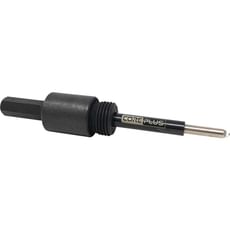
Core drill arbors are precision-engineered adapter components that form the critical connection between diamond core drill bits and power tools such as rotary hammer drills, standard drills, and dedicated core drilling machines. These robust adapters transmit rotational force from your drilling equipment to the core bit whilst maintaining accurate alignment and concentricity throughout the drilling process. Without the correct arbor, even the highest-quality diamond core bit cannot function effectively or safely.
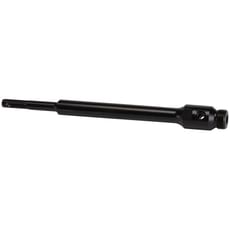
Available in various shank configurations including SDS Plus, SDS Max, hex shank, and standard round shanks, core drill arbors enable professionals and DIY enthusiasts to perform clean, accurate circular cuts through demanding materials including brick, concrete, stone, block work, and masonry. The arbor features a threaded connection on one end to accept diamond core bits of various diameters, whilst the opposite end provides the appropriate shank fitting for your power tool. Many arbors incorporate a central pilot bit that creates an initial guide hole, helping to locate the core bit accurately and prevent wandering during start-up, particularly important when drilling into uneven or sloped surfaces.
Tooled-Up.com stocks quality core drill arbors from trusted manufacturers including Coreplus and Draper, designed to withstand the rigours of professional site work and heavy-duty applications. These arbors feature hardened steel construction with precision-machined threads and secure bit retention mechanisms, ensuring your diamond core bits remain firmly attached during operation whilst allowing for quick and easy bit changes between different diameter cores. Whether you're drilling for plumbing penetrations, electrical cable routing, or ventilation installations, selecting the correct arbor specification is fundamental to achieving professional results and maintaining operational safety.
Jargon Buster
- Arbor - A shaft or spindle component that holds and drives a cutting tool. In core drilling applications, the arbor connects the diamond core bit to your power drill or drilling rig, transmitting rotational force whilst maintaining alignment.
- SDS Plus - A standardised shank system commonly found on rotary hammer drills, featuring a 10mm diameter with grooved slots that allow quick tool-free bit changes and efficient power transfer. Compatible with most modern cordless and 240v rotary hammers from brands like Makita, DeWalt, and Milwaukee.
- Thread Size - The standardised thread specification (typically 1/2" BSP, M14, or 5/8" BSP) that determines which core bits will fit onto a particular arbor. Matching thread sizes between arbor and core bit is essential for safe operation and proper torque transmission.
- Pilot Bit - A small centre drill bit positioned in the middle of some core drill arbors that creates an initial guide hole, helping to locate the core bit accurately on the work surface and prevent the bit from wandering during start-up, particularly on curved or sloped surfaces.
- Shank Type - The end of the arbor that fits into your power tool chuck or fitting system, available in formats including SDS Plus, SDS Max, hex shank, or round shank depending on your drilling equipment specifications.
- Core Bit Retention - The mechanism by which the arbor securely holds the diamond core bit during operation, typically achieved through threaded connections combined with mechanical locking features to prevent loosening under rotational stress.
Who Uses Core Drill Arbors?
Core drill arbors are essential tools for a wide range of construction and installation professionals, including:
- Electricians and Sparkies - routing cables through walls, creating openings for consumer units, mounting electrical accessories, and installing cable management systems
- Plumbers and Heating Engineers - drilling holes for pipework penetrations, waste outlets, boiler flue installations, and radiator pipe runs through masonry
- Builders and General Contractors - creating openings for services, ventilation, structural penetrations, and utility access points in brick and blockwork
- HVAC Installers - drilling precise holes for ducting, ventilation systems, air conditioning refrigerant lines, and condensate drainage
- Kitchen and Bathroom Fitters - creating openings for extractor fans, waste pipes, water supply connections, and utility penetrations
- Shopfitters and Joiners - installing cable management systems, services infrastructure, and utility connections in commercial and retail premises
- Fire and Security Installers - routing cables for alarm systems, CCTV installations, and fire detection equipment through masonry structures
- Restoration and Renovation Specialists - working with existing structures to accommodate modern services and utilities whilst minimising damage to historic fabric
- DIY Enthusiasts - undertaking home improvement projects requiring clean, professional-quality drilling through masonry for extractor fans, soil pipes, and service installations
How to Choose the Right Core Drill Arbors
Shank Compatibility: First determine which shank type your power tool accepts. SDS Plus arbors suit most modern rotary hammer drills from brands like Makita, DeWalt, Milwaukee, and Bosch. For larger professional core drilling rigs and heavy-duty applications, you may require SDS Max or specialist connection types. Check your drill's chuck or fitting system specification in the user manual before purchasing to ensure compatibility.
Thread Specification: Core drill arbors feature threaded connections that must precisely match your diamond core bits. Common thread sizes include 1/2" BSP (British Standard Pipe), M14 metric thread, and 5/8" BSP for larger diameter bits. Check your existing core bits or consult manufacturer specifications to ensure thread compatibility across your entire drilling system. Mismatched threads can result in dangerous tool detachment during operation.
Core Bit Diameter Range: Different arbors are designed to accommodate specific ranges of core bit diameters. Consider the typical hole sizes you drill most frequently in your trade or application. Standard arbors typically suit bits from 25mm to 150mm diameter, though this varies considerably by model and manufacturer. Some specialist arbors accommodate smaller pilot bits from 6mm, whilst heavy-duty models accept core bits up to 300mm diameter.
Pilot Bit Configuration: Some arbors include a central pilot bit for initial positioning and guidance, whilst others rely on vacuum attachment systems or side handles for stability. Pilot bits are particularly beneficial when drilling into curved surfaces, overhead applications, or locations where accurate positioning is critical. The Coreplus range available from Tooled-Up features innovative retractable starter bits with tungsten carbide tips that eliminate the need for traditional pilot holes, speeding up multiple-hole drilling operations.
Build Quality and Materials: Professional-grade arbors feature hardened steel construction with precision-machined threads and robust bit retention mechanisms. Quality arbors from established brands like Coreplus and Draper provide better concentricity (reducing wobble), reduced vibration transmission, and extended service life compared to budget alternatives. Look for arbors with corrosion-resistant finishes, particularly if working in wet conditions or external environments.
Application Environment: For wet drilling applications, ensure your arbor is designed to accommodate water cooling systems that extend bit life and control dust. Dry drilling may require arbors with dust extraction compatibility, particularly important when working to comply with HSE Control of Substances Hazardous to Health (COSHH) regulations regarding respirable crystalline silica exposure on construction sites.
Popular Accessories
Enhance your core drilling capabilities with these complementary products and accessories:
- Diamond Core Drill Bits - available in various diameters from 6mm to 300mm for cutting through brick, concrete, stone, reinforced masonry, and engineering blocks
- Replacement Pilot Bits - tungsten carbide tipped centre bits for arbors with pilot guidance systems, available in various lengths and diameters
- Rotary Hammer Drills - powerful 240v and cordless drilling machines from Makita, Milwaukee, DeWalt, and Bosch designed for demanding masonry work and core drilling applications
- Core Drilling Rigs and Stands - professional mounting systems from brands like Milwaukee and Makita for accurate, controlled drilling in demanding applications requiring precision positioning
- Water Bottles and Cooling Systems - essential for wet drilling to extend diamond bit life, improve cutting performance, and control dust at source
- Vacuum Attachment Systems - dust extraction equipment compatible with M-Class vacuums to comply with HSE regulations on respirable crystalline silica exposure
- Thread Adapters and Extension Bars - conversion components to use different thread specification bits with your existing arbor, or to reach deeper drilling applications
- Core Bit Storage Cases - protective storage solutions from Stanley and DeWalt to organise and transport expensive diamond tooling safely between sites
- Cutting Lubricants and Coolants - specialist compounds that reduce friction, extend bit life, and improve cutting performance in demanding materials
- PPE and Safety Equipment - eye protection, dust masks rated for construction dust, hearing protection, and work gloves from trusted brands like Portwest and Scruffs
Safety Information
Personal Protective Equipment: Always wear appropriate safety glasses or face shields to protect against flying debris, masonry fragments, and cooling water spray. Hearing protection is essential when operating rotary hammer drills for extended periods, particularly in enclosed spaces. Dust masks or respirators rated FFP3 for construction dust are mandatory when dry drilling to protect against respirable crystalline silica (RCS), as specified by HSE COSHH regulations. Standard disposable dust masks offer insufficient protection for masonry drilling operations.
Secure Workpiece and Arbor Connection: Ensure materials being drilled are properly secured and cannot move during operation. Verify that core bits are firmly threaded onto the arbor with threads fully engaged, and that the arbor shank is completely seated in your power tool before commencing work. Check the pilot bit is tight if your arbor features one. Loose connections can result in dangerous tool detachment during operation, potentially causing serious injury.
Electrical Safety: When working with 240v power tools, ensure equipment is properly earthed and connected through an RCD (residual current device) rated at 30mA for personal protection. Never operate electrical equipment in wet conditions unless specifically rated for such use. Inspect power cables regularly for damage, particularly cable sheaths and moulded plugs. On construction sites, use 110v transformer systems where possible to reduce electrical hazard risks.
Hidden Services Detection: Always use a cable and pipe detector before drilling to identify hidden electrical cables, gas pipes, water services, and telecommunications cables within walls and floors. Striking live cables or pressurised pipes can result in serious injury, death, or catastrophic property damage. Pay particular attention when drilling near sockets, switches, radiators, and appliances where services are likely to be present.
Tool Maintenance and Inspection: Regularly inspect arbors for thread damage, worn pilot bits, bent shanks, or any deformation that affects secure bit retention. Damaged arbors should be replaced immediately as they may fail during operation or damage expensive diamond core bits through poor alignment. Keep threads clean and lightly lubricated with appropriate lubricant for smooth bit changes and secure connections. Remove concrete residue and debris after each use.
Operational Precautions: Never force a core drill through material - allow the diamond segments to cut at their own pace with moderate, consistent pressure. Excessive force generates heat that can damage both the bit and arbor. When drilling overhead, ensure adequate support and consider using vacuum attachment systems to contain falling debris. Always allow rotating tools to come to a complete stop before setting them down.
Frequently Asked Questions
What's the difference between SDS Plus and SDS Max arbors?
SDS Plus arbors feature a 10mm shank diameter and are designed for standard rotary hammer drills, typically suitable for core bits up to 150mm diameter and general building applications. SDS Max arbors have an 18mm shank designed for heavy-duty drilling machines and are necessary for larger diameter core bits, deeper drilling, or working in reinforced concrete. Choose based on your power tool's chuck type and the scale of drilling work you regularly undertake. Most electricians and plumbers use SDS Plus systems for typical installations.
Can I use any core bit with my arbor?
No, core bits and arbors must have precisely matching thread specifications to connect safely and transmit torque effectively. Common threads include 1/2" BSP, M14, and 5/8" BSP, but various sizes exist across different manufacturers and bit diameter ranges. Always verify thread compatibility before purchasing core bits or arbors. Using mismatched or cross-threaded connections can result in dangerous tool detachment during operation, bit damage, or personal injury. Thread adapters are available to convert between some specifications where necessary.
Do I need different arbors for wet and dry drilling?
Most quality arbors from brands like Coreplus and Draper accommodate both wet and dry drilling applications, though some specialist models are optimised for specific conditions. Wet drilling requires consideration for water flow through or around the arbor to reach the bit's cutting edge for cooling and dust suppression. Dry drilling often benefits from arbors with dust extraction collar compatibility. Check product specifications for your intended application, and ensure wet drilling arbors feature corrosion-resistant finishes for extended service life.
How do I know when to replace my core drill arbor?
Replace arbors immediately if showing thread damage, bent or deformed shanks, excessively worn pilot bits, or any physical damage that affects secure bit retention or alignment. If core bits wobble noticeably during operation, don't thread smoothly onto the arbor, or if you notice increased vibration during drilling, stop work and inspect your arbor immediately. Damaged arbors compromise drilling accuracy, damage expensive diamond bits through misalignment, and present serious safety hazards. Professional tradespeople should inspect arbors regularly as part of routine tool maintenance.
What size core drill arbor do I need for typical plumbing and electrical work?
For standard building services installations, an SDS Plus arbor accommodating core bits from 25mm to 150mm diameter covers the vast majority of common requirements including cable routing, soil pipe penetrations, waste pipe holes, and extractor fan installations. This range suits 32mm, 40mm, 50mm, 68mm, 82mm, 110mm, and 117mm core bits typically used by electricians, plumbers, and heating engineers for everyday installations. Ensure the arbor features the correct thread specification (usually 1/2" BSP or M14) to match your existing diamond core bit collection.