

Core Drill Bits & Adaptors
Pay in 3 interest-free payments on purchases from £30-2000 with  . Learn more.
 Loading...
End of content
Error - No more pages to load
About Core Drill Bits & Adaptors
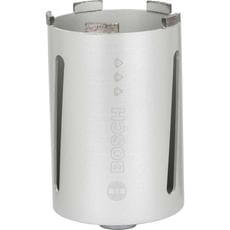
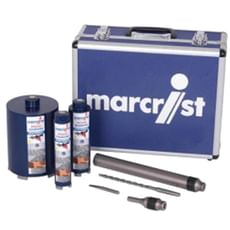
Core drill bits and adaptors are essential components for creating large-diameter holes in demanding materials including concrete, brick, stone, asphalt, and reinforced masonry. Unlike standard twist drill bits that remove all material from a hole, core drill bits cut an annular ring, leaving a solid core or "plug" of material in the centre. This efficient cutting method requires less power, generates less vibration, and produces cleaner holes—making core drilling the preferred choice for tradespeople who need to create openings for pipes, cables, ventilation ducts, and various mechanical installations.
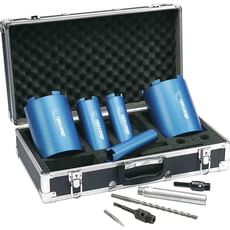
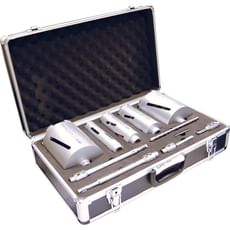
This category encompasses everything needed for professional core drilling applications, from diamond-tipped core drill bits in various diameters to the essential arbors, adaptors, and extensions that connect bits to power tools. Whether drilling shallow holes for electrical outlets or deep penetrations for plumbing installations, the right combination of core drill bit and adaptor ensures efficient, accurate results. The range available at Tooled-Up.com includes wet and dry core bits suitable for handheld drills, dedicated core drilling rigs, and angle grinders fitted with appropriate attachments.
Professional-grade core drill bits feature industrial diamond segments brazed or laser-welded to steel barrels, delivering exceptional cutting performance and longevity even in reinforced concrete. Complementary adaptors and arbors provide the crucial interface between your chosen power tool and core bit, whilst extensions allow greater drilling depths where required. Pilot core drill bits include a centring point to eliminate wandering during initial penetration, particularly valuable when working on uneven surfaces or at awkward angles.
Jargon Buster
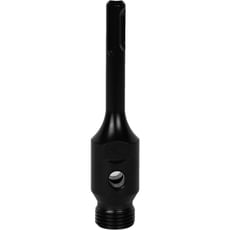
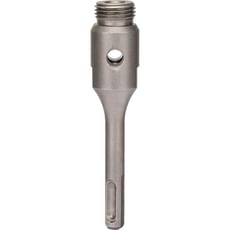
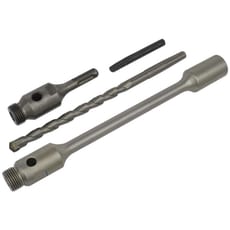
- Arbor: A shaft adaptor that connects the core drill bit to your power tool, typically featuring a threaded connection at one end for the bit and a hex or SDS shank at the other for the drill chuck. Also known as a mandrel.
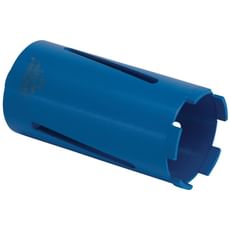
- Diamond Segments: The cutting sections on premium core bits, made from industrial diamonds bonded in a metal matrix. These segments are either brazed or laser-welded to the bit barrel and provide superior cutting performance in hard materials like concrete and stone.
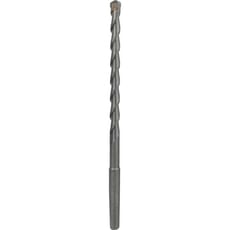
- Pilot Drill/Guide Bit: A centring drill bit that sits within the core bit barrel to prevent wandering during the initial stages of drilling. Essential for accurate positioning and particularly useful on sloped or uneven surfaces.
- Wet vs Dry Drilling: Wet drilling uses water cooling to extend bit life and reduce dust when cutting hard materials, whilst dry drilling requires no water supply but generates more heat and dust. Specific core bits are designed for each application.
- Thread Connection: The standard connection between core bits and arbors in the UK, typically 1/2" BSP or 1 1/4" UNC thread, though metric M14 and M16 connections are also common. Always verify compatibility before purchase.
- Kerf: The width of material removed by the cutting edge of the core bit—essentially the thickness of the diamond segments. A narrower kerf requires less power and cuts faster but may be less durable.
Who Uses Core Drill Bits & Adaptors?
Core drilling equipment is indispensable across numerous trades and industries:
- Electricians and Electrical Contractors: Creating holes for conduit, cable runs, back boxes, and ventilation in domestic, commercial, and industrial installations
- Plumbers and Heating Engineers: Drilling penetrations for waste pipes, water supply, central heating pipework, and boiler flues through walls and floors
- HVAC Specialists: Installing ventilation ducts, air conditioning lines, and extraction systems requiring large-diameter holes through structural elements
- General Builders and Construction Professionals: Creating openings for services, structural sampling, and various installation requirements on site work
- Groundworkers and Civil Engineers: Core sampling, drainage installation, and creating holes in concrete slabs and asphalt surfaces
- Demolition Contractors: Controlled removal of material sections and creating access points during refurbishment projects
- Fire and Security Installers: Drilling holes for cable routes, detector wiring, and sprinkler system pipework
- Maintenance Engineers and Facility Managers: Retrofitting services in existing buildings and carrying out repairs requiring access through masonry
- Serious DIY Enthusiasts: Tackling home improvement projects requiring professional-quality holes for extractor fans, soil pipes, and utility installations
How to Choose the Right Core Drill Bits & Adaptors
Material Compatibility: Match your core bit to the material you're drilling. Diamond core bits handle concrete, brick, stone, and masonry, whilst different segment specifications suit reinforced concrete versus softer brick. Verify the manufacturer's recommendations for your specific application.
Bit Diameter: Select the diameter based on your installation requirements, remembering that larger bits require more powerful tools. Common sizes range from 25mm for small conduit holes up to 300mm or more for substantial pipe penetrations. Consider whether you need clearance around the object being installed.
Drilling Depth: Standard core bits typically offer drilling depths between 150mm and 400mm. For deeper holes, you'll need extension bars that attach between the arbor and bit. Ensure your power tool has sufficient drilling capacity for your required depth.
Arbor and Adaptor Compatibility: Verify thread connections match between your chosen bits and arbors. Check that your arbor shank suits your power tool—common options include SDS-Plus, SDS-Max, hex shank for standard chucks, and 5/8" thread for dedicated core drill rigs. Brands like Makita, DeWalt, and Milwaukee often have specific arbor requirements.
Wet or Dry Drilling: Wet drilling with water cooling extends bit life significantly when cutting hard materials and complies with HSE guidelines for dust suppression. However, it requires water supply and drainage considerations. Dry core bits offer convenience but may wear faster and generate substantial dust requiring appropriate extraction.
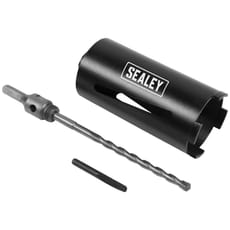
Pilot Bit Requirements: For precise hole positioning, especially on vertical surfaces or angled drilling, choose core bits with pilot drill capability. This is particularly important for shallow holes where accuracy is critical.
Power Tool Suitability: Ensure your drill has adequate power for core drilling—typically requiring 1,200W minimum for smaller bits, with 2,000W or more for larger diameters. Dedicated core drilling rigs provide optimal control and power for professional applications. Combi drills generally lack the required torque.
Popular Accessories
- Core Drill Stands and Rigs: Provide stable, controlled drilling with adjustable positioning for accurate, perpendicular holes—essential for professional-quality results
- Vacuum Pumps and Suction Bases: Secure drill stands to smooth surfaces without fixings, ideal for tile and glass work or where surface damage must be avoided
- Water Bottles and Feed Systems: Deliver consistent coolant flow for wet drilling, extending bit life and suppressing harmful silica dust in compliance with COSHH regulations
- Guide Templates and Centring Tools: Ensure accurate hole positioning before drilling commences, particularly valuable for multiple holes requiring precise spacing
- Dust Extraction Attachments: Essential for dry drilling compliance with HSE dust control requirements, particularly when cutting materials containing respirable crystalline silica
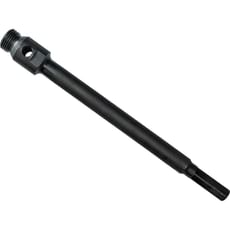
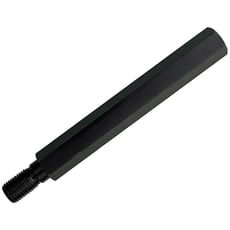
- Extension Bars and Adaptors: Increase drilling depth beyond standard bit length and adapt between different thread standards and power tool connections
- Diamond Dressing Stones: Restore cutting performance to glazed diamond segments, extending bit life and maintaining cutting speed
- Replacement Pilot Bits: Spare centring drills to replace worn or damaged pilots, ensuring continued accuracy
Safety Information
Personal Protective Equipment: Always wear appropriate safety glasses or face shield, hearing protection, dust mask (minimum FFP3 rated for silica dust), and sturdy work gloves. Steel toe-capped boots are essential on construction sites.
Dust Control: Drilling concrete, brick, and stone generates respirable crystalline silica (RCS), a serious health hazard. The HSE requires effective dust suppression—use wet drilling with water feed or high-efficiency dust extraction systems. Never dry-drill without appropriate extraction and respiratory protection.
Electrical Safety: When using mains-powered core drills, ensure 240V supply circuits are RCD-protected. Check cables and plugs before use, and never use damaged equipment. Consider 110V site transformers for outdoor and construction site applications as per standard UK practice.
Structural Awareness: Before drilling, verify no hidden services (electrical cables, water pipes, gas lines) occupy the drilling path. Use a suitable detector and consult building plans. Be aware of structural elements—never core drill through load-bearing steel reinforcement without structural engineer approval.
Tool Control: Core drilling generates substantial torque, particularly if the bit binds. Maintain firm two-handed control, adopt a stable stance, and use drill stands where possible. Be prepared for sudden tool movement if the bit catches or breaks through unexpectedly.
Bit Temperature: Diamond core bits become extremely hot during operation, especially when dry drilling. Allow adequate cooling time before touching, and never cool hot bits with water as thermal shock may damage the diamond segments.
Frequently Asked Questions
What's the difference between core drill bits and standard drill bits?
Core drill bits cut only an annular ring around the hole's perimeter, leaving a solid core of material in the centre, whilst standard drill bits remove all material from the hole. This makes core drilling much more efficient for large-diameter holes (typically over 20mm), requiring less power and producing less vibration. Core bits are specifically designed for hard materials like concrete and masonry where standard bits would struggle.
Can I use core drill bits in a regular electric drill?
For small-diameter core bits (up to approximately 50mm), a powerful corded drill (minimum 1,200W) with appropriate arbor adaptor can work adequately in softer materials. However, cordless drills and standard combi drills typically lack the sustained torque required. Larger bits and harder materials demand dedicated core drilling machines or heavy-duty rotary hammers from manufacturers like Makita, DeWalt, or Milwaukee. Always check the manufacturer's power tool recommendations.
Do I need to use water when core drilling?
This depends on your core bit specification and material. Wet drilling with water cooling dramatically extends bit life, improves cutting speed, and suppresses hazardous silica dust—making it the preferred method for concrete and hard masonry. Many professional diamond core bits require wet operation. Dry-rated bits offer convenience where water use is impractical but require appropriate dust extraction to comply with HSE requirements and will typically wear faster.
Why does my core bit stop cutting effectively?
Diamond segments can become "glazed" when the metal bond surrounding the diamonds wears smooth, preventing diamonds from engaging the material. This commonly occurs when drilling softer materials or using incorrect drilling speed. Restore cutting action by briefly drilling into abrasive material (like engineering brick) or using a diamond dressing stone to re-expose fresh diamonds. Insufficient pressure or excessive speed can also reduce cutting efficiency.
What thread size arbor do I need for my core drill bits?
UK core drill bits commonly feature 1/2" BSP thread (on smaller bits) or 1 1/4" UNC thread (on larger professional bits). Many European-manufactured bits use M14 or M16 metric threads. Tooled-Up stocks arbors for all standard thread types, but always verify the thread specification of your core bits before purchasing arbors—mixing incompatible threads will damage equipment and create dangerous situations. Quality arbors clearly state their thread specification and compatible bit range.