

Core Drill Extensions
Pay in 3 interest-free payments on purchases from £30-2000 with  . Learn more.

 Loading...
End of content
Error - No more pages to load
About Core Drill Extensions
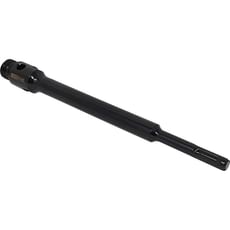
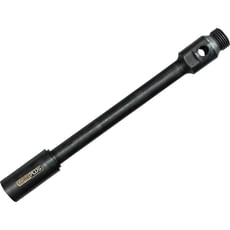
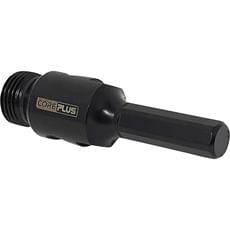
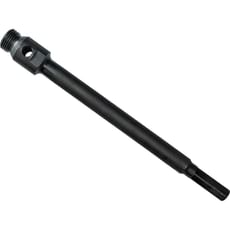
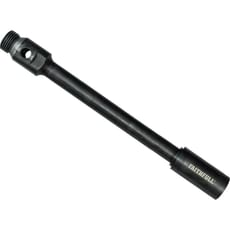
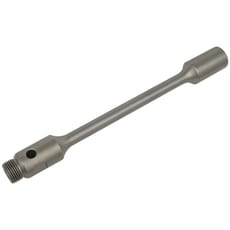
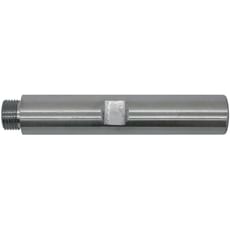
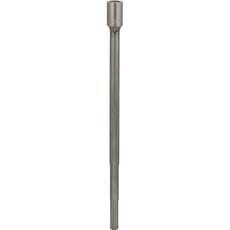
Core drill extensions are precision-engineered accessories that transform the capabilities of diamond core drilling equipment by significantly increasing reach and access. These hardened steel components attach between your drill motor and core bit, enabling you to drill through thicker walls, penetrate deeper into concrete structures, or access confined spaces where a standard setup cannot reach. Whether you're creating service penetrations through cavity walls, drilling through deep foundations, or working in tight spaces where your drill motor would otherwise obstruct positioning, extensions provide the versatility needed for challenging drilling applications.
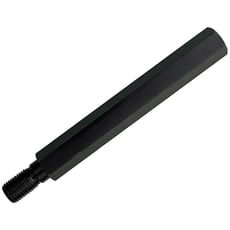
The selection at Tooled-Up.com includes extensions from trusted manufacturers such as Bosch Professional, Makita, Coreplus, Marcrist, Faithfull, Sealey and Sirius, covering the full spectrum of connection standards used throughout the UK construction industry. You'll find options featuring 1/2" BSP threads for professional diamond drilling machines, 1 1/4" UNC connections for heavy-duty core drilling systems, SDS Max adaptors for rotary hammer drills, and hex fittings for quick-change systems. Available in lengths typically ranging from 300mm upwards, these extensions are manufactured from hardened steel to withstand the substantial torque and vibration generated during diamond core drilling operations whilst maintaining accuracy and minimising deflection.
Professional contractors regularly rely on core drill extensions when installing electrical conduits, plumbing penetrations, HVAC ducting and ventilation systems through structural masonry. Multiple extension lengths kept in the toolkit allow quick adaptation to varying wall thicknesses and drilling depths without needing separate drilling equipment. DIY enthusiasts undertaking substantial home improvements also find these accessories invaluable for specialist projects requiring precision drilling through brick, concrete or stone where standard drill bit lengths prove insufficient.
Jargon Buster
- BSP (British Standard Pipe)
- A thread standard widely used across UK core drilling equipment. The 1/2" BSP connection is particularly common for diamond core drilling applications, providing secure attachment between extensions, core bits and drill motors. BSP threads feature a 55-degree angle and are designed to create leak-proof connections.
- UNC (Unified National Coarse)
- An American thread standard that has gained widespread adoption in the professional diamond drilling industry. The 1 1/4" UNC connection is frequently specified for heavy-duty core drilling equipment, offering excellent strength and stability under high torque loads. Despite its American origin, UNC threads are commonly found on professional drilling equipment used throughout the UK.
- SDS Max Adaptor
- A connection type designed to interface diamond core bits with SDS Max rotary hammer drills. These adaptors typically feature an SDS Max shank on one end and a threaded connection (usually M16 or 1/2" BSP) on the other, allowing tradespeople to use diamond core drilling equipment with their existing heavy-duty power tools rather than purchasing dedicated core drilling motors.
- Hex Shank Extension
- Features a six-sided shaft design that provides positive drive engagement and prevents slippage under rotational load. Hex extensions work with standard drill chucks or quick-change systems, making them suitable for lighter-duty core drilling applications with standard power tools.
- Through-Feed Capability
- A design feature that allows water to pass through the extension to the diamond bit during wet drilling operations. This cooling water suppresses dust, extends diamond bit life, and improves cutting performance. Essential for professional wet drilling applications and HSE-compliant dust control.
Who Uses Core Drill Extensions?
Core drill extensions are regularly specified and used by construction and installation professionals across numerous trades:
- Electricians and Electrical Contractors: Creating conduit runs, cable penetrations and junction box access through thick walls, cavity constructions and deep concrete structures
- Plumbers and Heating Engineers: Drilling pipe passages through masonry for central heating systems, water supply lines, waste pipes and boiler flue penetrations
- HVAC Technicians: Installing ventilation ducts, air conditioning refrigerant line penetrations and extract fan outlets through external cavity walls
- General Builders and Bricklayers: Core drilling for structural penetrations, service entries and various construction applications requiring precision holes through masonry
- Groundworkers and Civil Engineers: Creating drainage holes, service entries and utility penetrations through concrete foundations, retaining walls and ground floor slabs
- Specialist Diamond Drilling Contractors: Professional core drilling companies working on commercial, industrial and infrastructure projects requiring precision drilling equipment
- Maintenance Engineers and Facilities Managers: Retrofitting services in existing buildings, undertaking building modifications and installing new systems in operational premises
- Serious DIY Enthusiasts: Homeowners tackling substantial renovation projects, extensions or home improvements requiring professional-grade drilling capabilities through structural masonry
How to Choose the Right Core Drill Extensions
Connection Compatibility: Begin by identifying your existing equipment's thread or fitting specification. Common UK standards include 1/2" BSP for professional diamond drilling machines, 1 1/4" UNC for heavy-duty core drilling systems, SDS Max adaptors for use with rotary hammer drills (particularly popular with electricians and plumbers), and hex shanks for standard drill chucks. Ensure both ends of the extension match your drill motor output and core bit input connections. Some manufacturers use proprietary connections, so verify compatibility before purchasing, particularly if mixing brands.
Required Extension Length: Consider the wall thickness or drilling depth your projects typically demand. Standard extensions range from 300mm to 600mm, accommodating cavity walls, insulated structures and deep concrete sections. Whilst multiple extensions can be coupled together for exceptional reach, each additional connection reduces stability and increases the risk of deflection or wobble. For optimal accuracy, select the shortest extension that achieves your required depth, and always consider using a drill stand when working with extended assemblies.
Build Quality and Manufacturing Standards: Professional brands like Bosch Professional, Makita, Marcrist and Coreplus manufacture extensions to precise tolerances using hardened steel construction. Quality extensions minimise vibration and runout, resulting in cleaner holes, reduced bit wear and extended diamond tool life. Budget alternatives may offer initial cost savings but can compromise drilling accuracy, increase bit wear, and may not withstand the torque generated by professional drilling equipment under continuous use.
Wet or Dry Drilling Applications: Determine whether your work requires wet drilling capabilities. Extensions with through-feed water channels allow coolant delivery directly to the diamond bit, essential for keeping cutters cool, controlling dust on professional sites, and complying with HSE regulations regarding respirable crystalline silica. For occasional DIY use with smaller diameter bits, basic extensions may suffice, whilst daily professional use demands heavy-duty specifications with proper water delivery systems.
Professional Versus DIY Requirements: Tradespeople using extensions daily should prioritise professional-grade equipment from established brands, as these tools must withstand continuous site use, rough handling and demanding applications. DIY users drilling occasionally can consider lighter-duty options, though staying within recognized brands ensures better performance and longevity even for intermittent use.
Popular Accessories
- Diamond Core Drill Bits: Various diameters from 8mm to 150mm for drilling through brick, concrete, stone, masonry and reinforced concrete
- Pilot Drill Bits: Centering bits that guide core cutters and prevent walking or skating on hard surfaces during initial penetration
- Core Drill Stands and Rigs: Mounting systems providing accurate perpendicular drilling, hands-free operation and enhanced safety for professional applications
- Water Swivels and Feed Systems: Equipment enabling wet drilling operations to cool diamond bits, improve cutting performance and suppress hazardous dust
- Vacuum Dust Extraction Systems: Essential equipment for dry drilling to comply with HSE silica dust regulations and COSHH requirements on UK sites
- Thread Adaptor Sets: Convert between different thread standards and connection types, providing flexibility when using equipment from multiple manufacturers
- Diamond Drilling Lubricants: Specialist cutting fluids that extend diamond bit life, improve cutting performance and reduce friction during drilling operations
- Core Bit Storage Cases: Protective storage solutions for expensive diamond tooling, preventing damage during transport and site storage
- Heavy-Duty Core Drilling Motors: Dedicated 240v or 110v drilling machines designed specifically for core drilling work with appropriate torque control and safety features
- Cable and Pipe Detection Equipment: Essential safety tools for locating hidden services before drilling through walls or floors
Safety Information
Stability and Torque Control: Extensions increase the overall length and leverage of your drilling assembly, which amplifies torque reactions if the bit binds or catches reinforcement. Always maintain a firm two-handed grip and brace yourself for sudden kickback, particularly when breakthrough occurs. Professional contractors should consider using a drill stand or mounting rig for greater stability and control, especially with longer extensions or larger diameter core bits. Never operate extended drilling equipment from ladders or unstable platforms.
Dust Control and COSHH Compliance: Diamond core drilling through masonry, concrete and stone generates respirable crystalline silica (RCS) dust, classified as a serious health hazard under COSHH regulations. When using extensions for dry drilling, connect proper HSE-approved dust extraction equipment rated for fine dust, or implement wet drilling methods with through-feed water systems to suppress airborne particles at source. Respiratory protection rated FFP3 may be required depending on your control measures and exposure duration. Site supervisors must conduct appropriate risk assessments and implement adequate control measures.
Personal Protective Equipment: Wear appropriate PPE including impact-resistant safety glasses or face shield (particularly important during breakthrough), hearing protection rated for industrial noise levels, sturdy work gloves, steel toe-capped safety boots conforming to EN ISO 20345, and high-visibility clothing on construction sites. When drilling overhead, hard hats are mandatory. Avoid loose clothing, jewellery or anything that could become entangled in rotating equipment.
Electrical Safety on UK Sites: Ensure your drilling equipment is suitable for UK 240v supply and carries current PAT testing certification. When wet drilling, use 110v site transformers or equipment fitted with 30mA RCD protection to minimise electric shock risk. Keep water delivery systems, swivels and hoses away from electrical connections and power cables. Extension leads should be fully unwound to prevent overheating and rated for the drilling equipment's power consumption.
Hidden Services Detection: Before drilling, always check for concealed electrical cables, gas pipes, water services and telecommunications infrastructure using appropriate detection equipment rated for the depth you're drilling. Consult building plans, service drawings and as-built documentation where available. Drilling through live electrical cables can result in serious injury or fatality, whilst striking gas pipes or water mains creates evacuation situations and significant costs. Allow adequate clearance margins around detected services.
Frequently Asked Questions
Can I connect multiple extensions together for extra drilling depth?
Yes, many core drill extensions can be coupled together to achieve greater penetration depth, which proves useful when drilling through exceptionally thick walls or deep foundations. However, each additional extension reduces overall stability and increases the risk of deflection or wobble, potentially resulting in oversized, tapered or inaccurate holes. The increased length also amplifies vibration and makes the equipment more difficult to control. For best results, use the shortest single extension that achieves your required depth. When multiple extensions are unavoidable, always use a drill stand or mounting rig to maintain accuracy and control throughout the drilling operation.
Are core drill extensions compatible across different manufacturers?
Compatibility depends primarily on the thread standard used. Extensions and bits using standard BSP or UNC threads are generally interchangeable between brands, allowing you to mix equipment from manufacturers like Bosch Professional, Makita, Marcrist and Coreplus. However, some manufacturers employ proprietary connections, particularly on professional drilling rigs and specialized equipment. Always verify thread specifications before purchasing, and consider keeping a selection of thread adaptors in your toolkit for maximum flexibility when working with equipment from multiple sources or when hired equipment arrives on site.
What's the difference between SDS extensions and threaded extensions?
SDS extensions (particularly SDS Max types) feature quick-change shanks designed to fit directly into rotary hammer drills, making them ideal for occasional use, smaller diameter drilling, or tradespeople who prefer using their existing heavy-duty power tools. These adaptors typically handle core bits up to 68mm diameter. Threaded extensions with BSP or UNC connections are designed specifically for dedicated core drilling motors and professional diamond drilling equipment, offering superior stability, better torque transmission, and the capacity to handle larger diameter holes and continuous professional use. For daily commercial work or cores above 68mm, dedicated drilling equipment with threaded extensions provides better performance and safety.
Do I need a dedicated drill motor to use core drill extensions?
This depends on the extension type, connection standard and your drilling application. SDS Max adaptor extensions allow you to use diamond core bits with heavy-duty SDS rotary hammer drills (operating in rotation-only mode, never percussion mode), which suits occasional use or smaller diameter cores up to approximately 68mm. For professional work, larger diameter cores, continuous site use or drilling reinforced concrete, a dedicated diamond core drilling motor with appropriate BSP or UNC threaded connections provides better performance, superior torque control, electronic speed regulation, and safety features specifically designed for core drilling operations. Tooled-Up stocks both types of equipment to suit different applications and budgets.
How should I maintain my core drill extensions?
Clean threads thoroughly after each use, removing concrete dust, slurry and debris with a wire brush before particles harden. Check threads carefully for damage, cross-threading or excessive wear, as compromised threads can cause dangerous disconnection during operation under load. Store extensions in a dry location to prevent rust and corrosion, and apply a light coating of general-purpose oil or corrosion inhibitor to threads before storage. Inspect regularly for straightness by rolling the extension on a flat surface – any wobble indicates bending. Bent or damaged extensions should be replaced immediately as they compromise drilling accuracy, increase vibration, accelerate diamond bit wear, and present safety risks. Never attempt to straighten bent extensions.