

Corner & Edging Trowels
Pay in 3 interest-free payments on purchases from £30-2000 with  . Learn more.
 Loading...
End of content
Error - No more pages to load
About Corner & Edging Trowels
Corner and edging trowels are precision hand tools that enable plasterers, renderers, and decorators to achieve professional finishes in areas where standard flat trowels cannot reach. These specialised tools are engineered specifically for applying, smoothing, and finishing plaster, render, or joint compound in internal and external corners, along edges, and around architectural features. Available in both stainless steel and carbon steel variants, they allow tradespeople to create the crisp lines and perfectly flush corners that distinguish quality workmanship from amateur results.
The range available from Tooled-Up.com includes internal and external corner trowels in both square and rounded profiles, curved corner trowels for shaped architectural work, edging trowels for straight runs along skirting boards and ceiling lines, and specialist drywall corner trowels designed for plasterboard installations. Leading brands such as Marshalltown, Faithfull, RST, Draper, Spear & Jackson, and Sealey manufacture these tools with features including soft-grip handles for enhanced comfort during extended site work and stainless steel blades offering superior rust resistance and easier cleaning for professionals who demand longevity from their toolkit.
Whether you're a professional plasterer working on new builds, a renderer finishing external walls, or a DIY enthusiast tackling home improvements, having the correct corner and edging trowels transforms challenging detailed work into manageable tasks. These tools enable efficient working in confined spaces, creation of sharp angles, and achievement of smooth transitions that would prove impossible with conventional trowels. The difference between adequate work and exceptional finishing often comes down to using purpose-designed tools for corner and edge applications.
Jargon Buster
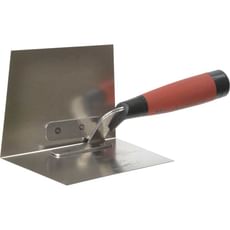
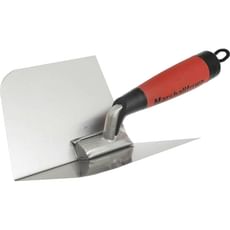
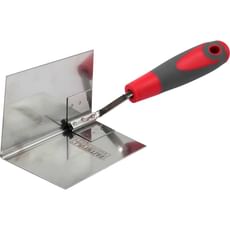
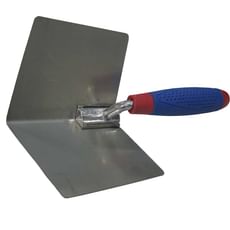
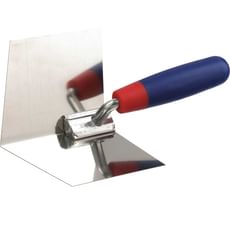
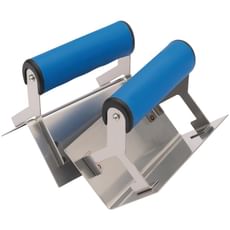
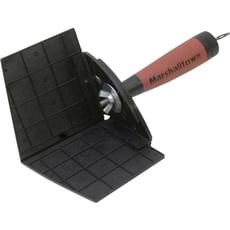
- Internal Corner Trowel: A trowel featuring two blades set at 90 degrees for applying and smoothing plaster or compound in inside corners where two walls meet. Available in square profiles for sharp modern angles or rounded profiles for softer period-style finishes.
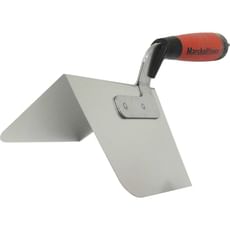
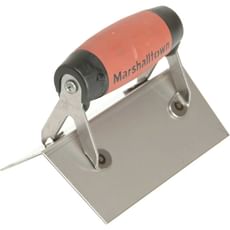
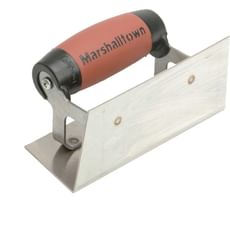
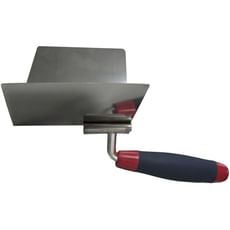
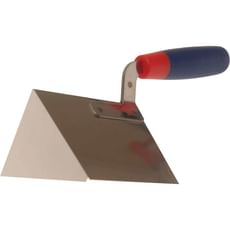
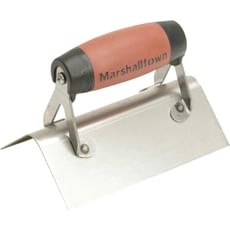
- External Corner Trowel: Designed specifically for finishing outside corners and edges, these trowels have blades angled outward to shape and smooth material on prominent corners that project into a room or along external building features.
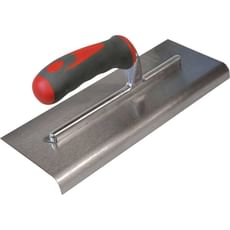
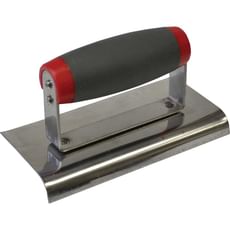
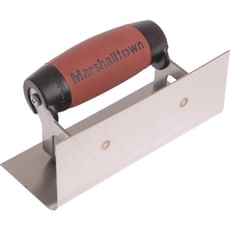
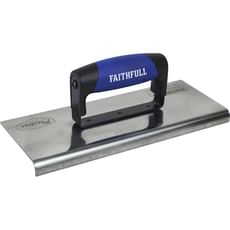
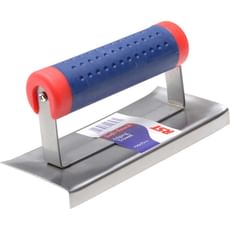
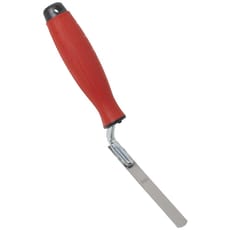
- Edging Trowel: A rectangular trowel with one straight edge, used for creating clean lines along edges, skirting boards, ceiling lines, and anywhere walls meet other surfaces requiring a precise transition.
- Stainless Steel Blade: A premium blade material that resists rust and corrosion whilst maintaining flexibility, cleans easily after use, and offers exceptional durability. Particularly valuable for professionals using tools daily in demanding conditions.
- Curved Corner Trowel: A specialist trowel with a radiused profile for finishing rounded or bullnose corners, commonly used in period properties, heritage restoration work, and architectural features requiring softer corner profiles.
- Drywall Corner Trowel: Specifically designed for applying joint compound to plasterboard corners during taping and finishing operations on stud walls and ceilings in modern construction methods.
Who Uses Corner & Edging Trowels?
- Plasterers: Professional plasterers rely on corner trowels daily for internal finishing work, ensuring crisp angles throughout residential and commercial properties to meet exacting standards.
- Renderers: External rendering specialists use these tools to finish corners and edges on exterior walls, creating weather-tight and visually appealing finishes that protect buildings from the elements.
- Drywall Installers: Dry liners and plasterboard specialists use corner trowels extensively when taping and finishing plasterboard installations in modern construction projects.
- Decorators: Professional painters and decorators use edging trowels when preparing surfaces and filling imperfections before final decoration, ensuring walls meet standards for high-quality paint finishes.
- Maintenance Contractors: Building maintenance professionals carry corner trowels for repair work and making good damaged plasterwork in occupied properties where quality repairs matter.
- DIY Enthusiasts: Homeowners undertaking plastering projects, kitchen and bathroom installations, or general home improvements benefit from having appropriate corner trowels for achieving professional-looking results.
- Heritage Restoration Specialists: Those working on listed buildings and period properties use curved corner trowels to match original architectural features and maintain historical authenticity.
How to Choose the Right Corner & Edging Trowels
Blade Material: Stainless steel blades offer superior rust resistance and longevity, making them ideal for professional tradespeople who use tools daily. Carbon steel options provide more economical alternatives for occasional use but require diligent maintenance to prevent corrosion. Brands like Marshalltown and Faithfull offer excellent stainless steel options that deliver years of reliable service.
Corner Profile: Determine whether you need square or rounded corner trowels based on your typical work. Square profiles create sharp 90-degree angles for modern construction standards, whilst rounded profiles suit period properties and anywhere softened edges are specified. Many professionals maintain both types in their toolkit for maximum versatility across different projects.
Internal or External Application: Internal corner trowels have blades angled inward for inside corners, whilst external corner trowels angle outward for protruding corners. Select the correct orientation for your application, or consider purchasing a set from brands like Draper that includes both configurations.
Handle Comfort: Soft-grip handles significantly reduce hand fatigue during extended plastering sessions on site. RST, Faithfull, and Draper manufacture models with ergonomic soft-touch handles providing excellent grip even when materials make them wet or slippery during intensive work.
Blade Size: Larger blades cover more area quickly but may prove unwieldy in tight spaces or around detailed architectural features. Consider the typical dimensions of your work when selecting blade size. Edging trowels typically range from 150mm to 300mm in length, with mid-range sizes offering the best versatility.
Brand Quality: Professional-grade brands like Marshalltown offer superior build quality and blade flexibility that helps achieve smoother finishes with fewer passes. For regular professional use, investing in premium tools pays dividends in both results and tool longevity, reducing long-term replacement costs.
Popular Accessories
- Plastering Floats: Essential for preparing surfaces before using corner trowels, available in sponge, polyurethane, and wooden varieties for different finishing techniques and materials.
- Hawk Boards: For holding plaster or compound close to your work whilst using corner trowels, typically 300mm square aluminium or plastic construction for durability and easy cleaning.
- Mixing Paddles: For preparing plaster, render, or joint compound to the correct consistency for application, available in various sizes to suit different batch quantities.
- Plastering Buckets: Durable mixing and water buckets specifically designed for plastering work, with reinforced construction to withstand site conditions.
- Corner Beads: Metal or plastic reinforcement for external corners before plastering or rendering, ensuring straight edges and protection against damage.
- Jointing Tape: Scrim or paper tape for reinforcing joints before applying compound with corner trowels, preventing cracking at seams.
- Tool Cleaning Equipment: Brushes and scrapers for maintaining your trowels in good condition between applications and at the end of each working day.
- Tool Bags and Storage: Protective storage solutions from brands like Stanley and DeWalt to keep your trowels in prime condition and organised for efficient site work.
Frequently Asked Questions
What's the difference between internal and external corner trowels?
Internal corner trowels have two blades set at 90 degrees angled inward (forming a 'V' shape when viewed end-on) for finishing inside corners where walls meet. External corner trowels have blades angled outward for finishing protruding corners. Using the wrong type will make achieving a good finish virtually impossible, so selecting the correct orientation for your application is essential.
Should I choose stainless steel or carbon steel corner trowels?
Stainless steel trowels cost more initially but offer excellent rust resistance, easier cleaning, and longer lifespan, making them ideal for professional tradespeople. Carbon steel trowels are more economical and perfectly adequate for DIY use or occasional projects, though they require thorough cleaning and drying after each use to prevent corrosion developing on the blade.
Can I use the same corner trowel for plaster and render?
Yes, quality corner trowels from brands like Marshalltown and Faithfull are suitable for both plastering and rendering work. However, ensure you clean them thoroughly between different materials, and consider dedicating specific tools to external render work, which is typically harsher on tools than internal plastering applications.
Do I need both square and rounded corner trowels?
This depends on your typical work. Modern construction predominantly uses square corners, so a square-profile corner trowel is essential for most applications. However, rounded corner trowels are invaluable for period properties, restoration work, or anywhere bullnose or softened corners are required. Professional plasterers often carry both profiles for maximum versatility on different sites.
How do I maintain my corner trowels properly?
Clean your trowels immediately after use with clean water, removing all plaster or compound residue before it hardens. Dry thoroughly to prevent rust, particularly with carbon steel blades. Store in a dry location, and consider applying a light coating of oil to carbon steel blades if storing for extended periods. Stainless steel trowels require less maintenance but still benefit from prompt cleaning and proper storage to maintain blade condition.