

Corrosion Protection
Pay in 3 interest-free payments on purchases from £30-2000 with  . Learn more.
 Loading...
End of content
Error - No more pages to load
About Corrosion Protection
Corrosion protection products are essential maintenance solutions designed to prevent rust, oxidation, and deterioration of metal components, tools, and equipment. Whether you're a professional tradesperson working on exposed machinery or a DIY enthusiast maintaining garden tools and household equipment, quality corrosion protection lubricants and sprays provide a vital barrier against moisture, salt, and environmental contaminants that cause metal degradation. These specialist formulations not only prevent corrosion but also reduce friction, displace moisture, and help free seized components that have become locked through rust and oxidation.
The range available at Tooled-Up.com includes specialist lubricant sprays, PTFE-based formulations, silicone lubricants, and multi-purpose maintenance sprays from trusted brands including WD40, Sealey, Rocol, 3 In 1, and Abus. From wire rope lubricants for industrial applications to lock lubricants for security hardware, these products cover the diverse needs of professional tradespeople and home users across the UK. Modern corrosion protection formulations offer targeted solutions for specific applications, whether you need a clear grease for clean environments, a freeze shock spray for releasing stubborn bolts, or a specialist cutting lubricant for metalworking operations.
Understanding which product suits your requirements ensures optimal protection for valuable tools, machinery, and metal surfaces. Different formulations are designed for specific environments and materials, from marine-grade protection against saltwater corrosion to food-safe white greases for processing facilities. With proper application and product selection, corrosion protection can significantly extend the lifespan of equipment and reduce costly repairs or replacements.
Jargon Buster
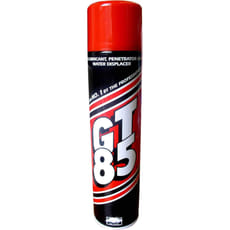
- PTFE (Polytetrafluoroethylene) - A synthetic fluoropolymer coating that provides exceptional lubrication and creates a low-friction, water-resistant barrier. PTFE lubricants like GT85 are popular for reducing wear on moving parts whilst repelling moisture and preventing rust formation.
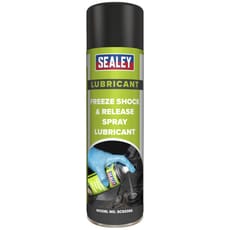
- Freeze Shock - A rapid cooling action that causes seized or corroded components to contract quickly, breaking the bond of rust and making removal easier. Particularly effective on stubborn nuts, bolts, and threaded connections that have become locked through corrosion.
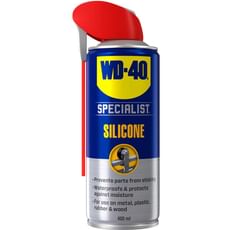
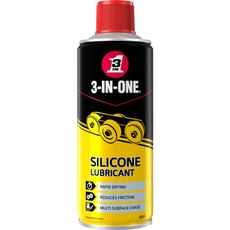
- Silicone Lubricant - A non-staining, water-resistant lubricant ideal for plastics, rubber, and metal surfaces. Silicone sprays won't attract dust and provide long-lasting protection in clean environments, making them perfect for applications where cleanliness is important.
- Penetrating Oil - A low-viscosity lubricant designed to seep into tight spaces, threads, and corroded areas to displace moisture and loosen rust. Essential for maintenance and repair work on seized fixings and corroded components.
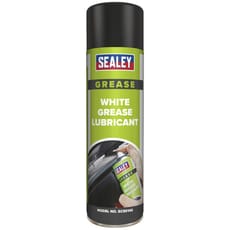
- White Grease - A lithium-based lubricating grease that remains visible on application, making it ideal for food processing environments and situations where contamination control is important. The white colour allows easy inspection to verify coverage.
- Metal Cutting Lubricant - Specialist coolant and lubricant for machining operations that reduces friction, heat, and tool wear whilst improving surface finish on workpieces. Formulated specifically for metalworking applications including drilling, tapping, and cutting.
Who Uses Corrosion Protection?
Corrosion protection products are indispensable across numerous trades and industries:
- Automotive Technicians and Mechanics - protecting vehicle components, freeing seized bolts, and maintaining tools and workshop equipment
- Marine Engineers and Boat Owners - combating saltwater corrosion on vessels, trailers, and dock equipment exposed to harsh coastal environments
- Plant and Machinery Operators - maintaining construction equipment, agricultural machinery, and industrial plant in outdoor and demanding conditions
- Electricians and Sparkies - lubricating electrical connections, protecting outdoor installations, and maintaining cable equipment and junction boxes
- Plumbers and Heating Engineers - freeing corroded pipe fittings, protecting valve mechanisms, and maintaining tools exposed to moisture
- Joiners and Carpenters - maintaining power tools, particularly outdoor equipment like hedge trimmers and chainsaws that require regular lubrication
- Landscape Gardeners - protecting garden machinery, gates, hinges, and outdoor metalwork from weathering and rust
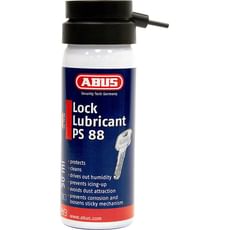
- Locksmiths and Security Installers - maintaining lock mechanisms and security hardware with specialist lock lubricants
- Metalworkers and Fabricators - using cutting lubricants during machining operations and protecting finished work from rust
- Maintenance Engineers - conducting preventative maintenance across facilities and equipment to reduce downtime
- DIY Enthusiasts and Homeowners - maintaining household tools, bicycles, gates, and garden equipment
How to Choose the Right Corrosion Protection
Application Type: Determine whether you need a general-purpose maintenance spray, a specialist lubricant for specific materials, or a heavy-duty penetrating oil for seized components. Multi-purpose PTFE sprays like GT85 suit most general maintenance tasks, whilst specialist products like Rocol wire rope lubricants are formulated for specific industrial applications.
Environmental Conditions: Consider exposure to moisture, salt, chemicals, or extreme temperatures. Marine environments and outdoor applications require robust protection with excellent water displacement properties. Silicone lubricants perform well in clean environments and won't attract dust or dirt, making them ideal for indoor workshop use.
Material Compatibility: Check the product is suitable for the materials you're treating. Some lubricants may affect plastics, rubber seals, or painted surfaces. Silicone sprays are generally safe for most materials, whilst specialist cutting lubricants are formulated specifically for metal machining operations. Always test on an inconspicuous area if uncertain.
Food-Safe Requirements: If working in food processing or preparation areas, opt for white or clear greases that comply with relevant hygiene standards and won't cause contamination issues. These specialist formulations meet food industry regulations whilst providing effective protection.
Spray vs. Applicator: Aerosol sprays offer convenient application and can reach awkward areas, making them ideal for most workshop and maintenance applications. Many products come with extension tubes for precision application into tight spaces and hard-to-reach mechanisms.
Brand Reputation: Established brands like WD40, Rocol, and Sealey offer proven formulations with consistent performance. Professional tradespeople often prefer these trusted names for reliability on critical applications where failure isn't an option.
Popular Accessories
- Extension Tubes and Precision Nozzles - for accurate application in confined spaces and hard-to-reach areas where standard spray patterns cannot reach
- Applicator Brushes - for controlled application of lubricants and greases to specific components without overspray
- Absorbent Mats and Drip Trays - to protect work surfaces and collect excess product during application, preventing contamination
- Wire Brushes and Scrapers - for removing loose rust and corrosion before treatment to ensure proper adhesion
- Nitrile Gloves - chemical-resistant hand protection when handling lubricants and solvents to prevent skin irritation
- Safety Glasses - essential PPE when using aerosol sprays to protect eyes from overspray and chemical contact
- Storage Cabinets - for safe, COSHH-compliant storage of flammable aerosols and chemicals on site or in workshops
- Lint-Free Cloths - for cleaning surfaces before application and wiping away excess product for a professional finish
Safety Information
Flammability: Most aerosol lubricants are highly flammable. Keep away from naked flames, sparks, and hot surfaces. Ensure adequate ventilation when using indoors, and never smoke whilst applying these products. Store in cool, dry conditions away from heat sources and direct sunlight, with temperatures maintained below 50°C.
Personal Protection: Wear appropriate PPE including nitrile gloves and safety glasses to prevent skin and eye contact. Some formulations may cause irritation or allergic reactions. Use in well-ventilated areas to avoid inhaling vapours or aerosol mist, particularly in confined spaces where fumes can accumulate quickly.
Surface Protection: Protect painted surfaces, plastics, and rubber components as some lubricants may cause damage or discolouration. Test on an inconspicuous area first if uncertain about compatibility. Cover floors and adjacent surfaces to prevent slips from overspray, which can create hazardous walking conditions.
Disposal: Never puncture or incinerate aerosol cans, even when empty, as they remain pressurised. Dispose of containers responsibly at designated recycling facilities or hazardous waste collection points. Wipe up spills immediately with absorbent materials to prevent slip hazards and environmental contamination.
Storage and Transport: Ensure aerosols are stored upright in COSHH-compliant cabinets, particularly on commercial premises and construction sites where HSE regulations apply. Keep products in original containers with labels intact for identification and safety information. Secure cans during transport to prevent damage to valve mechanisms.
Frequently Asked Questions
What's the difference between PTFE spray and silicone lubricant?
PTFE lubricants like GT85 provide excellent penetration and are ideal for metal-on-metal applications, chain lubrication, and general maintenance. They dry to leave a low-friction PTFE coating that reduces wear. Silicone lubricants are better for plastics, rubber, and situations where you need a clean, non-attracting finish that won't collect dust. Silicone is also excellent for waterproofing and protecting electrical connections from moisture ingress.
How do I free a seized bolt or nut?
Apply a penetrating lubricant or freeze shock spray generously to the seized area and allow time for it to work into the threads - ideally several hours or overnight for heavily corroded fixings. The freeze shock action causes rapid contraction to break the rust bond. Tap the fastener gently with a hammer to help the lubricant penetrate deeper, then attempt removal with the correct size spanner or socket to avoid rounding off the corners.
Can I use these products on my bike chain?
Yes, PTFE-based multi-purpose lubricants are suitable for bicycle chains and provide good protection against corrosion. However, dedicated bicycle chain lubricants may offer better performance for regular cycling use. Apply sparingly to a clean, dry chain and wipe away excess to prevent attracting dirt and grit which can accelerate wear on drivetrain components.
Are corrosion protection sprays safe to use on electrical components?
Many products, particularly silicone and PTFE sprays, are safe for electrical applications and can help displace moisture from connections. However, always check the manufacturer's specifications and ensure power is isolated before application. These products can improve conductivity and prevent corrosion on terminals and connections, but avoid using cutting lubricants or greases on electrical components as they may cause tracking or insulation problems.
How should I store aerosol lubricants on site or in my workshop?
Store aerosols in a cool, dry location away from direct sunlight, heat sources, and ignition sources. On commercial premises, COSHH regulations require suitable storage cabinets, particularly for larger quantities. Tooled-Up stocks a range of compliant storage solutions for safe keeping of aerosols. Keep products upright, ensure good ventilation, and maintain temperatures below 50°C. Always keep aerosols away from living spaces and ensure they're secured to prevent falling or damage to the valve mechanism.