

Countersinks
Pay in 3 interest-free payments on purchases from £30-2000 with  . Learn more.
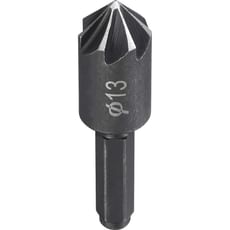
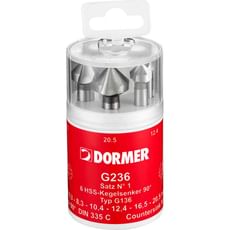

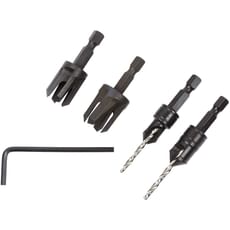
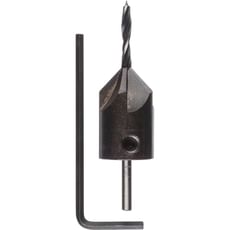
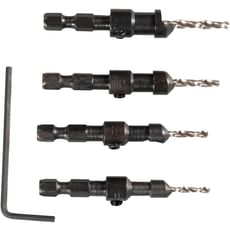
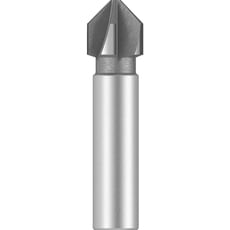

 Loading...
End of content
Error - No more pages to load
About Countersinks
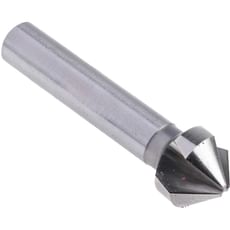
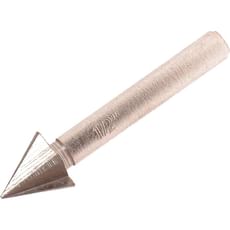
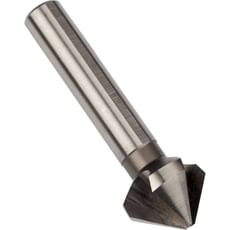
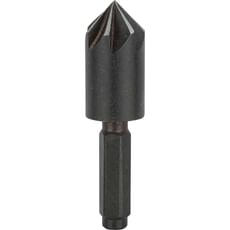
Countersinks are precision cutting tools designed to create conical or bevelled recesses in materials, allowing screw heads, bolt heads and rivets to sit flush with or below the surface. This professional finish not only improves the aesthetic appearance of joints and fixings but also protects fastener heads from damage, prevents snagging on clothing or equipment, and creates smooth surfaces suitable for painting or finishing. Whether working with timber, metals, plastics or composite materials, the correct countersink ensures clean, accurate recesses that are essential for both functional engineering and high-quality joinery work.
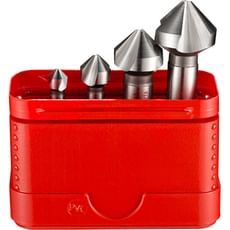
Tooled-Up.com stocks countersinks in numerous configurations to suit different applications and power tools. Available materials include HSS (High-Speed Steel) for general-purpose work, titanium-coated variants for extended tool life, and carbide-tipped options for the most demanding applications in hardened materials. Shank types range from traditional straight shanks for three-jaw chucks to hex shanks for quick-change systems in modern cordless drills and impact drivers. The most common design features a 90-degree angle to match standard countersunk screws used throughout UK construction and engineering, though specialist angles are available for specific fastener types.
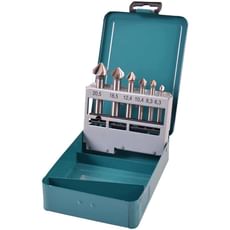
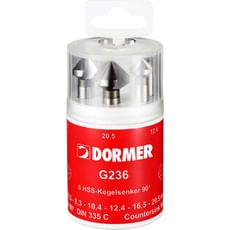
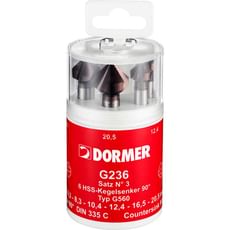
Professional countersink sets at Tooled-Up include multiple sizes covering the most frequently used screw gauges, whilst individual countersinks allow tradespeople to replace worn tools or select specific sizes for particular projects. Combination pilot drill and countersink bits have become increasingly popular, enabling users to drill the clearance hole and create the countersunk recess in a single operation—a significant time-saver for repetitive installation work. Premium brands such as Dormer, Bosch Professional, Makita and DeWalt offer professional-grade durability for demanding site conditions, whilst quality budget options from Faithfull, Draper, BlueSpot and Sealey provide excellent value for occasional users and DIY enthusiasts.
Jargon Buster
- HSS (High-Speed Steel): A hardened steel alloy that maintains its cutting edge even at high temperatures, making it ideal for countersinking operations in wood, plastic and softer metals. HSS countersinks represent the industry standard for general-purpose work.
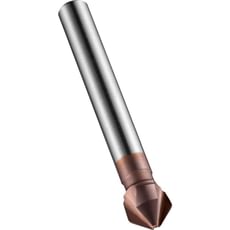
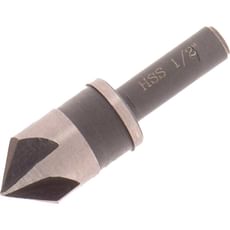
- Flutes: The grooves machined into the countersink body that form cutting edges and provide channels for removing swarf (waste material) during cutting. Three-flute designs offer aggressive cutting in softer materials, whilst six-flute variants produce smoother finishes in metals.
- 90-Degree Angle: The standard cone angle for countersinks in the UK, matching the profile of most countersunk screws used in construction and engineering. Other specialist angles (60°, 82°, 100° and 120°) exist for specific fastener types and international standards.
- TiAlN (Titanium Aluminium Nitride): An advanced coating applied to cutting tools that significantly increases surface hardness, heat resistance and tool life. Particularly valuable when countersinking stainless steel, hardened metals or working at high speeds where heat generation is a concern.
- Hex Shank: A six-sided shaft design that fits into quick-change chuck systems and magnetic bit holders, preventing slippage under high torque whilst allowing rapid bit changes. Essential for use with modern cordless drills and impact drivers.
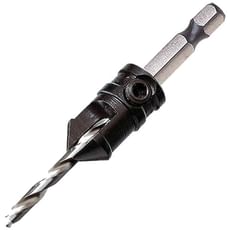
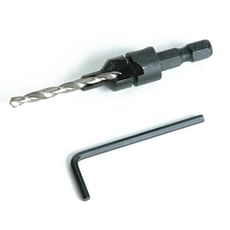
- Combination Pilot Drill: An integrated tool featuring a drill bit with a countersink collar, enabling simultaneous drilling and countersinking in one operation. Saves considerable time on repetitive installations such as decking, cabinetry and fixture mounting.
Who Uses Countersinks?
Countersinks are indispensable tools across numerous trades and industries:
- Carpenters and Joiners: Creating flush-fitted screw holes in timber joinery, cabinetry, furniture making and architectural woodwork
- Engineering Machinists: Deburring and countersinking holes in metal components for mechanical assemblies and precision engineering
- Shopfitters: Installing fixtures, fittings, display units and retail equipment with professionally concealed fixings
- Aircraft and Marine Engineers: Countersinking rivets and fasteners in aluminium and composite panels where flush surfaces are critical
- Maintenance Engineers: General repairs, installations and refurbishment work requiring flush-mounted fasteners across industrial facilities
- Metalworkers and Fabricators: Preparing steel, aluminium, brass and other metal components for assembly and finishing
- Electricians: Mounting electrical equipment, trunking, consumer units and accessories with countersunk fixings for safety and aesthetics
- Kitchen and Bathroom Fitters: Installing hinges, handles, brackets and mounting hardware with flush fixings
- Window and Door Fitters: Fitting ironmongery, hinges and hardware with professional concealed screw fixings
- Decking Installers: Countersinking deck screws for smooth, splinter-free walking surfaces
- DIY Enthusiasts: Home improvement projects including furniture assembly, renovation work and general household repairs
- Model Makers and Hobbyists: Fine countersinking work in plastics, soft metals, composites and wood for precision assembly
How to Choose the Right Countersinks
Material Compatibility: Select countersinks appropriate for your workpiece material. Standard HSS countersinks handle timber, plastics and softer metals such as aluminium and brass. For stainless steel, hardened steel and tougher alloys, invest in TiAlN-coated or carbide-tipped variants that resist wear and heat. Always verify the manufacturer's material specifications before purchasing to ensure compatibility and avoid premature tool failure.
Shank Type: Hex shank countersinks offer quick-change convenience and work perfectly with modern impact drivers and cordless drills featuring quick-release chucks and magnetic bit holders. Straight shank designs suit traditional three-jaw chucks found on pillar drills, bench drills and older power tools. Consider your existing equipment when selecting, as the wrong shank type may prevent secure mounting or cause slippage during operation.
Angle and Size Selection: The 90-degree angle remains standard for most countersunk screws available in the UK, but always verify the angle matches your specific fasteners—particularly when working with imported components or specialist applications. Size selection depends on screw head dimensions, with countersink sets typically covering gauges from small woodscrews through to larger coach screws. Measure your fastener head diameter to determine the appropriate countersink size.
Flute Configuration: Three-flute countersinks provide aggressive cutting action ideal for timber and softer materials, with excellent chip clearance preventing clogging. Six-flute designs offer smoother finishes in metal and reduced chatter, making them preferable for engineering applications. For versatile general-purpose work across mixed materials, three-flute countersinks represent the best compromise between cutting speed and finish quality.
Combination or Separate Tools: Pilot drill and countersink combinations deliver significant time savings when installing multiple fasteners, particularly popular with decking installers, carpenters and kitchen fitters working on repetitive installations. However, separate countersinks offer greater flexibility when working with pre-drilled holes, require different angles for various applications, or when holes and countersinks need different sizes for specific engineering requirements.
Quality and Brand Considerations: Professional tradespeople working daily should invest in premium brands such as Dormer, Bosch Professional, Makita or DeWalt for superior tool life, consistent performance and reliability under demanding site conditions. For occasional DIY use or light-duty work, quality mid-range options from Faithfull, Sealey, Draper or Stanley represent excellent value whilst still delivering reliable results and reasonable longevity.
Popular Accessories
- HSS Drill Bit Sets: High-quality jobber drills or brad-point bits for creating accurate pilot holes before countersinking operations
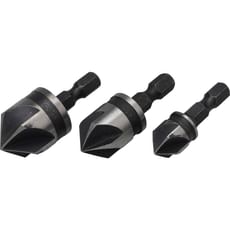
- Countersink Sets: Multi-piece sets covering common sizes from 6mm to 20mm for versatile application across different screw gauges
- Quick-Change Chuck Adaptors: Hex-to-SDS or hex-to-straight shank adaptors for compatibility across different power tools and drill types
- Cutting Lubricant and Coolant: Specialist cutting fluids that extend tool life, reduce heat generation and improve finish quality when countersinking metals
- Deburring Tools: Manual deburring tools and scrapers for removing sharp edges and burrs from countersunk holes
- Adjustable Depth Stops: Collar stops and depth limiters ensuring consistent countersink depth across multiple fasteners for uniform appearance
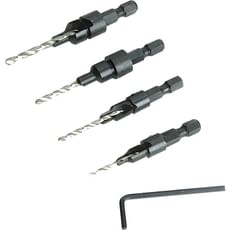
- Combination Drill Sets: Complete sets of pilot drill and countersink bits matched to popular screw sizes for streamlined installation
- Protective Storage Cases: Drill bit organisers, tool rolls and storage cases keeping countersinks protected and organised between jobs
- Magnetic Bit Holders: Quick-change bit holders with strong magnetic tips for secure bit retention and rapid tool changes
- Screw Guides and Jigs: Drilling guides ensuring perpendicular holes for accurate countersinking and professional results
Safety Information
When operating countersinks, always wear appropriate PPE including safety glasses or goggles to protect against flying swarf, metal fragments and timber splinters. Metal countersinking operations produce sharp chips that pose particular risk to eyes and exposed skin. Ensure workpieces are securely clamped or held in a vice before commencing work—countersinks can snag and cause unsecured workpieces to spin violently, potentially causing serious injury to hands and fingers.
Maintain appropriate speeds when power-drilling with countersinks. Excessive rotational speed generates heat that can damage both the countersink and workpiece, cause premature tool wear, and create fire risks when working with certain plastics or timber species containing flammable resins. Consult HSE guidance on machinery operation and follow manufacturer recommendations for optimal cutting speeds based on material type and countersink diameter.
Regularly inspect countersinks for wear, damage, chipped edges or blunt cutting surfaces. Dull countersinks require excessive pressure, increasing the risk of slippage, breakage and loss of control. Sharp, well-maintained tools are inherently safer and produce superior results with less physical effort. When countersinking overhead or working at height, take extra precautions against falling debris, ensure adequate eye protection, and follow HSE guidelines for working at height including appropriate fall protection equipment where required on site.
Never wear gloves when operating rotating tools, as fabric can become entangled in spinning countersinks causing severe hand injuries. Remove jewellery, secure loose clothing and tie back long hair before operating power tools. Keep fingers well clear of the cutting area and allow countersinks to stop completely before setting down power tools or removing workpieces from clamps.
Frequently Asked Questions
What's the difference between a countersink and a counterbore?
A countersink creates a conical or bevelled recess for flat-head (countersunk) screws to sit flush with the surface, featuring an angled cavity typically at 90 degrees. A counterbore creates a flat-bottomed cylindrical recess designed to accommodate socket-head cap screws, bolt heads or washers, allowing them to sit below the surface with the hole often plugged afterwards for a concealed finish. The two tools are not interchangeable as they produce completely different recess profiles.
Can I use the same countersink for both wood and metal?
Whilst many HSS countersinks will technically cut both materials, using the same tool for timber and metal significantly reduces its lifespan and cutting performance. Wood contains resins, moisture and abrasive fibres that build up on cutting edges, whilst metal work hardens the tool through heat and friction. For professional results and maximum tool longevity, maintain separate dedicated countersinks for different material types, particularly if working with harder metals that demand TiAlN-coated or carbide-tipped variants.
Why do my countersinks produce chatter or rough finishes?
Chatter typically results from excessive rotational speed, worn or dull cutting edges, insufficient support of the workpiece, or using a countersink with too few flutes for the material hardness. Reduce your drill speed (particularly in metals), ensure the workpiece is firmly clamped without vibration, and verify your countersink remains sharp and appropriate for the material. Six-flute countersinks generally produce smoother finishes in metal than three-flute designs. Applying cutting lubricant when working metals also improves finish quality and reduces chatter.
How deep should I countersink for screws?
Countersink depth should allow the screw head to sit flush with or fractionally below the surface—typically 0.5mm to 1mm below for timber that may subsequently be sanded or planed. Always test on scrap material first, as over-countersinking weakens the material surrounding the fastener and can cause screws to pull through under load, particularly in softer timbers or thin sheet materials. For precision work requiring consistent depth across multiple fastenings, adjustable depth stops or collars ensure uniformity and prevent over-countersinking.
Do I need a pilot hole before countersinking?
Yes, always drill an appropriately sized pilot hole matching your screw shank diameter before countersinking. Attempting to countersink without a pilot hole causes excessive strain on the countersink, produces poor-quality results with torn fibres or rough edges, and risks splitting timber or damaging the tool. Combination pilot drill and countersink bits streamline this two-stage process by completing both operations simultaneously in a single pass, saving considerable time on repetitive installations whilst ensuring correct alignment between pilot hole and countersink recess.