

Coving Mitres

Pay in 3 interest-free payments on purchases from £20-£3000 with  . Learn more.
 Loading...
End of content
Error - No more pages to load
About Coving Mitres
Coving mitres are precision cutting guides designed to help achieve perfect 45-degree angles when installing decorative coving and cornicing. These specialist tools eliminate guesswork when creating mitre joints for internal and external corners, ensuring seamless transitions that showcase professional craftsmanship. Whether working with polystyrene, plaster, or timber coving, a quality mitre tool transforms what can be a challenging aspect of room finishing into a straightforward, repeatable process that delivers consistently excellent results.
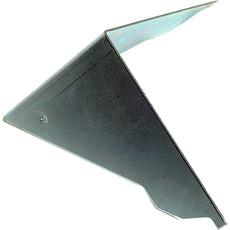
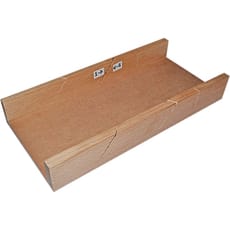
Available in two primary formats—mitre boxes and mitre templates—these tools cater to different working styles and project requirements. Traditional mitre boxes, such as the Faithfull Coving Mitre Box crafted from seasoned beech, provide a sturdy physical guide with pre-cut slots that direct your saw through the material at precisely the correct angle. Alternatively, innovative template systems like the Wondermitre Trade offer a different approach, with specially shaped notches that grip the convex surface of coving whilst you mark accurate cutting lines. Both methods accommodate coving widths up to 127mm, covering the majority of residential and commercial installations across the UK.
For tradespeople working on period properties, renovation projects, or new builds, investing in a reliable coving mitre from Tooled-Up.com means reduced material waste, faster installation times, and corner joints that require minimal filling and finishing. These tools prove particularly valuable when dealing with the varied ceiling heights and occasionally non-standard corner angles found in older UK properties, where precision becomes essential for maintaining architectural integrity and delivering a finish that reflects true craftsmanship.
Jargon Buster
- Mitre Joint: An angled joint, typically 45 degrees, where two pieces of coving meet at a corner to form a 90-degree angle. Each piece is cut at 45 degrees so they fit together seamlessly.
- Coving: Decorative moulding installed at the junction between walls and ceilings to create a curved or angled transition. Also known as cornice in some contexts, though cornice typically refers to more ornate designs.
- Mitre Box: A tool with pre-cut slots at specific angles (usually 45 degrees) that guides a hand saw to make accurate angled cuts in coving and other mouldings.
- Internal Corner: Where two walls meet in a room's interior, requiring coving pieces to be cut with the angles facing inward.
- External Corner: Where two walls meet projecting outward (such as a chimney breast or alcove edge), requiring coving pieces to be cut with the angles facing outward.
- Template Guide: A marking tool that allows you to transfer precise cutting angles onto coving material before making cuts with a saw or knife.
Who Uses Coving Mitres?
- Plasterers and Ceiling Fixers: Professional tradespeople who regularly install decorative mouldings and cornicing as part of their core services.
- Carpenters and Joiners: Chippies working on interior finishing, particularly when installing timber coving or architectural mouldings in period properties and high-end renovations.
- Painters and Decorators: Decorators who offer coving installation as an additional service to complement their painting work and provide complete room finishing solutions.
- Property Developers and Renovation Specialists: Professionals upgrading multiple properties who need reliable tools for consistent results across numerous installations.
- Interior Designers and Shopfitters: Specialists creating bespoke interiors requiring precise finishing details and architectural enhancements.
- DIY Enthusiasts: Homeowners undertaking room refurbishments who want professional-quality results without the guesswork or expensive mistakes.
- Maintenance Teams: Property maintenance professionals working on repairs and renovations in residential and commercial buildings.
How to Choose the Right Coving Mitres
Consider first the type of coving material you'll be working with most frequently. Traditional mitre boxes like the Faithfull model work exceptionally well with polystyrene and lightweight plaster coving, providing a stable cutting platform that holds the material securely during sawing. Template systems such as the Wondermitre Trade are particularly effective when you need to mark cuts on heavier materials or when using different cutting tools for larger installations.
Size capacity is crucial—verify that the mitre tool accommodates the maximum coving width you typically install. Most UK coving ranges from 75mm to 150mm in width, with 127mm being a common standard. Professional installers working with varied coving sizes across different projects may benefit from having multiple tools available to ensure proper fit and secure positioning during cutting.
Build quality directly impacts longevity and value for money. The Faithfull Coving Mitre Box features seasoned beech construction renowned for durability on site, whilst the Wondermitre Trade template utilises steel components for professional-grade resilience. Consider whether you need a basic mitre box for occasional domestic work or a more sophisticated template system for high-volume professional installations where tool reliability becomes essential for maintaining productivity.
Assess ease of use and versatility for your specific working style. Some systems handle both internal and external corners with a single tool simply by repositioning the coving, whilst others offer different approaches to marking and cutting. Template systems with specially shaped notches that grip the convex surface of coving can be particularly effective when working alone, as they hold the material securely whilst you mark cutting lines. If you're new to coving installation, a straightforward mitre box with clear visual guides might be preferable, whilst experienced professionals might appreciate the flexibility offered by template systems that accommodate minor angle adjustments for non-standard corners.
Popular Accessories
- Fine-Tooth Hand Saws: Essential for making clean cuts through coving without tearing or crushing the material, particularly important for polystyrene coving.
- Coving Adhesive: Specialist adhesives formulated for bonding coving to walls and ceilings, available in both ready-mixed and powder formats.
- Caulking Guns: For applying adhesive precisely along coving edges and achieving consistent bead application.
- Filling Knives: Used to fill gaps and joints for a seamless finish between coving sections and along wall/ceiling junctions.
- Spirit Levels: Ensuring coving is installed perfectly horizontal around the room for professional appearance.
- Measuring Tapes: Accurate measurement tools for calculating coving lengths, corner positions, and room dimensions.
- Pencils and Marking Tools: For marking cutting lines on coving and position guides on walls.
- Decorators Caulk: For filling minor gaps between coving and ceiling/wall surfaces before final decoration.
- Sandpaper and Abrasives: For smoothing cut edges and preparing surfaces for adhesive application.
- Dust Sheets: Protecting floors and furniture during cutting and installation work.
Frequently Asked Questions
Can I use a coving mitre box for both internal and external corners?
Yes, most coving mitre boxes and templates are designed to cut both internal and external corner mitres. The difference lies in how you position the coving in the tool—typically face up for internal corners and face down for external corners, though this can vary between different systems. The Wondermitre Trade uses specially shaped notches to grip the coving securely in either orientation. Always check the manufacturer's instructions for your specific mitre tool to ensure correct positioning and optimal results.
Do I need different mitre tools for different coving sizes?
It depends on the range of coving widths you're installing. Both the Faithfull and Wondermitre tools available from Tooled-Up accommodate coving up to 127mm, which covers most standard residential applications. However, if you regularly work with both small decorative coving (under 75mm) and larger ornate cornicing (over 130mm), you may need different sized tools to ensure accurate cuts and secure positioning during cutting. Most professional installers find that a single 127mm capacity tool handles the majority of their work.
What type of saw works best with a coving mitre box?
A fine-tooth hand saw or a dedicated coving saw produces the cleanest results when used with a mitre box. The fine teeth prevent tearing and crushing, which is particularly important when cutting polystyrene coving that can easily compress or crumble with aggressive cutting. Aim for a saw with at least 12-15 teeth per inch. Avoid using coarse-toothed saws or power saws in a standard mitre box, as they can cause excessive vibration and produce rough cuts that require significant filling and finishing work.
How do I handle corners that aren't exactly 90 degrees?
Older UK properties often have corners that vary from true 90-degree angles due to settling or original construction methods. In these cases, a mitre template system offers more flexibility for adjustment than a fixed mitre box. You can measure the actual corner angle using an angle finder, divide it by two to determine the cutting angle for each piece, and mark your cuts accordingly on the template. For corners only slightly off square (within a few degrees), standard mitre tools still work well, with any minor gaps easily filled during finishing.
Is a mitre box or template system better for beginners?
A traditional mitre box like the Faithfull model is generally more intuitive for beginners, as it provides clear physical guidance for your saw and requires less marking and measuring. Simply position the coving in the box according to whether you're cutting an internal or external corner, and saw through the pre-cut slots. Template systems offer greater flexibility and are excellent once you understand the basic principles of coving installation, but they require more confidence in marking and cutting freehand. Many DIY enthusiasts find mitre boxes more forgiving whilst developing their skills.