
Creepers & Seats

Pay in 3 interest-free payments on purchases from £20-£3000 with  . Learn more.

Loading...
End of content
Error - No more pages to load
About Creepers & Seats
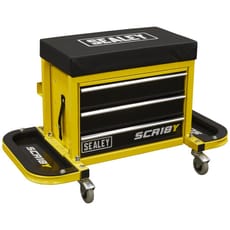
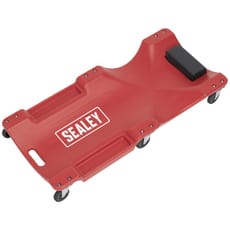
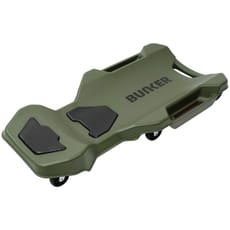
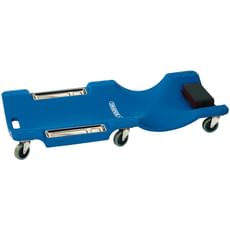
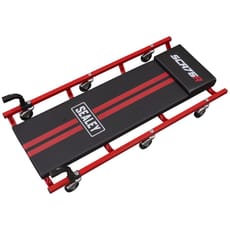
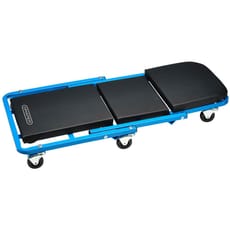
Working beneath vehicles or in confined low-level spaces demands specialised support equipment that combines mobility, comfort, and durability. Creepers and seats are essential workshop tools designed to reduce physical strain during under-vehicle maintenance, repairs, and inspections. From traditional flat mechanics creepers with swivel castors to sophisticated rolling work seats with integrated tool storage, these products transform uncomfortable floor work into manageable tasks. Whether you're conducting routine oil changes, exhaust system repairs, or comprehensive vehicle inspections, the right creeper or seat significantly improves both comfort and productivity throughout extended working periods.
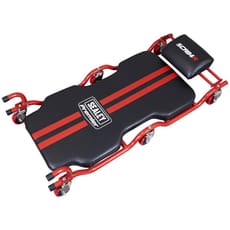
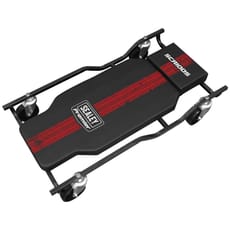
Modern mechanics creepers feature contoured high-density foam padding, adjustable headrests, and smooth-rolling castors that allow effortless movement beneath vehicles whilst maintaining proper body alignment. Low-profile designs cater specifically to contemporary cars with minimal ground clearance, typically measuring 75-100mm in height compared to standard 100-125mm models. Rolling work seats and workshop stools provide comfortable, height-adjustable seating positions for tasks around wheel arches, engine bays, and bodywork, whilst cushioned kneeling pads offer protection during jobs requiring frequent position changes between kneeling and lying positions.
The selection at Tooled-Up.com includes trusted manufacturers such as Sealey, Draper, Bahco, and Facom, offering everything from basic EVA foam mats to luxury creepers with oil-resistant vinyl upholstery and heavy-duty welded steel frames. Professional vehicle technicians spending hours daily beneath cars, MOT testers conducting thorough underside inspections, and DIY enthusiasts maintaining their own vehicles will find solutions designed to reduce fatigue, protect against back strain, and prevent joint discomfort during prolonged low-level work.
Jargon Buster
- Low Profile Creeper – A mechanics creeper with reduced ground clearance, typically 75-100mm in height, specifically designed for sliding beneath modern vehicles with sports suspension, lowered ride heights, or minimal underside space. Essential for accessing contemporary cars where standard-height creepers won't fit.
- Swivel Castors – Multi-directional wheels that rotate 360 degrees, allowing smooth movement in any direction beneath vehicles. Quality castors feature ball-bearing construction with typical diameters of 50-75mm for long-lasting, effortless rolling action over workshop floors and minor debris.
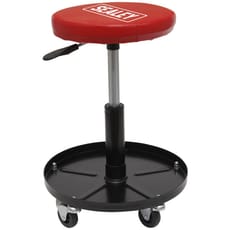
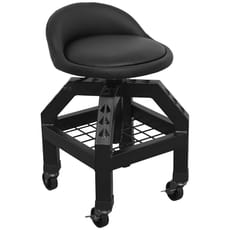
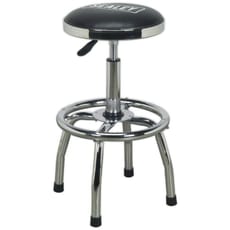
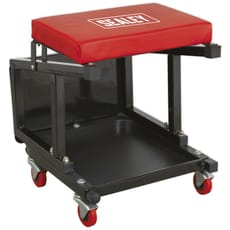
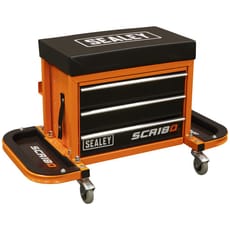
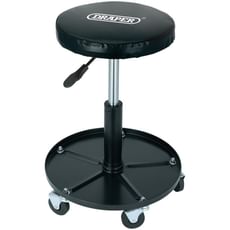
- Rolling Work Seat – A mobile workshop stool mounted on castors, often featuring pneumatic height adjustment and integrated tool trays or storage compartments. Allows technicians to move around vehicles whilst remaining seated at comfortable working heights for wheel, brake, and bodywork tasks.
- Contoured Padding – Ergonomically shaped cushioning that follows the body's natural curves, providing targeted support for the head, neck, and lumbar region whilst distributing weight evenly to reduce pressure points during extended periods beneath vehicles.
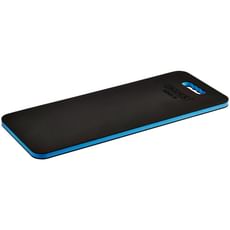
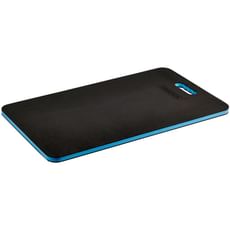
- EVA Foam – Ethylene-vinyl acetate foam used in kneeling pads and workshop mats; a closed-cell foam material providing excellent cushioning, moisture resistance, and durability whilst remaining lightweight and easy to clean after exposure to oils and workshop fluids.
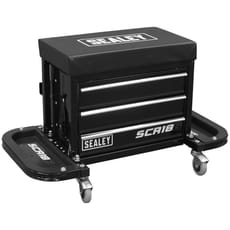
- Tool Tray Creeper – A creeper incorporating built-in storage trays, magnetic strips, or side compartments for keeping spanners, sockets, fasteners, and components within immediate reach whilst working underneath vehicles, eliminating repeated trips to the toolbox and improving workflow efficiency.
Who Uses Creepers & Seats?
- Vehicle Mechanics and Technicians – Professional automotive workshops requiring daily under-vehicle access for servicing, repairs, diagnostics, and component replacement
- MOT Testers – Conducting thorough underside inspections of cars, vans, and light commercial vehicles for annual safety certification
- Classic Car Enthusiasts – Restoring and maintaining vintage vehicles requiring extensive underside work on chassis, suspension, and exhaust systems
- DIY Mechanics – Home garage users performing their own vehicle maintenance, oil changes, brake servicing, and general repairs
- Commercial Vehicle Technicians – Working on larger vehicles, delivery vans, and light commercial fleets with regular servicing schedules
- Tyre and Exhaust Fitters – Accessing wheel wells, suspension components, brake assemblies, and exhaust systems during fitting and replacement work
- Agricultural Engineers – Maintaining tractors, farm machinery, and equipment with underside access requirements in rural workshops
- Plant Fitters – Servicing construction equipment, industrial machinery, and site plant at low working heights
- Mobile Mechanics – Travelling technicians requiring portable, lightweight creepers for on-site vehicle repairs and servicing
- HVAC Engineers – Installing and maintaining heating systems in confined spaces and crawlways requiring low-level access
How to Choose the Right Creepers & Seats
Height and Profile: Consider the vehicles you work on most frequently. Modern cars with sports suspension or lowered ride heights require low-profile creepers measuring 75-100mm in height. Standard creepers at 100-125mm suit older vehicles, vans, and 4x4s with greater ground clearance. Measure the minimum clearance of your typical vehicles before purchasing to avoid frustration.
Weight Capacity: Check the maximum user weight specification carefully. Professional-grade creepers and rolling work seats typically support 120-150kg, ensuring stability and longevity during daily commercial use. Heavier users or those working with loaded tool belts should opt for reinforced steel-frame construction with welded joints rather than bolted assemblies for superior strength.
Castor Configuration: Six-wheel creepers provide superior stability and weight distribution compared to four-wheel designs, reducing tipping likelihood when shifting position beneath vehicles. Larger diameter castors (65-75mm) roll more smoothly over debris, cable protectors, and slightly uneven workshop surfaces. Ball-bearing swivel castors ensure quiet, long-lasting operation in busy workshop environments.
Padding Quality: High-density foam padding at least 25mm thick directly impacts comfort during extended use. Contoured designs supporting the head, neck, and lower back reduce fatigue significantly. Oil-resistant vinyl upholstery is easier to clean and more durable in workshop environments than fabric alternatives, maintaining appearance and hygiene despite exposure to oils, greases, and fluids.
Adjustability Features: Adjustable headrests accommodate users of different heights and provide personalised neck support when working beneath vehicles of varying ground clearance. Height-adjustable rolling work seats suit multiple users in shared workshop environments and adapt to different working heights around vehicles, from wheel arches to door sills.
Storage Solutions: Integrated tool storage significantly improves workflow efficiency. Tooled-Up stocks rolling seats with built-in tool trays, whilst some creepers incorporate magnetic strips or side compartments for keeping fasteners, sockets, and small components immediately accessible, reducing time spent retrieving items from distant toolboxes.
Build Quality: Steel-frame construction offers superior strength and longevity compared to plastic alternatives, particularly crucial in commercial workshop settings with daily use. Examine welded construction points, reinforced stress areas, and castor mounting quality. Professional-grade equipment withstands years of demanding use whilst budget models may require earlier replacement.
Popular Accessories
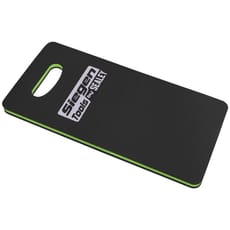
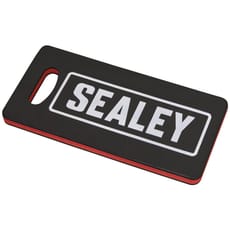
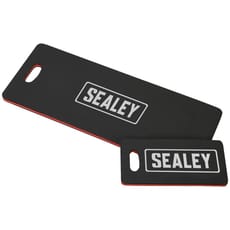
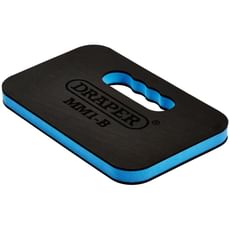
- Mechanics Kneeling Pads – EVA foam pads providing cushioned protection for jobs requiring kneeling positions alongside creeper work, particularly when working around wheel arches
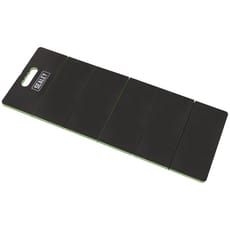
- Workshop Foam Mats – Large cushioned mats for additional floor protection and comfort during extended periods working at ground level
- Magnetic Parts Trays – Attachable storage for keeping nuts, bolts, washers, and small components organised and immediately accessible whilst working beneath vehicles
- Portable Inspection Lamps – LED work lights and rechargeable torch systems for illuminating dark underside areas, exhaust systems, and suspension components
- Oil Drain Pans – Essential containers for capturing engine oil, coolant, and other fluids during servicing work performed from creeper positions
- Mobile Tool Chests – Rolling toolboxes and service trolleys to position tools near the vehicle for easy access without leaving the creeper
- Mechanics Work Gloves – Protective gloves offering grip and cut resistance when handling components and sharp edges during underside work
- Replacement Castors – Spare wheels and castor assemblies for maintaining smooth rolling performance on well-used creepers and work seats
- Knee Pads – Wearable protection for tasks transitioning between kneeling and creeper work throughout servicing jobs
Safety Information
Always ensure vehicles are properly supported on axle stands or approved vehicle ramps before positioning yourself beneath them – never rely solely on a hydraulic jack, which can fail or lose pressure. Check the working load limit of your creeper or seat and never exceed the manufacturer's specified weight capacity, as overloading could result in structural failure, castor damage, or sudden collapse.
Inspect castors regularly for debris accumulation, damage, or bearing wear that could affect smooth operation or cause sudden stopping whilst underneath a vehicle. Remove any hair, cable strands, or swarf wrapped around castor axles that impede rotation. Keep creeper surfaces clean and free from oil or grease accumulation, which compromises padding integrity and creates slip hazards when mounting or dismounting equipment.
Maintain awareness of your surroundings whilst using a creeper, particularly in busy workshop environments where other personnel, moving vehicles, or equipment could present collision risks. Ensure adequate clearance exists before sliding beneath vehicles, checking for low-hanging components, sharp edges, hot exhaust systems, or recently drained fluids that could cause injury or burns.
When using rolling work seats, ensure all castors are in contact with the floor before applying full body weight, and avoid overreaching or leaning excessively to one side, which could cause tipping. Store creepers and seats in designated areas when not in use to prevent trip hazards in workshop environments. Follow HSE guidance for manual handling and working in confined spaces where applicable.
Frequently Asked Questions
What's the difference between a standard creeper and a low-profile creeper?
Low-profile creepers typically measure 75-100mm in height compared to standard creepers at 100-125mm. This reduced clearance is essential for modern vehicles with sports suspension, lowered ride heights, or minimal ground clearance common on contemporary hatchbacks and saloons. If you regularly work on cars manufactured after 2010 or performance vehicles, a low-profile design prevents getting stuck or struggling to fit beneath the vehicle comfortably.
How many castors should a mechanics creeper have?
Six-wheel creepers generally provide superior stability and weight distribution compared to four-wheel designs, reducing the likelihood of tipping when shifting position or reaching sideways beneath vehicles. They distribute load across more contact points, which extends castor life in professional settings. Four-wheel creepers are lighter and more compact for storage but may feel less stable, particularly for heavier users or when working on uneven workshop floors with drainage channels.
Can I use a mechanics creeper on rough or outdoor surfaces?
Whilst creepers are designed primarily for smooth concrete workshop floors, models with larger diameter castors (65-75mm) and six-wheel configurations cope better with slightly rough surfaces and minor debris. However, gravel, grass, tarmac, or significantly uneven terrain will impede movement and potentially damage castors. For outdoor vehicle work on driveways, consider placing plywood sheets or hardboard beneath the working area to create a smooth rolling surface.
How do I maintain my mechanics creeper for long-term use?
Clean the padding regularly with appropriate vinyl or upholstery cleaner to remove oil, grease, brake dust, and grime that degrade materials over time. Inspect and clean castors monthly, removing debris or hair wrapped around axles that impedes rolling. Check all fasteners for tightness, particularly on steel-frame creepers where bolts may loosen with vibration. Store in a dry location away from direct sunlight, which can crack vinyl and degrade foam padding, and avoid leaving heavy items on the creeper that could compress padding permanently.
What weight capacity do I need for a rolling work seat?
Most professional-grade rolling work seats support 120-150kg user weight safely. Consider your body weight plus any tool belts, pouches, knee pads, or additional equipment you wear whilst working. If you're approaching the upper limit or work in demanding commercial environments with daily use, opt for heavy-duty steel-frame models with reinforced construction and quality pneumatic height adjustment for added safety margin, stability, and longevity.