

Crimpers
Pay in 3 interest-free payments on purchases from £30-2000 with  . Learn more.


 Loading...
End of content
Error - No more pages to load
About Crimpers
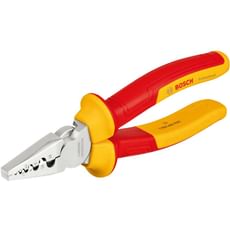
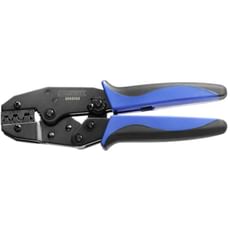
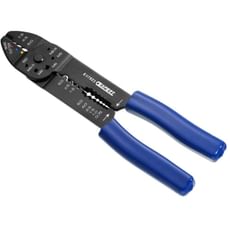
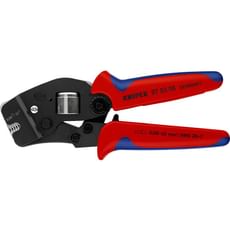
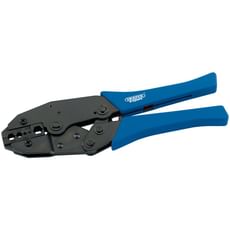
Crimpers are indispensable hand tools that create permanent electrical connections by mechanically deforming terminals, ferrules, and connectors onto cables and wires. Through controlled compression, these tools ensure secure, reliable joints that withstand vibration, load, and environmental stress across countless applications. From automotive wiring harnesses and domestic electrical installations to industrial control panels and telecommunications cabling, the right crimping tool guarantees connections that won't fail at critical moments. The selection at Tooled-Up.com spans everything from straightforward manual crimpers for occasional jobs through to professional-grade ratchet action models that deliver consistent, specification-grade crimps with every cycle.
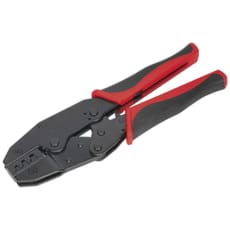
Professional crimpers from established manufacturers including Sealey, Draper, Knipex, and Wiha cover every common application imaginable. Standard electrical terminals and battery lugs sit alongside specialised tools for coaxial cables, RJ45 network connectors, and ScotchLok terminals. Many professional models incorporate ratchet mechanisms that physically prevent release until the crimp cycle completes properly, eliminating the partially-crimped connections that cause intermittent faults and safety hazards. For tradespeople who regularly work with specific terminal types, dedicated crimpers with interchangeable dies or multi-way crimp profiles deliver faster, more accurate results than universal alternatives whilst reducing the number of tools needed in the van.
Beyond straightforward wire-to-terminal crimping, specialist tools address cable ferrules for control panel wiring, automotive battery terminals requiring heavy-duty compression, and insulated terminals that crimp both conductor and insulation sleeve simultaneously. Complete kits bundling quality crimpers with comprehensive terminal assortments provide exceptional value for those equipping a new toolbox or van stock, whilst professional quick-change systems allow experienced electricians to swap between terminal sizes in seconds without juggling multiple dedicated tools.
Jargon Buster
- Ratchet Action
- A mechanical locking mechanism that secures the crimper handles together and only releases once sufficient pressure creates a proper crimp. This ensures consistent quality across all connections and prevents partial crimps that could fail in service, particularly valuable when working in awkward positions where you can't easily verify crimp quality.
- Cable Ferrules
- Metal tubes crimped onto stranded wire ends to create solid termination points. Commonly used in control panels and terminal blocks, ferrules prevent wire strand fraying and ensure reliable connections that comply with industrial wiring standards.
- Wire Gauge / AWG
- The measurement system defining wire thickness. Crimpers are rated for specific gauge ranges (measured in mm² throughout the UK, or AWG in American specifications) and must match both the cable size and terminal capacity being used.
- Crimp Profile
- The specific shape created in the terminal by the crimper dies – common profiles include hexagonal, square, and formed types. Using the correct profile for your terminal type is essential for achieving proper connection strength and electrical conductivity.
- Interchangeable Dies
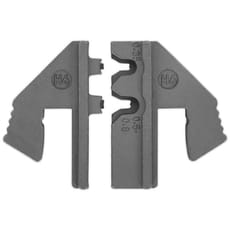
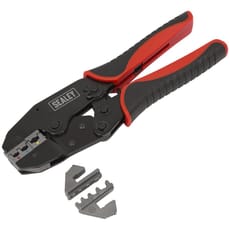
- Removable crimping jaws that swap out to accommodate different terminal types, wire sizes, or connector systems. This versatility allows one tool to handle multiple applications without requiring separate crimpers for each job.
- RJ45/RJ11 Crimpers
- Specialised tools designed exclusively for terminating data and telephone cables with modular connectors, featuring precise alignment systems that ensure all pins make proper contact with the correct conductors.
Who Uses Crimpers?
- Electricians and Electrical Contractors: Terminating cables in consumer units, control panels, and industrial installations
- Automotive Electricians: Repairing vehicle wiring looms, fitting accessories, and working with battery terminals
- Marine Electricians: Creating corrosion-resistant connections in boats and marine equipment using heat-shrink insulated terminals
- Data and Telecommunications Engineers: Terminating network cables with RJ45 connectors and coaxial cable installations
- Control Panel Builders: Fitting cable ferrules and terminals in industrial control systems and automation equipment
- Sound and Lighting Technicians: Creating custom cable assemblies for PA systems, stage lighting, and AV installations
- Plant and Maintenance Engineers: Repairing and maintaining machinery wiring and electrical components
- DIY Enthusiasts: Automotive projects, home wiring repairs (within Building Regulations), and hobby electronics
- Mobile Mechanics and Auto Electricians: On-site vehicle repairs and electrical diagnostics
How to Choose the Right Crimpers
Identify Your Terminal Types: Different terminals demand different crimp profiles. Insulated terminals need tools that crimp both wire and insulation sleeve, whilst non-insulated terminals require open barrel crimpers. Specialist applications like coaxial cables, RJ45 connectors, or ScotchLok terminals each need dedicated tools designed for their specific geometry.
Consider Wire Gauge Range: Match the crimper's capacity to the wire sizes you encounter most frequently. Professional electricians typically require tools covering 0.5mm² to 6mm², whilst automotive work often demands larger capacity for battery cables. Multi-way crimpers offer multiple crimp positions for different gauges in one compact tool.
Ratchet vs Non-Ratchet: Ratchet action crimpers guarantee complete, consistent crimps and are essential for professional work where connection reliability is critical. They're particularly valuable when working overhead or in confined spaces where you can't easily see the crimp forming. Simple crimpers suffice for occasional DIY use on low-current applications.
Tool Quality and Brand: Knipex and Wiha represent premium quality with precision-ground dies and robust construction for daily professional use. Sealey and Draper offer excellent mid-range options with proper ratchet mechanisms and replaceable dies at accessible price points. For occasional use, basic models from Blue Spot deliver adequate performance without professional-grade investment.
Interchangeable Dies vs Dedicated Tools: If you work with multiple terminal systems regularly, quick-change crimpers with interchangeable die sets reduce the number of tools cluttering your kit. However, dedicated crimpers for your most common applications are often faster to use and more compact to carry on-site.
Kit vs Individual Tool: Complete crimping kits bundling the tool with comprehensive terminal assortments offer substantial savings and ensure you have matching components. They're ideal for equipping a new van or expanding into different work types. Experienced tradespeople often prefer selecting individual professional-grade tools matched precisely to their requirements.
Popular Accessories
- Terminal Assortments: Organised cases containing insulated and non-insulated terminals in common sizes, typically covering 0.5mm² to 6mm² cable ranges
- Cable Ferrule Sets: Colour-coded ferrules for control panel work and terminal block connections in various wire gauges
- Heat Shrink Terminal Kits: Waterproof terminals with integral heat-shrink sleeves for marine and automotive applications
- RJ45 Connectors: Cat5e and Cat6 modular plugs for network cable termination, often supplied in packs of 50 or 100
- Wire Strippers: Automatic or manual strippers for preparing cable ends before crimping, calibrated for common conductor sizes
- Cable Cutters: Clean-cutting tools that don't crush cable strands, essential for proper crimp quality
- Crimp Die Sets: Replacement or additional dies for interchangeable crimping systems, covering different terminal profiles and sizes
- Terminal Removal Tools: Specialist picks for extracting terminals from connector housings for rework or repairs
- Cable Markers and Labels: Identification systems for professional installations complying with BS 7671 wiring regulations
Safety Information
Always disconnect electrical supplies and verify isolation before crimping terminals onto cables in existing installations. For mains voltage work (240V), ensure connections comply with BS 7671 wiring regulations and Part P Building Regulations where applicable – notifiable work must be certified by a qualified electrician registered with a competent person scheme.
Select terminals and crimpers rated for the current and voltage of your application. Inadequate crimps create high-resistance connections that overheat, potentially causing fire hazards. Always complete the full ratchet cycle on ratchet-action crimpers – forcing early release creates weak crimps prone to failure under load or vibration.
Wear safety glasses when cutting and stripping cables, as wire ends can flick into eyes. Ensure proper hand position when using crimpers to avoid trapped fingers, particularly with large-capacity tools requiring significant squeezing force. When working with automotive or industrial equipment, follow COSHH guidelines regarding cable insulation materials and terminal plating.
Store crimpers with handles secured using the lock (if fitted) to prevent die damage in toolboxes. Regularly inspect crimping dies for wear, burrs, or damage – worn dies produce inconsistent crimps that may not meet mechanical and electrical performance requirements. Replace damaged tools rather than risk connection failures in critical applications.
Frequently Asked Questions
Can I use the same crimper for insulated and non-insulated terminals?
Some crimpers feature separate crimp positions for wire and insulation, but most basic crimpers are designed for either insulated or non-insulated terminals, not both. Insulated terminals require a double crimp – one on the conductor and one on the insulation sleeve – so you need a crimper with the appropriate profile. Using the wrong tool can result in cracked insulation or poor electrical connection. Check the crimper specifications and match them to your terminal type for reliable results.
What's the difference between a 4-way, 5-way, and 9-way crimper?
The number refers to how many different crimp positions are available in the tool's jaws, each sized for different wire gauges or terminal types. A 4-way crimper typically covers the most common cable sizes (0.5mm², 1.0mm², 1.5mm², and 2.5mm²), whilst 5-way models add 4.0mm² or 6.0mm² capacity. A 9-way cable ferrule crimper covers a comprehensive range from 0.25mm² through 10mm², allowing one tool to handle most control panel and industrial wiring applications without changing dies.
Do I need a ratchet action crimper?
For professional work, absolutely. Ratchet crimpers mechanically guarantee that you apply sufficient pressure to create a proper crimp – they physically won't release until the crimp cycle is complete. This ensures consistent quality regardless of hand strength or working position, which is crucial for safety-critical electrical connections. For occasional DIY use on low-voltage applications like automotive accessories, a basic non-ratchet crimper may suffice, but the modest extra investment in a ratchet tool delivers significantly better reliability.
Can crimped connections be undone and reused?
No, crimped connections are permanent mechanical joints. Once crimped, the terminal is deformed and cannot be properly re-crimped, nor can it be removed without cutting. If you need to rework a connection, you must cut off the crimped terminal and fit a new one. This is why proper preparation – correct wire stripping length, clean conductors, and matched terminal size – is essential before crimping. For applications requiring field disconnection, use screw terminals or pluggable connectors instead.
How do I know if I've made a good crimp?
A proper crimp should have a uniform, symmetrical profile with no gaps between the terminal and wire, and the conductor strands shouldn't pull free with firm tugging. On insulated terminals, both crimps (conductor and insulation) should be visible and properly formed. The terminal barrel should show the expected crimp profile (hexagonal, square, or formed) matching your crimper dies. With ratchet crimpers, completing the full ratchet cycle ensures correct compression. For critical applications, professional pull-testing equipment can verify crimp strength meets manufacturer specifications.