
Crimping Terminals

Pay in 3 interest-free payments on purchases from £20-£3000 with  . Learn more.
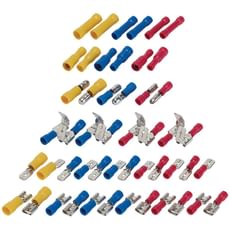
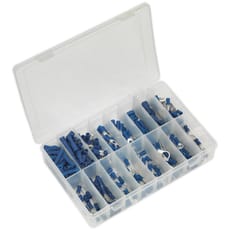
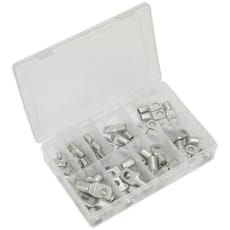
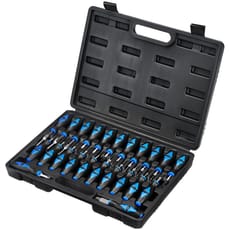
Loading...
End of content
Error - No more pages to load
About Crimping Terminals
Crimping terminals are essential electrical connectors that create secure, permanent connections between wires and electrical equipment across automotive, industrial, domestic and marine applications. These small but vital components work by mechanically compressing a metal barrel onto a stripped wire conductor, forming a gas-tight connection that's both electrically sound and mechanically robust. Available in numerous configurations including ring terminals, spade terminals, butt connectors, bullet connectors and wire ferrules, crimping terminals provide a faster, more consistent alternative to soldering whilst delivering professional results across multiple connections.
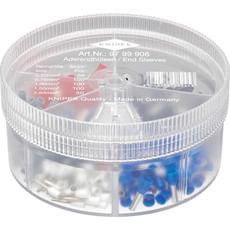
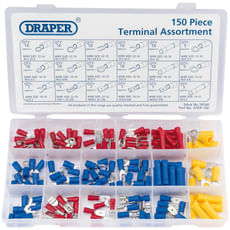
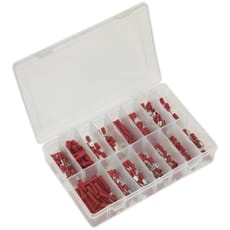
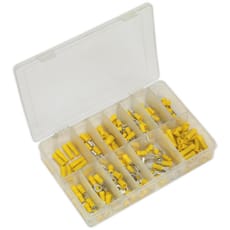
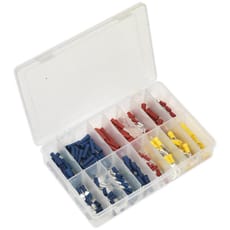
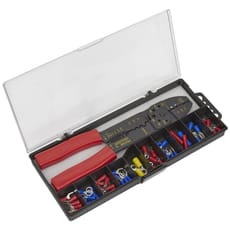
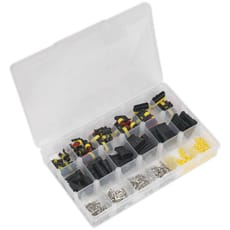
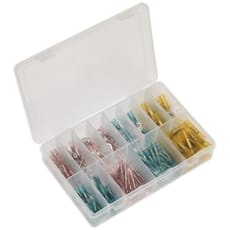
The comprehensive selection at Tooled-Up.com includes insulated terminals with colour-coded sleeves for easy wire gauge identification, non-insulated terminals for compact installations, heat shrink terminals for weatherproof sealing, and specialist automotive connectors such as Superseal systems. Leading brands including Sealey, Draper and Knipex supply terminals in convenient assortment kits containing hundreds of pieces across various sizes and types. Terminals are typically colour-coded by wire gauge following industry standards: red for 0.5-1.5mm² cables, blue for 1.5-2.5mm², and yellow for 4-6mm² conductors, ensuring tradespeople and DIY enthusiasts select the correct component every time.
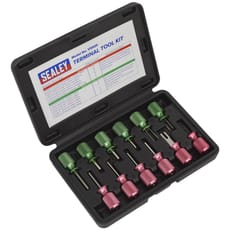
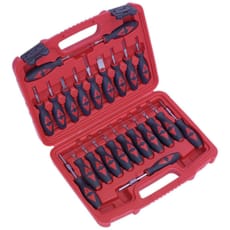
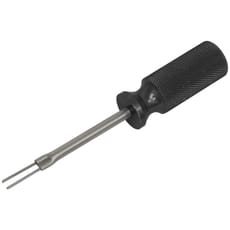
Professional-grade terminals feature robust copper or brass construction with tin plating to resist corrosion and maintain excellent conductivity over time. Whether you're wiring vehicle electrical systems, assembling control panels, installing domestic circuits, or maintaining agricultural machinery, having quality crimping terminals to hand ensures safe, durable connections that comply with UK electrical standards. Many comprehensive assortments also include terminal removal tools, essential for servicing existing connections without damaging delicate wires or connector housings during repair work.
Jargon Buster
- Crimp Terminal: A connector that attaches to a wire end by mechanically compressing (crimping) the terminal barrel onto the stripped conductor, creating a gas-tight connection that's both electrically sound and mechanically secure without requiring solder or heat.
- Wire Gauge/mm²: The size classification of electrical wire. In the UK, we typically use metric measurements (mm²) indicating the cross-sectional area of the conductor. Terminals are colour-coded to match specific wire sizes – red (0.5-1.5mm²), blue (1.5-2.5mm²), yellow (4-6mm²).
- Insulated vs Non-Insulated: Insulated terminals feature a colour-coded plastic or nylon sleeve covering the crimp barrel, providing electrical insulation and strain relief. Non-insulated terminals are bare metal, offering a smaller profile but requiring additional protection like heat shrink tubing.
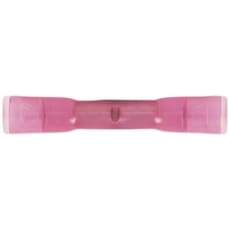
- Heat Shrink Terminal: A terminal with an integrated heat-shrink sleeve containing adhesive. When heated with a heat gun, the sleeve shrinks tightly around the wire, creating a waterproof, environmentally sealed connection ideal for automotive, marine and outdoor applications.
- Wire Ferrule: A metal tube crimped onto stranded wire ends before insertion into terminal blocks or other connectors. Ferrules prevent wire strand fraying and ensure reliable contact in screw-type terminals, particularly important in control panel and industrial applications.
- Superseal Connector: A popular weatherproof automotive connector system featuring interlocking male and female housings with individual terminals. Widely used in vehicle electrics and agricultural equipment for reliable connections in harsh environments exposed to moisture, vibration and temperature extremes.
Who Uses Crimping Terminals?
- Auto Electricians: Installing and repairing vehicle electrical systems, lighting circuits, ECU connections and automotive accessories
- Domestic Electricians: Wiring consumer units, lighting circuits, appliance connections and distribution boards
- Industrial Electricians: Assembling control panels, maintaining factory electrical systems and servicing production machinery
- Marine Engineers: Creating corrosion-resistant electrical connections on boats, yachts and marine equipment
- Agricultural Engineers: Repairing farm machinery electrical systems, tractor wiring and agricultural equipment
- Caravan and Motorhome Technicians: Installing and maintaining 12V electrical systems, leisure batteries and accessories
- Electronics Hobbyists: Building custom electronics projects, automotive modifications and DIY electrical installations
- Maintenance Engineers: Servicing industrial equipment, plant machinery and electrical systems across manufacturing sectors
- Plant Fitters: Installing and maintaining construction equipment electrics, hydraulic systems and site machinery
- DIY Enthusiasts: Home electrical projects, car modifications, workshop installations and general repair work
How to Choose the Right Crimping Terminals
Wire Size Compatibility: The most critical factor is matching the terminal to your wire gauge. Check the wire cross-sectional area (mm²) and select the corresponding colour-coded terminal. Using incorrectly sized terminals results in poor connections that may overheat, cause voltage drops or fail completely. Most assortments from brands like Sealey and Draper clearly label the wire size range for each terminal type included in the kit.
Terminal Type and Application: Consider what you're connecting. Ring terminals work excellently for bolted connections like earth points and battery terminals, spade terminals suit push-on connections on relays and switches, whilst butt connectors join two wires end-to-end. For automotive work, weatherproof Superseal or adhesive-lined heat shrink terminals provide superior protection against moisture, road salt and vibration.
Insulated vs Non-Insulated: Insulated terminals are safer for exposed connections and reduce the risk of short circuits, making them ideal for automotive and general electrical work. Non-insulated terminals offer a more compact profile and are typically used where additional insulation will be applied or in enclosed terminal blocks where space is limited.
Material Quality: Professional-grade terminals use electrolytic copper with tin plating for excellent conductivity and corrosion resistance. Budget terminals may use brass, which is adequate for many applications but less conductive. For marine or outdoor applications, prioritise marine-grade or heat shrink terminals with superior weather protection and corrosion resistance.
Assortment vs Individual Types: For occasional users or varied work, comprehensive assortments available at Tooled-Up offer excellent value and ensure you have the right terminal to hand when needed. Professional auto electricians often purchase specific terminal types in bulk quantities for their most common applications, whilst maintenance engineers benefit from diverse assortments covering multiple scenarios.
Compatibility with Crimping Tools: Ensure your crimping tool is designed for the terminal style you're using. Insulated terminals require different crimping dies than non-insulated ones. Wire ferrules need specific ferrule crimpers like those from Knipex. Some comprehensive assortments include compatible crimping tools, ideal for those starting out or occasional users.
Popular Accessories
- Crimping Tools: Ratcheting crimpers from Knipex, Sealey or Draper ensure consistent, professional crimp quality every time
- Wire Strippers: Automatic wire strippers speed up preparation and prevent conductor damage during cable preparation
- Heat Guns: Essential for activating heat shrink terminals and creating weatherproof seals on automotive connections
- Terminal Removal Tools: Specialised tools for extracting terminals from connector housings without damaging pins or wires
- Heat Shrink Tubing: Additional insulation and strain relief for non-insulated terminals and cable protection
- Electrical Tape: For securing and insulating completed connections in automotive and domestic applications
- Wire Cutters: Precision cutting tools from brands like Knipex or Bahco for clean cable preparation
- Cable Ties: Organising and securing wire harnesses after termination for professional installations
- Multimeters: Testing continuity and verifying connections are electrically sound before energising circuits
- Terminal Block Connectors: Mounting blocks for creating distribution points using ferrule-terminated wires in control panels
Safety Information
Electrical Isolation: Always isolate electrical circuits before working on any connections. For mains voltage work (240V), ensure the circuit is dead using a voltage tester before commencing. Automotive work requires battery disconnection to prevent accidental short circuits, sparks and potential fires, particularly when working near fuel systems.
Correct Crimping Technique: Poorly crimped terminals can overheat, cause voltage drops, or fail completely, potentially leading to fires or equipment damage. Always use the correct crimping tool for the terminal type and ensure the crimp is firm but hasn't damaged the conductor strands. Pull-test completed crimps to verify mechanical security before installation.
Wire Preparation: Strip wire insulation to the correct length – too much exposed conductor creates short circuit risks, whilst too little prevents proper crimping and reduces connection strength. Ensure all wire strands are captured within the terminal barrel and none are frayed or exposed outside the crimp area.
Environmental Considerations: Use appropriately rated terminals for the environment. Standard insulated terminals are unsuitable for constant outdoor exposure or submersion. Marine and automotive applications require heat shrink or fully sealed connector systems to prevent corrosion and connection failure from moisture ingress.
Load Capacity: Ensure terminals and wire gauge are appropriately rated for the current load. Undersized connections will overheat and potentially cause fires or equipment damage. When in doubt, consult BS 7671 wiring regulations or seek guidance from a qualified electrician for mains voltage applications.
Frequently Asked Questions
What's the difference between insulated and non-insulated terminals?
Insulated terminals feature a colour-coded plastic or nylon sleeve covering the crimp barrel, providing electrical insulation and strain relief whilst also indicating the wire gauge they accept. Non-insulated terminals are bare metal, offering a more compact profile but requiring additional insulation such as heat shrink tubing. Insulated terminals are generally safer and more convenient for automotive and general electrical work, whilst non-insulated terminals are typically used in enclosed terminal blocks or where space is limited.
Can I reuse a crimping terminal or remove it from a wire?
No, crimping terminals are designed for single-use only. The crimping process permanently deforms the metal to create a gas-tight connection, and attempting to remove or reuse a terminal will damage both the terminal and the wire conductor. If you need to remake a connection, cut off the old terminal, strip fresh wire, and use a new terminal. This ensures electrical integrity and safety.
Do I need a special tool to crimp terminals, or can I use pliers?
Whilst it's physically possible to compress terminals with ordinary pliers, this rarely creates a reliable connection and is not recommended. Proper crimping tools feature shaped dies that compress the terminal evenly, creating a mechanically secure and electrically sound connection. Ratcheting crimpers prevent release until the crimp cycle is complete, ensuring consistent quality. For professional results and safety, always use the correct crimping tool for your terminal type.
What do the different terminal colours mean?
Terminal colour coding indicates the compatible wire size: red terminals suit 0.5-1.5mm² wire, blue terminals fit 1.5-2.5mm² wire, and yellow terminals accommodate 4-6mm² wire. Some manufacturers also produce other colours for larger gauges. This standardised colour system helps quickly identify the correct terminal for your application and ensures proper electrical and mechanical performance. Always verify the wire size markings on terminal packaging rather than relying solely on colour.
Are heat shrink terminals worth the extra cost?
For automotive, marine, or outdoor applications, heat shrink terminals are definitely worthwhile. They create a waterproof, environmentally sealed connection that resists corrosion, moisture ingress, and vibration far better than standard insulated terminals. The adhesive-lined heat shrink sleeve bonds to both the wire insulation and terminal, providing excellent strain relief. Whilst more expensive than basic terminals, they significantly improve connection reliability in harsh environments and reduce callback repairs.