

Cross Pein Hammers

Pay in 3 interest-free payments on purchases from £20-£3000 with  . Learn more.
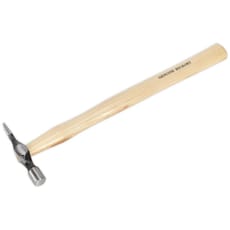
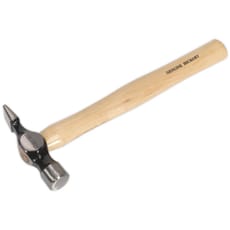
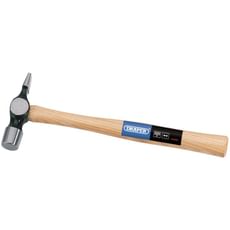
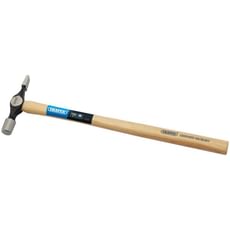
 Loading...
End of content
Error - No more pages to load
About Cross Pein Hammers
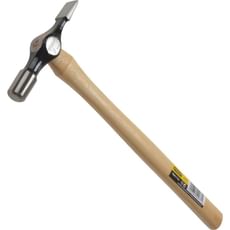
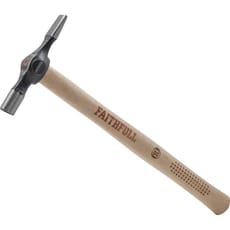
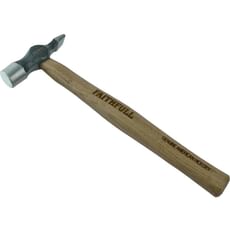
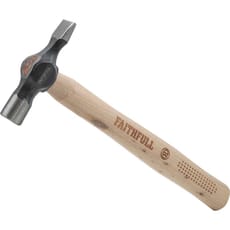
Cross pein hammers are specialist hand tools distinguished by their wedge-shaped pein that runs perpendicular to the handle, offering unmatched precision for metalworking, joinery, and fine carpentry applications. Unlike conventional claw hammers with their flat striking face and nail extraction claw, these hammers feature a secondary tapered striking surface ideal for starting small fixings in confined spaces and shaping metal components. The cross pein design enables tradespeople to hold a panel pin between their fingers whilst tapping it into position with the narrow pein, then switching to the main strike face for final driving—a technique that's fundamental to quality joinery work.
The selection at Tooled-Up.com encompasses models from established manufacturers including Stanley, Faithfull, Draper, Sealey, and Hultafors, catering to both professional tradespeople and dedicated DIY enthusiasts. Available in various weights ranging from lightweight 4oz pin hammers for delicate work through to robust 16oz joiners' hammers for demanding workshop applications, these tools are engineered for durability and comfort during extended use. Handle options include traditional FSC hickory for superior shock absorption, modern fibreglass for enhanced durability, and composite materials designed to reduce vibration transmission.
Whether you're setting panel pins in cabinet work, shaping metal components, starting small nails in awkward positions, or undertaking furniture assembly, a quality cross pein hammer delivers the precision and control that standard hammers cannot match. Many professional joiners and cabinet makers consider these hammers indispensable, particularly the Warrington pattern which has remained a workshop staple for generations. The combination of a properly balanced head, comfortable handle, and correctly hardened striking faces ensures consistent performance across countless applications where accuracy and a clean finish are paramount.
Jargon Buster
- Cross Pein: The wedge-shaped striking face running perpendicular to the handle, used for starting small nails, shaping metal, and accessing confined spaces where the main face cannot reach effectively.
- Warrington Hammer: A specific type of cross pein hammer popular with joiners and cabinet makers, featuring a gently curved cross pein and typically weighing between 8-16oz. The pattern originates from the Warrington area where this design was traditionally manufactured.
- Pin Hammer: A lighter weight cross pein hammer (usually 4-8oz) specifically designed for driving panel pins, veneer pins, and other small fixings with precision and control, ideal for picture framing and delicate assembly work.
- Drop-Forged Head: Manufacturing process where hammer heads are shaped under extreme pressure whilst the metal is hot, creating superior grain structure and exceptional durability compared to cast alternatives.
- Hickory Handle: Traditional hammer handle material prized for its natural shock-absorbing properties, flexibility, and comfortable feel. FSC-certified hickory remains the preferred choice for many professional tradespeople despite modern alternatives.
- Strike Face: The main flat or slightly crowned circular surface of the hammer head used for driving nails and general striking operations. Should be kept clean and free from mushrooming for optimal performance.
Who Uses Cross Pein Hammers?
Cross pein hammers are indispensable tools across numerous trades and applications:
- Joiners and Cabinet Makers: For assembling furniture, setting panel pins, and fine carpentry work requiring precision and clean finishes
- Metalworkers and Blacksmiths: Shaping, forming, planishing and riveting metal components with controlled strikes
- Picture Framers: Driving small pins and brads without damaging delicate mouldings or decorative finishes
- Upholsterers: Securing fabric and trim with tacks and small fixings in furniture restoration and manufacturing
- Carpenters and Chippies: Starting nails in tight corners, detailed trim work, and second-fix applications
- Model Makers: Precision assembly work where control and delicate striking are paramount
- Jewellers and Silversmiths: Fine metalworking, detail shaping, and setting small components
- Restoration Specialists: Working with antique furniture and delicate historic pieces requiring period-appropriate techniques
- Shopfitters: Installing display units, trim work, and precision fixing in retail environments
- DIY Enthusiasts: General household repairs, craft projects, furniture assembly, and home improvement tasks
How to Choose the Right Cross Pein Hammers
Weight and Size: Pin hammers (4-8oz) suit delicate work with small pins and brads, whilst standard joiners' hammers (10-16oz) offer versatility for general woodworking and metalworking. Heavier models provide more driving force but less control for precision tasks. Consider the typical scale of your projects—cabinet makers often prefer lighter weights around 8-12oz, whilst general joiners may opt for 12-16oz for broader applications.
Handle Material: Traditional hickory handles offer excellent shock absorption and a comfortable, familiar feel appreciated by many professional tradespeople. Fibreglass and composite handles provide enhanced durability, resistance to weathering, and reduced maintenance requirements. Steel shaft hammers with rubber grips maximise durability but may transmit more vibration during extended use. FSC-certified hickory represents the sustainable choice for environmentally conscious buyers.
Head Material and Hardening: Quality hammers available from Tooled-Up feature drop-forged, heat-treated steel heads for optimal durability and reduced mushrooming. The strike face should be properly hardened to resist deformation whilst the pein requires precise shaping for effective nail starting and metalworking. Look for polished heads with lacquer coatings for rust protection, particularly if working in damp workshop environments.
Handle Length and Grip: Longer handles provide greater striking force through increased leverage but reduced precision, whilst shorter handles offer superior control in confined spaces. Consider grip comfort for extended use, particularly if undertaking repetitive tasks. Sanded and lacquered handles provide a secure grip without causing blisters during prolonged work sessions.
Brand Reputation: Established manufacturers like Stanley, Faithfull, Draper, Sealey, and Hultafors provide proven reliability and quality assurance. Professional-grade tools from these brands typically feature superior materials, better balance, and longer service life compared to budget alternatives. Many tradespeople find that investing in quality hammers pays dividends through years of reliable service.
Popular Accessories
- Nail Sets and Punches: For sinking nail heads below the surface without damaging surrounding material, essential for achieving professional finishes
- Tool Belts and Pouches: Convenient storage and easy access to your hammer on site, particularly useful for second-fix carpentry
- Replacement Handles: Hickory and fibreglass handles for refurbishing existing hammer heads and extending tool life
- Panel Pins and Veneer Pins: Small fixings specifically designed for use with cross pein hammers in joinery applications
- Metalworking Stakes and Anvils: Supporting surfaces for shaping and forming metal when using the cross pein
- Safety Glasses: Essential eye protection when striking metal or working with fixings that may shatter or produce fragments
- Work Gloves: Protection and improved grip during extended use, reducing fatigue and preventing blisters
- Magnetic Nail Holders: Useful accessory for starting small nails single-handed in awkward positions
- Engineers Files: For maintaining strike faces and removing any mushrooming that develops over time
- Linseed Oil: For treating and preserving hickory handles, preventing drying and splitting
Safety Information
Safe hammer use is essential to prevent injury and ensure optimal tool performance. Always wear appropriate eye protection when striking metal surfaces or fixings, as fragments can become dangerous projectiles. Inspect your hammer before each use, checking for loose heads, split handles, or damaged striking faces that could cause accidents. A loose head can detach during use with potentially serious consequences.
Ensure proper grip technique with your hand positioned near the handle end for maximum control and leverage. Never strike hardened steel surfaces with excessive force, as this can cause the hammer face to chip or mushroom, creating sharp edges that pose injury risks. When working overhead or in confined spaces, maintain awareness of your surroundings and the swing path to avoid striking unintended objects or injuring colleagues.
Replace damaged handles immediately rather than attempting temporary repairs, as handle failure during use can result in serious injury to yourself or others nearby. Store hammers in dry conditions to prevent handle deterioration and rust formation on metal surfaces. Follow HSE guidelines for hand tool use on construction sites and in professional workshops. If mushrooming develops on the pein or strike face, dress it back with an engineers file before continued use to prevent metal fragments breaking away during striking operations.
Frequently Asked Questions
What's the difference between a cross pein hammer and a Warrington hammer?
A Warrington hammer is actually a specific type of cross pein hammer, distinguished by its gently curved pein and traditional weight range (typically 8-16oz). The term "Warrington" refers to the traditional pattern developed in that area of England. All Warrington hammers are cross pein hammers, but not all cross pein hammers follow the Warrington pattern—some feature straighter peins or different head profiles suited to metalworking rather than joinery.
Can I use a cross pein hammer for general DIY tasks?
Absolutely. Cross pein hammers are versatile tools suitable for numerous household tasks including furniture assembly, picture hanging, and general repairs. The cross pein proves particularly useful for starting nails in awkward positions where a standard hammer face cannot reach. However, for heavy-duty demolition, large framing nails, or nail extraction, a claw hammer remains more appropriate due to its nail-pulling functionality and more substantial striking face.
What weight cross pein hammer should I buy?
For general joinery and woodworking, a 12-16oz hammer offers excellent versatility across most applications. If you're primarily working with small pins and delicate materials like picture frames or model making, an 8oz pin hammer provides better control and reduces the risk of splitting timber. Professional tradespeople often own multiple weights for different applications. Consider starting with a mid-weight option around 12oz for the broadest range of uses.
How do I maintain my cross pein hammer?
Keep the striking faces clean and free from oil or debris that could cause slippage or inaccurate strikes. Hickory handles benefit from occasional treatment with linseed oil to prevent drying and splitting, particularly in heated workshops. Store in dry conditions and check regularly for loose heads—wedges can be tightened if minor movement develops. Remove any burrs or mushrooming from the pein and strike face using an engineers file to maintain safe, effective operation and prevent metal fragments.
Why do joiners prefer cross pein hammers over claw hammers?
The cross pein design excels at starting small pins and brads in confined spaces, which is fundamental to fine joinery work. The narrow pein allows you to hold a small nail between your fingers whilst tapping it into position, then switch to the main face for final driving once the nail is started. This precision and control is essential for cabinet making and furniture assembly where accuracy matters and visible hammer marks are unacceptable. The lack of a claw also provides better balance for controlled striking.