

Crow Bars

Pay in 3 interest-free payments on purchases from £20-£3000 with  . Learn more.

 Loading...
End of content
Error - No more pages to load
About Crow Bars
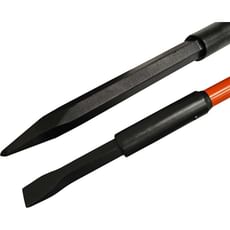
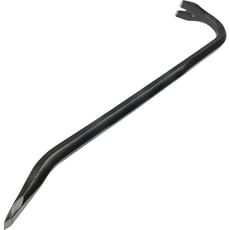
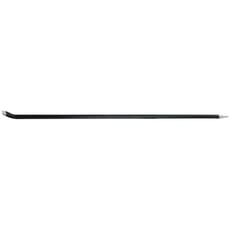
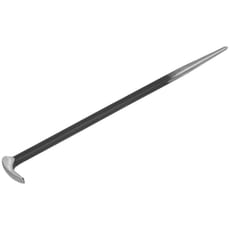
Crow bars are indispensable heavy-duty hand tools engineered for demolition, dismantling, prying, and lifting tasks across construction sites, renovation projects, and maintenance operations. Also referred to as wrecking bars or pry bars, these robust steel implements deliver the mechanical advantage needed to extract stubborn nails, separate timber joints, lift floorboards, dismantle pallets, and break apart resistant materials. From full-scale demolition contracts to simple skirting board removal, a properly selected crow bar proves essential for both professional tradespeople and dedicated DIY enthusiasts tackling structural work.
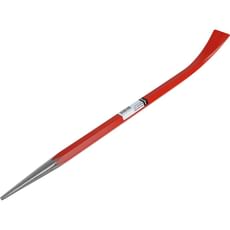
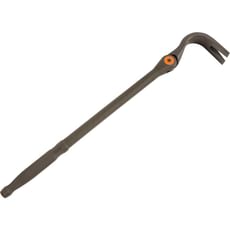
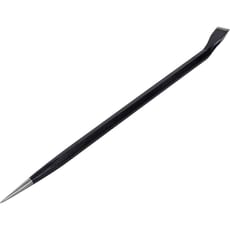
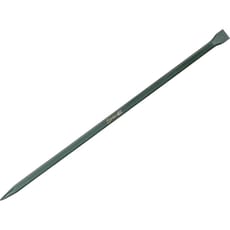
Available in diverse configurations including chisel-end, pointed-end, and double-ended designs, crow bars range from compact 300mm models suited to confined spaces through to substantial 1800mm wrecking bars for heavy-duty applications. Contemporary crow bars feature heat-treated, drop-forged steel construction delivering exceptional strength and resistance to bending under extreme loads. Many models incorporate insulated handles or full-body insulation for compliance with electrical work safety requirements, with testing to 1000V for protection near live installations.
The selection at Tooled-Up.com encompasses traditional crow bars, specialist pinch bars for precision dismantling, comprehensive demolition bar sets offering versatile configurations, and fully insulated models meeting IEC 60900 standards for electrical safety. Leading manufacturers including Bulldog, Draper, Roughneck, Bahco, Faithfull, and Hultafors produce crow bars to exacting specifications, ensuring reliable performance throughout demanding site conditions. From the nimble Hultafors 108 Series wrecking bars favoured by joiners to heavy-duty Roughneck demolition bars trusted by professional demolition contractors, the range covers every prying, lifting, and wrecking requirement.
Jargon Buster
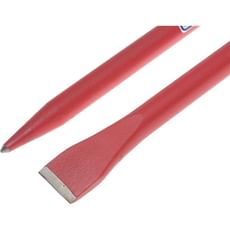
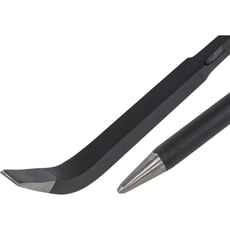
- Chisel End: A flat, bevelled tip specifically designed for prying between surfaces, scraping, and accessing tight joints. Particularly effective for removing skirting boards, architraves, and separating timber components with minimal damage to surrounding materials.
- Pointed End (Claw End): A tapered, pointed tip engineered for initiating leverage in restricted spaces, extracting nails, and penetrating materials. The concentrated point focuses force into a smaller contact area for maximum penetration capability.
- Drop-Forged Steel: A manufacturing process where heated steel undergoes shaping under extreme hammering pressure, creating denser material with enhanced grain structure. Drop-forged crow bars offer superior strength and resistance to bending or fracturing under heavy loads compared to cast alternatives.
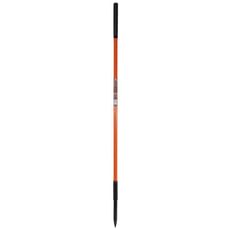
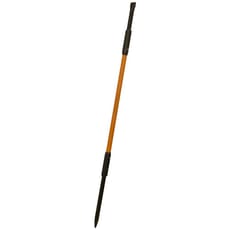
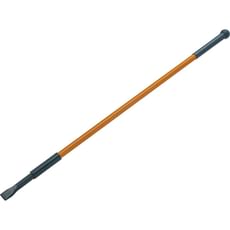
- Fully Insulated: Crow bars featuring non-conductive handles and shafts tested to 1000V, providing critical protection when working near or around live electrical installations. These tools comply with IEC 60900 standards and prove essential for electricians and electrical maintenance personnel.
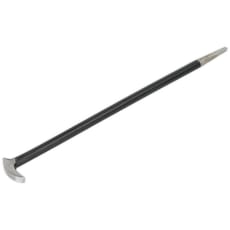
- Pinch Bar: A specialised crow bar variant featuring an ultra-narrow, pointed tip designed for precision prying and accessing extremely confined spaces. Commonly employed in masonry work, window installation, and delicate dismantling operations requiring controlled force application.
- Wrecking Bar: Heavy-duty crow bars typically exceeding 600mm in length, engineered specifically for demolition applications. These substantial tools feature increased cross-sections delivering maximum leverage and resistance to bending during aggressive prying operations.
Who Uses Crow Bars?
Crow bars serve as essential tools across numerous trades and applications:
- Builders and General Contractors – demolition work, formwork removal, and general construction tasks
- Carpenters and Joiners – removing architraves, skirting boards, floorboards, and dismantling timber structures
- Electricians – using insulated models when working near electrical installations and removing cable trunking
- Roofers – stripping old roofing materials, removing battens, and dismantling roof structures
- Demolition Contractors – heavy-duty wrecking and structural dismantling operations
- Maintenance Engineers – equipment dismantling, crate opening, and general facility maintenance
- Landscapers – removing paving slabs, extracting fence posts, and breaking up compacted materials
- Decorators – removing old trim work, pulling nails, and preparing surfaces for renovation
- DIY Enthusiasts – home renovation projects, garden improvements, and general household maintenance
- Shop Fitters – dismantling existing fixtures and fittings during retail refurbishment projects
How to Choose the Right Crow Bars
Length and Leverage: Crow bar length directly determines leverage capability and working versatility. Compact 300-450mm bars suit confined spaces and light prying tasks, whilst 600-900mm models offer balanced versatility for general construction use. Heavy demolition work demands 1200mm and longer wrecking bars for maximum mechanical advantage. Consider your typical applications and working environment constraints when selecting appropriate length.
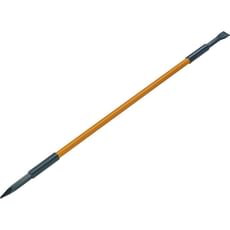
End Configuration: Chisel-end crow bars excel at prying between surfaces and removing trim with minimal collateral damage. Pointed ends provide superior penetration for initiating leverage and nail extraction. Double-ended models combining both configurations offer maximum versatility across diverse tasks, whilst specialist pinch bars feature ultra-narrow tips for precision work in restricted spaces.
Material and Construction: Quality crow bars utilise drop-forged, heat-treated steel for exceptional strength and durability under extreme stress. Seek models with substantial cross-sections that resist bending under heavy loads. Professional-grade tools from manufacturers like Bulldog, Faithfull, and Hultafors feature superior metallurgy and finish quality compared to economy alternatives, justifying investment through extended service life.
Insulation Requirements: When working near electrical installations, fully insulated crow bars tested to 1000V prove essential for HSE compliance and personal safety. These tools feature non-conductive coatings or handles meeting IEC 60900 standards. Even when not working directly with live circuits, insulated tools provide valuable safety margins on construction sites where hidden services may exist.
Handle Design: Ergonomic handle designs with cushioned grips reduce hand fatigue during extended use and improve control during precision prying operations. Some models incorporate striking surfaces allowing hammer blows to drive the bar deeper. Consider handle comfort particularly for repetitive dismantling work involving sustained force application.
Brand Reputation: Established manufacturers like Draper, Roughneck, Sealey, and Bahco offer proven reliability backed by comprehensive warranties. Professional tradespeople typically favour quality brands that withstand daily site abuse and deliver consistent performance, whilst DIY users may find mid-range options perfectly adequate for occasional use.
Popular Accessories
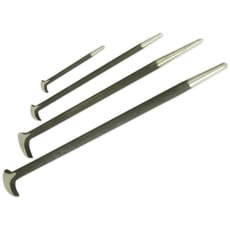
- Demolition Bar Sets – multi-piece collections providing various lengths and configurations for comprehensive dismantling capability
- Lump Hammers and Club Hammers – for striking crow bars to increase penetration and breaking force
- Nail Pullers – specialist tools for cleanly extracting nails once loosened by crow bar leverage
- Protective Work Gloves – essential for hand protection when applying force and handling sharp, rusty materials
- Safety Glasses and Goggles – protecting eyes from flying debris during demolition and prying operations
- Tool Belts and Pouches – convenient carrying solutions keeping crow bars accessible on site
- Reciprocating Saws – complementary power tools for cutting through stubborn fixings and materials
- Bolster Chisels – for precise cutting work alongside prying operations
- Pry Bar Sets – smaller precision prying tools for delicate work
- Cable Detectors – essential safety equipment for locating hidden services before demolition work
Safety Information
Crow bars generate substantial force and require appropriate safety precautions during operation. Always wear protective gloves to prevent hand injuries from slipping or contact with sharp edges, rusty nails, and splinters. Safety glasses or goggles prove essential as prying operations frequently release flying debris, nails, and material fragments at eye level.
Inspect crow bars before each use for damage, cracks, or deformation that could cause sudden failure under load. Never use damaged tools or attempt repairs to fractured bars – replacement represents the only safe option. Ensure stable footing and balanced body position when applying force, as crow bars releasing suddenly can cause falls or impact injuries. When working near electrical installations, only use fully insulated crow bars tested to 1000V and ensure circuits are isolated where possible.
Always check for hidden services including electrical cables, gas pipes, and water mains before driving crow bars into walls, floors, or structural elements. HSE guidance recommends using cable detectors and checking building plans before demolition work commences. When working at height, secure crow bars to prevent dropping, and establish exclusion zones below demolition areas to protect others from falling materials.
Apply force smoothly and progressively rather than jerking or bouncing the bar, which can cause loss of control or tool failure. Position hands well away from pinch points where materials may suddenly shift or collapse. When using hammers to drive crow bars, wear hearing protection and ensure bystanders maintain safe distances from the working area to prevent injury from flying debris or tool movement.
Frequently Asked Questions
What's the difference between a crow bar and a wrecking bar?
The terms are often used interchangeably, though wrecking bars typically refer to heavier-duty models exceeding 600mm in length, specifically designed for demolition work with substantial cross-sections for maximum strength. Traditional crow bars encompass the full range from compact prying tools to heavy demolition bars. Functionally, both serve similar purposes of prying, lifting, and dismantling, with terminology varying regionally across UK construction sites.
Do I need an insulated crow bar for all electrical work?
Fully insulated crow bars tested to 1000V are essential when working near or around live electrical installations, providing critical protection against electric shock. Even when circuits are isolated, insulated tools offer an additional safety margin against accidentally contacting live conductors or concealed wiring. For general construction work away from electrical systems, standard non-insulated crow bars are perfectly adequate and often more economical.
What length crow bar should I choose for general DIY use?
A 600-750mm crow bar with double-ended configuration (chisel and point) offers excellent versatility for most home renovation and DIY projects. This length provides sufficient leverage for removing skirting boards, lifting floorboards, and general dismantling work whilst remaining manageable in typical domestic spaces. Consider a shorter 450mm model if working predominantly in confined spaces or a longer bar for heavy demolition tasks.
Can crow bars be sharpened or maintained?
Yes, crow bar ends can be resharpened using a bench grinder or angle grinder to restore optimal performance after prolonged use. Maintain the original bevel angle and avoid overheating the steel, which can affect temper and strength. Periodically clean bars to remove rust and debris, applying a light oil coating for storage. However, never attempt to repair bent, cracked, or damaged crow bars – replace them immediately to prevent dangerous failures under load.
Are expensive branded crow bars worth the investment?
For professional tradespeople using crow bars daily, premium brands like Hultafors, Bahco, and Faithfull offer superior metallurgy, better balance, and enhanced durability that justify higher costs through extended service life and improved performance. DIY users tackling occasional projects may find mid-range options from Draper, Roughneck, or Bulldog provide excellent value whilst still delivering reliable quality. Very cheap unbranded crow bars often use inferior steel that bends or breaks under heavy loads, potentially compromising both safety and project efficiency.