

Cup Wheels

Pay in 3 interest-free payments on purchases from £20-£3000 with  . Learn more.
 Loading...
End of content
Error - No more pages to load
About Cup Wheels
Cup wheels are specialist grinding attachments designed to fit angle grinders and other rotary power tools, providing aggressive material removal and surface preparation across a wide range of applications. Available in both abrasive and diamond configurations, these essential accessories are indispensable for tradespeople working with concrete, stone, masonry, metal, and even wood. The distinctive cup-shaped design allows the entire working surface to make contact with the material, delivering faster grinding action and more consistent results than standard grinding discs.
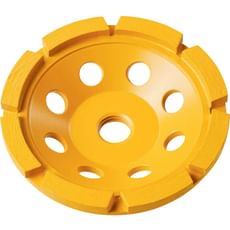
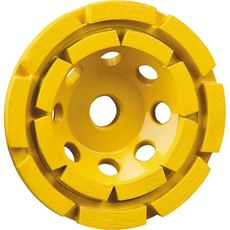
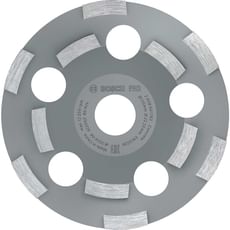
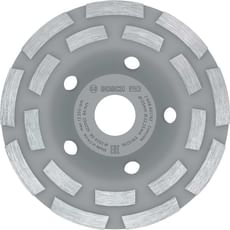
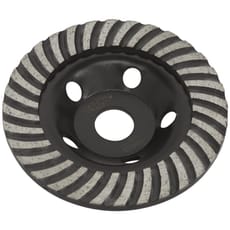
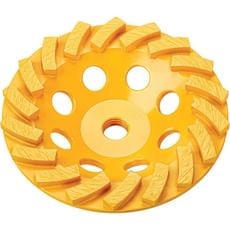
Diamond cup wheels feature industrial-grade diamond segments bonded to a steel cup base, making them ideal for grinding concrete, brick, natural stone, and other masonry materials. The diamond particles provide exceptional durability and cutting performance, with different segment patterns optimised for specific tasks – turbo designs for faster material removal, single row for precision work, and double row configurations for maximum grinding speed. For metalwork and softer materials, abrasive cup wheels use synthetic grinding compounds that wear away during use, constantly exposing fresh abrasive particles for consistent performance.
Whether you're preparing concrete floors for coating, removing old render, smoothing welded joints, or shaping timber, selecting the correct cup wheel specification ensures efficient work and professional results. The range at Tooled-Up.com includes comprehensive selections from leading manufacturers such as Bosch Professional, DeWalt, and Sealey, covering 115mm and 125mm diameters to suit standard angle grinders, with specialised formulations engineered for different material types and working conditions.
Jargon Buster
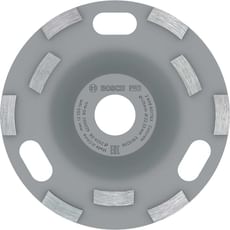
- Diamond Segments: The raised sections containing industrial diamond particles bonded to the cup wheel base. These can be arranged in various patterns including turbo (continuous wave pattern for fast grinding), single row (one ring of segments for precision), and double row (two rings for aggressive material removal).
- Turbo Row Design: A diamond cup wheel configuration featuring a continuous serrated or wave-pattern segment that combines the grinding efficiency of segmented designs with smoother operation and reduced vibration during use.
- Arbor Size: The diameter of the central mounting hole, typically 22.23mm (also written as M14) for angle grinders sold in the UK market. This standardised fitting ensures compatibility across different manufacturers' power tools.
- Grit Rating: For abrasive cup wheels, this number indicates the coarseness of the grinding compound – lower numbers (24-40) provide aggressive material removal, whilst higher numbers (60-120) deliver finer surface finishes.
- Bond Type: The material securing diamond particles or abrasive compounds to the cup wheel base. Softer bonds wear faster, exposing fresh cutting surfaces for harder materials, whilst harder bonds provide extended life when grinding softer materials.
- Grinding Head: Another term for cup wheels, particularly common when referring to diamond cup wheels used for concrete and masonry grinding. The term emphasises the tool's primary function of surface grinding rather than cutting.
Who Uses Cup Wheels?
- Groundworkers and Concreters: For grinding concrete slabs, removing trip hazards, and preparing surfaces for resin flooring or coating systems
- Stonemasons: Shaping natural stone, grinding stone worktops, and smoothing rough-cut edges on granite, marble, and limestone
- Bricklayers and Blocklayers: Removing mortar, grinding brickwork flush, and preparing masonry surfaces for pointing or rendering
- Welders and Fabricators: Smoothing welded joints, removing mill scale, preparing metal surfaces for painting, and blending weld seams
- Floor Fitters and Refinishers: Preparing concrete substrates, removing adhesive residues, and levelling uneven floor surfaces before installation
- Plasterers and Renderers: Removing old render, grinding back concrete repairs, and preparing substrates for new plaster or render applications
- Wood Carvers and Sculptors: Using specialised wood carving cup wheels for shaping timber, creating contoured surfaces, and artistic woodworking projects
- Restoration Specialists: Cleaning stonework, removing paint from masonry, and sympathetically restoring historic buildings
- DIY Enthusiasts: Home improvement projects including patio levelling, concrete repair, and general surface preparation tasks
How to Choose the Right Cup Wheels
Material Compatibility: The most critical selection factor is matching the cup wheel to your workpiece material. Diamond cup wheels are essential for concrete, stone, brick, and other masonry materials, whilst abrasive cup wheels suit metalwork. Specialised wood carving discs feature different tooth configurations for shaping timber safely. Using the wrong type not only delivers poor results but can create dangerous working conditions.
Diameter and Arbor Fitting: Cup wheels must match your angle grinder's specifications. The most common sizes in the UK are 115mm (4.5 inch) and 125mm (5 inch), with the standard arbor size being 22.23mm. Always verify compatibility before purchase, and ensure your grinder's maximum RPM rating exceeds the cup wheel's rated speed to prevent dangerous failures.
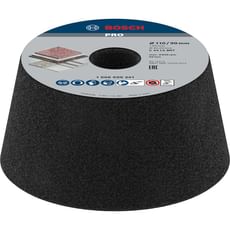
Segment Pattern and Configuration: For diamond cup wheels, turbo designs offer the fastest grinding with good debris clearance, making them ideal for general-purpose concrete work. Single row diamond wheels provide more controlled grinding for precision applications, whilst double row configurations deliver maximum aggression for heavy material removal. Abrasive cup wheels come in conical or flat profiles – conical designs access tight corners and internal angles more effectively.
Application Requirements: Consider the finish quality required and work volume expected. Premium diamond cup wheels from manufacturers like Bosch Expert range feature superior diamond quality and optimised bonding systems that maintain performance over extended use, justifying higher initial costs for professional tradespeople. For occasional DIY use or budget-conscious applications, standard-grade options still deliver satisfactory results.
Working Conditions: Wet or dry grinding capability affects product selection. Most diamond cup wheels perform optimally with water cooling, which reduces dust, extends wheel life, and improves grinding efficiency. However, many modern designs incorporate features enabling effective dry grinding when water use isn't practical on site. Always check manufacturer specifications and ensure adequate dust extraction when dry grinding.
Popular Accessories
- Angle Grinders: 115mm and 125mm corded or cordless models from Makita, DeWalt, Milwaukee, and Bosch to power your cup wheels
- Dust Shrouds: Extraction covers that connect to vacuum systems for compliant dust control during dry grinding operations
- Diamond Dressing Stones: For cleaning and re-exposing diamond segments when cup wheels become glazed or loaded with material
- Safety Guards: Replacement guards and adjustable guard systems ensuring proper protection during grinding operations
- Face Shields and Respirators: Essential PPE including full-face protection and FFP3-rated respiratory equipment for dust and debris protection
- Industrial Vacuum Extractors: M-class or H-class dust extractors meeting HSE requirements for silica dust control
- Backing Pads: Rubber backing pads that protect cup wheel threads and provide vibration dampening during operation
- Grinding Discs: Complementary flat grinding discs for different surface preparation tasks and finishing work
Safety Information
Cup wheel operations present significant hazards requiring strict safety protocols. Always wear appropriate PPE including safety glasses or face shields, hearing protection, sturdy gloves, and respiratory protection – particularly crucial when grinding concrete, stone, or masonry materials that generate respirable crystalline silica (RCS). Exposure to RCS causes serious lung diseases including silicosis, and the HSE strictly regulates dust control measures under COSHH regulations.
Ensure cup wheels are correctly fitted with the tool disconnected from power, tightening securely but avoiding over-torque that could damage the wheel or spindle thread. Never exceed the maximum RPM rating marked on the cup wheel, and always use the correct guard positioned between the operator and wheel. Before starting work, run the tool briefly at full speed whilst pointing away from yourself and others to verify secure mounting.
Implement adequate dust suppression using either water cooling (wet grinding) or on-tool extraction connected to suitable vacuum equipment meeting HSE guidance. Never use damaged, cracked, or excessively worn cup wheels, and inspect wheels before each use for damage. Allow cup wheels to reach full speed before contacting the workpiece, and avoid excessive pressure – let the wheel do the work. Maintain firm two-handed control of the grinder throughout operation, anticipating potential kickback if the wheel binds.
Be aware that freshly ground concrete and metal surfaces remain extremely hot and can cause burns. Keep bystanders clear of the working area, and ensure adequate ventilation when working indoors. Store cup wheels in dry conditions protecting the diamond segments or abrasive surfaces from impact damage.
Frequently Asked Questions
What's the difference between diamond and abrasive cup wheels?
Diamond cup wheels feature industrial diamond particles bonded to a steel cup and are specifically designed for grinding concrete, stone, brick, and masonry materials. They're significantly more expensive but offer exceptional durability on hard materials. Abrasive cup wheels use synthetic grinding compounds similar to standard grinding discs and are intended for metalwork, paint removal from metal, and softer materials. Using the wrong type results in poor performance and rapid wear.
Can I use cup wheels for removing paint or coatings from concrete?
Whilst diamond cup wheels can remove thin coatings during concrete grinding, they're not the most efficient choice for thick paint, epoxy, or resin removal. The coating material can quickly load the diamond segments, reducing effectiveness. For coating removal, consider starting with mechanical stripping methods or chemical removers, then use a diamond cup wheel for final surface preparation. Coarse-grit abrasive cup wheels work better for some coating types but generate significant dust requiring proper extraction.
How long should a diamond cup wheel last?
Service life varies enormously depending on material hardness, grinding pressure applied, wet or dry operation, and diamond quality. A premium Bosch Expert diamond cup wheel might grind 20-50 square metres of concrete under professional use, whilst budget options may achieve considerably less. Harder aggregates like granite wear diamonds faster than softer concrete. Using water cooling significantly extends life by reducing heat and friction. When segments wear down to approximately 2-3mm height, replacement becomes necessary for safety and performance.
Do I need different cup wheels for floor grinding versus vertical surfaces?
The same cup wheel can typically handle both applications, though technique differs. Floor grinding with an angle grinder is more physically demanding, often requiring a side handle for better control. For extensive floor work, consider hiring dedicated floor grinding machines designed for horizontal surfaces. Turbo row diamond cup wheels generally suit both applications well, providing good debris clearance regardless of orientation. The key difference is maintaining appropriate angles and pressure for effective grinding without excessive tool wear.
Are expensive branded cup wheels worth the extra cost?
For professional tradespeople grinding regularly, premium cup wheels from manufacturers like Bosch Professional, DeWalt, and specialist brands available at Tooled-Up deliver significantly better value through extended service life, faster material removal, and more consistent performance. The superior diamond quality and optimised bonding systems justify higher costs when calculated per square metre ground. For occasional DIY use or small projects, mid-range options provide adequate performance at lower initial investment. Avoid very cheap unbranded products which may feature poor-quality diamonds, inadequate bonding, or incorrect speed ratings creating safety hazards.