

Cut Resistant Gloves
Pay in 3 interest-free payments on purchases from £30-2000 with  . Learn more.
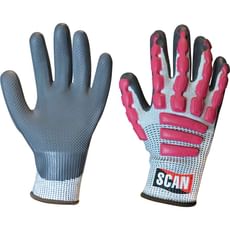
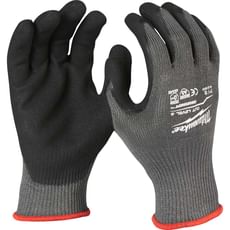
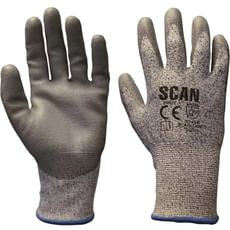
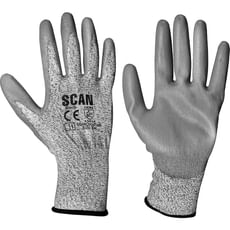
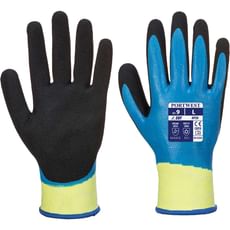
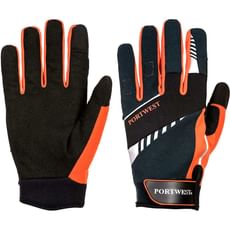
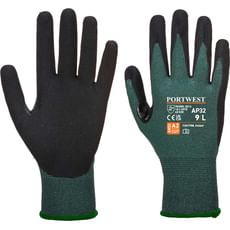
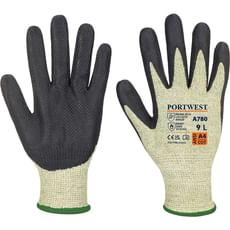
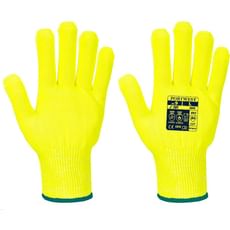
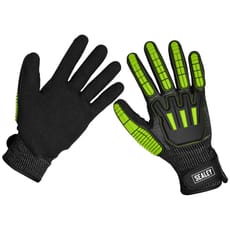
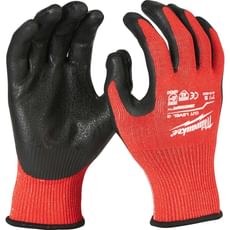
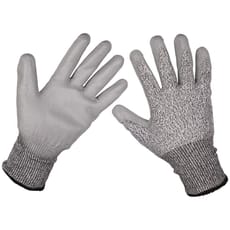
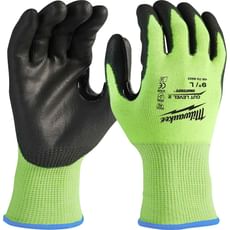
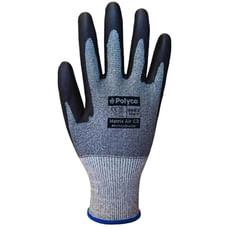
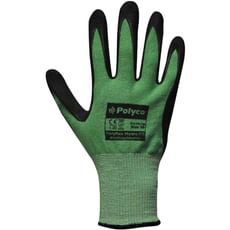
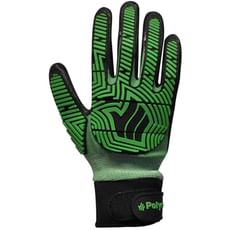
 Loading...
End of content
Error - No more pages to load
About Cut Resistant Gloves
Cut resistant gloves are specialist personal protective equipment engineered to safeguard hands from lacerations caused by sharp objects, blades, glass shards, metal edges, and other cutting hazards encountered across construction sites, workshops, and industrial environments. Unlike standard work gloves, these safety gloves incorporate advanced protective materials including high-performance polyethylene (HPPE), aramid fibres such as Kevlar, and stainless steel wire, woven into fabrics that create a protective barrier whilst maintaining the dexterity and tactile sensitivity essential for precision tasks. The specialist construction significantly reduces laceration risk without compromising hand mobility or comfort during extended wear.
The comprehensive selection at Tooled-Up.com features cut resistant gloves rated from Cut Level 1 through to Cut Level 7 under EN 388:2016 standards, enabling tradespeople and DIY enthusiasts to select appropriate protection matched precisely to their specific applications and risk assessments. The range includes trusted brands such as Milwaukee, Makita, Portwest, Polyco, Scan, Draper, and Sealey, offering diverse options including nitrile-dipped palms for enhanced grip in oily conditions, hi-visibility designs for improved site safety, winter-lined variants for cold weather work, and models with impact protection for comprehensive hand defence. Whether handling glass during glazing work, managing sharp metal components in fabrication, or operating cutting equipment on construction sites, there's a cut resistant glove engineered to deliver reliable protection.
Modern cut resistant gloves combine robust protective performance with ergonomic design features including seamless knit construction for comfort, breathable materials that prevent moisture build-up during extended wear, and precision sizing systems ensuring proper fit across different hand sizes. Many models available from Tooled-Up incorporate additional functionality such as thermoplastic rubber (TPR) impact protection, water-resistant coatings, touchscreen-compatible fingertips for smartphone and tablet operation, and varying gauge constructions balancing protection levels against dexterity requirements. These versatile solutions meet stringent HSE safety requirements whilst adapting to the demanding conditions of contemporary work environments.
Jargon Buster
- Cut Resistance Levels (A-F or 1-7)
- The EN 388:2016 standard rates cut protection from Level A (lowest) to Level F (highest), corresponding to Cut Level 1 through Cut Level 7. Higher ratings indicate greater resistance to cuts from sharp objects and blades, with testing measuring the force required to cut through the glove material.
- HPPE (High Performance Polyethylene)
- An ultra-strong synthetic fibre commonly used in cut resistant glove construction, offering exceptional cut protection whilst remaining lightweight and flexible. HPPE provides excellent strength-to-weight ratio, making it ideal for applications requiring both protection and dexterity.
- Nitrile Coating
- A synthetic rubber coating applied to glove palms and fingers that delivers superior grip in both dry and oily conditions, whilst adding puncture and abrasion resistance. Nitrile coatings are particularly valued in automotive and engineering applications.
- Gauge
- Refers to the fineness of the knit construction—higher gauge numbers (such as 13 or 18 gauge) indicate a finer, more flexible knit offering better dexterity for precision work, whilst lower gauge gloves provide more robust protection for heavy-duty industrial applications.
- EN 388
- The European standard defining performance requirements for protective gloves against mechanical risks including abrasion, blade cut, tear, and puncture resistance. The 2016 revision introduced more stringent testing methods and expanded rating systems.
- Impact Protection
- Thermoplastic rubber (TPR) padding strategically positioned on the back of the hand and fingers to protect against impact injuries from dropped objects, crushing hazards, and knocks commonly encountered on construction sites and in industrial environments.
Who Uses Cut Resistant Gloves?
Cut resistant gloves are essential PPE across numerous trades and industries where sharp materials and cutting hazards are present:
- Glaziers and Window Fitters - handling glass sheets, mirrors, and sharp edges during installation and transportation
- Metal Fabricators and Sheet Metal Workers - working with sharp metal edges, burrs, swarf, and cutting operations in engineering workshops
- Automotive Technicians - dealing with sharp metal components, bodywork panels, and potential cutting hazards during vehicle repair
- Construction Workers and General Builders - site work involving sharp materials, metal fixings, timber with splinters, and handling of building materials
- Kitchen and Food Processing Staff - using sharp knives, slicers, and cutting equipment in commercial catering environments
- Recycling and Waste Management Operatives - sorting materials that may contain glass fragments, metal, or sharp objects
- HVAC Engineers and Ductwork Installers - cutting and handling sheet metal ductwork with sharp edges
- Electrical Contractors and Sparkies - stripping cables, working with sharp cable ties, metal conduit, and trunking components
- Landscapers and Groundskeepers - using cutting tools, hedge trimmers, and handling thorny vegetation and sharp garden materials
- Warehouse and Logistics Staff - unpacking items, handling materials with sharp packaging edges, and operating cutting tools for box opening
- Demolition Workers - handling sharp demolition waste, broken materials, and metal fragments during site clearance
How to Choose the Right Cut Resistant Gloves
Assess the Cut Risk Level: Determine the appropriate level of cut protection required for your specific application by conducting a workplace risk assessment. Light assembly and packaging work typically requires Cut Level 1-2, general construction and material handling suits Cut Level 3-4, whilst handling glass, sharp metal fabrication, or high-risk cutting operations demands Cut Level 5-7. Consult HSE guidelines and your employer's safety protocols to establish the minimum protection level needed for compliance.
Consider Dexterity Requirements: Higher cut protection generally means reduced flexibility due to thicker protective materials. For precision tasks requiring fine motor control—such as assembly work, electrical installations, or detailed fabrication—opt for higher gauge knit gloves (13-18 gauge) with targeted protection that maintains tactile sensitivity. For heavier industrial applications where maximum protection outweighs dexterity concerns, lower gauge gloves with robust construction provide superior defence against severe cut hazards.
Evaluate Coating Options: Nitrile-dipped palms provide excellent grip in oily, wet, or greasy conditions, making them ideal for automotive work, engineering, and mechanical applications. Polyurethane (PU) coatings offer lighter, more breathable options suited to dry environments and precision handling. Some gloves feature full coating for complete hand protection and water resistance, whilst others use palm-only coating to maintain breathability and prevent moisture build-up during extended wear. Milwaukee and Makita ranges offer diverse coating options across their product lines.
Check Additional Features: For outdoor work or roadside applications, hi-visibility designs improve safety by enhancing worker visibility to machinery operators and vehicle drivers. Winter-lined variants with thermal insulation are essential for cold store work or outdoor winter applications. Impact protection adds crucial defence against crushing hazards and dropped objects on busy construction sites, whilst touchscreen-compatible fingertips allow smartphone and tablet operation without glove removal, improving efficiency and convenience.
Ensure Proper Fit: Gloves that are too large compromise dexterity, reduce grip effectiveness, and increase the risk of snagging on machinery, whilst overly tight gloves cause hand fatigue, restrict circulation, and create discomfort during extended wear. Most manufacturers including Portwest, Polyco, and Scan offer multiple sizes—measure your hand circumference at the widest point and consult manufacturer sizing charts for accurate selection. Quality brands provide detailed sizing guidance to ensure optimal fit and maximum protection.
Consider Brand Quality and Durability: Established brands such as Portwest, Milwaukee, Makita, and Polyco invest heavily in materials research, rigorous testing, and certification processes, ensuring their gloves meet or exceed EN 388 standards consistently. Quality gloves deliver longer service life, maintain protective properties throughout their usable period, and provide better value despite potentially higher initial costs compared to budget alternatives.
Popular Accessories
- Glove Dispensers and Holders - wall-mounted storage solutions for organised PPE management, keeping gloves clean and accessible on site
- Cut Resistant Sleeves - extended forearm protection providing additional coverage beyond standard glove length for high-risk applications
- Hand Barrier Creams - pre-work protection against irritants, contaminants, and skin damage from prolonged glove wear
- Safety Glasses and Goggles - complementary eye protection essential when working with sharp materials that could generate flying fragments
- Hi-Vis Workwear - complete visibility solutions including vests, jackets, and trousers from Portwest, Scruffs, and DeWalt
- First Aid Kits - essential on-site medical supplies for treating minor cuts, lacerations, and injuries
- Tool Belts and Pouches - convenient storage keeping gloves accessible during work whilst protecting them from contamination
- Safety Helmets and Hard Hats - comprehensive head protection for construction environments from established PPE manufacturers
- Skin Care Products - after-work cleansers and moisturisers preventing dermatitis and maintaining hand health
Safety Information
Regular Inspection: Examine gloves thoroughly before each use for cuts, tears, punctures, abrasion damage, or excessive wear. Compromised gloves cannot provide adequate protection and must be replaced immediately. Pay particular attention to seams, fingertips, palm areas, and zones of high wear where damage typically occurs first. Establish a routine inspection protocol and maintain records of glove condition checks for workplace safety compliance.
Understand Limitations: Cut resistant gloves reduce laceration risk significantly but are not cut-proof or impervious to all sharp objects. They will not provide complete protection against powered cutting equipment such as chainsaws, angle grinders, circular saws, or bandsaw blades. Always follow manufacturer guidelines regarding appropriate applications, limitations, and prohibited uses. Never rely solely on gloves when machinery guarding or other primary safety measures should be employed.
Maintain Hygiene: Depending on glove type and manufacturer specifications, many quality cut resistant gloves from brands like Milwaukee and Portwest can be machine washed to maintain hygiene and extend service life. Follow care instructions carefully—typically washing in cool water with mild detergent and air drying away from direct heat sources. Poor hygiene can lead to skin irritation, bacterial growth, and contamination transfer between tasks. Disposable options should be replaced rather than cleaned.
Certification Compliance: Ensure gloves meet current EN 388:2016 standards and display appropriate CE marking confirming independent testing and certification. Employers have legal duties under HSE regulations to provide suitable PPE matched to identified risks and ensure staff receive proper training in correct use, maintenance, and limitations. Keep comprehensive records of PPE provision, training sessions, and replacement schedules for regulatory compliance and insurance purposes.
Storage: Store gloves in clean, dry locations away from direct sunlight, chemicals, solvents, and extreme temperatures which can degrade protective materials, compromise coatings, and reduce cut resistance. Proper storage in designated PPE areas extends glove life, maintains protective properties, and ensures gloves remain ready for safe use.
Frequently Asked Questions
What's the difference between cut levels, and which do I need?
Cut levels range from 1 (lowest protection) to 7 (highest protection) under EN 388:2016 standards. Level 1-2 suits light assembly, packaging work, and minimal cut risk environments. Level 3-4 is appropriate for construction work, general handling of sharp materials, and moderate risk applications. Level 5-7 is necessary for glass handling, metal fabrication, recycling operations, and high-risk cutting applications. Your workplace risk assessment should determine the minimum level required—never select gloves offering less protection than specified in safety documentation.
Can I wash and reuse cut resistant gloves?
Many quality cut resistant gloves from brands like Milwaukee, Portwest, and Makita can be machine washed, significantly extending their service life and improving cost-effectiveness. Always check manufacturer care instructions on the label or product documentation. Generally, wash in cool water (30°C maximum) with mild detergent, avoid bleach and fabric softeners, and air dry away from direct heat sources. Some specialist coatings may degrade with repeated washing, so verify care instructions before cleaning. Replace gloves if washing causes visible damage or deterioration.
Will cut resistant gloves protect against needles and sharp punctures?
Cut resistance and puncture resistance are separate protective properties rated independently under EN 388 standards. Whilst many cut resistant gloves offer some puncture protection—especially those with nitrile coatings or reinforced construction—you should specifically check the puncture resistance rating if this represents a hazard in your work environment. Gloves designed for waste handling, recycling operations, and demolition work typically feature enhanced puncture ratings alongside cut protection for comprehensive hand defence.
How long do cut resistant gloves last?
Service life depends on frequency of use, working conditions, task severity, and maintenance practices. With proper care, inspection, and washing, quality gloves can last several months of regular professional use. Heavy industrial applications involving continuous exposure to sharp materials may require monthly replacement, whilst occasional DIY use might see gloves lasting a year or more. Replace gloves immediately upon noticing cuts, holes, excessive wear, degraded coatings, or reduced grip performance—never continue using compromised gloves as protection cannot be guaranteed.
Are cut resistant gloves suitable for electrical work?
Standard cut resistant gloves are not electrically insulated and should never be relied upon for electrical protection when working with live circuits, 240v mains voltage, or electrical installations. If your work involves both cut hazards and electrical risks—such as cable stripping or conduit installation—you need gloves specifically rated for electrical work with appropriate voltage protection clearly marked. Never assume cut resistant gloves provide electrical insulation. Always use task-specific PPE and follow electrical safety regulations strictly.