
Cutters

Pay in 3 interest-free payments on purchases from £20-£3000 with  . Learn more.
Loading...
End of content
Error - No more pages to load
About Cutters
Cutters are indispensable hand tools found in every professional tradesperson's toolkit and DIY enthusiast's workshop. This versatile category encompasses a comprehensive range of cutting implements designed to cleanly sever, trim, and shape various materials including wire, cable, metal rods, glass, and bolts. Whether you're an electrician stripping cables on a residential installation, a glazier scoring glass, or a maintenance engineer cutting through heavy-duty fixings, having the right cutter for the job ensures precision, efficiency, and workplace safety.
The selection available from Tooled-Up.com spans from compact side cutters perfect for detailed electronics work to heavy-duty bolt cutters capable of shearing through hardened steel padlocks and reinforcement bar. Quality brands such as Knipex, Bahco, Stanley, and Irwin manufacture cutters with hardened cutting edges, ergonomic handles, and specialised jaw designs that deliver clean cuts without crushing or deforming the material. Many professional-grade cutters feature precision-ground blades, adjustable pivot points, and comfortable grip handles that reduce hand fatigue during extended use.
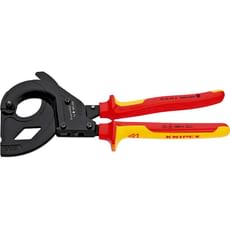
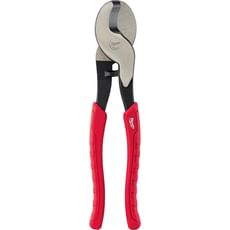
Specialist cutters serve specific trades and applications with exceptional precision. VDE-insulated cutters provide essential protection for electricians working on live circuits up to 1,000V AC, whilst glass cutters incorporate carbide wheels for scoring precision lines. Cable cutters feature ratcheting mechanisms for effortless cutting through thick copper and aluminium conductors, and end cutters (also known as nippers) offer flush-cutting capabilities ideal for removing protruding wire ends and panel pins. Whatever your cutting requirements, selecting the appropriate tool ensures professional results and prolongs both tool life and your own productivity.
Jargon Buster
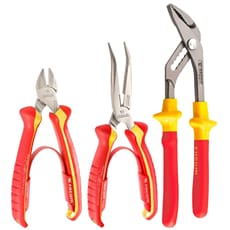
- VDE Insulation: Tools tested and certified to 10,000V and rated for safe use up to 1,000V AC or 1,500V DC. Essential for electricians and anyone working near live electrical circuits, conforming to BS EN 60900 standards recognised throughout the UK.
- Induction Hardened Blades: Cutting edges heat-treated to increase hardness and wear resistance, allowing the cutter to maintain a sharp edge even when cutting through tough materials like piano wire or hardened steel fixings.
- Flush Cutting: The ability of cutters (particularly end cutters and side cutters) to cut flush to a surface, leaving no protruding stub. Essential for neat finishing work and safety in installations where sharp wire ends could cause injury.
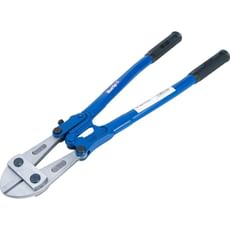
- Compound Leverage: A mechanism found in bolt cutters and some cable cutters that multiplies the force applied at the handles, allowing relatively easy cutting of materials that would otherwise require extreme physical effort.
- Jaw Capacity: The maximum diameter or thickness of material that the cutter can accommodate and cleanly sever, typically measured in millimetres for wire and cable cutters, and in millimetres for bolt cutters.
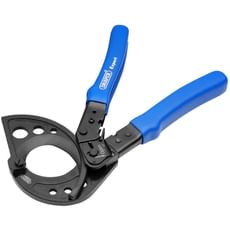
- Ratcheting Action: A mechanism that allows cutting in stages, particularly useful for thick cables or when working in confined spaces where you cannot complete a full handle squeeze in one movement.
Who Uses Cutters?
Cutters are indispensable tools across numerous trades and applications:
- Electricians and Electrical Contractors: Cable cutters, wire strippers, VDE-insulated side cutters for installation and maintenance work on 240v circuits and control systems
- Automotive Technicians and Mechanics: Wire cutters, side cutters, and end cutters for electrical repairs and modifications
- Plumbers and Heating Engineers: General-purpose cutters for cable ties, wire, and fixings during installation work
- Glaziers and Window Fitters: Glass cutters for scoring and cutting sheet glass and mirrors to precise measurements
- Maintenance Engineers and Facility Managers: Bolt cutters for removing old padlocks, chain, and securing emergency access
- Telecoms and Data Installers: Precision cable cutters and side cutters for network cabling work
- Security Professionals: Bolt cutters for emergency access and lock removal
- Construction Workers and General Builders: Various cutters for wire, reinforcement bar, cable ties, and fixings
- Electronics Technicians: Fine side cutters and flush cutters for component leads and delicate wire work
- DIY Enthusiasts and Homeowners: General-purpose wire cutters, glass cutters, and small bolt cutters for household projects
How to Choose the Right Cutters
Selecting the appropriate cutter depends on several critical factors:
Material Type: Consider what you'll be cutting most frequently. Copper and aluminium cable require different jaw profiles than steel wire or glass. Hardened materials demand induction-hardened cutting edges, whilst softer materials like plastics can be cut with standard blades.
Material Diameter or Thickness: Check the cutter's maximum jaw capacity matches your requirements. Attempting to cut materials beyond the rated capacity will damage the tool and produce poor results. Cable cutters typically handle 25-50mm diameter, whilst bolt cutters range from 200mm models for 6mm rod up to 900mm lengths for 20mm+ material.
Electrical Safety Requirements: If you work on or near live electrical installations, VDE-insulated cutters aren't optional—they're essential. Look for individually tested tools bearing the VDE or GS mark, and ensure they meet BS EN 60900 standards recognised by UK regulations for work on 240v systems.
Handle Design and Ergonomics: Professional-grade cutters from brands like Knipex and Bahco feature ergonomically designed handles with soft-grip zones that reduce hand fatigue. If you'll be using cutters extensively throughout the day, comfort significantly impacts productivity and reduces the risk of repetitive strain injuries.
Cutting Action: Standard cutters require one complete squeeze to cut through material. Ratcheting cutters allow cutting in stages, ideal for thick cables or restricted spaces. Compound leverage bolt cutters multiply force, making tough cutting tasks manageable without excessive physical effort.
Precision Requirements: Fine electronics work demands flush-cutting side cutters with precisely aligned jaws. General site work may require robust, less precise cutters that withstand drops and rough handling. Match the tool's precision to your application.
Build Quality and Brand Reputation: Professional tradespeople rely on tools daily, making durability critical. Established brands like Knipex, Bahco, Irwin, and Wera offer superior materials, precision manufacturing, and often lifetime guarantees. Whilst budget options suit occasional DIY use, professional applications justify the investment in quality tools.
Popular Accessories
- Replacement Cutting Heads: Available for some bolt cutter models, allowing blade replacement rather than complete tool replacement
- Tool Holsters and Pouches: Leather or fabric holders that attach to tool belts for safe carrying and quick access
- Wire Strippers: Complementary tools for removing insulation after cutting cables
- Cable Ties and Management: Used alongside cutters for organising cables after installation
- Measuring Tapes and Rulers: For marking cutting points accurately before cutting glass or cable to length
- Cutting Oil: Lubricant that extends blade life on bolt cutters and heavy-duty cutters
- Safety Glasses: Essential PPE when cutting materials that may produce flying fragments
- Work Gloves: Cut-resistant gloves from brands like DeWalt and Portwest protect hands during cutting operations
- Tool Rolls and Storage Cases: Organised storage solutions from Stanley FatMax and DeWalt TSTAK systems
- Voltage Testers: For electricians to verify circuits are dead before using VDE cutters
Safety Information
Using cutters safely protects both the operator and ensures quality results:
Electrical Safety: Only use VDE-insulated cutters certified to BS EN 60900 when working on or near live electrical installations. Even with insulated tools, follow HSE guidelines and your company's electrical safety procedures. Always verify circuits are isolated before beginning work wherever possible.
Eye Protection: Cutting wire, cable, and particularly hardened materials can produce sharp fragments that fly at high velocity. Always wear appropriate safety glasses or goggles conforming to BS EN 166 standards when using any type of cutter.
Correct Capacity: Never exceed the cutter's rated capacity. Forcing cutters beyond their design limits can cause blade chipping, jaw misalignment, or complete tool failure, potentially causing injury. Blades under excessive stress can shatter, sending fragments towards the operator.
Proper Technique: Hold cutters squarely to the material being cut. Angled or twisting cuts increase wear, produce poor results, and may cause the material to slip from the jaws. For bolt cutters, use smooth, steady pressure rather than jerky movements.
Maintenance and Inspection: Regularly inspect cutting edges for chips, cracks, or excessive wear. Keep pivot points lightly oiled for smooth operation. Damaged cutters should be withdrawn from service immediately—attempting to use damaged tools is dangerous and produces substandard work.
Hand Position: Keep fingers clear of the cutting zone and away from pinch points where handles meet. Never place your hand or any body part on the material being cut to steady it—use proper clamps or have a colleague assist.
Frequently Asked Questions
What's the difference between side cutters and end cutters?
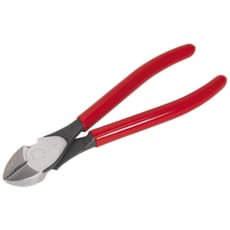
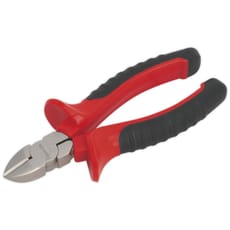
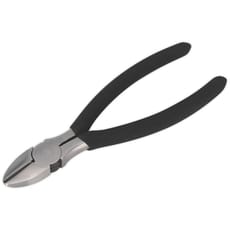
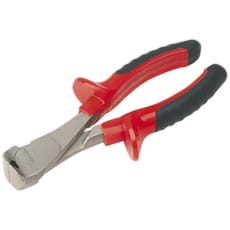
Side cutters have their cutting edges on the side of the jaws and are ideal for general wire cutting and accessing tight spaces. End cutters (nippers) have cutting edges at the tip and excel at flush-cutting applications where you need to cut close to a surface, such as removing protruding wire ends or small nails.
Can I use regular cutters on live electrical circuits?
Absolutely not. Only use cutters specifically designed and tested for electrical work, marked with VDE or equivalent certification to BS EN 60900. Regular cutters have no electrical insulation and using them on live 240v circuits presents a serious electrocution risk. Even VDE cutters should only be used on live circuits when isolation isn't possible and proper risk assessments are in place.
How do I maintain my cutters to keep them cutting cleanly?
Clean cutting edges after use to remove debris and apply a light machine oil to prevent corrosion. Keep pivot points lubricated for smooth action. Avoid cutting hardened materials like nails or screws unless your cutters are specifically rated for it. Store cutters in a dry environment, preferably in a tool roll or case. Have professional cutters sharpened or serviced periodically, or replace them when cutting performance deteriorates significantly.
What size bolt cutters do I need for cutting padlocks?
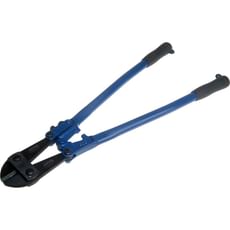
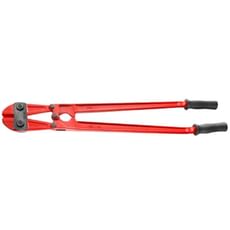
For standard padlock shackles (typically 8-10mm diameter), 600mm bolt cutters provide sufficient leverage for most applications. Heavy-duty padlocks with hardened shackles may require 750mm or larger cutters. Security professionals and facilities maintenance teams often carry 900mm cutters for maximum versatility, though these are heavier and more cumbersome for everyday carrying.
Are expensive branded cutters worth the extra cost compared to budget alternatives?
For professional tradespeople using cutters daily, premium brands like Knipex, Bahco, and Wiha stocked at Tooled-Up offer superior blade materials, precision manufacturing, ergonomic designs, and significantly longer working life. The initial investment is quickly recovered through durability and performance. For occasional DIY use, mid-range options from Stanley or Irwin offer good value. Very cheap cutters often feature poorly aligned jaws, soft blades that dull quickly, and uncomfortable handles—false economy even for occasional use.