
Cutting Discs

Pay in 3 interest-free payments on purchases from £20-£3000 with  . Learn more.
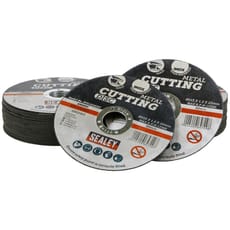
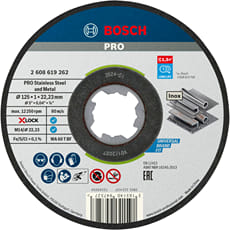
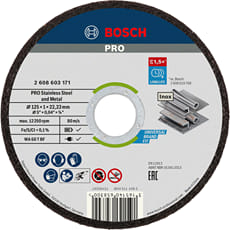
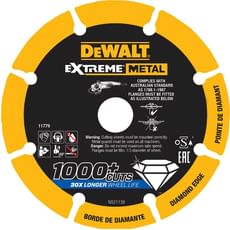
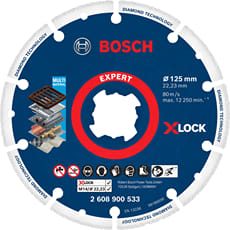
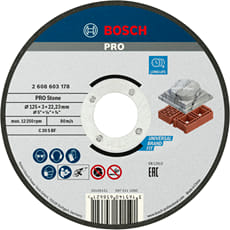
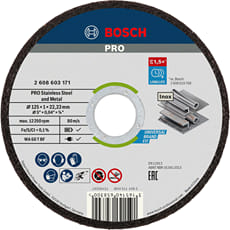
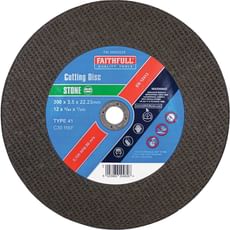

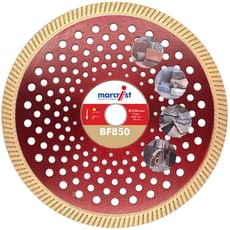
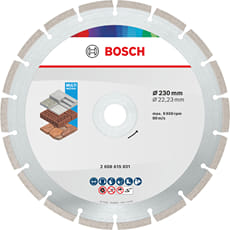
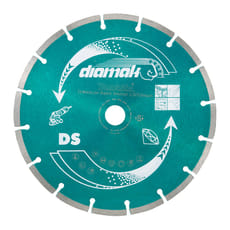
Loading...
End of content
Error - No more pages to load
About Cutting Discs
Cutting discs are essential consumables for tradespeople and DIY enthusiasts who need to cut, grind, or finish a wide range of materials quickly and accurately. Available in various sizes, compositions, and specifications, these abrasive wheels are designed to fit angle grinders, chop saws, and petrol cut-off saws. Whether you're cutting through steel reinforcement bars on a construction site, slicing through ceramic tiles during a bathroom renovation, or trimming concrete paving slabs, there's a specialist cutting disc engineered for the task.
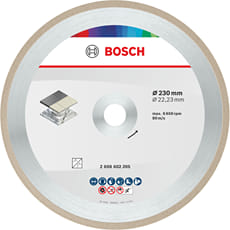
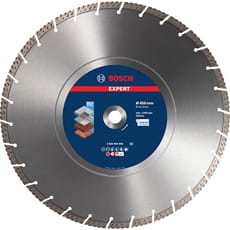
The cutting discs selection at Tooled-Up.com encompasses diamond blades for masonry and hard materials, bonded abrasive discs for metal cutting, and multi-purpose discs that can handle several materials. Premium brands like Bosch Professional dominate the professional market, offering everything from standard depressed centre metal cutting discs to advanced diamond blades for concrete, stone, and ceramic. These discs are manufactured to exacting standards, ensuring they meet HSE safety requirements whilst delivering consistent performance under demanding site conditions.
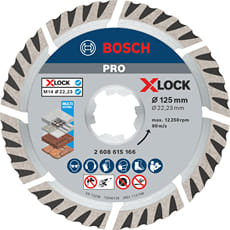
Modern cutting disc technology has evolved significantly, with innovations like Bosch's X-LOCK quick-change system reducing wheel changes from minutes to seconds, and ECO ranges delivering extended lifespan to reduce consumable costs. Understanding which disc specification matches your material and power tool is crucial for achieving clean cuts, maximising disc life, and maintaining safe working practices on site.
Jargon Buster
- Depressed Centre Disc
- A cutting disc with a recessed centre that allows the disc to sit flush against the material surface, enabling cleaner cuts and reducing the risk of snagging. The standard design for most angle grinder cutting applications.
- Bore Size
- The diameter of the central hole that fits onto the angle grinder or saw spindle. Common UK sizes include 22.23mm for angle grinders and 25.4mm for chop saws. Always match the bore size to your tool's spindle.
- Grit Grade
- Indicates the coarseness of the abrasive particles. Lower numbers (24-36) are more aggressive for fast material removal, whilst higher numbers (60-120) provide smoother, more controlled cuts with finer finishes.
- Diamond Segment
- The cutting edge on diamond blades containing industrial diamonds bonded in a metal matrix. Segment configuration (continuous rim, turbo, or segmented) affects cutting speed and finish quality on masonry materials.
- RPM Rating
- The maximum revolutions per minute the disc is rated to safely withstand. Never exceed this rating, as it can cause disc failure. Always check your power tool's speed matches the disc specification.
- Bonded Abrasive Disc
- A disc made from abrasive grains held together with resin bonding agents, designed for cutting ferrous and non-ferrous metals. These discs gradually wear down during use, exposing fresh cutting edges.
Who Uses Cutting Discs?
Cutting discs are indispensable across numerous trades and applications:
- Steel Fixers and Reinforcement Workers - cutting rebar and steel mesh on construction sites
- General Builders - cutting through concrete blocks, brickwork, and metal fixings during renovation work
- Fabricators and Welders - preparing steel sections, cutting metal profiles, and finishing welds
- Tilers - cutting ceramic and porcelain tiles with diamond blades for bathrooms and kitchen installations
- Landscapers and Groundworkers - cutting paving slabs, kerbstones, and drainage pipes
- Roofing Contractors - cutting metal flashing, steel roof sheets, and slate using appropriate discs
- Plumbers and Heating Engineers - cutting copper and steel pipework during installation and maintenance
- Maintenance Teams - general site work requiring material cutting and surface preparation
- DIY Enthusiasts - home improvement projects involving metal, masonry, or tile cutting
How to Choose the Right Cutting Discs
Selecting the correct cutting disc requires careful consideration of several factors to ensure safe, efficient cutting:
Material Compatibility: This is paramount. Metal cutting discs contain different abrasives to masonry diamond blades. Using the wrong disc type risks dangerous disc failure and poor results. Bonded abrasive discs suit ferrous metals (steel, iron), whilst diamond blades are essential for concrete, stone, brick, tiles, and ceramics. Multi-purpose discs exist but specialists always outperform them.
Disc Diameter: Must match your power tool's capacity. Common sizes include 115mm and 125mm for small angle grinders, 230mm for large grinders, 300mm and 355mm for chop saws and petrol cut-off saws. Never fit oversized discs to tools, as this creates serious safety hazards.
Thickness: Thinner discs (1mm-1.6mm) cut faster with less material waste but are more fragile. Thicker discs (3mm+) are more robust and last longer but remove more material. Consider your application—delicate work needs thin discs, heavy structural cutting benefits from thicker options.
Bore Size and Fitment: The arbor hole must match your tool's spindle exactly. Most UK angle grinders use 22.23mm bores. Some modern systems like Bosch's X-LOCK offer tool-free wheel changes, dramatically improving productivity on site.
Speed Rating: Critical for safety. The disc's maximum RPM must equal or exceed your tool's operating speed. Small 115mm angle grinders typically run at 11,000-13,000 RPM, whilst larger tools operate at lower speeds. Check both specifications before purchasing.
Quality and Brand: Professional-grade discs from manufacturers like Bosch Professional deliver superior performance, longevity, and crucially, consistent safety standards. Whilst budget options exist, cutting discs are safety-critical consumables where quality matters significantly.
Popular Accessories
- Angle Grinders - the primary power tool for most cutting disc applications, available in corded 240v and cordless versions from Makita, DeWalt, and Milwaukee
- Disc Guards - essential safety equipment that must be correctly fitted and adjusted before cutting
- Spanners and Locking Pin Tools - for secure disc installation and removal on traditional spindle systems
- Cutting Guide Attachments - ensure straight, accurate cuts when working with tiles or sheet materials
- Safety Goggles and Face Shields - mandatory eye protection against sparks, dust, and debris during cutting operations
- Grinding Discs - complementary abrasives for smoothing cut edges and surface preparation
- Flap Discs - for finishing and deburring metal after cutting
- Dust Extraction Attachments - particularly important when cutting masonry to comply with HSE silica dust regulations
- Storage Cases - protecting discs from damage and moisture between jobs
Safety Information
Cutting discs rotate at extremely high speeds and demand strict safety protocols. Always wear appropriate PPE including safety goggles or face shields, hearing protection, dust masks (RPE for silica-generating work), and protective gloves from brands like Portwest and Scruffs. Ensure guards are correctly fitted and positioned before starting work.
Inspect every disc before fitting for cracks, chips, or damage—never use compromised discs. Verify the disc's maximum RPM rating exceeds your tool's speed, and ensure the bore size matches exactly. Allow new discs to run at full speed for 30 seconds before applying to material, standing to the side rather than directly behind the tool.
When cutting masonry materials, be aware of COSHH regulations regarding respirable crystalline silica dust exposure. Use water suppression or on-tool extraction where possible, and ensure adequate ventilation. Never force a disc through material—let the tool work at its own pace to prevent overheating, kickback, or disc failure.
Store cutting discs flat in dry conditions away from moisture, which can degrade bonding agents. Check expiry dates on resin-bonded metal cutting discs, as they have limited shelf lives. Always follow manufacturer guidelines and HSE best practices for safe cutting operations.
Frequently Asked Questions
Can I use the same disc to cut metal and masonry?
No, you must use material-specific discs. Metal cutting discs use resin-bonded abrasives, whilst masonry requires diamond blades. Using the wrong disc type is dangerous and won't cut effectively. Some multi-material discs exist but specialist discs always deliver better, safer results for specific applications.
How do I know when a cutting disc needs replacing?
Replace bonded abrasive discs when they've worn down to approximately 75% of their original diameter or if you notice reduced cutting performance. Diamond blades need replacement when segments are worn flush with the steel core or cutting speed significantly decreases. Always discard damaged or cracked discs immediately regardless of remaining material.
What's the difference between a 1mm and 3mm cutting disc?
Thinner 1mm discs cut faster with less material waste, making them ideal for precision work and materials like sheet metal or thin-walled tube. Thicker 3mm discs are more robust, last significantly longer, and better suit heavy-duty applications like cutting structural steel, though they remove more material per cut and generate more heat.
Are expensive branded cutting discs worth the extra cost?
Professional-grade discs from manufacturers like Bosch consistently deliver better performance, extended lifespan, and crucially, reliable safety standards. They typically cut faster and last longer than budget alternatives, reducing overall cost per cut. For professional tradespeople, the productivity gains and safety assurance justify the premium, whilst serious DIYers benefit from superior results.
Do cutting discs have an expiry date?
Yes, resin-bonded metal cutting discs typically have a three-year shelf life from manufacture, as the bonding agents can degrade over time, especially if stored in damp conditions. Diamond blades don't expire in the same way but should be stored properly to prevent damage. Always check packaging for date codes and storage recommendations before use.