

Cutting & Sawing Tools

Pay in 3 interest-free payments on purchases from £20-£3000 with  . Learn more.

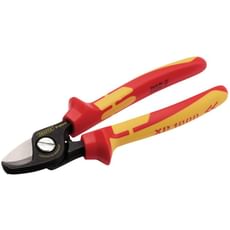
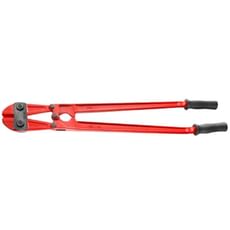
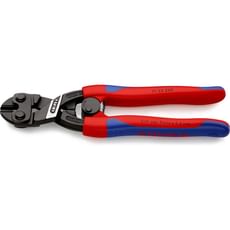
Loading...
End of content
Error - No more pages to load
About Cutting & Sawing Tools
Cutting and sawing tools represent the cornerstone of precision work across construction, electrical, plumbing, and woodworking trades. This comprehensive category encompasses everything from robust concrete nippers and industrial cutters to precision hole punches, professional knives, and specialised scissors. Whether you're making fine joinery cuts with a tenon saw, severing steel reinforcement bar with compound-action bolt cutters, or trimming cable with electrician's snips, the right cutting tool ensures accuracy, efficiency, and safety. Tooled-Up.com stocks an extensive selection spanning hand saws for timber and metal, aviation snips for sheet materials, punch pliers for leather and thin metals, utility knives for general site work, and heavy-duty strap cutters for packaging and industrial applications.
The quality of cutting tools directly impacts both productivity and finish quality on every job. Professional-grade equipment from manufacturers like Knipex, Bahco, Stanley, and Irwin features precision-ground cutting edges that maintain sharpness through extended use, ergonomic handles designed to reduce hand fatigue during repetitive tasks, and robust construction that withstands the demands of daily site work. Modern cutting tools incorporate innovations such as compound leverage mechanisms that multiply cutting force, offset jaw designs for flush cutting against surfaces, and replaceable blade systems that extend tool lifespan whilst maintaining peak performance.
Understanding which cutting tool suits your specific material, application, and working environment is essential for achieving professional results whilst maximising safety. Different materials require different cutting actions—bypass mechanisms provide clean cuts through cables and plastics without crushing, whilst anvil-style cutters deliver the power needed for rigid materials. Blade geometry matters too: fine-toothed saws with high TPI (teeth per inch) excel at metal cutting, whilst aggressive low-TPI blades power through timber quickly. The comprehensive range at Tooled-Up covers every cutting scenario, from delicate precision work to heavy-duty industrial applications.
Jargon Buster
- TPI (Teeth Per Inch): A measurement indicating saw blade tooth density. Higher TPI values (14-32) provide smoother, more controlled cuts ideal for metalwork and fine joinery, whilst lower TPI (6-10) offers faster, more aggressive cutting through softwood, hardwood, and plastic materials.
- Bypass Cutting Action: A scissor-like mechanism where two sharpened blades pass each other cleanly, providing precise cuts without crushing or deforming the material. This action is preferred for cables, plastics, soft metals, and any application requiring a neat finish without compression damage.
- Compound Action: A leverage mechanism incorporating pivoting joints that multiply cutting force, enabling users to sever tough materials like steel bolts, wire rope, and reinforcement bar with significantly reduced hand effort. Essential for heavy-duty cutting applications.
- Hardpoint Teeth: Saw teeth that have undergone heat treatment to increase surface hardness and edge retention. These teeth maintain sharpness considerably longer than untreated teeth but cannot be resharpened once dulled, making them ideal for disposable or low-maintenance saw designs.
- Offset Jaws: A design feature where cutting blades are positioned below the handle centreline, allowing flush cutting directly against flat surfaces whilst improving visibility of the cutting line. Particularly valuable for electricians and sheet metal workers.
- HSS (High-Speed Steel): A specialised tool steel alloy used in cutting blades and saw teeth that retains hardness even when subjected to high temperatures generated during cutting. This property makes HSS ideal for metal-cutting applications where friction heat would otherwise soften and dull standard steel blades.
Who Uses Cutting & Sawing Tools?
Cutting and sawing tools are indispensable across virtually every trade and industry:
- Carpenters and Joiners: Hand saws, precision knives, and chisels for timber dimensioning, laminate trimming, and fine joinery work
- Electricians: Cable cutters, wire strippers, conduit saws, and scissors for electrical installation and maintenance
- Plumbers: Pipe cutters, hacksaws, and shears for copper, plastic, and steel pipework in domestic and commercial settings
- Roofers: Tin snips, aviation shears, and specialist cutters for flashing, guttering, and roofing sheet materials
- HVAC Engineers: Sheet metal cutters, hole punches, and snips for ductwork fabrication and ventilation system installation
- General Builders: Comprehensive cutting tools for working across multiple materials on construction and renovation sites
- Landscapers: Pruning saws, heavy-duty shears, and bolt cutters for fencing, mesh, and outdoor installations
- Manufacturing and Warehouse Staff: Strap cutters, safety knives, and scissors for unpacking deliveries and processing materials
- Shopfitters: Precision cutting tools for display installation, signage work, and retail fit-outs
- DIY Enthusiasts: Essential hand tools for home improvement, maintenance, and creative projects
How to Choose the Right Cutting & Sawing Tools
Material Compatibility: Identify the primary materials you'll be cutting. Soft materials like rubber, textiles, and plastics require different blade geometries compared to metal, concrete, or composite materials. Always verify manufacturer specifications to ensure the tool is rated for your intended application—using wood-cutting saws on metal quickly destroys the blade, whilst metal saws cut timber inefficiently.
Cutting Capacity: Consider the maximum thickness or diameter you need to cut regularly. Tools are rated with specific capacity limits—selecting cutters with inadequate capacity leads to poor results, excessive wear, and potential tool damage. Professional tradespeople should allow headroom beyond typical requirements for occasional larger jobs.
Frequency and Intensity of Use: Tradespeople working daily benefit from investing in premium brands like Knipex, Bahco, Wera, or Stanley FatMax, which offer superior durability, better edge retention, and enhanced comfort features that reduce fatigue. Occasional DIY users can opt for mid-range options from Stanley or Irwin that balance quality with value.
Ergonomics and Comfort: For repetitive cutting tasks, ergonomic handles with soft-grip materials significantly reduce hand fatigue and the risk of repetitive strain injuries. Consider handle size relative to your hand, grip texture for wet or oily conditions, and whether spring-loaded mechanisms reduce effort during extended use.
Cutting Action Type: Bypass mechanisms provide clean, crush-free cuts ideal for cables and soft materials. Anvil cutters deliver more power for rigid materials but may cause slight compression. Compound-action tools multiply force for tough materials like bolts and reinforcement bar. Match the cutting action to your predominant applications.
Portability and Working Environment: Electricians working in consumer units need compact tools that fit confined spaces, whilst roofers benefit from extended handles that provide reach and leverage. Consider whether you need tools that fit in pouches, attach to lanyards for working at height, or remain in a workshop setting.
Blade Replaceability: Some cutting tools feature replaceable blades, extending working life and offering better long-term value. Utility knives and certain saws benefit from this feature, allowing you to maintain peak cutting performance by changing blades as they dull. Factor replacement blade availability and cost into your purchasing decision.
Popular Accessories
- Replacement Blades: Spare blades for utility knives, hacksaws, junior hacksaws, and replaceable-blade cutters to maintain optimal cutting performance
- Blade Oils and Lubricants: Specialist lubricants that extend tool life, prevent corrosion, and maintain smooth cutting action, particularly important for metal-cutting applications
- Cut-Resistant Gloves: Safety gloves rated to EN388 standards providing essential hand protection during cutting operations without compromising dexterity
- Tool Pouches and Holsters: Dedicated storage that keeps cutting tools secure, accessible, and safely sheathed on tool belts or in bags
- Sharpening Stones and Files: Maintenance tools for keeping sharpenable blades and saw teeth in peak condition between replacements
- Safety Glasses: Essential PPE protecting eyes from flying debris, metal filings, and material particles during cutting operations
- Measuring and Marking Tools: Tape measures, combination squares, spirit levels, and marking pencils ensuring accurate measurements and straight cutting lines
- Workbenches and Sawhorses: Stable work surfaces providing safe, secure support during cutting operations
- Tool Lanyards: Safety attachments preventing dropped tools when working at height on scaffolding, ladders, or roofing applications
Safety Information
Cutting and sawing tools present significant injury risks if used improperly. Always follow HSE guidelines for hand tool use and ensure you've received appropriate training for specialist cutting equipment. Wear suitable personal protective equipment including safety glasses to protect against flying debris, and cut-resistant gloves rated to EN388 standards when handling sharp blades—though never wear gloves when operating power tools where they could become caught in moving parts.
Maintain cutting tools in good condition with sharp, undamaged blades. Blunt blades require excessive force and are more likely to slip unexpectedly, causing accidents. Always cut away from your body and keep hands and fingers clear of the cutting line. Secure materials properly using clamps, vices, or bench hooks rather than holding pieces by hand. When changing blades or performing maintenance, ensure tools are properly isolated and, for powered equipment, disconnected from electrical supply.
Store cutting tools safely with blade guards fitted or in dedicated tool rolls to prevent accidental contact with sharp edges. Keep tools away from bench edges where they might fall, and never leave sharp tools loose in pockets or bags where they could cause injury. If working at height, use tool lanyards to prevent dropped tools, which pose serious risks to those working below. Dispose of worn blades responsibly in sharps containers, and never attempt to catch a falling cutting tool—step clear and retrieve it safely afterwards.
Be particularly cautious when cutting materials that may splinter, shatter, or produce sharp fragments. Metal cutting generates hot swarf that can cause burns, whilst materials like fibreglass and carbon fibre produce harmful dust requiring respiratory protection. Always assess the material-specific risks before commencing cutting operations, and consult material safety data sheets where appropriate.
Frequently Asked Questions
What's the difference between bypass and anvil cutting actions?
Bypass cutters work like scissors, with two sharp blades passing each other to provide clean, precise cuts without crushing—ideal for cables, plastics, and soft materials where a neat finish is essential. Anvil cutters use a sharp blade cutting against a flat surface, offering more power for cutting tough or rigid materials but potentially causing some compression at the cut point. For most electrical and cable applications, bypass action is strongly preferred for its clean-cutting performance.
Can I use the same saw for cutting both wood and metal?
Whilst some universal blades exist, dedicated saws for wood and metal provide far superior results. Wood saws have larger, more aggressive teeth (lower TPI) designed for fast cutting through timber fibres, whilst metal-cutting saws feature fine teeth (higher TPI) that prevent snagging and provide controlled cutting through harder materials. Using a wood saw on metal will quickly ruin the blade through excessive wear, whilst metal saws cut wood very slowly and inefficiently. For professional results, invest in specific tools matched to your primary materials.
How often should I replace cutting blades and saw teeth?
Replace blades when you notice they require significantly more force to cut, produce rough or torn edges, or begin to slip rather than cutting cleanly. For utility knife blades used regularly on abrasive materials, this might be several times per week. Hacksaw blades typically last for multiple cuts through metal before dulling affects performance. Maintaining sharp cutting edges is crucial for both result quality and safety—blunt tools require excessive force and are significantly more dangerous to use.
Are expensive branded cutting tools worth the investment for professional use?
For tradespeople using cutting tools daily, premium brands like Knipex, Bahco, and Wera offer significantly better edge retention, more comfortable ergonomics that reduce hand fatigue, and greater durability under demanding site conditions. The improved productivity, reduced replacement frequency, and lower injury risk typically justify the higher initial cost within months of regular use. DIY users working occasionally may find mid-range options from Stanley or Irwin offer better value without compromising essential quality and safety.
What safety standards should professional cutting tools meet?
Look for tools manufactured to relevant BS EN ISO standards, with clear CE marking indicating European conformity. Hand tools should meet applicable BS EN ISO specifications for design, materials, and performance. For trade use, ensure tools comply with HSE guidance for hand tool safety and workplace equipment regulations. Any electrical cutting tools must comply with UK 240v electrical safety standards and carry appropriate certifications. Always purchase from reputable suppliers who stock genuine, standards-compliant products from established manufacturers.