

Cycle Lights
Pay in 3 interest-free payments on purchases from £30-2000 with  . Learn more.
 Loading...
End of content
Error - No more pages to load
About Cycle Lights
Cycle lights are essential safety equipment for anyone who rides a bicycle, providing crucial visibility in low-light conditions and at night. Whether you're commuting to work before dawn, cycling home after dark, or simply want to be prepared for unexpected weather changes, quality cycle lights are a legal requirement and a vital piece of safety kit. Modern cycle lights have evolved significantly from basic battery-powered bulbs to sophisticated LED systems offering powerful illumination, extended battery life, and multiple lighting modes to suit different riding conditions.
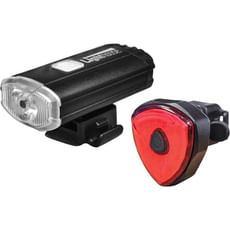
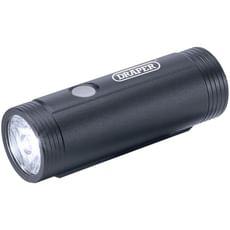
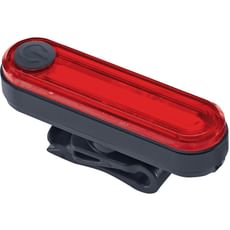
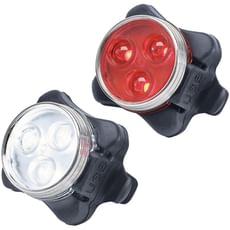
The selection at Tooled-Up.com includes rechargeable LED front lights that illuminate the road ahead, rear lights to ensure you're visible from behind, and convenient light sets that provide complete front and rear coverage. These lights feature advanced LED technology that delivers exceptional brightness whilst consuming minimal power, with many models offering USB charging capability for convenient recharging at home, in the office, or on site. Trusted brands such as Draper, Lighthouse, and Sealey provide reliable performance with features including multiple brightness settings, water-resistant casings, and secure quick-release mounting systems ideal for tradespeople who need to remove lights when leaving bikes unattended at work sites.
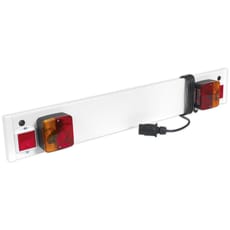
For tradespeople who rely on cycling to get to work sites or for transporting bicycles on vehicle-mounted carriers, specialist equipment such as trailer boards for cycle carriers is also available, ensuring your load remains legally compliant and visible when transporting bikes by road.
Jargon Buster
- Lumens: The measurement of total light output from a cycle light. Higher lumen ratings indicate brighter lights, with front lights typically ranging from 100 to over 1000 lumens. For urban cycling with street lighting, 200-400 lumens is usually sufficient, whilst off-road or unlit rural roads may require 600+ lumens.
- Run Time: The duration a cycle light can operate on a single charge or set of batteries. This varies depending on the brightness setting used, with eco modes extending battery life significantly compared to maximum output modes.
- USB Rechargeable: Lights featuring built-in rechargeable batteries that can be charged via a standard USB connection, eliminating the need for disposable batteries and providing convenient charging from laptops, power banks, or mains USB adapters.
- IPX Rating: The Ingress Protection rating that indicates a light's resistance to water and dust. IPX4 offers splash resistance, whilst IPX7 means the light can withstand temporary immersion in water—essential for year-round British weather conditions.
- Flashing Mode: An intermittent light pattern that draws attention to the cyclist, particularly effective for rear lights. Studies show flashing lights are more noticeable to motorists during daylight hours and dusk conditions.
- Beam Pattern: The shape and distribution of light projected by the lamp. Front lights typically have a focused beam for illuminating the road ahead, whilst rear lights have a wider dispersal pattern for maximum visibility from multiple angles.
Who Uses Cycle Lights?
- Tradespeople and Site Workers: Electricians, plumbers, builders, and other trades who cycle to work sites, particularly during winter months when darkness arrives early
- Construction Workers: Those commuting to building sites across urban and rural locations, often starting work before dawn
- Delivery Drivers: Cycle couriers and food delivery personnel working extended hours in all lighting conditions
- Commuters: Office workers, warehouse staff, and industrial workers cycling to and from work during darker hours
- Security Personnel: Site security and patrol officers who may cycle around premises or industrial estates during night shifts
- Facilities Managers: Those responsible for large sites or business parks who travel between buildings by bicycle
- DIY Enthusiasts: Home improvers who cycle to suppliers or use bikes for local errands during evening hours
- Fleet Managers: Those specifying safety equipment for employees who cycle as part of their work duties
How to Choose the Right Cycle Lights
Selecting appropriate cycle lights depends on several key factors. First, consider your typical riding environment—urban cycling with street lighting requires less powerful illumination than rural roads or off-road trails. For city commuting, front lights of 200-400 lumens are generally adequate, whilst unlit country lanes benefit from 600+ lumens to properly illuminate the road surface and spot potential hazards.
Power source is another crucial consideration. Rechargeable LED lights offer excellent value over time and environmental benefits, with USB charging providing convenient power-up options at work or home. Check the run time specifications and ensure they exceed your longest typical journey, with some reserve capacity. Many quality lights feature battery indicators to warn you when charging is needed.
UK law requires a white front light and red rear light when cycling in darkness or seriously reduced visibility. Ensure any lights you purchase comply with British Standards (BS6102/3) for road use. Look for lights with multiple modes including steady and flashing options—steady beams help you see the road, whilst flashing modes increase your visibility to other road users during daylight and dusk.
Mounting systems should be secure yet easy to remove when leaving your bike unattended. Quick-release mechanisms are ideal for tradespeople who need to remove lights quickly at job sites. Consider IPX4 or higher water resistance ratings to withstand British weather conditions, and if you transport bikes on a vehicle-mounted carrier, ensure you have appropriate trailer boards to maintain legal visibility requirements.
For professional use, having spare or backup lights is sensible practice, particularly during winter months when battery drain increases in cold conditions. Light sets that include both front and rear units often represent better value than purchasing separately and ensure compatible performance across both lights.
Popular Accessories
- Replacement mounting brackets and straps for different handlebar and seatpost diameters
- USB charging cables and mains adapters for convenient recharging
- Portable power banks for charging lights whilst on the move or at remote work sites
- Helmet-mounted lights for additional visibility and directional illumination
- Reflective clothing and high-visibility workwear to complement lighting systems
- Cycle carrier trailer boards for legal compliance when transporting bicycles
- Bike locks and security cables for protecting bikes and removable lights
- Panniers and bike bags with reflective detailing for carrying tools and equipment
- Spare rechargeable batteries for extended run times
Safety Information
UK law mandates that cyclists must have working front and rear lights when riding between sunset and sunrise, or in conditions of seriously reduced visibility. Front lights must emit white light, whilst rear lights must emit red light. Flashing lights are legal for road use in the UK, but your lights must meet BS6102/3 standards. It's an offence to cycle without proper lighting, with fixed penalty notices issued to non-compliant riders.
Regularly check your lights are functioning correctly before each ride, particularly during winter months. Keep rechargeable lights charged and carry backup power if making longer journeys. Clean light lenses periodically to maintain maximum brightness, as road spray and dirt can significantly reduce light output. Ensure lights are securely mounted to prevent them falling off during rides over rough surfaces or speed bumps.
When charging USB rechargeable lights, use appropriate charging equipment and don't leave batteries charging unattended for extended periods. Store lights in dry conditions when not in use, and protect them from extreme temperatures which can affect battery performance. If transporting bicycles on vehicle-mounted carriers, trailer boards must be used to replace obscured rear lights and number plates—this is a legal requirement under the Road Vehicles Lighting Regulations.
Position front lights to illuminate the road ahead without dazzling oncoming traffic or pedestrians. Angling the beam slightly downward helps achieve this balance. Rear lights should be visible from behind but not so bright as to dazzle following traffic. For tradespeople carrying tools or equipment, ensure loads don't obscure lights or reduce their effectiveness.
Frequently Asked Questions
How bright should my cycle lights be for UK roads?
For urban cycling with street lighting, 200-400 lumens for the front light is typically sufficient. If you regularly ride on unlit rural roads or lanes, consider 600+ lumens. Rear lights generally range from 20-100 lumens. Remember that brightness isn't everything—beam pattern, battery life, and visibility angles are equally important for safety.
Are flashing cycle lights legal in the UK?
Yes, flashing cycle lights are legal for road use in the UK, provided they meet BS6102/3 standards. Flashing modes can actually improve visibility during daylight and dusk conditions. However, many cyclists prefer steady beams for front lights when riding on unlit roads, as this provides better illumination for spotting hazards, whilst using flashing mode for the rear light to attract attention from following traffic.
How long do rechargeable cycle lights last between charges?
Run time varies significantly depending on the brightness setting used. Most quality rechargeable LED lights available from Tooled-Up offer 2-3 hours on maximum output, extending to 6-20 hours on lower power or flashing modes. Always check manufacturer specifications for your specific model and riding mode. Cold weather can reduce battery performance, so allow extra capacity during winter months.
Do I need a trailer board when carrying bikes on my van or car?
Yes, if your cycle carrier obscures your vehicle's rear lights, number plate, or reflectors, UK law requires a trailer board to display these legally required items. This applies to both roof-mounted and rear-mounted cycle carriers. Trailer boards connect to your vehicle's electrical system via a standard 7-pin or 13-pin socket, ensuring your bike rack remains road legal and visible to following traffic.
Can I use my cycle lights in the rain?
Most modern cycle lights feature water resistance ratings suitable for typical British weather. Look for lights rated IPX4 or higher—IPX4 provides splash resistance for rain, whilst IPX7 offers protection against temporary immersion. Always check the manufacturer's specifications and ensure mounting brackets are tightened to prevent water ingress through vibration-loosened fittings during wet rides.