

Cycle & Motorcycle
Pay in 3 interest-free payments on purchases from £30-2000 with  . Learn more.

 Loading...
End of content
Error - No more pages to load
About Cycle & Motorcycle
Whether you're a professional cycle mechanic, motorcycle technician, or an enthusiast who prefers to maintain your own bikes, having the right tools and equipment is essential for safe and effective maintenance. The Cycle & Motorcycle category at Tooled-Up.com brings together specialist tools, maintenance equipment, and accessories designed specifically for two-wheeled transport. From basic puncture repair kits and tyre levers to professional-grade air pumps and workshop equipment, this range covers everything needed to keep bicycles and motorcycles running smoothly and safely.
Modern cycles and motorcycles require proper care and attention to maintain performance, safety, and longevity. Whether you're performing routine maintenance like tyre pressure checks and chain lubrication, or tackling more complex repairs and servicing, the right tools make all the difference. Equipment suitable for everything from children's push bikes and road racing cycles to touring motorcycles and off-road motorbikes ensures access to the professional-quality tools that mechanics and technicians rely on daily. For mobile mechanics requiring portable solutions or established workshops needing comprehensive bench-mounted equipment, Tooled-Up stocks the tools that keep Britain's cyclists and motorcyclists safely on the road.
Both professional workshops and home mechanics demand tools that combine durability with precision. The Cycle & Motorcycle category features equipment built to withstand regular use whilst delivering consistent, reliable results. From digital pressure gauges and torque wrenches to chain cleaning tools and specialist valve adaptors, these products represent the essential toolkit for anyone serious about bicycle or motorcycle maintenance, whether in a commercial workshop environment or a home garage.
Jargon Buster
- Presta Valve: A narrow, high-pressure valve commonly found on road bikes and performance cycles. Requires a specific pump head or adaptor, and features a lock nut that must be unscrewed before inflation. Presta valves are preferred for lightweight racing wheels and high-pressure applications.
- Schrader Valve: The wider valve type used on most motorcycles, cars, and many hybrid or mountain bikes. Compatible with standard petrol station air lines and most general-purpose pumps, making it the most versatile option for everyday use.
- Bar/PSI: Units of pressure measurement for tyres. Bar is the metric standard commonly used in the UK (1 bar = 14.5 PSI). Cycle tyres typically range from 2-8 bar, whilst motorcycle tyres usually operate between 2-3 bar depending on the bike and load.
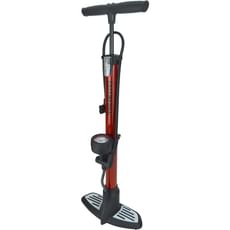
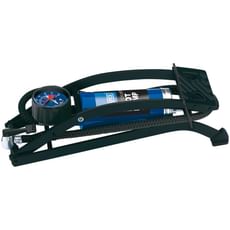
- Track Pump: A floor-standing bicycle pump with a large barrel and pressure gauge, designed for workshop or home use. Provides high volume air delivery with minimal effort, making it ideal for regular tyre maintenance and achieving precise pressures quickly.
- Torque Wrench: A precision tool that clicks or indicates when a specific tightening force is reached, essential for critical motorcycle and bicycle components like brake callipers, handlebar stems, and engine components where over-tightening can cause damage or under-tightening can result in component failure.
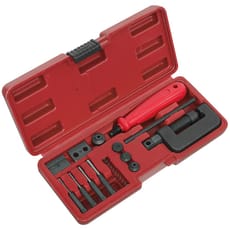
- Chain Tool: A specialist device used to push out chain pins for removing, repairing, or shortening bicycle and motorcycle chains. Essential for proper chain maintenance and replacement, particularly when adjusting chain length or repairing damaged links.
Who Uses Cycle & Motorcycle?
- Bicycle Mechanics: Professional cycle technicians working in retail shops, mobile repair services, or dedicated workshops requiring reliable daily-use equipment
- Motorcycle Mechanics: Qualified motorbike technicians servicing everything from mopeds to high-performance sports bikes in garages and dealerships
- Mobile Mechanics: Travelling repair specialists who need portable, reliable equipment for on-site servicing and roadside assistance
- Cycle Couriers: Professional riders who maintain their own bikes and need dependable tools for roadside repairs and regular maintenance
- Motorcycle Delivery Riders: Commercial riders for food delivery services and courier companies who perform their own basic maintenance to minimise downtime
- Cycling Enthusiasts: Keen amateur riders who prefer to service and maintain their own bicycles at home, from weekend leisure cyclists to competitive club riders
- Motorcycle Enthusiasts: Bike owners who enjoy hands-on maintenance and weekend workshop projects, from classic restoration to routine servicing
- Fleet Maintenance Teams: Personnel responsible for maintaining cycle hire schemes, delivery fleets, or motorcycle rental businesses requiring workshop-grade tools
- Sports Teams and Clubs: Cycling clubs and motorcycle racing teams requiring workshop facilities and maintenance equipment for team bikes
- Driving Instructors: Motorcycle training schools and instructors maintaining training bikes used for CBT and licence testing
How to Choose the Right Cycle & Motorcycle Equipment
Identify Your Primary Use: Consider whether you're maintaining bicycles, motorcycles, or both, as this determines the valve types, pressure ranges, and tool specifications you'll need. Professional workshops require heavy-duty equipment rated for continuous daily use, whilst home mechanics can opt for quality consumer-grade tools that balance performance with affordability. Mobile mechanics need compact, portable solutions that fit in a van or panniers.
Valve Compatibility: Check which valve types you'll be working with most frequently. Presta valves are standard on road and performance bicycles, whilst Schrader valves appear on mountain bikes, hybrids, and all motorcycles. Many quality pumps include dual heads or adaptors to accommodate both types, providing maximum versatility across different bike types without needing multiple pumps.
Pressure Range and Accuracy: Different bikes require vastly different tyre pressures. Road cycle tyres may need 7-8 bar, mountain bikes typically run 2-4 bar, and motorcycles generally operate between 2-3 bar. Ensure your pump and gauge cover the pressure range for your specific applications, with clear, accurate readings to avoid under or over-inflation which can compromise safety and performance.
Portability Requirements: Mobile mechanics and riders who perform roadside repairs need compact, lightweight equipment that's easy to transport. Workshop-based mechanics can invest in larger floor pumps and benchtop tools that offer greater capacity and ease of use. Consider whether you need mains 240v-powered, battery-operated, or manual equipment based on where you'll be working and power availability.
Build Quality and Durability: Professional mechanics should prioritise robust construction with metal barrels, reinforced hoses, and industrial-grade components that withstand thousands of uses. Quality tools pay for themselves through reliability and longevity, reducing downtime and replacement costs. Look for brands known for professional-grade construction that can handle workshop environments.
Gauge Accuracy and Readability: Precise pressure measurement is crucial for safety and performance. Look for pumps with large, easy-to-read gauges calibrated in both bar and PSI. Digital gauges offer the highest accuracy, particularly important for high-performance applications where even 0.2 bar can affect handling characteristics. Backlit displays are beneficial for mobile mechanics working in poor lighting conditions.
Popular Accessories
- Valve Adaptors: Convert between Presta and Schrader fittings for maximum pump compatibility across different bike types
- Digital Pressure Gauges: Standalone digital or analogue gauges for precise tyre pressure verification independent of pump gauges
- Puncture Repair Kits: Essential patches, glue, and tools for emergency tube repairs when out on the road
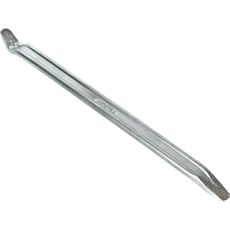
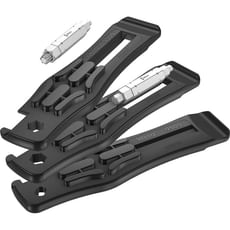
- Tyre Levers: Durable plastic or metal levers for removing and refitting bicycle tyres without damaging tubes or rims
- Chain Cleaners and Lubricants: Specialist degreasers and oils for maintaining drive chains and extending component life
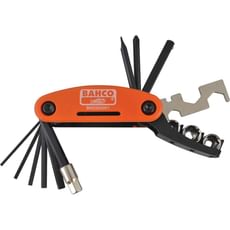
- Multi-Tools: Compact fold-out tools with hex keys, screwdrivers, and chain breakers for roadside adjustments and emergency repairs
- Torque Wrenches: Precision tools ensuring correct tightening of critical components, especially important for carbon fibre parts
- Paddock Stands: Motorcycle lifting equipment for wheel removal and chain maintenance, essential for workshop servicing
- Work Stands: Bicycle-specific stands that elevate bikes to comfortable working height for servicing and repairs
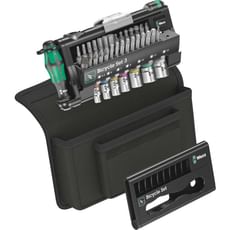
- Tool Rolls and Storage: Organised storage solutions for keeping specialist tools protected, accessible, and ready for mobile work
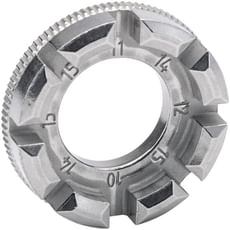
- Spoke Keys: Wheel truing tools for adjusting spoke tension and maintaining wheel alignment
- Cable Cutters: Specialist cutters for cleanly severing brake and gear cables without fraying
Safety Information
Tyre Pressure Safety: Always check the manufacturer's recommended pressure range, typically printed on the tyre sidewall. Over-inflation can cause tyre failure and loss of control, whilst under-inflation increases puncture risk and affects handling. Never exceed maximum rated pressures, and always use an accurate gauge rather than guessing by feel. When inflating tyres, stand to the side rather than over the tyre in case of sudden failure.
Working at Height: When using work stands or paddock stands, ensure equipment is stable and properly locked before working on elevated bikes. Place stands on level, solid ground, and never leave bikes unattended whilst elevated. Follow the manufacturer's weight limits to prevent collapse. Consider additional stabilisation for particularly heavy motorcycles or when removing wheels that affect balance.
Proper Torque Settings: Critical components like brake callipers, wheel axles, and handlebar stems must be tightened to manufacturer specifications using a calibrated torque wrench. Under-tightening can result in component failure during use, whilst over-tightening can strip threads or crack carbon fibre components, both potentially causing serious accidents. Always consult service manuals for correct torque values measured in Newton metres (Nm).
Eye Protection: Wear safety glasses when using compressed air, as debris and dust can be ejected at high velocity. Tyre inflation carries particular risk if tyres are damaged or incorrectly fitted to rims. When removing chains or working with degreasers, eye protection prevents chemical splash injuries.
Chemical Safety: Many cycle and motorcycle maintenance products contain solvents and lubricants that require proper ventilation and skin protection. Follow COSHH guidelines when using degreasers, chain cleaners, and assembly pastes. Dispose of contaminated rags properly as some products can spontaneously combust if left in enclosed spaces.
Frequently Asked Questions
Q: Can I use the same pump for my bicycle and motorcycle?
A: Yes, provided the pump covers the required pressure range and has the correct valve fitting. Most motorcycles and many bicycles use Schrader valves, so a quality pump rated to at least 3-4 bar with a Schrader head will work for both. However, high-pressure road bike tyres requiring 7-8 bar need a dedicated cycle pump capable of reaching these pressures efficiently. Check your specific tyre requirements before purchasing.
Q: How often should I check tyre pressures on bicycles and motorcycles?
A: For bicycles, check pressures before every ride or at least weekly, as lightweight tubes can lose pressure relatively quickly through normal permeation. Motorcycle tyres should be checked weekly for regular riders, or before any long journey. Correct pressure is crucial for safety, fuel efficiency, and tyre longevity on both cycles and motorcycles. Seasonal temperature changes also affect pressure, requiring more frequent checks in spring and autumn.
Q: What's the difference between a track pump and a hand pump?
A: A track pump (floor pump) is a workshop tool with a large barrel and stable base, designed for rapid, high-volume inflation with minimal effort. Hand pumps are compact, portable devices for emergency roadside use. Track pumps are faster, easier to use, and typically include more accurate pressure gauges, making them ideal for regular maintenance, whilst hand pumps are essential backup equipment for when you're away from the workshop or home garage.
Q: Do I need different tools for carbon fibre bikes?
A: Carbon fibre components require careful handling and precise torque settings to avoid damage. A quality torque wrench is essential, as carbon can be crushed by over-tightening or fail due to under-tightening. Many mechanics also use carbon assembly paste to reduce the torque needed whilst maintaining grip. Always follow manufacturer specifications exactly when working with carbon fibre frames and components, as damage may not be immediately visible but can lead to catastrophic failure.
Q: Can I use a petrol station airline for my bicycle tyres?
A: Only if your bicycle uses Schrader valves (common on mountain bikes and hybrids). Petrol station airlines deliver air very rapidly and often lack precise pressure control, making over-inflation easy and potentially dangerous. If you do use one, add air in very short bursts and check pressure frequently with your own gauge. For Presta valve bikes, you'll need an adaptor. A dedicated cycle pump remains the safer, more controlled option for bicycle tyre inflation, particularly for high-pressure road bike tyres.