

Cycle Spanners

Pay in 3 interest-free payments on purchases from £20-£3000 with  . Learn more.
 Loading...
End of content
Error - No more pages to load
About Cycle Spanners
Cycle spanners are specialist hand tools engineered specifically for bicycle maintenance and repair work. Unlike standard spanners found in general tool kits, these precision instruments feature unique dimensions and thin-profile designs that correspond to the specific fasteners and components found on bicycles. From headset adjustments to pedal removal and brake cable tensioning, cycle spanners are essential for anyone who regularly maintains or repairs bicycles, whether in a professional workshop environment or at home as an enthusiast.
The selection at Tooled-Up.com includes pedal spanners with their characteristic slim profile for accessing pedal axles in confined spaces between the crank arm and pedal body, headset spanners sized to fit the large diameter lock nuts on bicycle steering assemblies, and specialised cable tensioners for fine-tuning brake and gear cable tension. Quality cycle spanners from trusted brands like Draper offer the precision fit and durability required for regular workshop use, helping prevent damage to expensive bicycle components whilst making adjustment tasks significantly easier and more efficient.
Investing in proper cycle spanners rather than attempting to use makeshift alternatives or general-purpose tools will save considerable time, prevent rounded fasteners, and ensure professional results. These tools are compact, affordable, and form an essential part of any bicycle workshop toolkit, whether you're running a busy repair shop, operating a mobile bicycle servicing business, or simply maintaining your family's bikes at home. The slim profiles and specific sizing ensure proper engagement with bicycle fasteners, reducing the risk of damage and making even seized components easier to work with.
Jargon Buster
- Headset Spanner
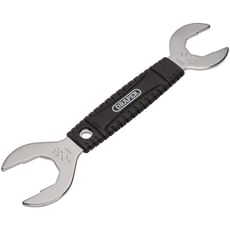
- A thin, large-diameter open-ended spanner specifically designed to fit the lock nuts on bicycle headsets—the bearing assembly that allows the fork and handlebars to rotate smoothly. Available in various sizes to suit different frame standards.
- Pedal Spanner
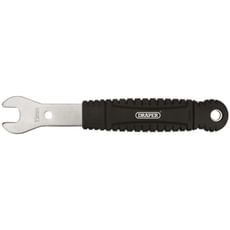
- A long-handled, thin-profile spanner (typically 15mm) designed to access and provide leverage on pedal axles where standard spanners cannot fit due to limited clearance between pedal and crank arm. The extended handle provides additional torque for removing seized pedals.
- Cable Tensioner
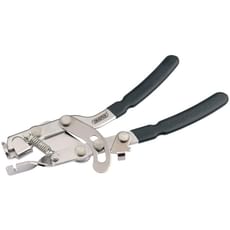
- A specialist tool used to grip and tension brake or gear cables during installation or adjustment, allowing precise control whilst securing the cable fixing bolt. Features thumb-lock mechanisms for one-handed operation.
- Bottom Bracket
- The bearing assembly in the bicycle frame where the crank arms attach and rotate. Some bottom brackets require specific spanner tools for installation and removal, depending on the standard used.
- Open-Ended Spanner
- A spanner with U-shaped openings at one or both ends, as opposed to ring or ratchet types. Most cycle-specific spanners are open-ended for ease of access in confined spaces around bicycle components.
- Axle Flat
- The machined flat surfaces on pedal axles and other bicycle components designed to accept spanner jaws for tightening or loosening. Typically 15mm on pedals, these require proper engagement to prevent rounding.
Who Uses Cycle Spanners?
- Professional bicycle mechanics and workshop technicians
- Cycle shop owners and repair service providers
- Mobile bicycle repair businesses and on-site mechanics
- Cycling enthusiasts who maintain their own equipment
- Competitive cyclists and club members performing routine maintenance
- Schools and youth organisations maintaining fleet bicycles
- Hire and rental companies servicing bicycle fleets
- Triathletes and time trial specialists requiring regular bike adjustments
- Mountain bikers and BMX riders who frequently perform repairs
- DIY enthusiasts looking to save money on basic bicycle servicing
- Community bicycle workshops and repair cafés
- Delivery and courier companies maintaining their bicycle fleets
How to Choose the Right Cycle Spanners
When selecting cycle spanners for your toolkit, start by assessing the types of bicycle work you'll be undertaking. A basic home maintenance kit might only require a pedal spanner and cable tensioner, whilst a professional workshop will benefit from a comprehensive set including headset spanners in multiple sizes to accommodate different frame standards and bicycle types.
Size and compatibility are crucial considerations. Pedal spanners are typically 15mm to fit standard pedal axle flats, but it's worth verifying the dimensions match your bicycle types. Headset spanners come in various sizes to suit different frame standards—older bikes may require different dimensions than modern models. Cable tensioners should provide a firm, secure grip without damaging the delicate cable strands, with thumb-lock mechanisms enabling one-handed operation during installation.
Quality and durability matter significantly in regular use. Look for tools manufactured from chrome vanadium steel or similar hardened materials that resist wear and won't round off fasteners under load. The Draper range available from Tooled-Up.com offers reliable quality at professional standards, with proper heat treatment and corrosion-resistant finishes that withstand workshop environments. Thin-profile designs are essential for pedal and headset work where clearance is severely limited between components.
Handle length and leverage deserve careful consideration, particularly for pedal spanners. Longer handles provide greater mechanical advantage when removing seized or over-tightened pedals, reducing the risk of rounded fasteners and making the job significantly easier. However, ensure tools will fit within your workshop space and toolbox dimensions. Excessively long handles may be cumbersome in confined spaces or when stored in mobile tool kits.
Consider purchasing cycle spanners as part of a broader bicycle maintenance toolkit that might include tyre levers, chain tools, and allen key sets. This integrated approach ensures you have all necessary equipment for comprehensive bicycle servicing work without repeatedly purchasing individual tools as needs arise. Many professional mechanics maintain dedicated bicycle tool kits separate from their general workshop tools.
Popular Accessories
- Bicycle-specific allen key and torx key sets for modern component fasteners
- Chain breaker and rivet tools for drivetrain maintenance
- Tyre levers and puncture repair kits for wheel servicing
- Cable cutters for clean brake and gear cable installation
- Torque wrenches for precision fastener tightening to manufacturer specifications
- Bicycle work stands for secure positioning during repairs
- Degreaser and chain cleaning solutions for drivetrain maintenance
- Lubricants and bicycle-specific greases for bearings and cables
- Bottom bracket and cassette removal tools for drivetrain servicing
- Spoke keys for wheel truing and tension adjustment
- Tool rolls or bicycle-specific tool storage solutions for mobile mechanics
- Cone spanners for hub bearing adjustment and servicing
Frequently Asked Questions
Can I use regular spanners instead of cycle-specific ones?
Whilst you might manage with standard spanners for some tasks, cycle-specific tools feature the thin profiles and precise dimensions needed to access bicycle components without damaging surrounding parts. Pedals and headsets in particular require specialist spanners due to extremely limited clearance between components. Using incorrect tools risks rounding fasteners, damaging expensive components, and making future removal even more difficult. The modest investment in proper cycle spanners will save considerably more in prevented damage.
What size pedal spanner do I need?
The vast majority of bicycle pedals use a 15mm axle flat, making a 15mm pedal spanner the standard choice for modern bicycles. Some older or specialist bicycles may use different sizes, so it's worth checking your specific equipment before purchasing. A quality 15mm pedal spanner will handle virtually all modern road bikes, mountain bikes, and hybrids. Remember that the left pedal typically has a reverse thread (loosens clockwise) whilst the right pedal uses standard threading.
Are expensive cycle spanners worth the investment?
For occasional home use, mid-range tools from reputable brands like Draper offer excellent value and durability without unnecessary expense. Professional mechanics operating busy workshops should invest in premium tools that withstand daily use and provide reliable service over years. Poor quality spanners may slip under load, round fasteners, or bend when force is applied, ultimately costing more in damaged components, customer dissatisfaction, and replacement tools. Quality tools also provide better feel and precision during delicate adjustment work.
How do I prevent damaging bicycle components when using spanners?
Always ensure the spanner fits properly onto the flats before applying force—a loose fit will round fasteners and cause expensive damage. Use smooth, controlled movements rather than sudden jerks which can strip threads or round fastener heads. For seized components, apply penetrating oil and allow adequate time to work (ideally overnight) before attempting removal. Remember that pedals have reverse threads on the left-hand side, and always work from the correct side of the component for proper leverage and to avoid cross-threading during installation.
Do I need different spanners for road bikes versus mountain bikes?
The fundamental fastener sizes remain consistent across most bicycle types, so the same cycle spanners work for road bikes, mountain bikes, hybrids, and BMX bikes. However, you may need additional specialist tools for specific components—mountain bikes might require suspension tools and larger cassette lockring tools, whilst road bikes may need particular bottom bracket tools depending on the standard used. Tooled-Up stocks a comprehensive range of bicycle-specific tools to cover all common maintenance requirements across different cycling disciplines.